- The Roof Can Quietly Shape the Entire Deal
- Local Conditions Make Professional Insight Valuable
- Learn What You Can Spot During a Showing
- A General Inspection May Not Tell the Whole Story
- Insurance Deserves Attention Before Closing
- Good Documentation Strengthens Negotiations
- Think About the Roof You Will Eventually Inherit
- Look Beyond the Finishes Before You Buy
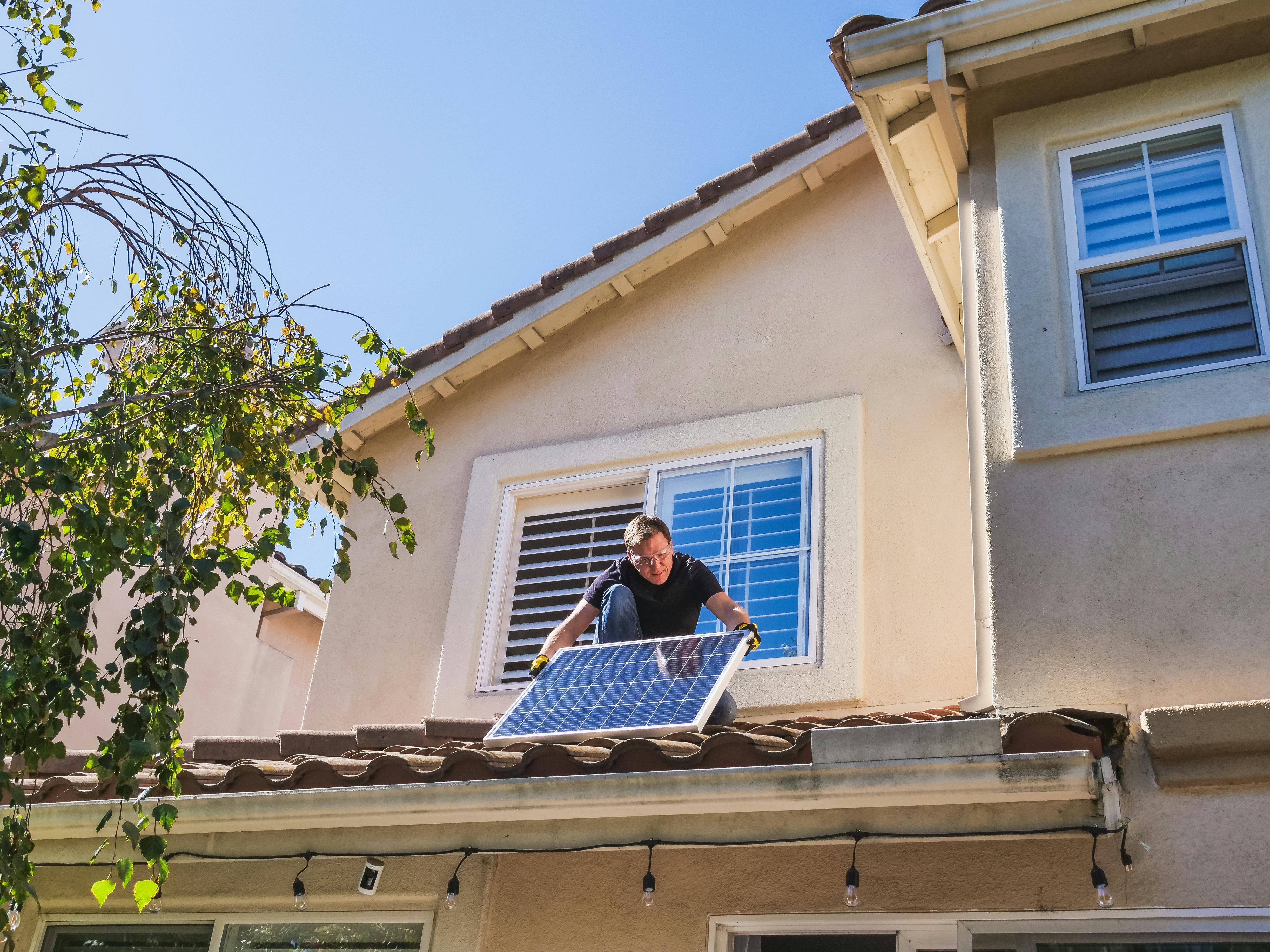
A home can make a great first impression with an updated kitchen, fresh paint, or a beautiful backyard, but buyers should remember to look up. In Dallas, weather conditions such as intense summer heat, thunderstorms, high winds, and hail can place considerable stress on roofing materials. A roof’s condition can influence future repair costs, insurance considerations, and the amount of maintenance waiting after closing. Understanding what is overhead before buying can make the difference between a well-informed purchase and an expensive surprise.
The Roof Can Quietly Shape the Entire Deal
During a showing, the roof rarely gets the same attention as the rooms inside. Yet it is one of the major components that can affect what you spend after purchasing the property.
Start with a few basic questions. How old is the roof? What material was used? Has it experienced leaks or storm damage? Have major repairs been completed?
Age alone does not determine condition, but it provides valuable context. Different roofing materials have different expected lifespans, while installation quality, maintenance, ventilation, and weather exposure can influence how long they actually perform.
If the roof is older, that does not necessarily make the house a poor choice. It simply means the potential cost of future roofing work should become part of your buying calculations.
Local Conditions Make Professional Insight Valuable
Weather exposure can affect how quickly roofing materials deteriorate and what types of damage appear over time. That makes the roof’s history particularly important when evaluating a property.
Ask whether there has been previous storm damage and whether repairs were professionally completed. If work has been done, request invoices, warranties, inspection reports, or other documentation when available.
When concerns arise during due diligence, a Dallas roofing contractor can provide a more focused assessment of the roof’s condition. A professional evaluation may help clarify whether visible problems are limited repairs or signs of more extensive deterioration.
The goal is not to find a flawless roof. It is to understand what you may be taking responsibility for after closing.
Learn What You Can Spot During a Showing
You do not need to climb onto a roof to notice possible problems. In fact, buyers can learn quite a bit while keeping both feet safely on the ground.
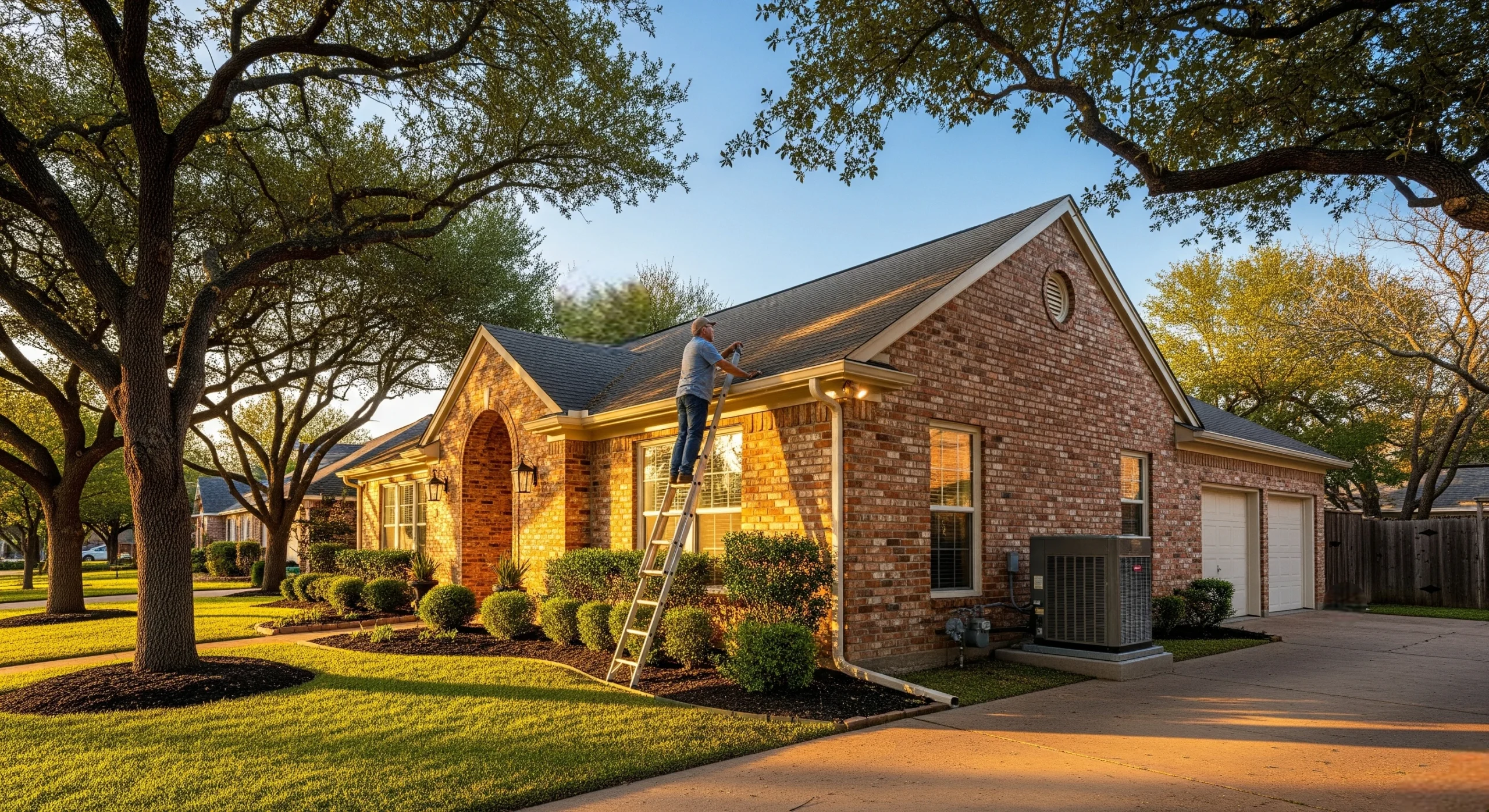
Step far enough away from the house to see the overall roofline. Look for missing or curling shingles, uneven areas, visible patches, sagging sections, or gutters that appear damaged or separated from the structure.
The interior can provide clues as well. Ceiling stains, peeling paint, musty odors, and moisture in accessible attic spaces may suggest past or present water intrusion.
Knowing how to inspect a roof from a safe distance can help buyers recognize visible warning signs without attempting to diagnose the problem themselves. Ground-level observations are particularly useful for identifying areas that deserve closer professional attention.
Think of the showing as an opportunity to notice clues rather than conduct your own inspection.
A General Inspection May Not Tell the Whole Story
A professional home inspection is an important part of evaluating a property, and the roof should be included in that process. However, buyers should understand what an inspection can and cannot tell them.
A general inspector may identify visible damage, moisture concerns, deteriorated shingles, flashing problems, or other defects. If something significant appears, a more detailed roofing evaluation may be worthwhile.
A dedicated roof inspection can examine roofing components more closely and help establish the roof’s current condition and potential repair needs. Roof inspections are also commonly performed during home purchases because buyers need a clearer picture of what they are acquiring.
Instead of accepting a vague description such as “wear consistent with age,” ask what the findings actually mean. Is there an active leak? Are repairs urgent? Is the deterioration isolated or widespread?
Those details are much more useful when making a major financial decision.
Insurance Deserves Attention Before Closing
A home’s purchase price is only one part of its true cost. Buyers also need to consider insurance, taxes, maintenance, and future repairs.
Roof age and condition may become relevant when obtaining homeowners insurance. Coverage and underwriting requirements vary among insurers, so avoid assuming that an older roof will be treated the same way by every provider.
Get an insurance quote for the specific property before closing whenever possible. Ask whether the roof’s age, material, or condition affects the policy and whether additional documentation is required.
This is also a good reason to obtain accurate information about previous roof replacements rather than relying on an approximate age.
A roof that appears acceptable during a showing may still have financial implications worth understanding before you commit to the property.
Good Documentation Strengthens Negotiations
If an inspection uncovers roof problems, clear information can make conversations about the property much easier.
Depending on the purchase agreement and circumstances, buyers may discuss repairs, credits, pricing, or other terms with the seller. Documentation gives those conversations substance.
An inspection report that identifies active leaks or damaged roofing materials is more useful than simply saying the roof “looks old.” Repair estimates can provide additional context about the scale of the issue.
Keep expectations proportionate to the findings. A few damaged shingles are very different from widespread deterioration or structural concerns.
The point is not to turn every roofing imperfection into a major negotiation. It is to understand the financial significance of the problems that have actually been identified.
Think About the Roof You Will Eventually Inherit
Even when a roof does not require immediate work, its remaining service life matters.
If you purchase a home with an aging but functional roof, replacement may become one of your larger future maintenance expenses. Knowing that in advance allows you to plan rather than wait for a leak to force the issue.
Consider related components as well. Gutters, flashing, attic ventilation, decking, and drainage all contribute to how effectively the roofing system performs.
Keep copies of warranties, inspection reports, repair invoices, and installation records provided by the seller. These documents can become useful for maintenance, future repairs, insurance questions, and eventually selling the property yourself.
Look Beyond the Finishes Before You Buy
Buying a home is about more than choosing a property that looks good on moving day. It is also about understanding the condition of the systems you will be responsible for afterward.
The roof deserves a meaningful place in that evaluation. Ask about its age and history, notice visible warning signs, review inspection findings carefully, and investigate significant concerns before closing.
You do not need a brand-new roof to make a confident purchase. You need enough reliable information to understand what is there, what may need attention, and what it could mean for your budget.
The best surprises in a new home should be discovering extra storage—not discovering that the roof needs major work three months after you get the keys.