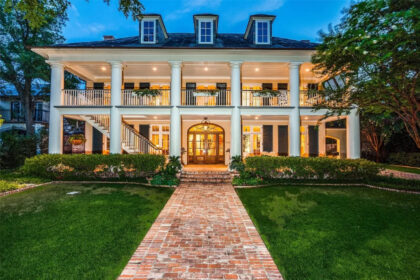

North Texas weather rarely stays predictable for long. A home can deal with triple-digit heat in August, severe hailstorms in spring, long dry stretches in early fall, and sudden freezes in winter. For homeowners, investors, and buyers in the Dallas-Fort Worth real estate market, these weather swings can raise repair costs, shorten the life of major home systems, affect insurance costs, and influence resale value.
Extreme Heat and Its Impact on Structural Stability
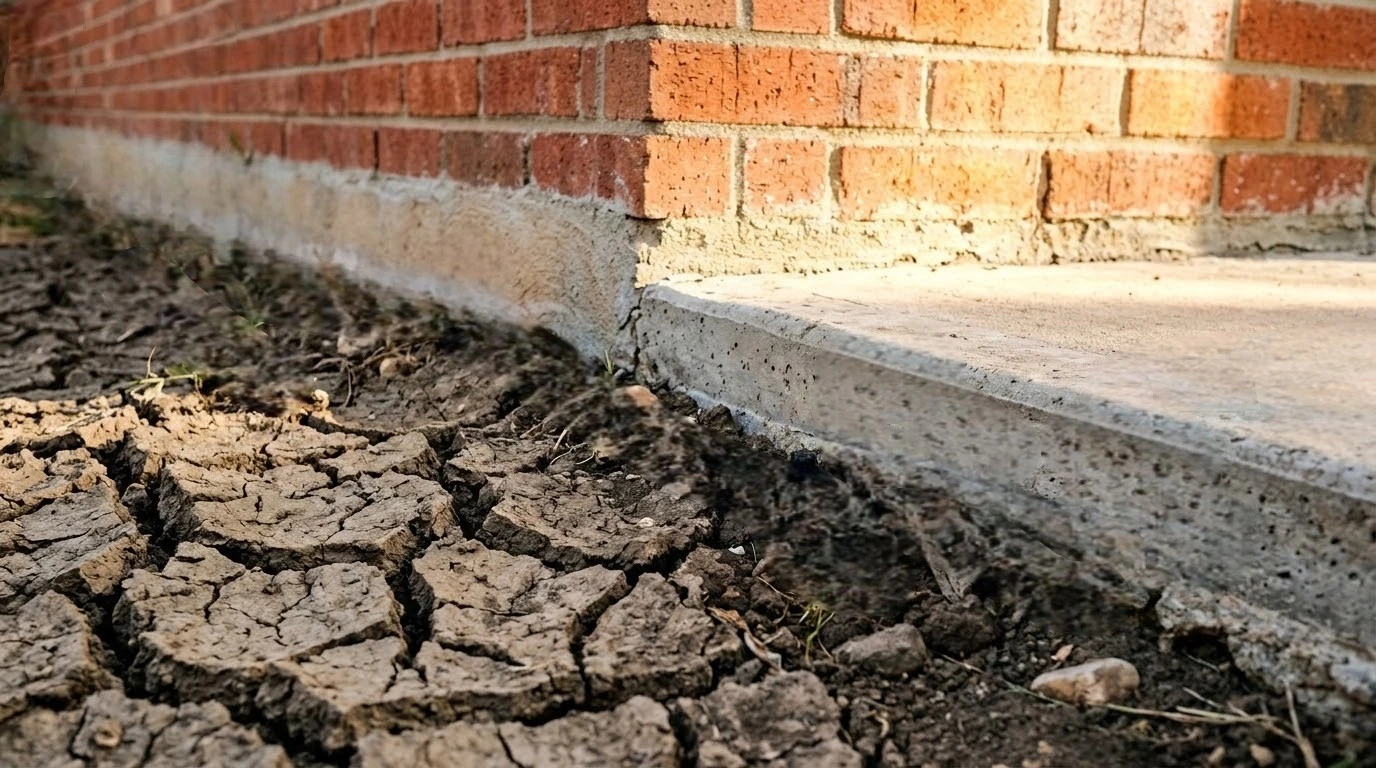
Summer in North Texas can be hard on homes, especially when high heat lasts for weeks. Prolonged heat does more than just increase cooling costs; it directly impacts the soil under your foundation. Much of North Texas has expansive clay soil, which expands when wet and shrinks when dry.
When that clay soil dries out, it can pull away from the foundation and leave parts of the home with less support than others. Over time, this can lead to cracks in walls, sticking doors, uneven floors, and gaps around windows or trim.
This movement usually happens slowly, and many homeowners mistakenly treat the symptoms as cosmetic concerns when they are actually tied directly to the soil beneath the property. That means preventive maintenance requires a climate-specific approach, such as consistent foundation watering, targeted moisture management, and reflective roofing materials.
Storm Systems Create Long-Term Exterior Damage
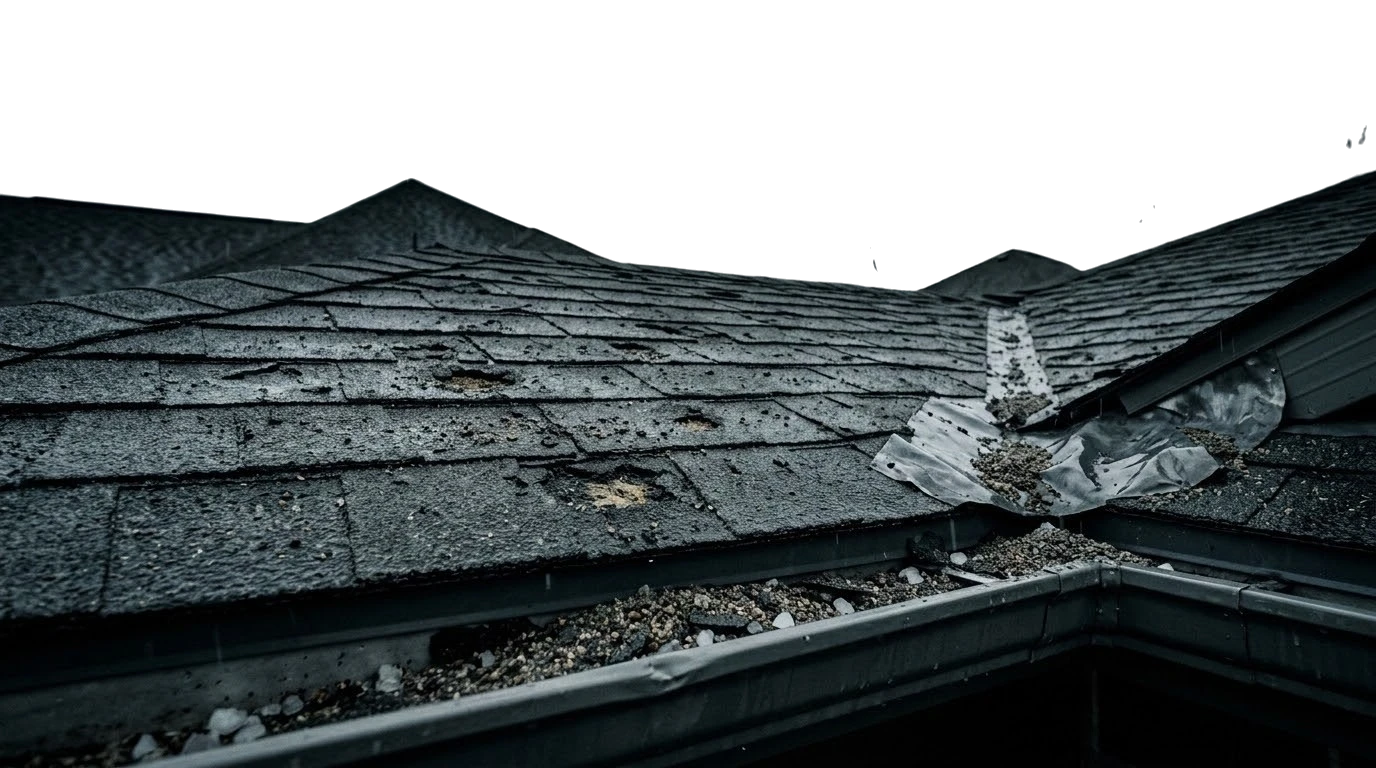
Severe weather remains one of the biggest maintenance challenges across North Texas. Spring and early summer storms often bring hail, heavy rain, strong winds, and sudden temperature shifts that damage the outside of a house in ways homeowners may not immediately notice.
Roofs usually take the most damage. Even moderate hail can knock granules off shingles, making the roof more vulnerable to leaks. Wind can also loosen shingles, flashing, gutters, and trim.
The costly part is that storm damage often gets worse over time. A small roof issue after one storm may not show up indoors until months later, when water stains, wet insulation, or mold become visible.
Humidity and Moisture Create Problems Beyond Mold
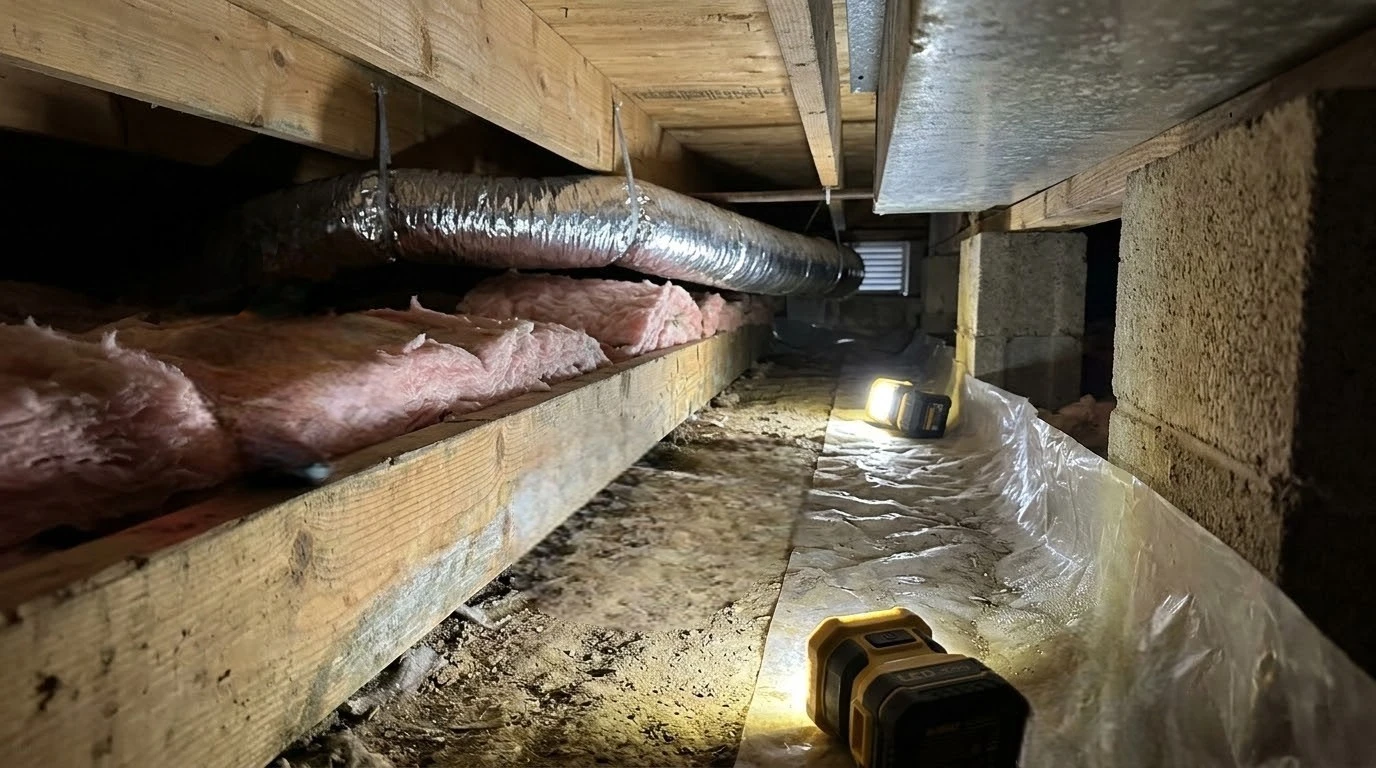
North Texas may not feel humid year-round, but moisture can still create real maintenance problems. After storms or during changing seasons, humidity can build up in poorly ventilated parts of the home.
Bathrooms, attics, crawl spaces, and garages are often the first places to show problems. Trapped moisture can lead to mildew, soft wood, damaged insulation, musty odors, and poor indoor air quality.
The outside of the home matters too. Shrubs, vines, or thick landscaping planted too close to the house can hold moisture against siding and foundation areas. Over time, that can create a better environment for pests, mold, and wood damage.
Drainage Design Has Become a Property Value Issue
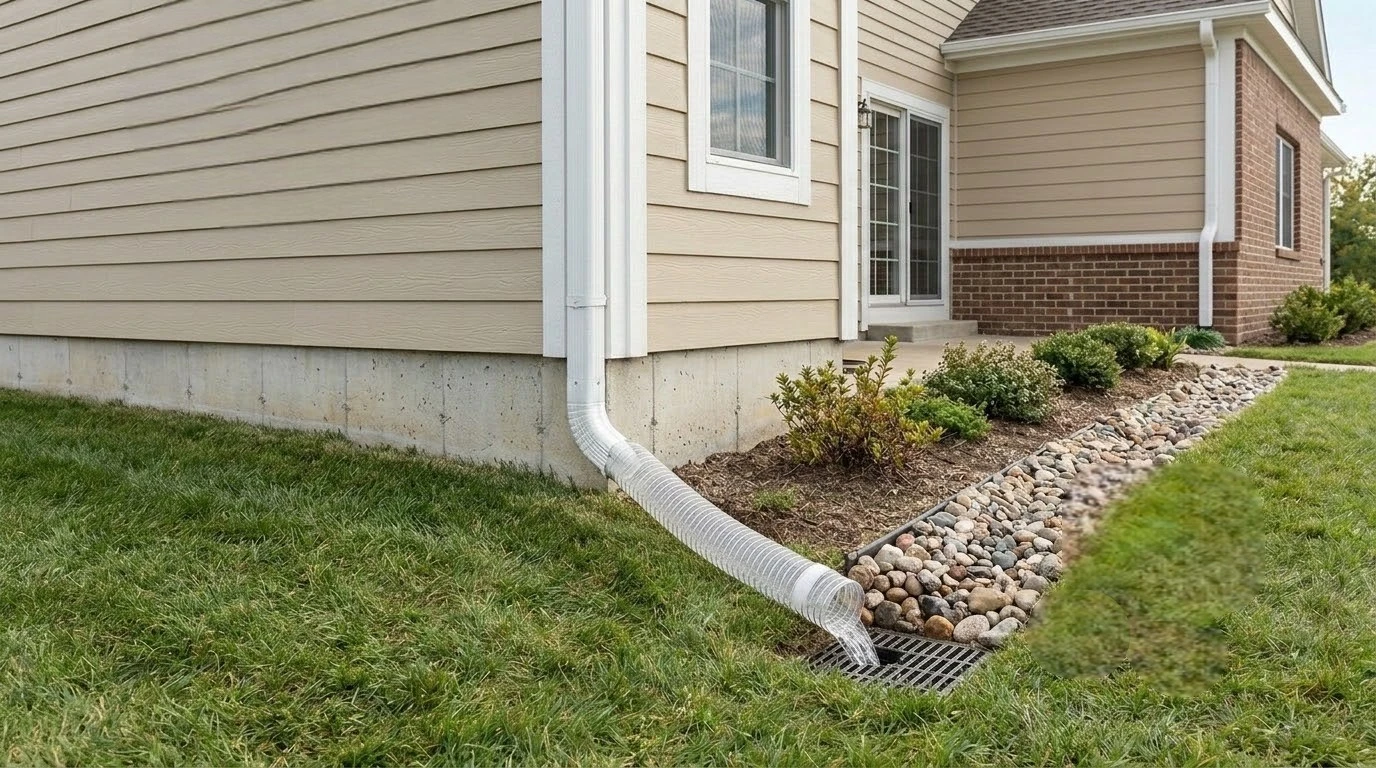
Heavy rain events have become more intense in recent years, exposing weaknesses in grading, runoff management, and neighbourhood drainage systems. Improper drainage rarely remains isolated to landscaping problems. Water pooling near the foundation increases hydrostatic pressure against structural walls and accelerates soil instability.
Over time, standing water can compromise patios, driveways, fencing, and underground utility systems. Smart property owners now treat drainage improvements as long-term investments, as buyers have become more attentive to drainage patterns during property evaluations, particularly in neighborhoods with known flooding histories.
Outdoor preparation also extends beyond water management. Seasonal maintenance plans should address pest activity that intensifies after periods of rainfall and heat. Homeowners can prepare for mosquito season in Fort Worth while simultaneously protecting outdoor living spaces and improving overall property sustainability.
Endnote
In North Texas, home maintenance has to match the climate. Heat can affect soil stability, storms can damage exterior materials, humidity can speed up deterioration, and poor drainage can create long-term structural problems.
Homeowners who stay ahead of these issues are more likely to protect both the condition and value of their property.