
Buying a home is one of the biggest financial decisions most people will make. Buyers typically focus on visible features such as the roof, foundation, kitchen, and HVAC system, but one of the most important parts of a property remains hidden underground—the sewer line. While a standard home inspection provides valuable information about a property’s condition, it rarely includes a detailed assessment of the sewer system.
In Dallas, where neighborhoods range from newly developed communities to homes built decades ago, sewer lines can vary significantly in age and condition. A damaged or deteriorating sewer line may not show obvious warning signs during a home tour, yet it can lead to expensive repairs shortly after closing. Scheduling a sewer inspection before purchasing a property gives buyers a clearer picture of the home’s overall condition and helps prevent unexpected costs.
1. Hidden Sewer Problems Can Be Expensive
Unlike a leaking faucet or cracked window, sewer line issues often remain unnoticed until they become major problems. Tree root intrusion, shifting soil, aging pipes, corrosion, and ground movement can all affect underground plumbing over time. Dallas experiences seasonal weather changes that may contribute to soil movement, placing additional stress on buried sewer lines.
When these problems go undetected, homeowners may face recurring drain backups, unpleasant odors, slow drainage, or even sewage entering the home. Repairing a severely damaged sewer line can be both disruptive and costly, making early detection an important part of the home-buying process.
2. What a Sewer Inspection Can Reveal
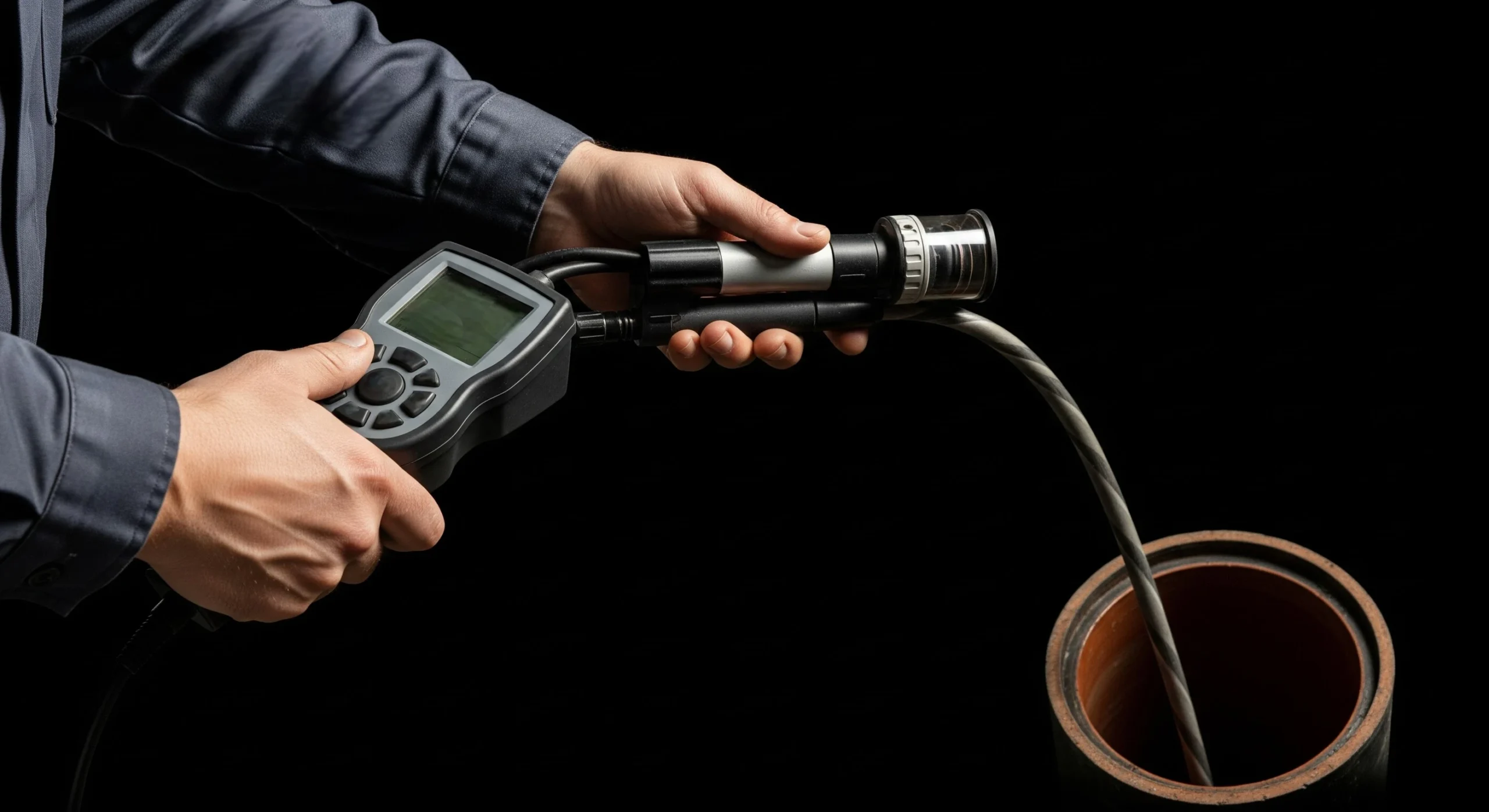
Modern sewer inspections use specialized cameras that travel through the pipe, allowing professionals to evaluate the condition of the entire line without unnecessary digging. This process can identify cracked pipes, root intrusion, misaligned joints, grease buildup, blockages, and other structural concerns that would otherwise remain hidden.
The inspection results give buyers valuable information before completing the transaction. If problems are discovered, buyers may be able to negotiate repairs, request seller concessions, or better understand the future maintenance needs of the property.
3. Protecting Your Investment Before Closing
Purchasing a home involves much more than the sale price. Closing costs, moving expenses, renovations, and ongoing maintenance all contribute to the total investment. Discovering a major sewer issue after moving in can place unexpected financial pressure on new homeowners.
For that reason, many buyers choose to work with licensed sewer repair contractors when an inspection identifies potential concerns. Experienced professionals can explain the severity of the problem, discuss available repair options, and provide recommendations that help buyers make informed decisions before finalizing the purchase.
4. Older Dallas Homes Require Extra Attention
Many established Dallas neighborhoods feature beautiful older homes with mature trees and well-developed landscapes. While these properties often offer charm and character, they may also have aging sewer systems that have been in service for decades.
Older materials such as cast iron or clay pipes are generally more susceptible to cracking, corrosion, and root intrusion than modern piping materials. Even if previous homeowners maintained the property well, underground infrastructure naturally deteriorates over time. A sewer inspection helps determine whether the system remains in good condition or requires repairs or replacement.
5. Why a Sewer Inspection Is Worth the Cost
A sewer inspection typically requires only a short amount of time, yet the information it provides can save homeowners thousands of dollars in future repairs. More importantly, it offers peace of mind by reducing uncertainty before one of life’s largest purchases.
Compared with the cost of replacing a damaged sewer line, the price of a professional inspection is relatively small. It also provides buyers with leverage during negotiations if hidden issues are uncovered before closing.
Conclusion
A home may look perfect on the surface, but its underground plumbing system can tell a very different story. Investing in a professional sewer inspection before buying a home in Dallas helps uncover hidden problems, avoid unexpected repair costs, and support smarter purchasing decisions.
Whether you’re a first-time buyer, a growing family, or a real estate investor, adding a sewer inspection to your due diligence checklist is a practical step that protects both your property and your finances. A little preparation today can prevent significant expenses and unnecessary stress in the future.
Frequently Asked Questions
1. Is a sewer inspection included in a standard home inspection?
No. Most standard home inspections focus on visible and accessible systems. A separate sewer inspection using a specialized camera is usually recommended to evaluate the condition of underground sewer lines.
2. How long does a sewer inspection take?
Most residential sewer inspections take between 30 minutes and one hour, depending on the property’s size and the accessibility of the sewer line.
3. What are the most common sewer problems found in Dallas homes?
Common issues include tree root intrusion, cracked or collapsed pipes, corrosion, grease buildup, offset pipe joints, and damage caused by shifting soil.