If you own a home in Waxahachie, you’ve likely already experienced at least one serious hail event, whether you realized the resulting roof damage at the time or not. North Texas sits in one of the most active hail corridors in the country, and understanding how this region’s storm season actually works helps explain both why roof damage happens and why it’s so often missed until much later.
When Hail Season Actually Happens
Hail season in this part of Texas typically runs from March through June, driven by warm, moist Gulf air colliding with cooler, drier air moving down from the north. Ellis County, where Waxahachie sits, has recorded multiple qualifying hail events in each of the past several years, and reports of hail two to three inches in diameter aren’t unusual during a significant storm.
Wind frequently accompanies these storms, and when hail arrives alongside gusts of 30 miles per hour or more, the horizontal impact adds real stress beyond what the hail alone would cause. This combination is often why damage shows up concentrated on one side of a roof, typically whichever side faced the storm’s wind direction.
Why Hail Damage Is So Easy to Miss
Unlike a missing shingle or an obvious leak, hail damage to a roof doesn’t always announce itself. Impact can bruise a shingle, knock protective granules loose, or crack the underlying mat without dislodging anything visibly. From the ground, or even from a quick look on the roof itself, this kind of damage is genuinely difficult to spot. It can take weeks or months for a bruised shingle to fail outright, well after the storm that caused it has been forgotten.
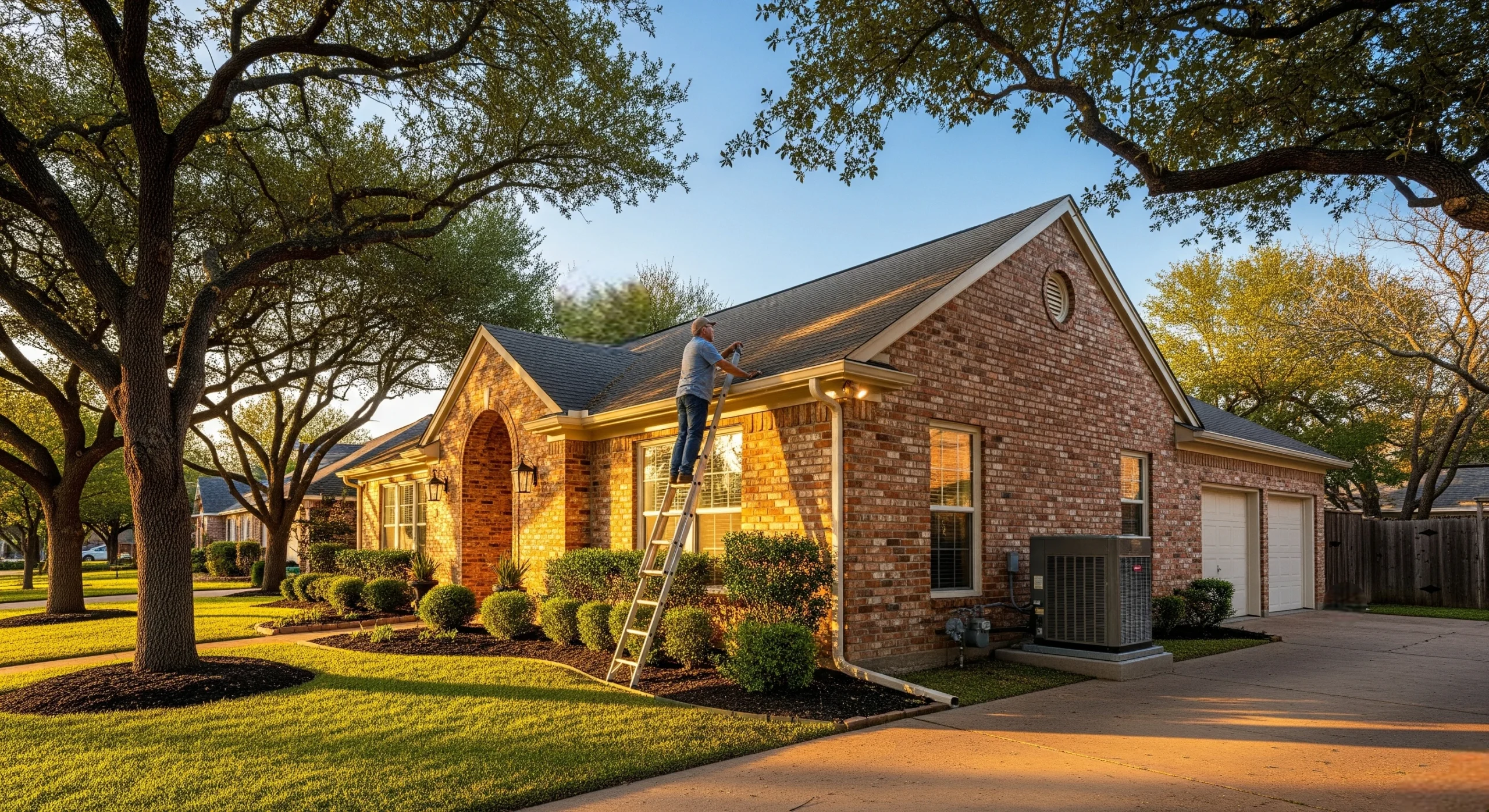
This is exactly why a professional roof inspection within 30 days of any significant hail event has become the standard of care in this region, rather than waiting for a leak to appear on its own.
What Actually Holds Up Better in This Climate
Given how frequently and severely this region experiences hail, material choice makes a real difference over the life of a roof:
- Class 4 impact-resistant shingles are rated for the highest level of impact resistance available in asphalt roofing, and many insurance carriers offer meaningful premium discounts for homes equipped with them
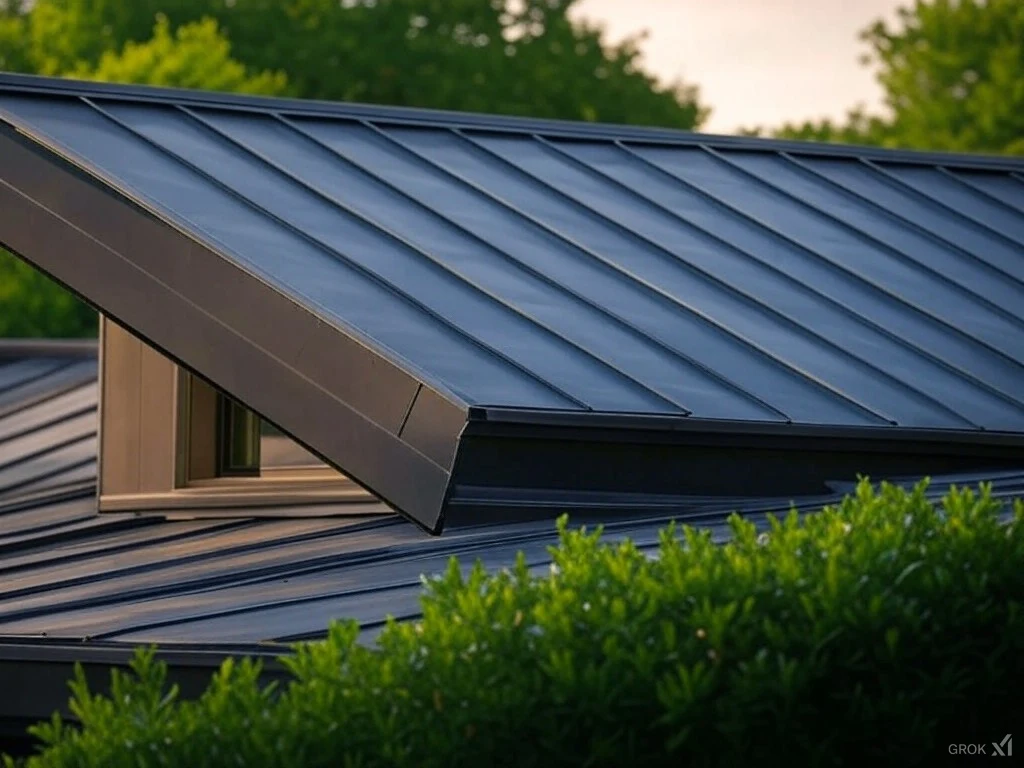
- Standing seam metal roofing offers the best structural hail resistance available, though it’s worth knowing that severe hail can leave cosmetic dents even when the roof remains fully weathertight, a distinction some insurance policies handle differently than others
- Concrete tile, where the roof structure can support the additional weight, performs notably well against larger hail compared to standard shingles
- Stone-coated metal roofing offers a middle ground, combining a more traditional shingle-like appearance with metal’s underlying durability
Why Fast Documentation Matters After a Storm
Texas homeowners generally have up to a year to file a hail damage insurance claim, but immediate documentation meaningfully improves the odds of a smooth claim. Photographing visible damage, dated storm reports, and a prompt professional inspection all strengthen a claim’s chances, especially since hail damage can be subtle enough that an insurance adjuster’s own assessment benefits from a roofer’s documentation supporting it.
Building a Maintenance Habit Around Storm Season
Rather than waiting for damage to become obvious, scheduling a professional roof inspection before hail season begins each spring, along with a follow-up inspection after any significant storm, is the most reliable way to catch problems early in a region where this kind of weather isn’t a rare event but an annual expectation.
Getting an Honest Assessment After the Next Storm
Because hail damage is so often invisible without a trained eye, the right move after any significant storm is a professional inspection, not just a glance from the ground. Waxahachie roof repair that starts with a thorough, documented inspection gives you the clearest picture of what actually happened to your roof and the strongest position if an insurance claim becomes necessary.