In a fast-paced market where reputations are on the line, corporate security decisions can have lasting consequences. Business leaders are no longer responding to isolated incidents alone but to interconnected human, digital, and operational threats that can change without warning.
Good judgment takes more than quick reactions, it takes clarity, foresight, and accountability. Integrated intelligence transforms raw information into context leaders can act on. When data guides security planning, organizations stop scrambling and start working from a plan. Decisions are proactive instead of made on the fly.
This approach helps leaders protect people, keep operations running, and maintain trust. Intelligence does not replace leadership judgment. It strengthens it by ensuring decisions are informed, proportionate, and based on reality, not assumptions.
Turning Data Into Decisive Action
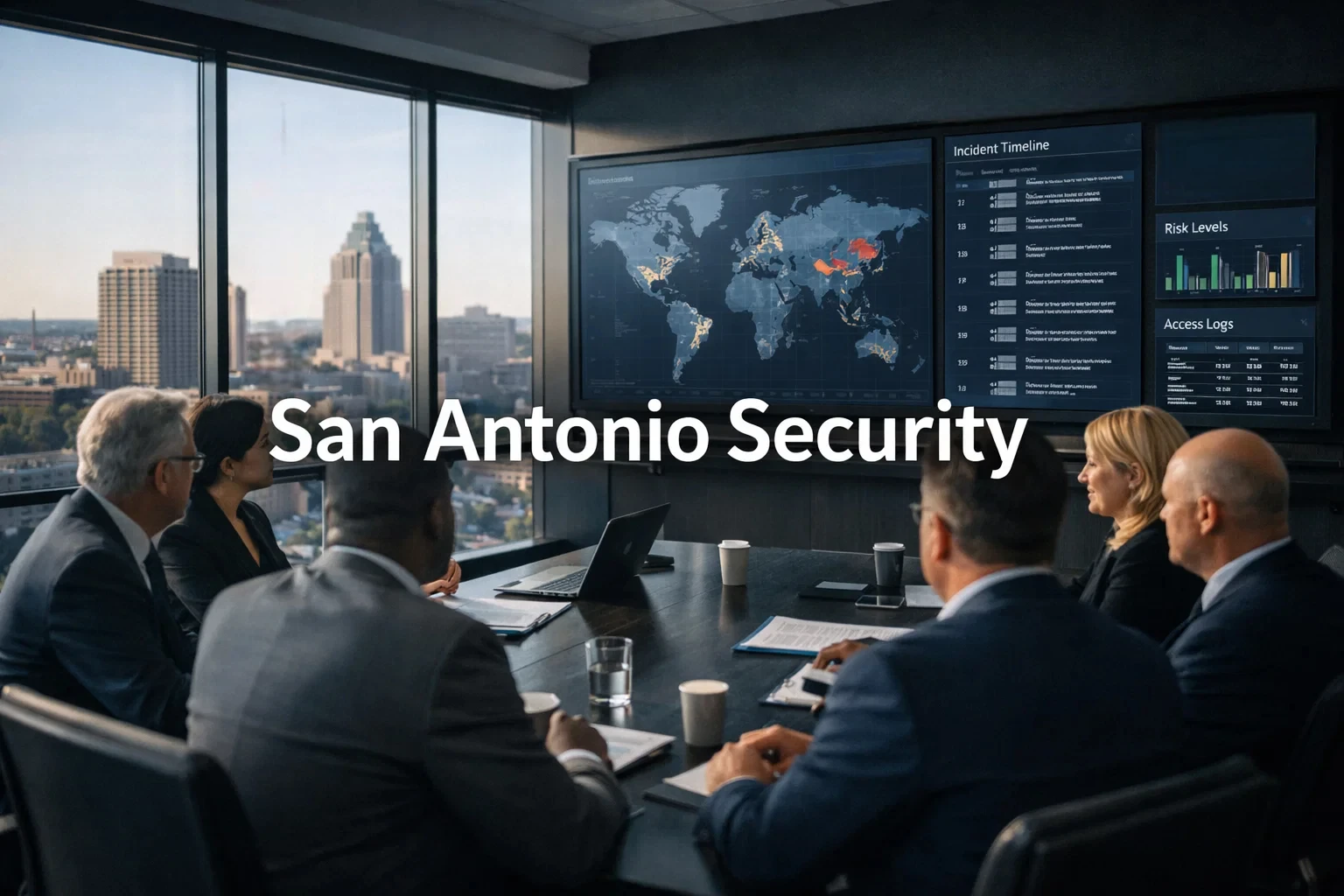
Integrated intelligence capabilities change how security decisions are made by pulling scattered data into one clear picture. Rather than relying on isolated reports or office rumors, decision-makers receive structured insight drawn from human sources, digital monitoring, and on-the-ground observation. This integration allows leadership teams to understand not only what is happening, but why it is happening and what could happen next. Security decisions benefit from this clarity because they are grounded in pattern recognition and behavioral indicators rather than surface-level symptoms.
When intelligence is aligned with operational planning, responses can be right-sized, avoiding overreaction or delay. This disciplined process enables corporations to anticipate escalation points, allocate resources efficiently, and keep business moving during periods of uncertainty. It also supports consistency, ensuring that security actions align with organizational priorities and risk tolerance rather than shifting based on incomplete information.
1. From Awareness to Executive Action
Effective corporate security depends on translating intelligence into action that leadership teams can confidently authorize. Integrated intelligence supports this transition by presenting insights in a form that aligns with executive decision-making. Rather than technical briefings or abstract assessments, data is contextualized around business impact, operational exposure, and employee safety.
This enables corporate leaders to act decisively without becoming immersed in operational detail. In environments where executive travel, sensitive meetings, or organizational transitions pose risks, intelligence-backed planning ensures that protective measures remain proportionate and discreet.
In some cases, this approach aligns closely with considerations similar to executive protection in San Antonio, where local context and real-time awareness shape the plan without disrupting business operations. Leaders move forward knowing decisions are supported by verified insight and measured analysis.
2. Navigating Complex Workplace Dynamics
Workplace security challenges rarely emerge in isolation. Employee disputes, terminations, or internal investigations often involve high emotions, incomplete information, and time pressure.
Integrated intelligence helps organizations reduce uncertainty by identifying early indicators of escalation and contextual risk factors. Rather than reacting to a single complaint or event, decision-makers gain insight into behavioral patterns, changes in communication, and workplace stressors. This allows organizations to address risks before they reach a crisis point.
When intelligence informs planning, security measures become preventive rather than corrective. Leadership teams can coordinate HR, legal considerations, and on-site security effectively. This approach protects employees while preserving organizational stability. It also supports documentation and accountability, ensuring decisions are traceable to observed conditions. As a result, corporate security actions are seen as measured and justified, reinforcing trust within the organization during sensitive moments.
3. Security That Supports Business Instead of Stalling It
Corporate security decisions must support, not disrupt, business continuity. Integrated intelligence strengthens this alignment by fitting security planning into day-to-day operations. Assessments consider workflow, leadership schedules, facility usage, and public exposure, allowing security measures to integrate seamlessly into daily operations. This ensures protective actions do not introduce unnecessary friction or draw attention.
When intelligence identifies credible risks, organizations can implement targeted controls that preserve productivity while mitigating exposure. This balance is essential during mergers, restructuring, or public-facing initiatives where disruption carries financial and reputational consequences.
Intelligence enables security teams to recommend actions that align with executive priorities rather than competing with them. Decisions are framed around operational impact and risk reduction rather than abstract threat levels. This approach reinforces security as a business enabler rather than a constraint, supporting leadership confidence during periods of organizational change.
4. Building Accountability and Trust
Accountability is central to effective corporate security decision-making. Integrated intelligence reinforces this by providing a documented basis for action. Decisions are supported by verifiable observations, analytical reasoning, and clearly defined risk indicators. This transparency protects leadership teams by demonstrating that actions were taken based on objective assessment rather than assumption or emotion. Using intelligence also ensures consistency when decision-makers change, reducing reliance on individual judgment.
When leadership changes or responsibilities shift, intelligence-backed frameworks maintain consistency in how risks are evaluated and addressed. This continuity is particularly important in extended security engagements or evolving situations. It creates a shared understanding across stakeholders, aligning executives, security leadership, and operational managers around the same risk picture. As a result, security decisions remain defensible, repeatable, and aligned with organizational values even under pressure.
5. The Value of Discretion
Discretion remains a priority for corporate leaders managing sensitive security concerns. Integrated intelligence supports discreet decision-making by enabling teams to target protective measures more precisely. Rather than relying on high-visibility security that draws attention, intelligence enables organizations to apply controls where they are most effective and least disruptive. This precision reduces unnecessary exposure while maintaining readiness. Intelligence-backed planning ensures protective measures adapt to changing conditions without drawing public attention.
For business leaders and prominent public figures, this discretion preserves professional presence and organizational reputation. It also supports coordination between physical and digital considerations, ensuring protective actions remain comprehensive without becoming intrusive. By grounding discretion in analysis rather than assumption, organizations achieve a balance between vigilance and normalcy. This balance reinforces confidence among leadership teams so they can stay protected without losing time or focus on the job.
6. Building Long-Term Resilience
Corporate security decisions extend beyond immediate response. Integrated intelligence capabilities contribute to long-term confidence by enabling organizations to learn from each engagement. Patterns identified through analysis inform future planning, policy refinement, and leadership preparedness. Over time, this creates a feedback loop where security decisions become more precise and effective. This approach also supports adaptability, allowing organizations to adjust protective strategies as risk environments evolve.
This adaptability is critical for sustaining trust among executives and employees alike. When leadership sees consistent, intelligence-backed outcomes, confidence in security governance grows. Decisions feel controlled rather than reactive. Integrated intelligence becomes not just a tool for response, but a foundation for resilience. By embedding intelligence into decision-making processes, organizations position themselves to manage uncertainty with composure and clarity over the long term.
Key Takeaways
Integrated intelligence strengthens corporate security decisions by transforming uncertainty into informed action. When data informs planning, leaders gain clarity, confidence, and control. As decisions align with operational realities, accountability is reinforced, and protective measures remain discreet and effective. This approach supports business continuity while safeguarding people and reputation.
Intelligence does not replace leadership judgment, it sharpens that judgment by providing context and foresight. In an environment where risks evolve rapidly, organizations that rely on intelligence-backed decision-making are better positioned to act decisively and responsibly. By embedding intelligence into corporate security governance, leaders ensure their actions reflect measured assessment rather than reaction, sustaining trust and resilience across the organization.