
A home is most people’s largest asset. Here is how to keep an ordinary leak from quietly eating away at its value.
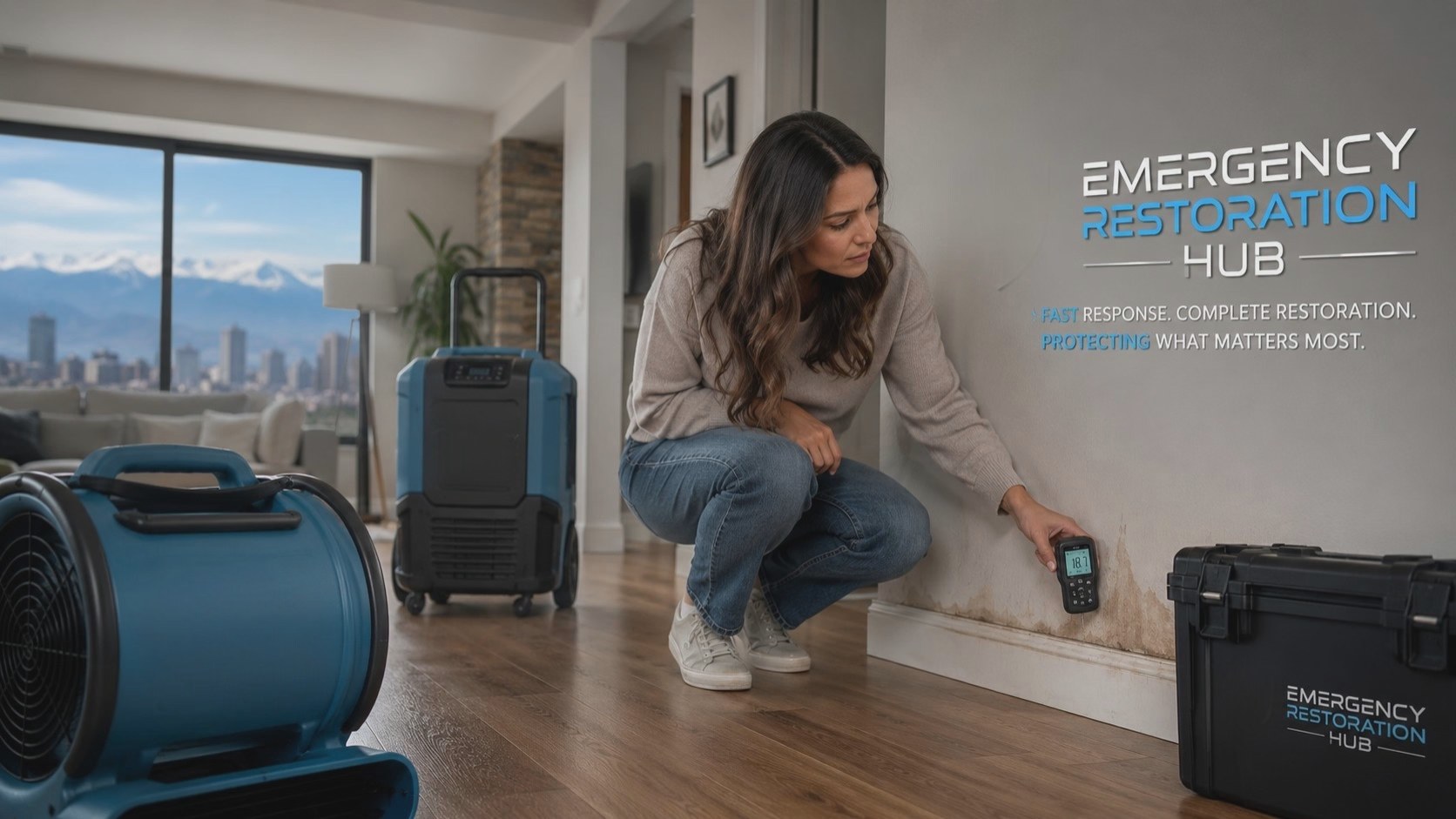
For most people, a home is the single largest investment they will ever make, and in Denver, water damage can come from more than just a plumbing leak. A slow leak under a sink, a failed water heater, melting snow, a spring storm, or a roof weakened by Colorado weather can quietly compromise materials and value if the problem is not caught and handled quickly.
The encouraging part is that protecting your investment from water does not require special expertise, just an understanding of how water behaves and a willingness to act fast when it appears.
Why speed is everything
The cost of water damage is largely a function of time. Within hours, water wicks into drywall, flooring, and framing. Within 24 to 48 hours, mold can begin to grow.
A leak addressed the same day might cost almost nothing; the same leak ignored for two weeks can mean replaced floors, opened walls, and a remediation bill many times larger. Every hour you shave off the response is money kept in the value of your home.
What to do when you find water
- Stop the source. Close the fixture’s shutoff valve, or the main, and protect against any electrical hazard.
- Remove standing water quickly with a wet/dry vacuum, towels, and mops.
- Dry aggressively. Run fans and a dehumidifier, and get air moving under rugs and behind wet furniture.
- Document the damage with photos before you clean up, for your insurance claim.
- Watch for what you can’t see. A musty smell or soft flooring days later means moisture went deeper than the surface.
Know your home’s weak points
Most water damage starts in predictable places: under sinks, behind washing machines and dishwashers, around water heaters, at tubs and toilets, and wherever the roof and gutters meet Denver’s changing weather. In Colorado, snowmelt, hail, heavy rain, and freeze-thaw cycles can all expose weak spots around the roof, siding, foundation, and exterior drainage.
Outside, make sure the ground slopes away from the foundation and that downspouts carry water several feet from the house.
When to bring in professionals
A small, clean spill caught early is a do-it-yourself job. But water from a contaminated source, moisture that has spread into walls or subflooring, or any sign of mold calls for help. Professionals have the moisture meters and thermal imaging to find water hidden in the structure and the drying equipment to remove it properly, before it turns into rot or mold.
Bringing in a qualified water damage restoration company quickly does two things for your investment: it limits the immediate damage, and it ensures the structure is dried correctly so a hidden problem does not resurface months later to lower your home’s value at exactly the wrong moment, like when you are getting ready to sell.
Owning a home means accepting that water will test it sooner or later. The owners who protect their investment are simply the ones who respond quickly, dry thoroughly, and fix causes rather than symptoms. Treat every leak as urgent, and an ordinary mishap stays ordinary instead of becoming the most expensive surprise of your year.