
Whether you’re a buyer walking through your dream home or a listing agent trying to close before the end of the quarter, foundation problems can bring the whole process to a halt. Few phrases in a home inspection report create more anxiety than reading about possible structural movement. But not every crack is a crisis, and not every foundation issue kills the deal. Knowing what matters and what doesn’t can keep a transaction on track, save your client thousands of dollars, and prevent a lot of stress.
Here are five foundation red flags every agent and buyer should know how to spot, and what they actually mean.
1. Wall and Floor Cracks
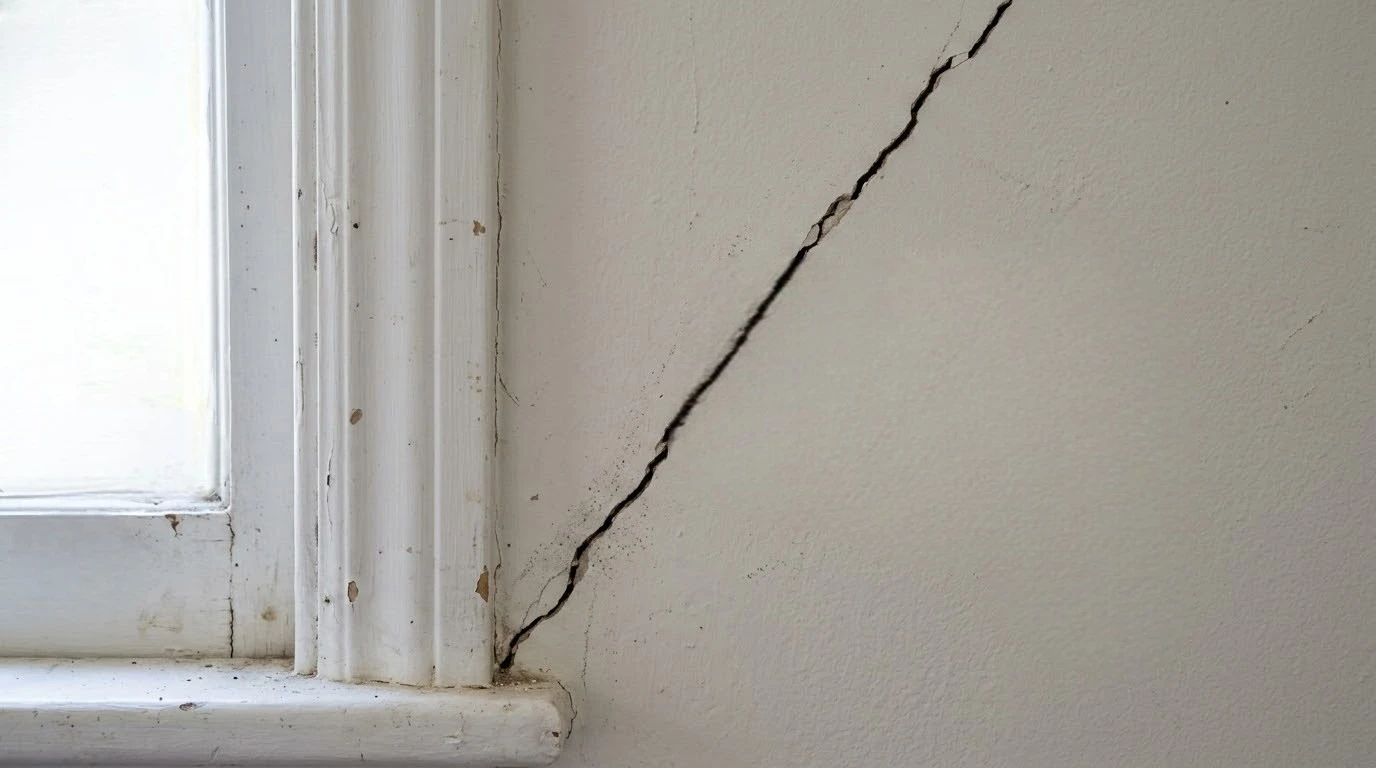
Every home settles. That hairline crack above a doorframe in a ten-year-old house is probably nothing to worry about. However, some cracks can point to bigger issues.
Watch for these patterns:
- Hairline cracks less than a sixteenth of an inch wide in drywall are usually cosmetic, especially if they follow the seams of drywall sheets.
- Diagonal cracks radiating from the corners of windows and doors can signal differential settlement, which means one part of the foundation is moving more than another.
- Horizontal cracks in basement or below-grade walls are the most serious. They can indicate lateral pressure from soil pushing against the wall.
- Floor cracks wider than a quarter inch, especially in a slab foundation, should be checked by a professional.
Multiple cracks spreading across the same wall or room can be a sign that the foundation is shifting.
2. Sticking Doors and Windows as Warning Signs
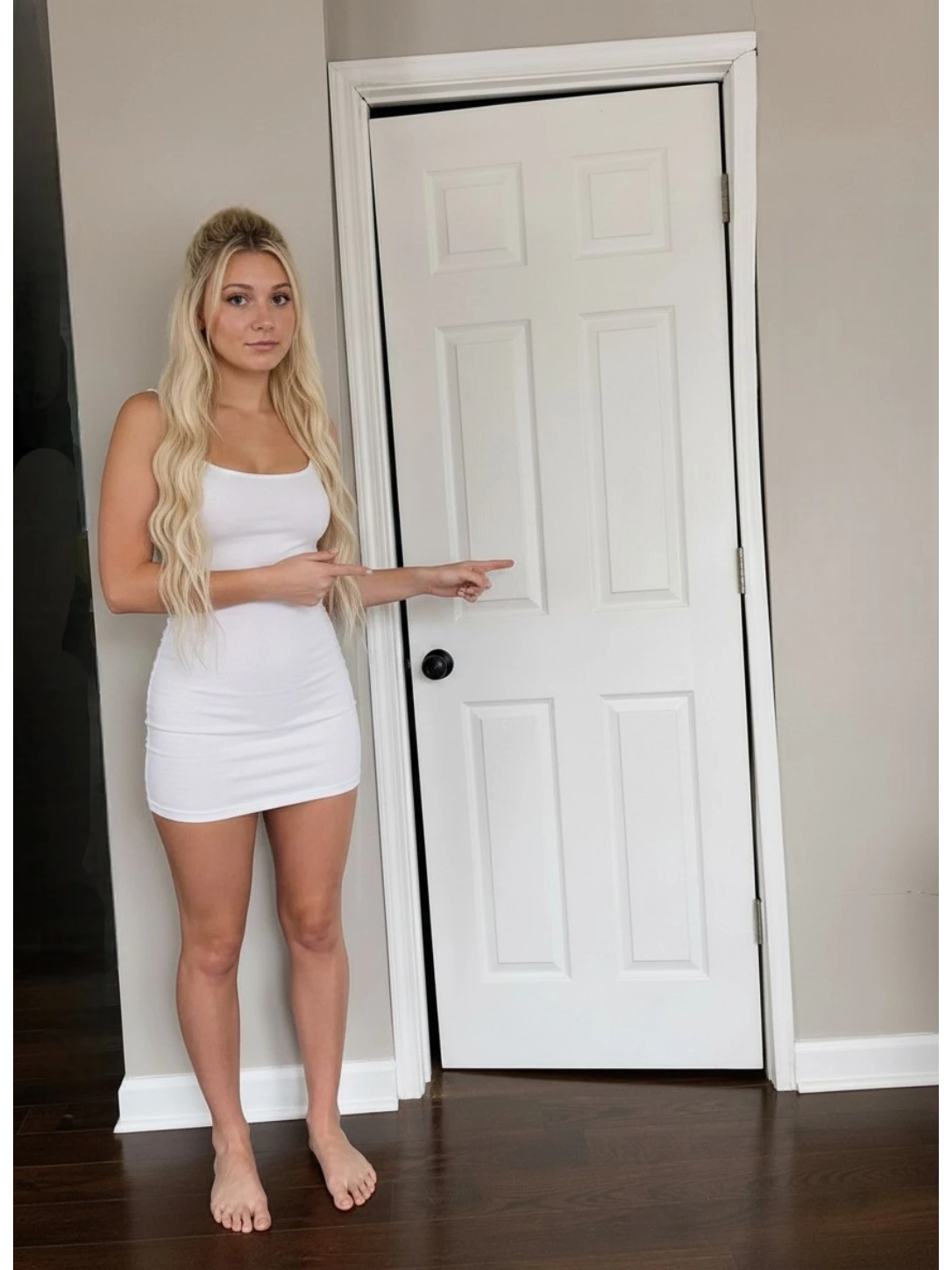
Most people blame humidity or an old house for doors that won’t latch or windows that suddenly get hard to open. Sometimes, they’re right. But when multiple doors and windows stick at the same time, especially on the same side of the house, the real problem could be the foundation.
Foundation movement shifts the frame of the house, even slightly. That shift throws door and window frames out of square, which is why they stick, swing open on their own, or won’t close flush.
Pro tip
Open and close every single door during your walkthrough. If two or three on the same wall give you trouble, make a note of it. This is one of the earliest signs of foundation shifting.
3. Uneven or Sloping Floors
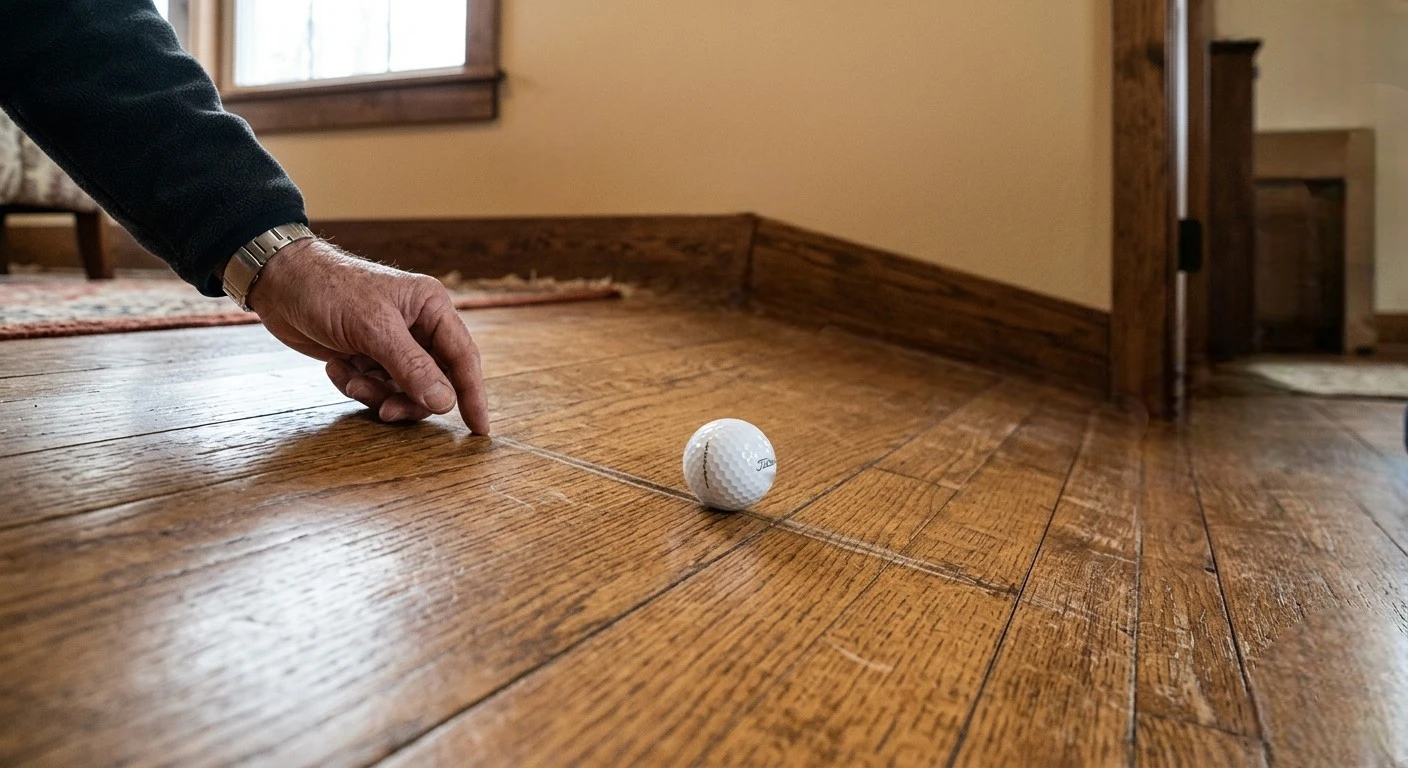
Try the marble trick: Set a marble or a golf ball in the center of the room. If it rolls steadily toward one wall, the floor is sloping. You can also use a four-foot level because a drop of more than a quarter inch over four feet is worth investigating.
Sloping floors are common in older homes across Oklahoma and North Texas, where expansive clay soil is a major factor. This type of soil swells when it absorbs moisture and shrinks during drought, creating a seasonal push-and-pull on foundations that can gradually shift a slab or pier-and-beam system out of level.
It doesn’t always mean disaster, but it does mean a foundation professional should take a look before anyone closes the deal.
4. Gaps Between Walls and the Ceiling or Floor
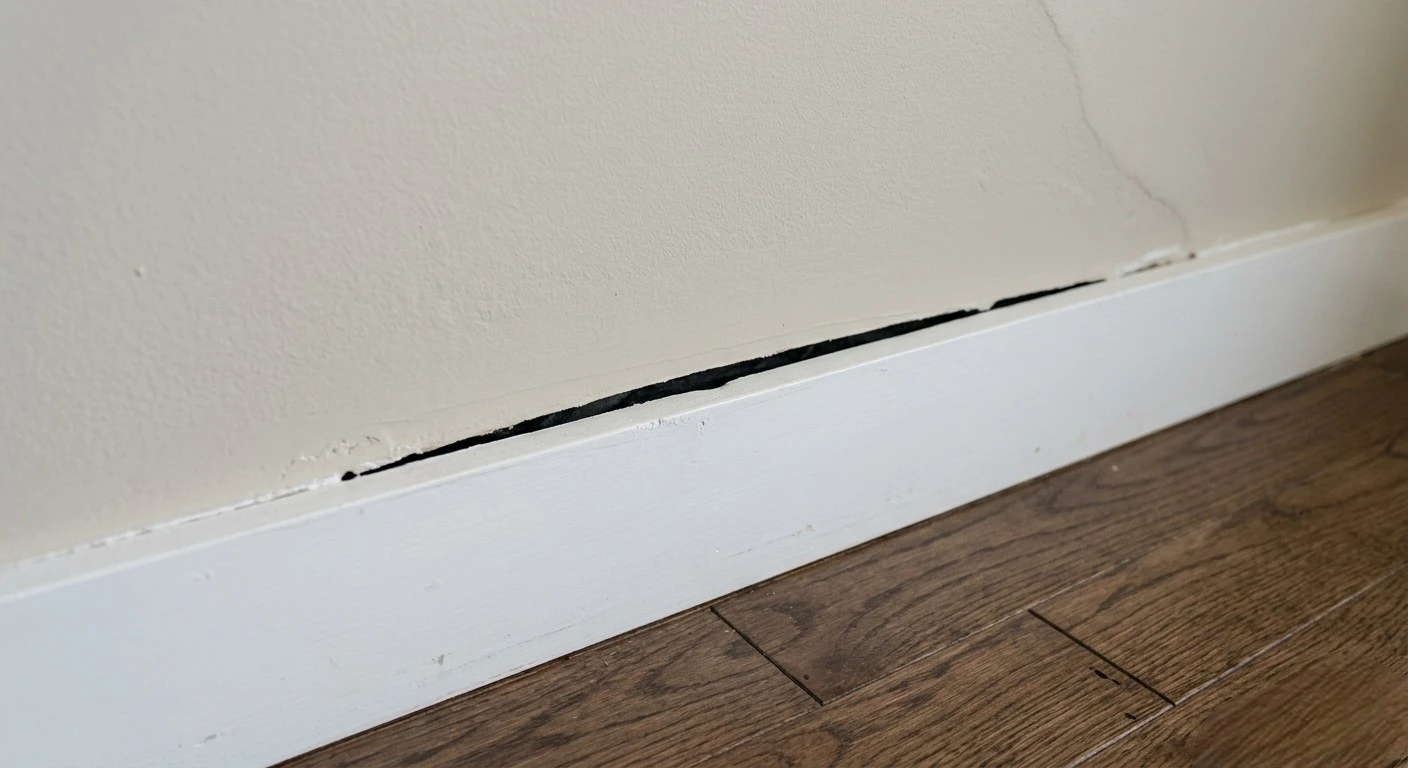
When you start noticing gaps where the wall meets the ceiling, or where baseboards are pulling away from the floor, that’s more than a cosmetic flaw. These separations usually mean the structure is moving in different directions, with walls pulling away from the frame or the floor settling while the walls stay in place.
Keep an eye out for:
- Crown molding separations that appear along the ceiling line.
- Baseboards pulling away from the wall, especially if you can see daylight or feel airflow.
- Gaps around built-in cabinetry where kitchen and bathroom cabinets are no longer flush with the wall.
These signs often show up gradually, which is why sellers sometimes miss them or ignore them. A trained eye during a showing can catch issues that the current owners have simply gotten used to.
5. Exterior Brick Cracks and Stair-Step Patterns
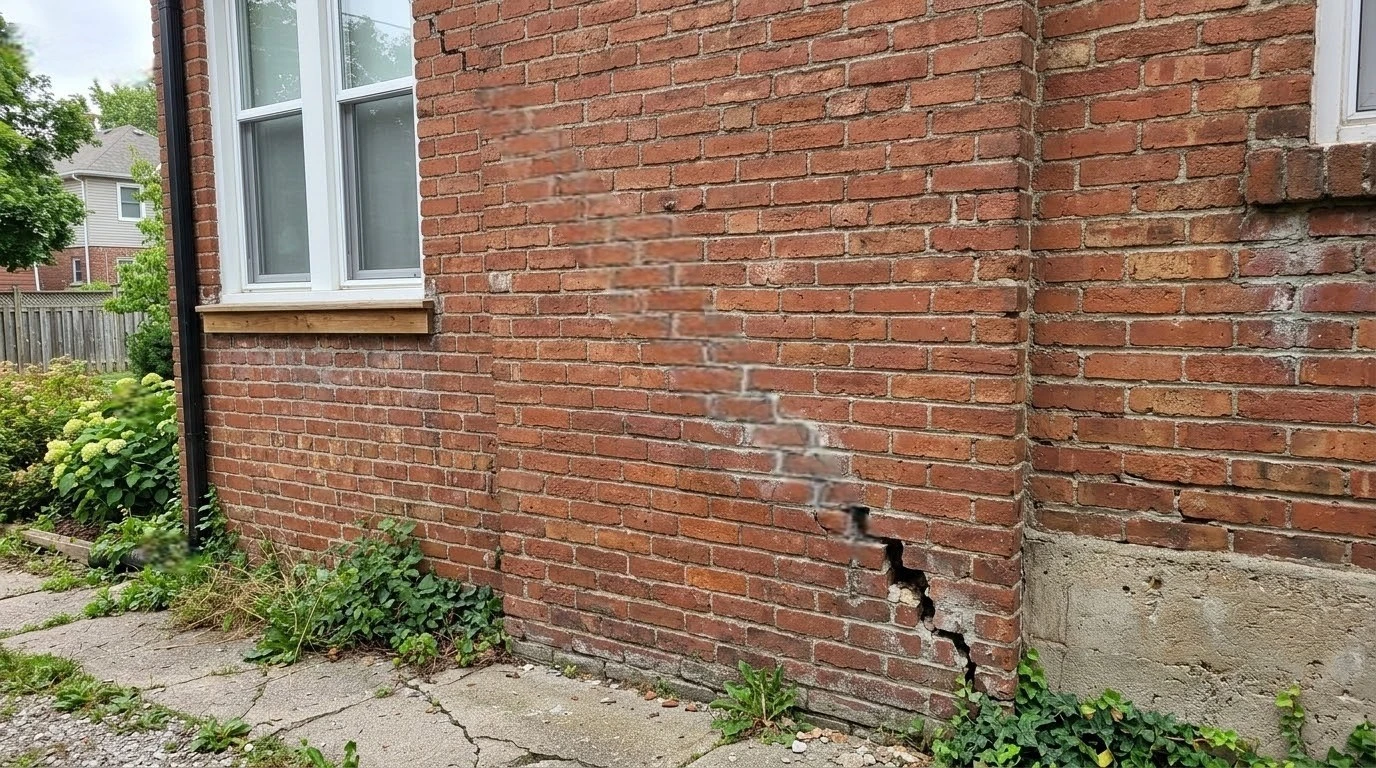
If you’re doing a walkthrough and see a crack zigzagging along the mortar joints of an exterior brick wall, especially one that climbs like a staircase, take note. This is a classic stair-step crack and one of the most reliable exterior signs of foundation movement.
Other warning signs include:
- Brick pulling away from window or door frames, with visible gaps where caulk has failed or the brick has shifted.
- Separation at corners where two exterior walls meet and are no longer flush.
- Crumbling mortar joints concentrated in one area rather than evenly weathered.
When the foundation beneath it moves, the brick has no choice but to crack. That makes exterior masonry one of the clearest indicators of foundation health.
Why This Matters for Sellers Too
If you’re listing a home and you suspect foundation issues, getting ahead of the problem is almost always the best move. A pre-listing foundation inspection removes the guesswork for buyers and takes away some of the leverage a buyer’s inspector might use to renegotiate your price down or walk away entirely.
Many sellers do not realize that foundation repairs done by a reputable company often come with a transferable warranty, depending on the service. That means the warranty passes to the new owner at closing. For a buyer on the fence, that can be a major selling point instead of a red flag. A repaired and warrantied foundation can actually be more reassuring than one that’s never been evaluated.
Don’t Let Fear Kill the Deal
Foundation issues don’t have to kill a deal. Uncertainty and repair-cost concerns are usually what kill deals. Getting a professional evaluation early, whether you’re buying or selling, puts everyone on the same page and keeps the transaction moving.
In markets across Oklahoma and North Texas, where clay soil affects foundations year-round, knowing what to look for can make a real difference. Learn to read the signs, bring in the right experts, and you’ll close more deals with fewer surprises.
About the Author:
Adam Sedlak is the owner of Level Home Foundation Repair in Tulsa, Oklahoma, specializing in foundation repair, crawl space repair, and concrete leveling. With years of hands-on experience helping homeowners and real estate professionals navigate foundation concerns across Oklahoma, Adam and his team are known for honest assessments and reliable solutions.
Reach them at (918) 361-7787 or visit www.levelhomefoundationrepair.com.