
- What Counts as Property Damage?
- What Rights Do You Have in a Dispute?
- 1. The right to legal action
- 2. The right to legal representation
- 3. The right to fair compensation
- 4. The right to a fair investigation
- 5. Filing a claim without intimidation or unfair pressure
- 6. Receiving a timely response from insurers
- 7. Independent assessments of the loss value
- 8. Pursuing recovery from the at-fault party
- How Courts View Property Damage Disputes
- Key Takeaways

Property damage often results from accidents, storms, or other unanticipated events. They can cause financial stress and an urgent need to rebuild or repair. Understanding your rights in these disputes can help you prevent delays, unjust treatment, and uncompensated losses.
Lawyers play an important role in protecting your rights. With the proper support, you can respond swiftly, deal with insurance effectively, and protect your claim without jeopardizing your future stability.
What Counts as Property Damage?

Property damage refer to the harm done to personal or real property. It includes the destruction of physical structures, cars, or valuables caused by catastrophes such as car accidents, fires, or natural disasters. In these cases, insurance companies often reimburse certain damages while disputing others.
Understanding what constitutes property damage allows you to determine what you can claim and where problems may develop. That clarity is the first step toward fair compensation.
What Rights Do You Have in a Dispute?
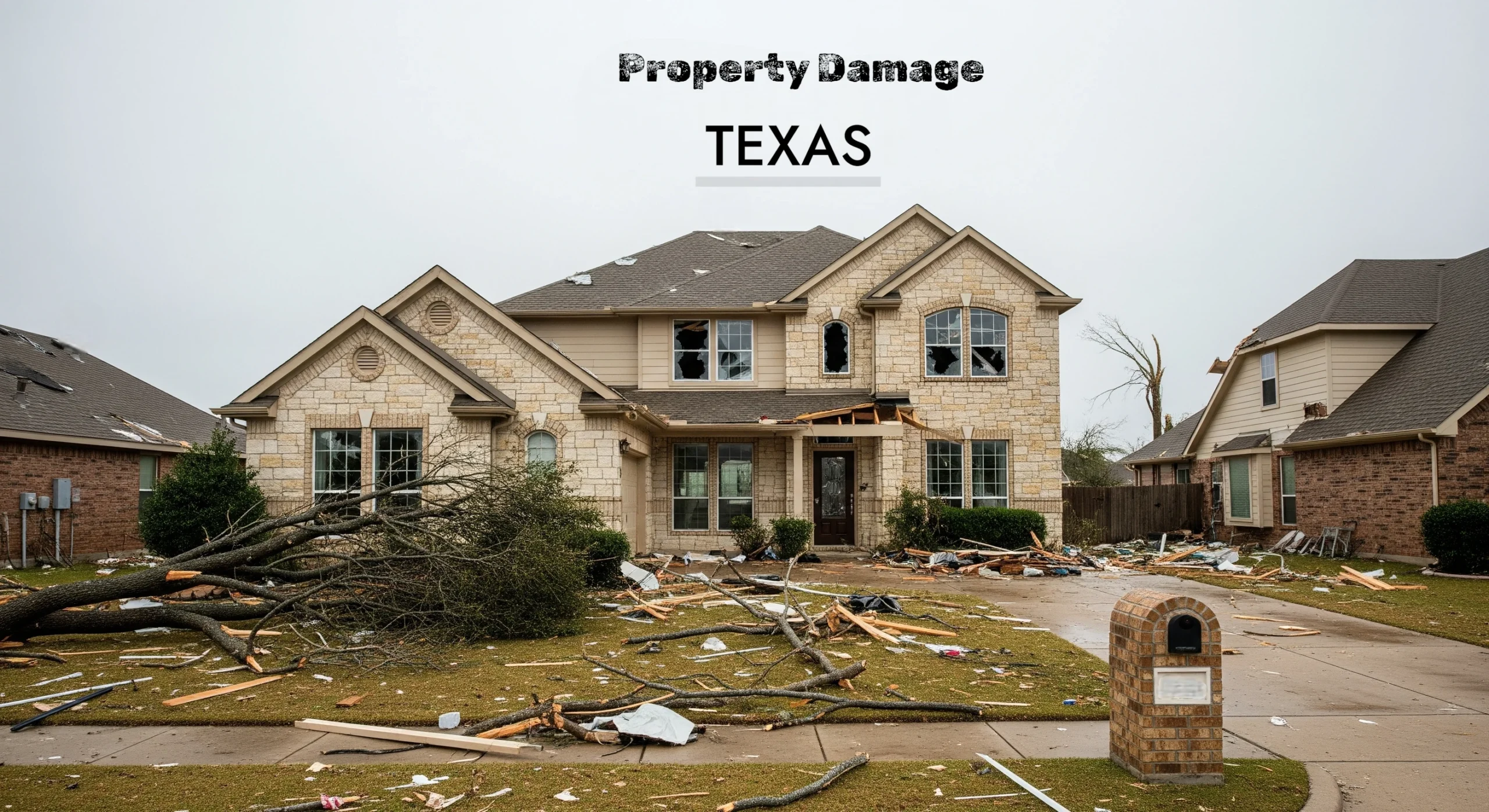
Your rights depend on the cause of the damage, insurance policies, and state laws. In most cases, you are entitled to:
1. The right to legal action
If negotiations with an insurer or responsible party fail, you are entitled to take the matter to court. This right ensures that unresolved disputes can be addressed before a judge or jury, where evidence and testimony can be fairly weighed.
2. The right to legal representation
You are never required to face a dispute on your own. A lawyer can guide you through paperwork, negotiate with insurers, and present your case if litigation becomes necessary. Having representation balances the power dynamic between you and insurance companies or at-fault parties.
3. The right to fair compensation
You are entitled to pursue payment that reflects the true cost of repairs or replacement, not just what an insurer initially offers. Fair compensation covers not only the damage itself but may also include related expenses such as temporary housing or loss of use.
4. The right to a fair investigation
Insurance companies and involved parties must investigate your claim thoroughly and without bias. A fair investigation means considering all evidence, including independent assessments, and not rushing to deny or undervalue your claim.
5. Filing a claim without intimidation or unfair pressure
You have the right to submit a claim without being threatened, discouraged, or pressured into accepting a lower payout. Insurers cannot retaliate against you for filing, even if your claim is later denied.
6. Receiving a timely response from insurers
Insurance companies must act within deadlines set by state law. They cannot delay their review indefinitely. You are entitled to clear updates about whether your claim is accepted, denied, or still under review.
7. Independent assessments of the loss value
If you believe an insurer’s estimate undervalues your damage, you can request an independent evaluation. This right protects you from being locked into one-sided numbers that benefit the insurer instead of reflecting actual repair costs.
8. Pursuing recovery from the at-fault party
Beyond your own insurer, you may seek compensation directly from the responsible party. That could be a negligent driver, a contractor whose work caused damage, or another party found legally liable.
These rights help keep the process fair, but only if you enforce them. A lawyer ensures those protections are respected.
How Courts View Property Damage Disputes
If settlement talks fail, the case may be presented in a court. Courts often decide whether the damage was caused by negligence or an inevitable accident. They also consider the value of the loss and whether insurance exclusions apply.
In some areas, comparative negligence regulations may limit your recovery if you are found partially responsible. Strong documentation and expert testimony often determine the outcome of these sessions.
Key Takeaways
Property damage disputes are stressful, but you are not powerless. By knowing your rights, collecting strong evidence, and seeking legal help when necessary, you increase the chances of fair compensation.
- Property damage can include vehicles, homes, and personal belongings
- Insurers may undervalue or deny claims
- Lawyers protect your rights in negotiations and court
- Evidence is critical for a fair outcome
- State laws and insurance policies shape your rights