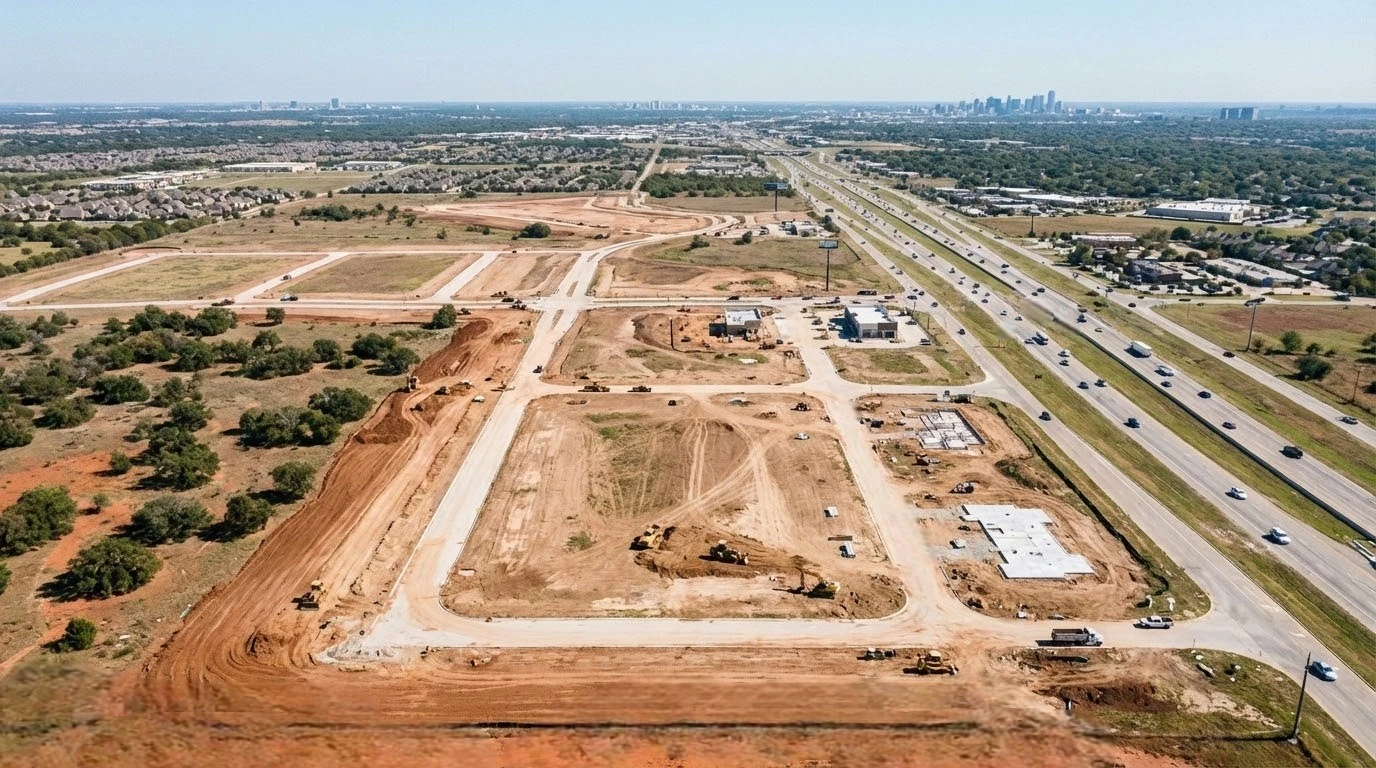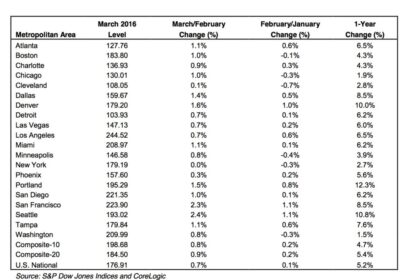
For decades, the homebuying checklist followed a reliable formula. You found something close to work, checked the school district, measured the square footage, and signed on the dotted line. Location meant proximity to your employer, and everything else was secondary.
That formula has been changing for a while, and the shift says a lot about how Americans live now. What buyers are putting at the top of the list reflects a different idea of what a good location really means in 2026.
Here is a look at the biggest shifts in buyer priorities and what they mean for the local real estate market.
The Lifestyle Migration and What a City Boom Really Means
Growth stats usually focus on how many people are moving in, and the numbers are genuinely striking. But the more useful story is what happens after people settle down and start wanting different things from where they live.
Some cities draw more people than others, and Austin is a clear example. The city ranks sixth nationally as a destination for millennial movers. More than 105,000 adults ages 25 to 44 moved there in 2024. As of 2026, Austin is home to more than 393,600 millennial adults. With the local tech sector stabilizing after years of rapid expansion, buyers are now looking for long term stability over quick flips.
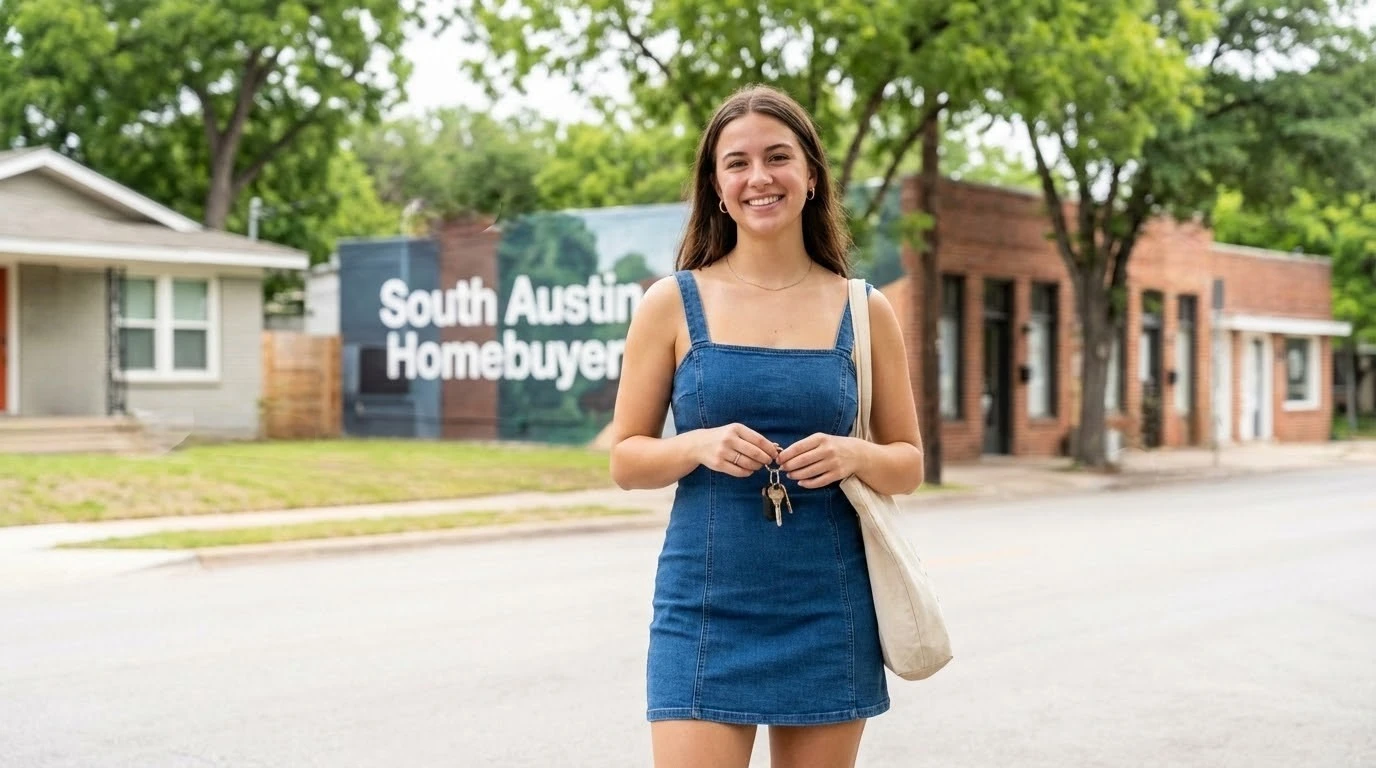
Many are drawn to South Austin established neighborhoods thanks to the culture, the food scene, and a sense of community that feels lived in. But as more of them buy homes, start families, and put down roots, their priorities change.
Sure, access to a great taco spot still matters, but so does knowing there is a reliable emergency room in South Austin. Some might call this a move toward more practical priorities, and we are seeing it play out across the entire metro area.
As Ally Medical Emergency Room puts it, emergencies do not wait for appointments. That kind of reality shapes how people think about where they live. This is one more sign that as millennials stay in places like Austin longer, everyday support systems matter more in the home search.
Millennials who made cities like Austin home in their twenties are not necessarily looking to leave. They want the city to grow with them and provide the family support and safety net that fit this stage of life.
The Commute Isn’t King Anymore. Community Is.
For most of the twentieth century, real estate advice essentially boiled down to one golden rule. You had to buy near where you work. Proximity to employment shaped everything from suburban growth patterns to the price premiums buyers paid for neighborhoods inside city limits. Now, with remote and hybrid work, that logic matters less, and the numbers make that clear.
According to the National Association of Realtors 2025 Profile of Home Buyers and Sellers, 59 percent of buyers ranked the quality of the neighborhood as their top factor, while 45 percent prioritized proximity to friends and family. By contrast, only 34 percent said convenience to their job was a top consideration.
What stands out about that friends and family number is that it does not get enough attention as a reason people move. A lot of population growth gets framed around affordability or remote work flexibility. But a meaningful part of it comes down to wanting to live closer to the people who matter most.
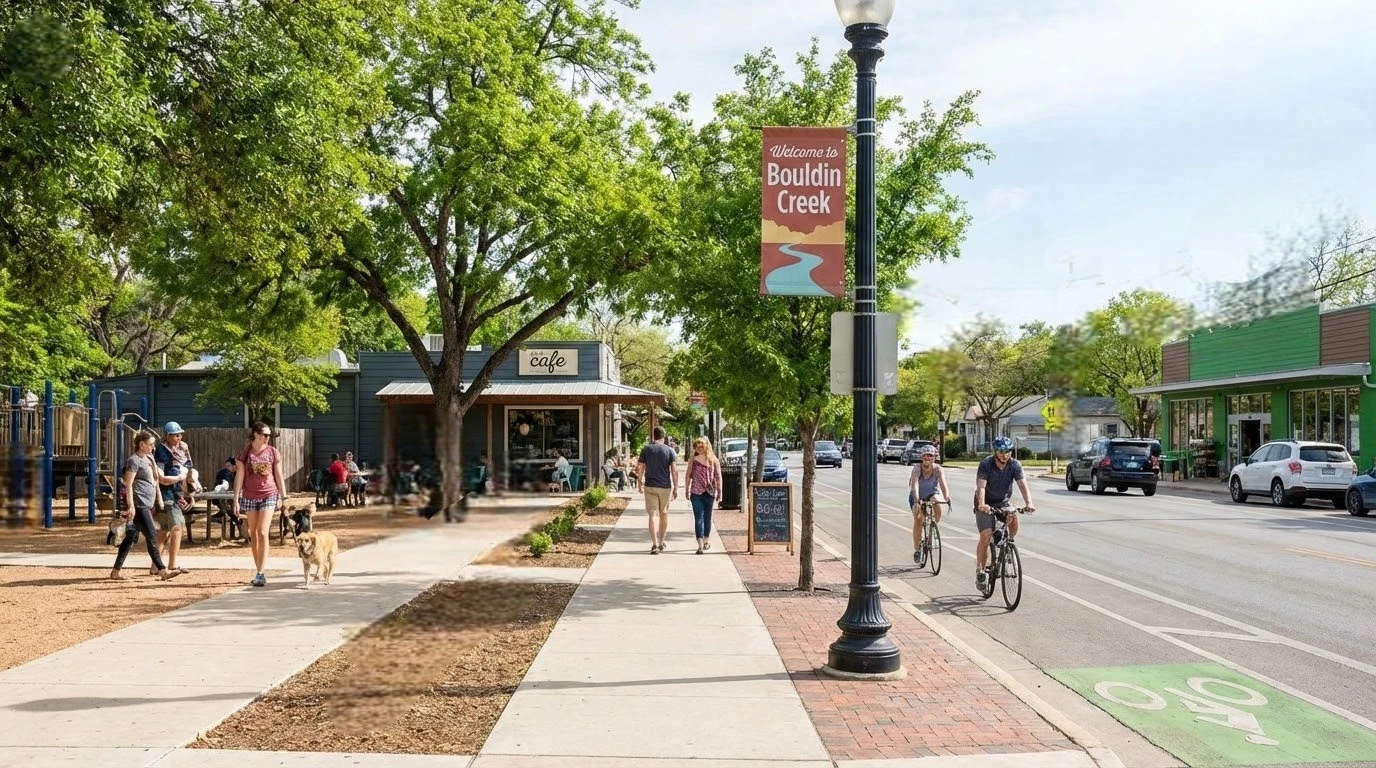
Today, buyers are evaluating a neighborhood as a core piece of their everyday life instead of just a place on the map. They are asking whether it supports the life they actually want to live rather than just the career they currently have. As a result, social infrastructure and a sense of neighborhood identity have become part of what buyers are shopping for alongside the home itself.
Climate Risk Has Moved From Fine Print to Front Page
For years, climate risk sat quietly in the background of most purchase decisions. It showed up in the fine print of insurance disclosures and FEMA flood maps but rarely made or broke a deal. These days, it is becoming important enough to be discussed alongside mortgage rates and school ratings.
A national poll of one thousand American homeowners by Kin Insurance found that nearly half say climate related risks could lead them to relocate. In addition, 93 percent are concerned that extreme weather could cause damage to their property within the next three years.
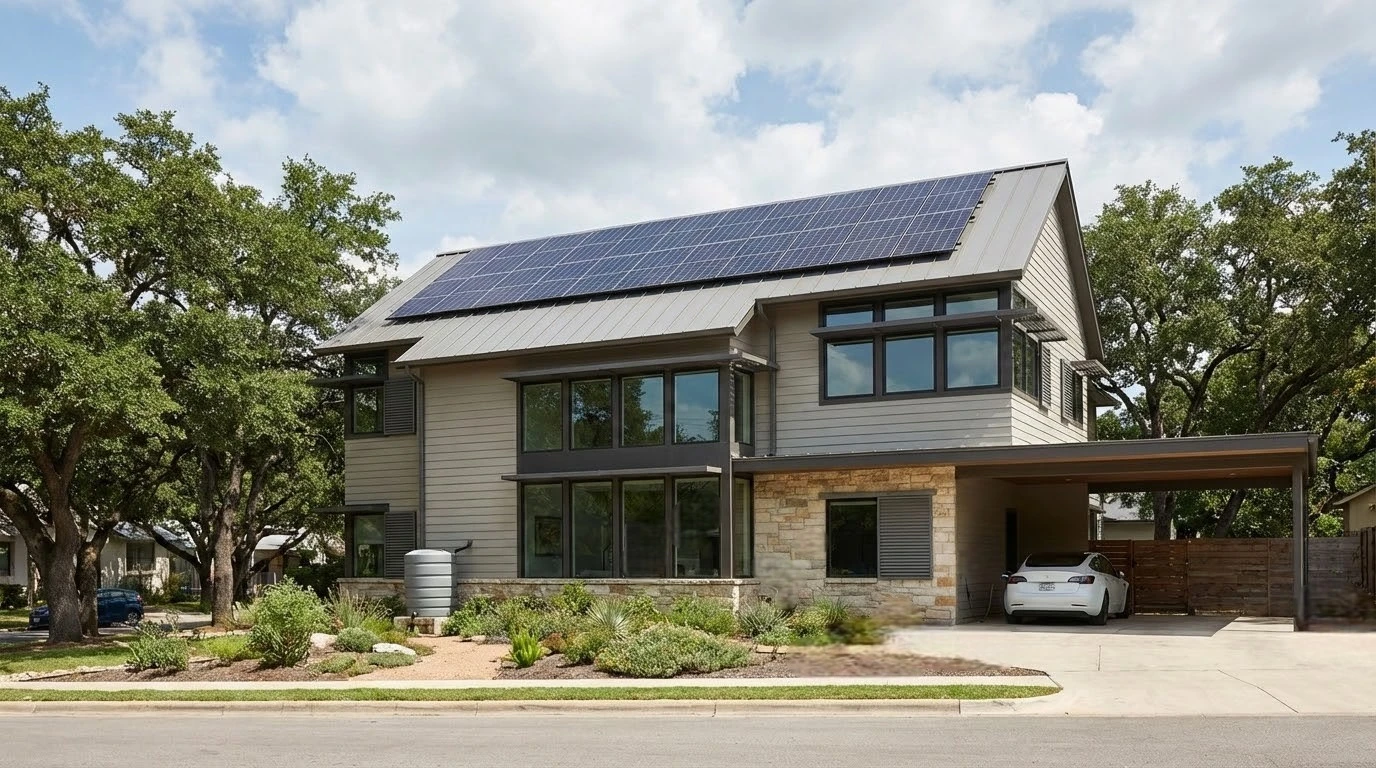
In Texas, where extreme summer heat and unpredictable winter freezes have strained the power grid in recent years, buyers are paying much closer attention to home resilience. Properties equipped with solar panels, upgraded insulation, or energy efficient windows are now standing out in the South Austin market.
That has made infrastructure resilience a real part of the home search. Buyers are actively asking about backup generators, pipe insulation, and proximity to emergency services.
At the same time, insurance premiums are now quietly taking certain zip codes off buyers lists. Some buyers find themselves priced out not by the mortgage itself but by what it costs to protect the home annually.
Frequently Asked Questions
1. How do I check if a home is in a high climate risk zone before buying?
Start with the FEMA Flood Map Service Center for flood risk, then use tools like Climate Check or Risk Factor by First Street Foundation. These score properties for flood, fire, heat, and storm risk. Your homeowners insurance quote will also tell you a lot, and an unusually high premium is usually a red flag worth investigating.
2. What amenities matter most to first-time homebuyers in 2026?
As expected, grocery stores and restaurants top the list. However, first time buyers in 2026 are also weighing proximity to urgent care, green space, and reliable internet service. Access to shops and everyday essentials within walking distance has also moved from a bonus to a baseline expectation for many buyers entering the market.
3. What neighborhoods in America are growing the fastest right now?
Today, areas like the suburbs of Fulton County, Georgia; Pinal County, Arizona; and the outlying areas around Fort Worth, Texas.. Affordable land, lower property taxes, and access to major metros without the big city price tag are driving much of this growth.
Ultimately, today’s buyers have expanded their definition of what counts as practical. Proximity to work has given way to proximity to community. Sellers, agents, and developers who recognize this are already adjusting how they position properties and how they talk about the neighborhoods surrounding them.
The buyers showing up in 2026 have lived through enough disruption to know that a home’s value is tied to the area around it. So when they make decisions with that in mind, it makes sense. They’re just trying to find the best match for their priorities.