When a major storm hits, it usually leaves homeowners with a lot more than just broken shingles and soggy drywall. Serious property damage can completely upend your daily life. On top of dealing with insurance claims and finding temporary housing, you might suddenly face a really tough choice between selling the home as is or spending time and money to fix it up.
In 2025, many homeowners found themselves struggling with that exact choice after a brutal year of severe weather. According to Environment America, a massive wave of thunderstorms, tornadoes, and hailstorms swept across Texas, the Midwest, and the central United States. States like Missouri, Arkansas, Illinois, Indiana, Mississippi, and Alabama actually saw 182 tornadoes in May alone.
Selling a damaged house might sound like a nightmare, especially since people usually assume it will only attract lowball offers from bargain hunters. That is not always true. You can still get a fair price if you list it correctly and stay totally upfront about the condition. The goal is not to pretend the damage never happened. Instead, you want to highlight the property’s remaining strengths and show buyers its future potential.
Get a Professional Damage Assessment
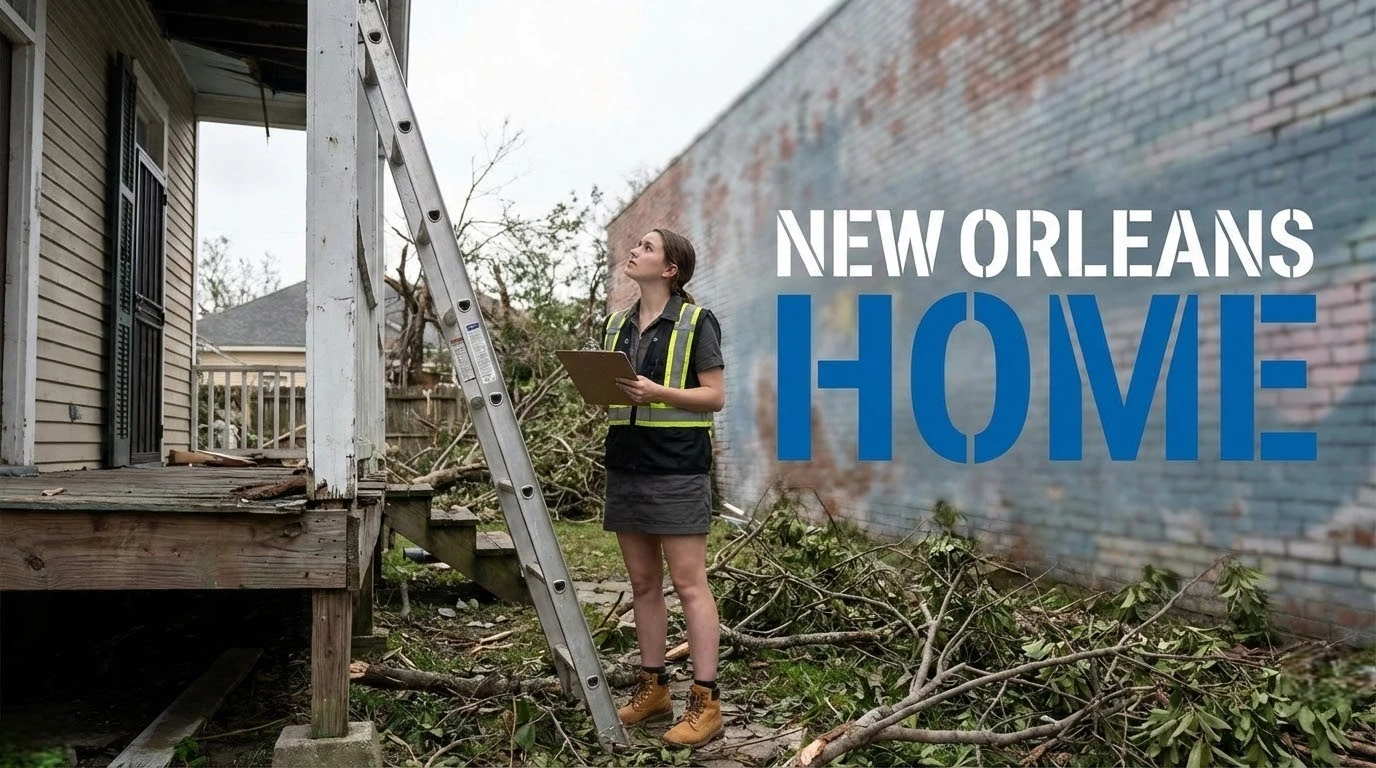
Before making any choices about pricing or repairs, you need to know exactly what you are dealing with. Calling a disaster restoration and cleaning company is usually the best first step. These pros can pump out standing water, dry out the property, and tackle any mold or lingering odors before they get worse.
According to Disaster Masterz, fast cleanup prevents further structural decay and gets the property ready for a formal inspection. Once the initial mess is cleared out, you should hire a licensed home inspector or a general contractor to look at the roof, siding, windows, and foundation. They will also need to check the electrical and plumbing systems for any hidden water damage.
Make sure to document everything with dated photos, written reports, and contractor estimates. Having this paperwork handy helps with insurance payouts, buyer negotiations, and showing serious house hunters exactly what they are taking on. Ask your inspector which repairs are absolutely necessary for safety, mortgage approval, or just making the home livable. This usually means structural or electrical fixes. Cosmetic issues can usually be left for the next owner to handle.
Compare the Costs of Repairing Versus Selling As Is
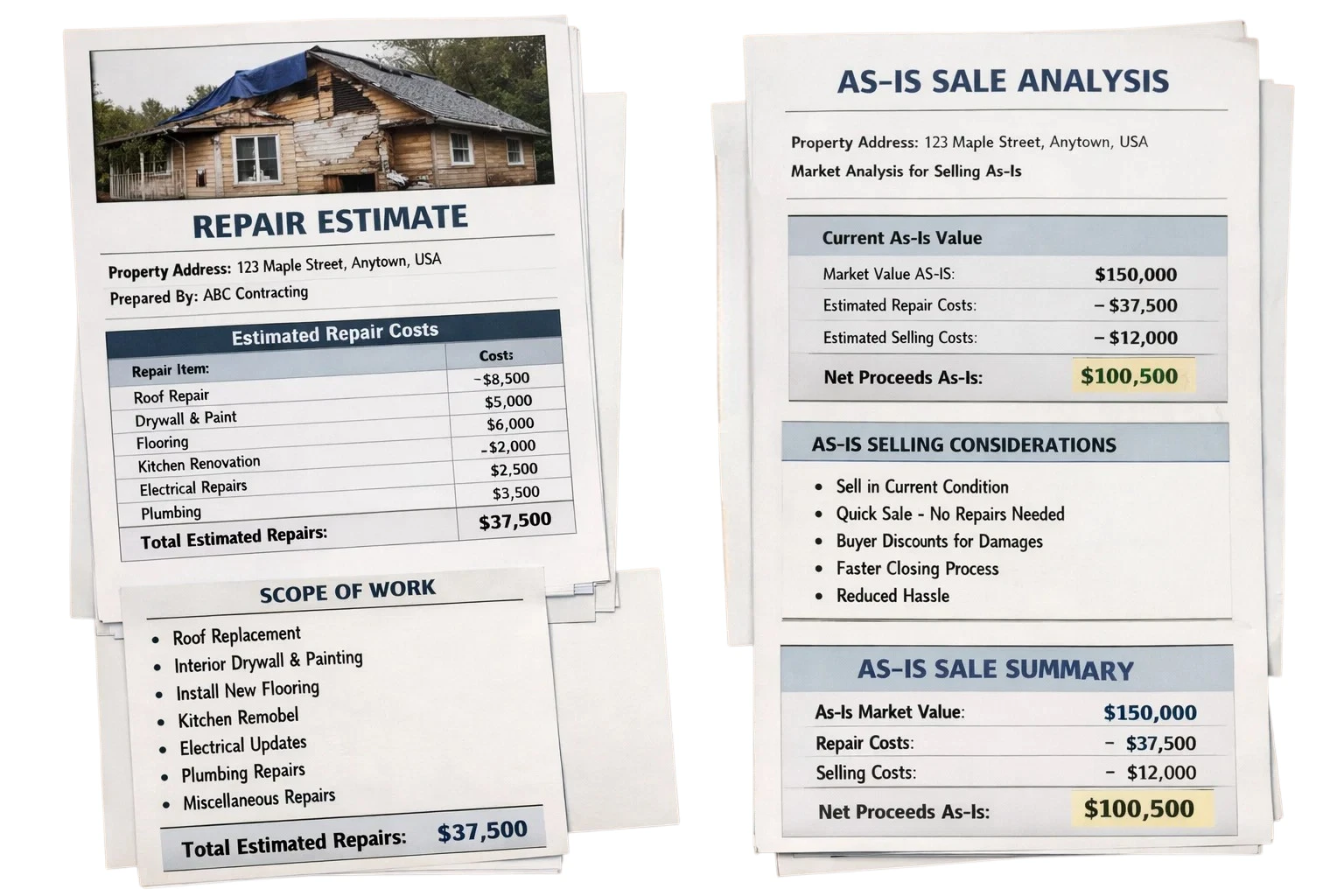
Once you know the full extent of the damage, compare the cost of fixing the home versus selling it strictly as is. According to WTOP News, common storm damage like missing shingles, torn siding, damaged gutters, and broken glass can add up incredibly fast.
To decide whether to fix the property or sell it as is, start by figuring out what the home would be worth in perfect condition. In real estate, this is known as the After Repair Value or ARV. Look at recent local sales of similar undamaged homes, then subtract your expected repair costs and selling expenses.
Real estate investors typically follow the seventy percent rule, meaning they will not pay more than seventy percent of the ARV minus repair costs. Keeping this formula in mind can help you set realistic expectations. You should also get a solid as-is valuation from a real estate agent who actually knows the local market for distressed or storm-damaged properties.
Once you have hard numbers, compare what you would actually walk away with in both scenarios. Consider the financial outcome alongside the time and stress of each option. Repairs can mean weeks or months of living in a construction zone, constantly managing contractors, and paying for unexpected surprises. Selling as is might bring in less cash up front, but it offers a much faster and more certain exit.
Prioritize Full Transparency
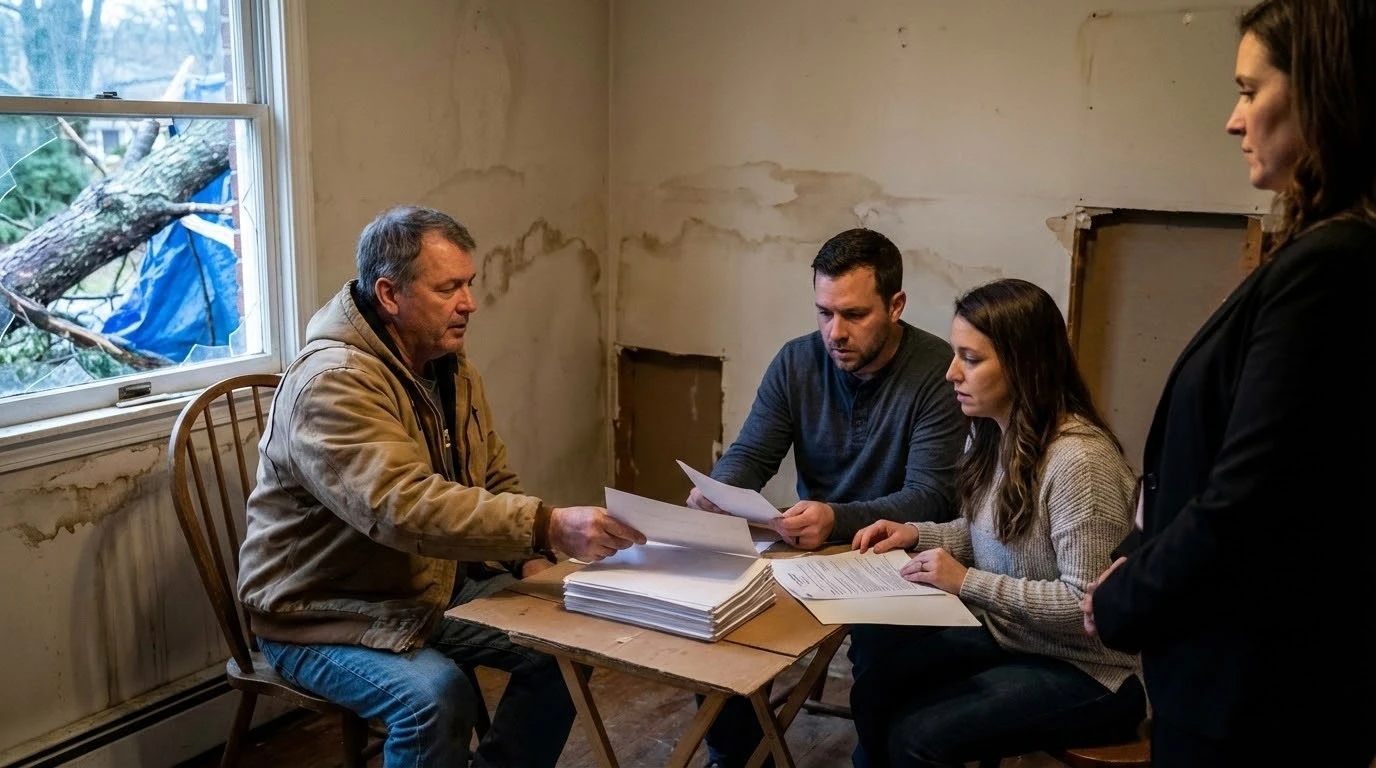
Disclosing major issues to a buyer is simply good business according to Homes and Rentals. Being completely upfront builds immediate trust, while trying to hide serious problems can easily lead to lawsuits and ruin a potential sale.
Make sure to disclose all known damage, past flooding history, insurance claims, and any unfinished repairs in writing. Buyers and their mortgage lenders are going to find out about these issues during the inspection phase regardless. Handing over your inspection reports, contractor estimates, and engineering letters proves you have nothing to hide and helps set realistic expectations right out of the gate.
Never try to cover up major problems with cheap cosmetic fixes. Trying to paint over water stains or hide structural cracks will only backfire. This behavior scares off serious buyers and opens you up to serious legal trouble down the road.
Target the Right Buyers
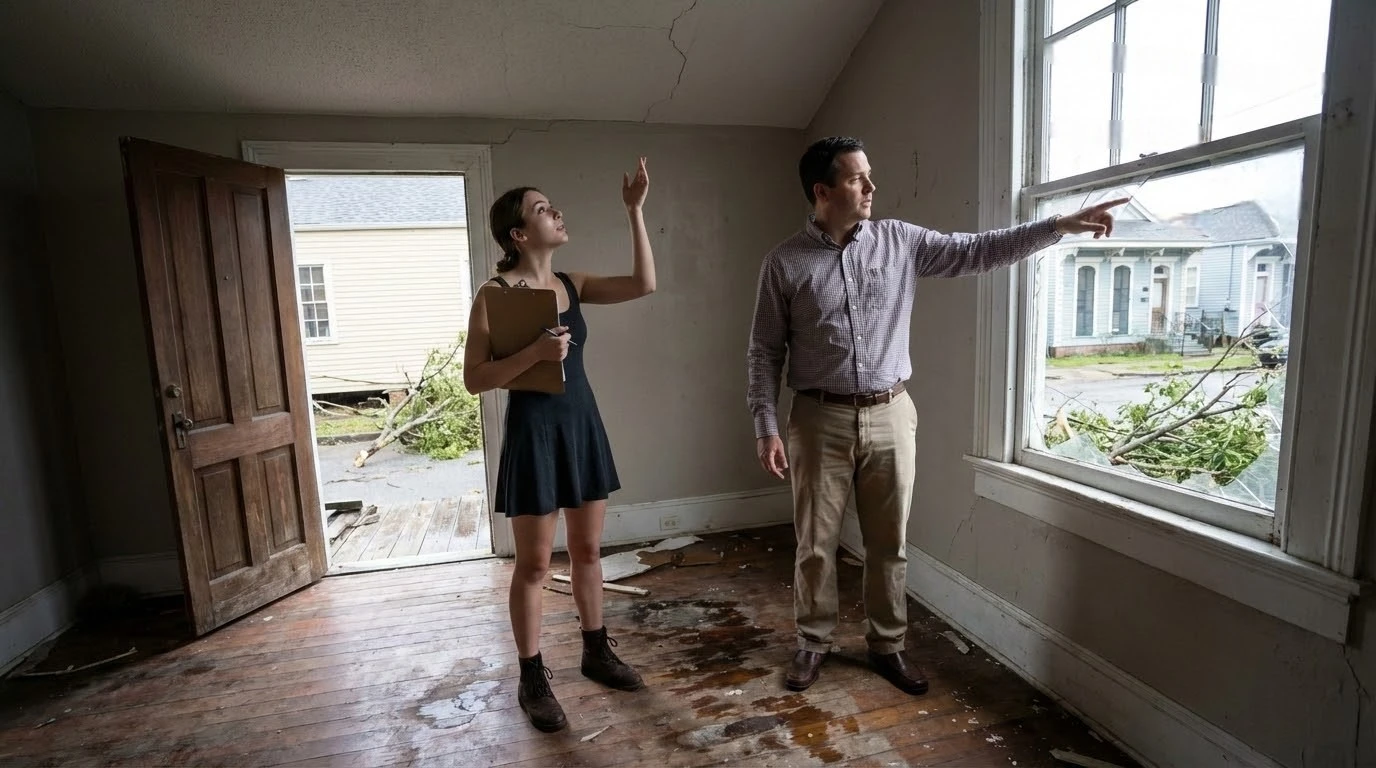
When selling a storm-damaged house, you really have to know your audience. A standard family looking for a move-in ready home is probably not a good fit. Focus instead on buyers who see potential where others see a headache. It helps to work with a real estate agent who has direct experience selling distressed or investor-grade properties and knows how to market them properly.
Cash buyers are generally going to be your best bet here. Investopedia notes that all-cash buyers made up nearly a third of all home sales in the first half of 2025. The data also showed that half of all homes priced above two million dollars were purchased with cash, while cash transactions accounted for about two-thirds of homes sold for under one hundred thousand dollars.
Beyond standard cash buyers, you should also target real estate investors, house flippers, and local contractors. Since you are marketing to people who buy homes for a living, you want to highlight the property’s upside. Emphasize things like:
- A highly desired neighborhood.
- A large lot size.
- Top-rated local schools.
- The raw potential for a fresh rebuild.
You can also offer seller concessions or price the home strategically to make the deal even sweeter for someone looking to fix and flip the property.
Plan for the Next Step
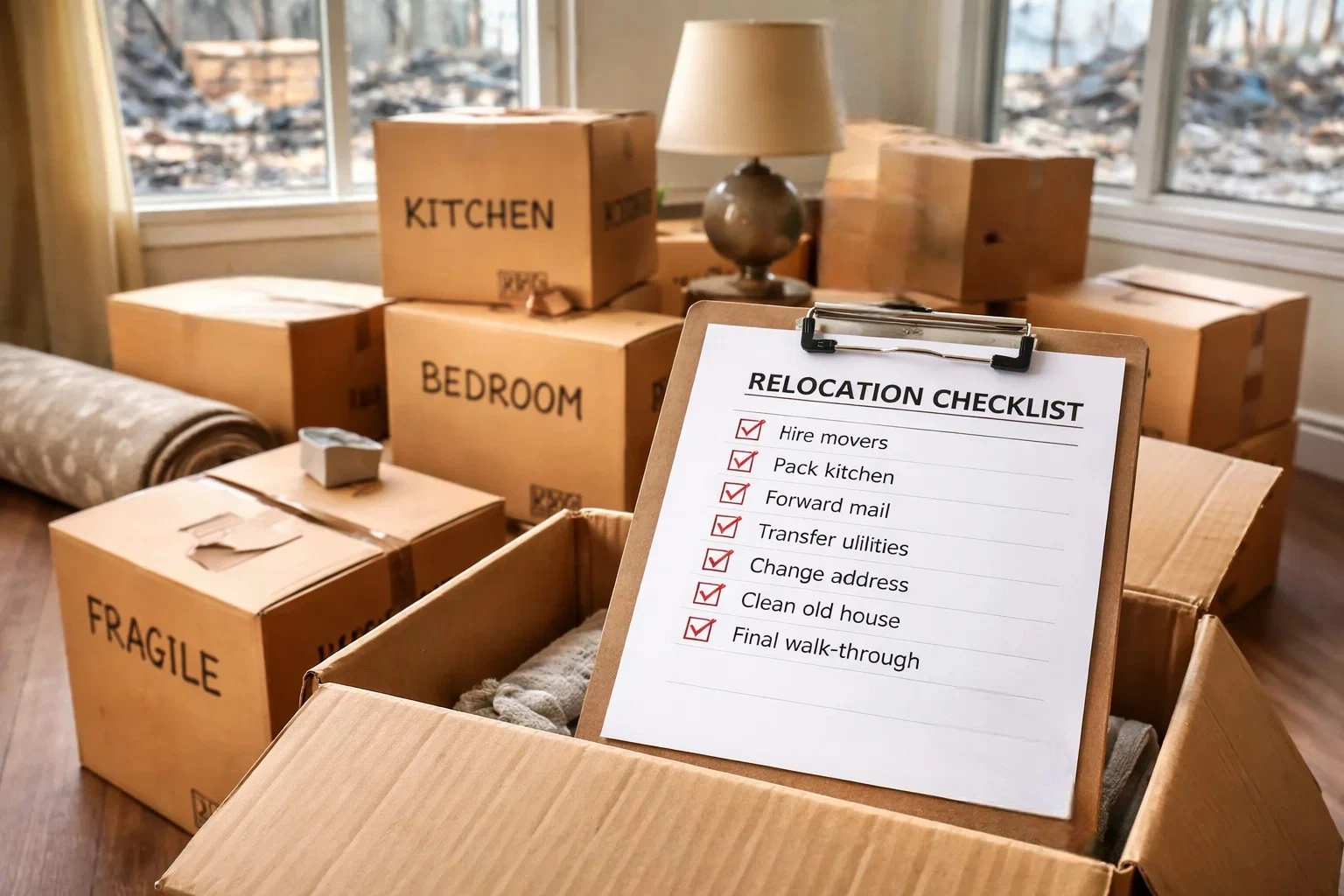
Knowing exactly what you want to do next helps you negotiate with confidence and prevents panicked decisions. Figure out your main priority right now. Decide if you care more about getting the highest possible price, closing fast, avoiding repairs entirely, or just freeing up cash for a new place.
Start planning your next living situation early, whether that means buying another house in New Orleans or relocating somewhere entirely different like Santa Rosa, California. It is also a smart idea to reach out to a moving and storage company early on. Redwood Moving and Storage notes that getting a quote and discussing your timeline in advance makes planning a local or long-distance move much easier. Handling the heavy lifting of logistics early takes a massive weight off your shoulders once the house officially closes.
Make sure to stay in close contact with your insurance adjuster regarding your payouts and temporary housing coverage. You need to know exactly how your policy benefits might change if you sell the home as is instead of fixing it. You should also talk to a mortgage lender about getting pre-approved for your next home.
They can give you solid advice based on your current loan balance, the pending insurance claim, and your credit score. All of these factors play a massive role in your future buying power.
Frequently Asked Questions About Storm-Damaged Homes
Common Examples of Storm Damage
Storm damage typically includes missing roof shingles, torn siding, shattered windows, and wrecked gutters. Inside the house, homeowners might notice interior leaks, brown ceiling stains, flooded basements, warped hardwood flooring, and rapidly spreading mold growth. Fallen trees, fried electrical panels, and HVAC units ruined by water intrusion or lightning strikes are also common.
How a Disaster Impacts Property Value
A major disaster like a severe storm or fire will almost certainly drop a home’s value in the short term, especially if the damage is left sitting untouched. However, thorough repairs, documented mold remediation, and strong local buyer demand can help the property completely bounce back in value over time.
The Most Essential Post-Storm Repairs
The most critical post-storm repairs are the ones tied to safety, structural integrity, and stopping further decay. This means prioritizing:
- Roof patching and leak prevention.
- Securing broken windows and exterior doors.
- Drying out water-damaged rooms.
- Fixing immediate electrical or gas hazards.
Tackling these specific fixes keeps the property secure from the elements and makes it significantly more appealing to future buyers.
Selling a storm-damaged home for a great price is about strategy rather than luck. By taking care of the most critical repairs, being completely honest about the condition of the house, and marketing directly to the right buyers, you can still secure a very strong offer. With the right plan in place, your damaged property does not have to be a financial burden. It can simply be the next step toward your future.