Retrofitting an older home can improve energy efficiency, increase comfort, and help extend the life of the building. Many older homes were built before modern insulation standards were common, which can lead to heat loss, higher utility bills, drafts, and uneven indoor temperatures. Homeowners who want to modernize these properties often look for durable solutions that do not require a full reconstruction.
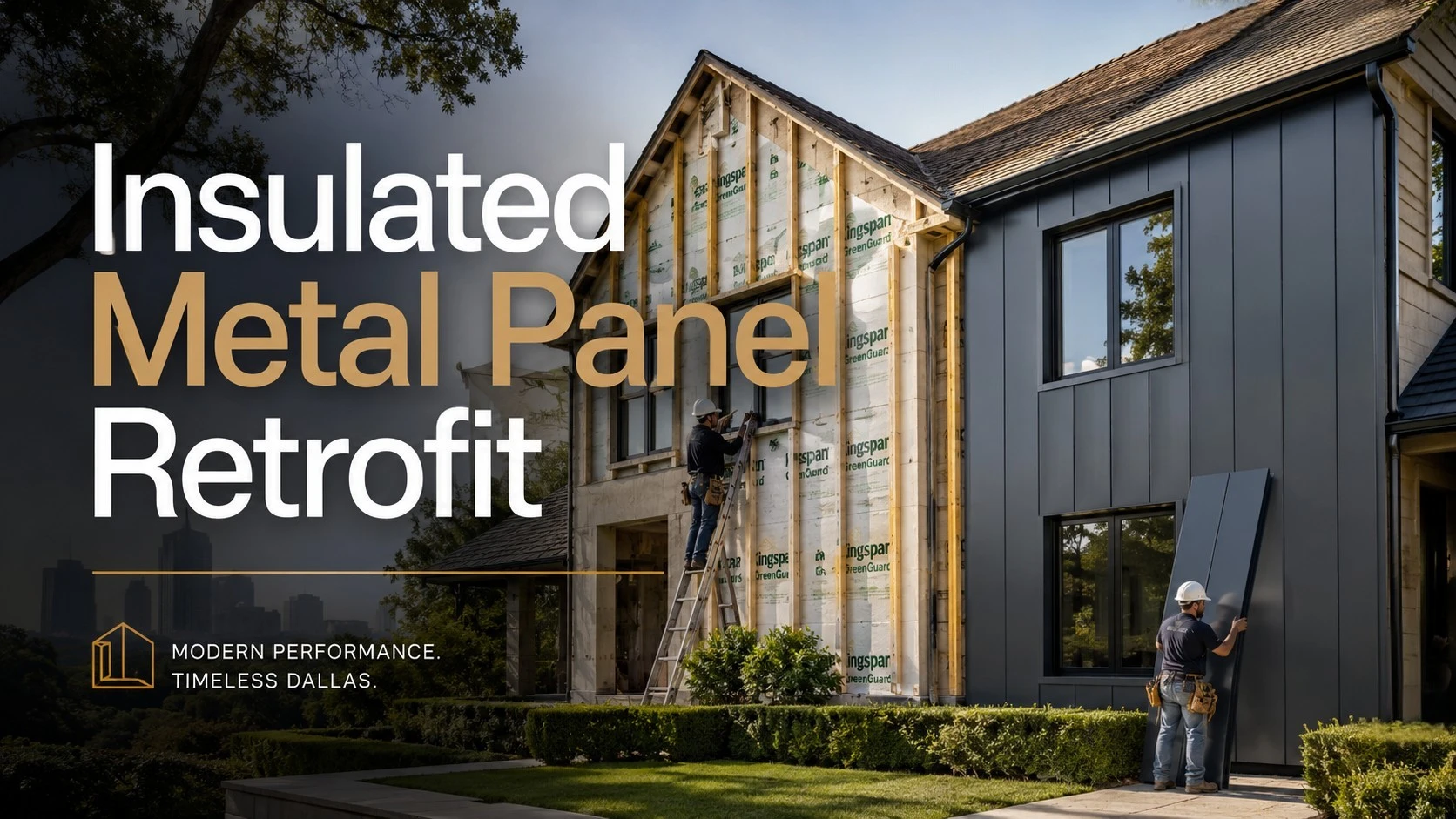
Insulated metal panels are one option for this type of retrofit. These panels combine metal exterior skins with an insulating core, creating a system that can improve thermal performance, weather protection, and the appearance of the home. When properly designed and installed, insulated metal panels can help turn an older house into a more efficient and durable property.
Assessing Existing Building Conditions
Evaluating the current condition of the home is the first step in any retrofit project. Older buildings may have moisture damage, worn siding, structural issues, or inadequate insulation. Identifying these problems early allows homeowners and contractors to make necessary repairs before installing new materials. A thorough inspection also helps prevent future issues that could affect the performance of the retrofit.
It is also important to understand how the home was originally built. Older homes often have framing systems, exterior finishes, and wall assemblies that differ from modern construction. By documenting existing conditions and taking accurate wall measurements, homeowners and contractors can create a retrofit plan that works with the structure instead of against it.
Planning the Retrofit Design
The design should reflect the homeowner’s energy goals, local building codes, climate conditions, and preferred exterior appearance. Choosing the right panel thickness, insulation value, and attachment method can improve energy performance while helping preserve the character of the property.
Designers should also pay close attention to windows, doors, roof edges, corners, and other transition points where materials meet. These areas are common sources of air leaks and water intrusion if they are not detailed correctly. Clear drawings, specifications, and installation guidelines help keep the project consistent from start to finish.
Preparing the Home Exterior
Once the design is complete, the exterior surfaces need to be prepared. Existing cladding may need to be removed if it is damaged, unstable, or incompatible with the new panel system. In some cases, siding can remain in place if it is secure, flat, and does not interfere with panel attachment. The best approach depends on the condition of the home and the recommendations of the project team.
Surface preparation may include repairing framing, sealing gaps, improving flashing, and addressing moisture-management details. Proper preparation creates a stable base for the new panels and helps the wall system perform as intended. Taking care of these details before installation can make the finished retrofit more durable and reliable.
Installing the Panel System
Installation usually begins with supports, attachment points, or framing components that secure the panels to the building. Accurate alignment is essential because even small errors can affect both the appearance and performance of the exterior. Professional installers use measurements, layout lines, and specialized tools to keep the panels level and properly positioned throughout the project.
Installers must also carefully seal joints, fasteners, and transitions to protect the home from air and water intrusion. Well-sealed connections help support thermal efficiency and weather resistance. Many homeowners are interested in insulated metal panels because they combine insulation and cladding in one system, which can reduce the number of separate materials used on the exterior.
Improving Energy Efficiency
Improved energy performance is one of the main benefits of using modern panel systems. Older homes often lose heat through poorly insulated walls, which can increase heating and cooling demand. Adding insulation with higher thermal resistance can reduce energy loss and help maintain more stable indoor temperatures.
Reducing air leaks is another major advantage. When properly installed, insulated metal panels can help create a more continuous exterior barrier around the home. This can reduce drafts, improve comfort, and support lower energy use over time. For many homeowners, these benefits make the retrofit a practical long-term investment.
Managing Moisture and Ventilation
Moisture control is critical in any exterior retrofit. Older homes may already have moisture-related vulnerabilities because of aging materials, outdated construction methods, or previous water damage. A successful wall design should direct bulk water away from the building while also allowing the wall assembly to manage moisture safely.
Ventilation also needs to be considered. A tighter building envelope can improve efficiency, but it may also require better ventilation to maintain healthy indoor air quality. Balancing insulation, air sealing, moisture control, and ventilation helps create a comfortable indoor environment while protecting the building from long-term damage.
Preserving Architectural Character
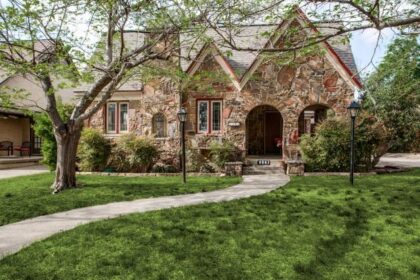
Many homeowners value the character of older homes and want to preserve that appearance during a renovation. Insulated wall panels are available in a range of finishes, textures, profiles, and colors, which gives homeowners flexibility when updating the exterior.
Design choices can help the new materials work with the home’s original features. Window trim, rooflines, porch details, and other architectural elements should be considered during the retrofit plan. With the right design approach, homeowners can improve performance without losing the visual identity of the property.
Conclusion
Retrofitting older homes with insulated metal panels can improve energy efficiency, comfort, durability, and exterior protection. A successful project starts with a careful assessment of the building, followed by thoughtful planning, proper preparation, and skilled installation.
By focusing on insulation, moisture control, air sealing, and ventilation, homeowners can create a more efficient home while preserving its original style. When done correctly, this type of retrofit can add long-term value and improve the everyday performance of an older property.