- 1. How Old Is the HVAC System and What’s Its Maintenance History?
- 2. How Efficient Is the System According to SEER, SEER2, AFUE, or HSPF
- 3. Has the System Been Regularly Serviced?
- 4. Are There Any Known Issues Like Leaks, Compressor Failures, or Electrical Flaws?
- 5. What’s the Condition and Layout of the Ductwork?
- 6. Is the Home Zoned or Are Multiple Units Installed
- 7. Was the HVAC System Installed by a Licensed Pro and Properly Permitted
- Quick Tips for Buyers and Sellers
- Final Thoughts

Texas heat doesn’t wait. It presses in early and lingers late. The air gets heavy, the windows stay sealed, and ceiling fans do their best but fall short. That’s when HVAC systems quietly takes over, often overlooked, but always essential.
Comfort in Texas starts here. A home that cools quickly and stays consistent through the day becomes more than just comfortable. It becomes functional. It supports sleep, productivity, and every small routine that makes a house feel right.
This isn’t just about temperature. It’s about inspections. It’s about rising utility costs. It’s about making sure the biggest system in the house is one that won’t fail when it matters most. For buyers, that means asking smart, specific questions. For sellers, that means being ready with answers that show the system has been taken seriously.
1. How Old Is the HVAC System and What’s Its Maintenance History?
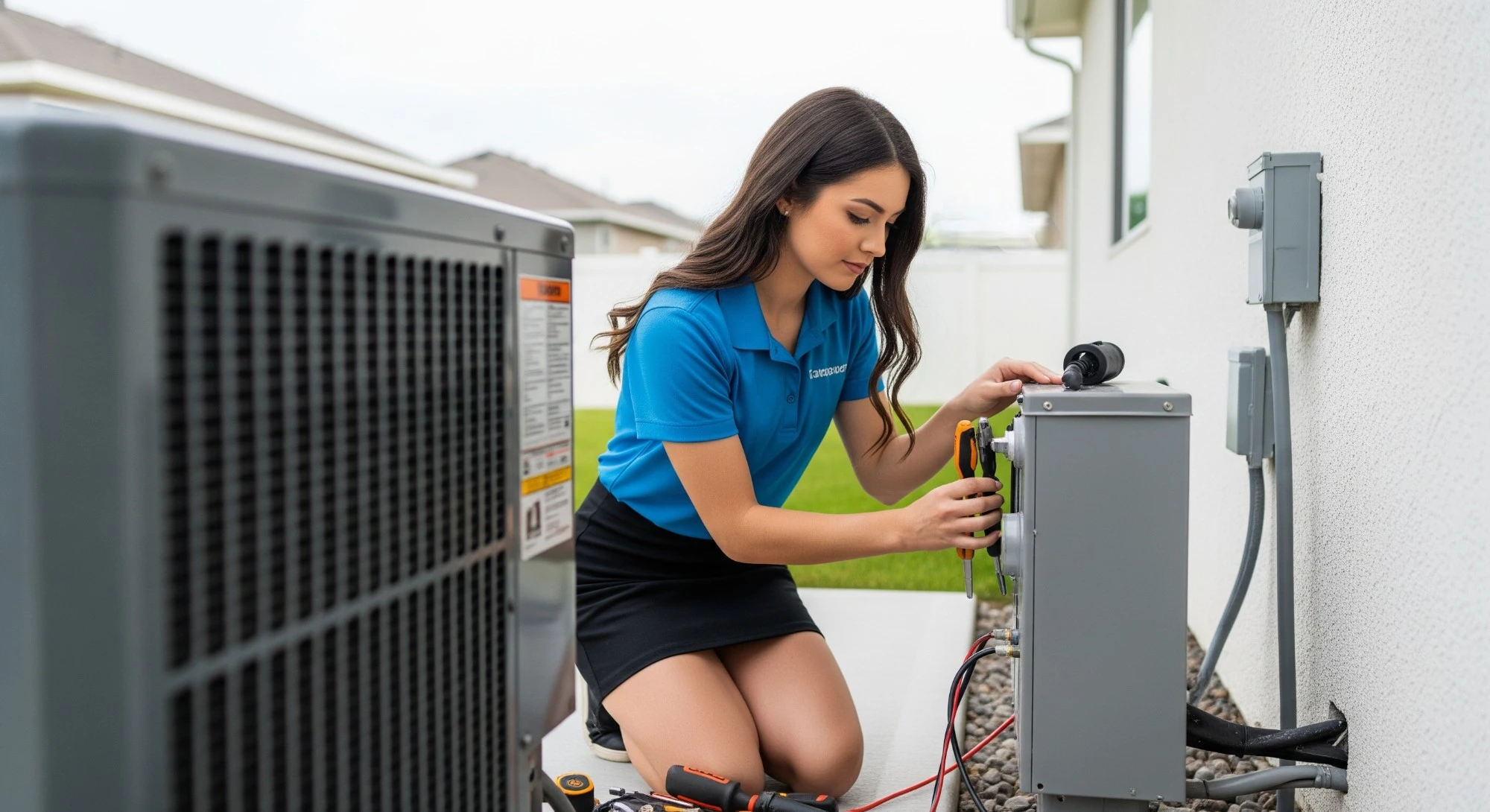
Most systems in the U.S. last between 10 and 15 years. In Texas, constant use can shorten that window, especially if the system hasn’t been serviced regularly.
Service records speak louder than words. A 12-year-old system with annual maintenance checks and clean filters can run better than a five-year-old one that’s been ignored. Documentation from licensed professionals provides confidence and clarity, whether you’re buying or renting a house. Not just for buyers, but for inspectors and lenders too.
2. How Efficient Is the System According to SEER, SEER2, AFUE, or HSPF
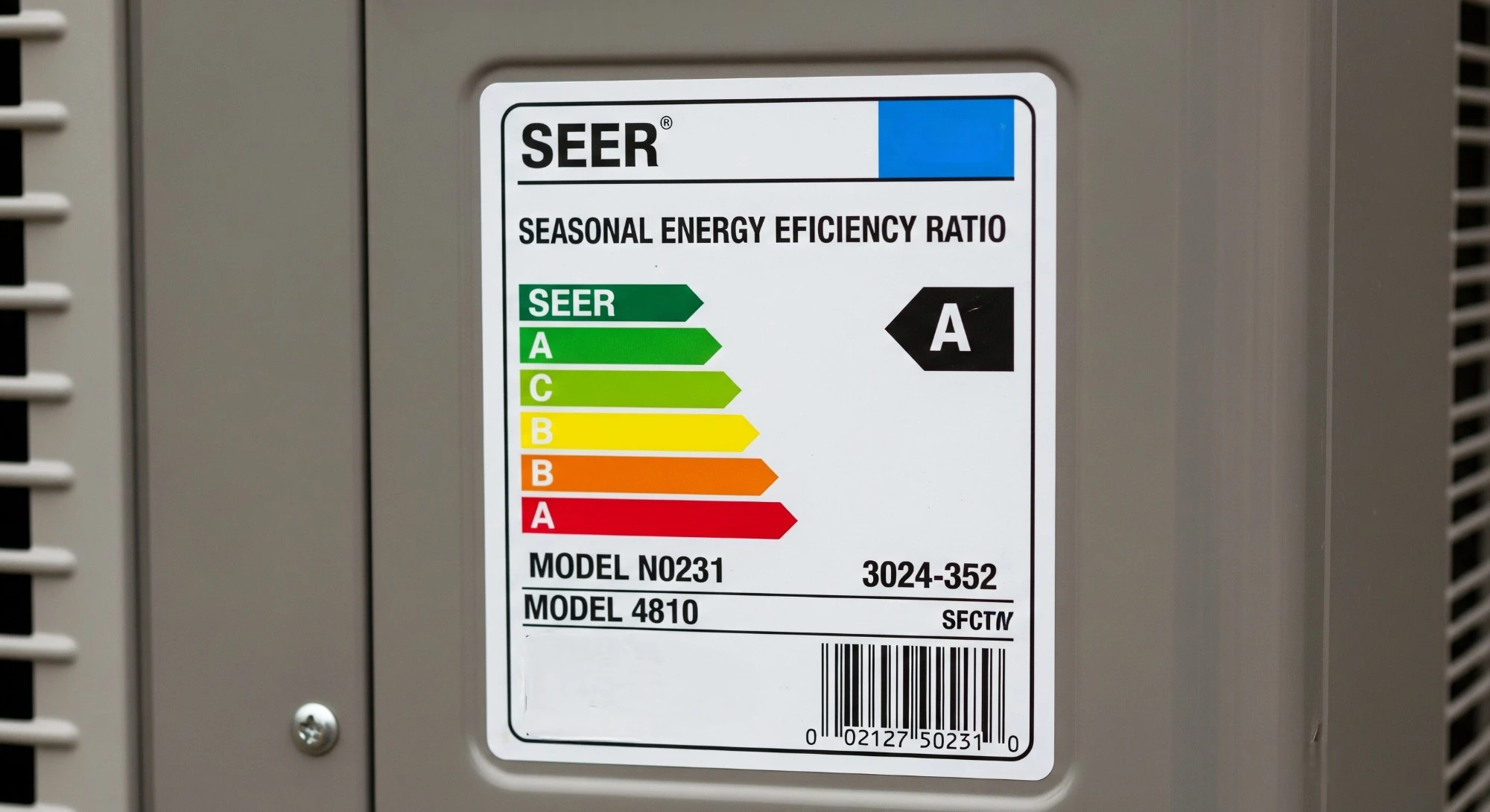
These ratings matter more than ever. Newer systems often come with higher efficiency scores, and that translates directly into lower monthly energy bills. In 2023, federal minimums for SEER ratings in the South moved up to SEER2 14.3, making older systems easier to spot.
SEER (Seasonal Energy Efficiency Ratio) is used for air conditioners, while AFUE (Annual Fuel Utilization Efficiency) measures furnace efficiency. HSPF applies to heat pumps.
3. Has the System Been Regularly Serviced?
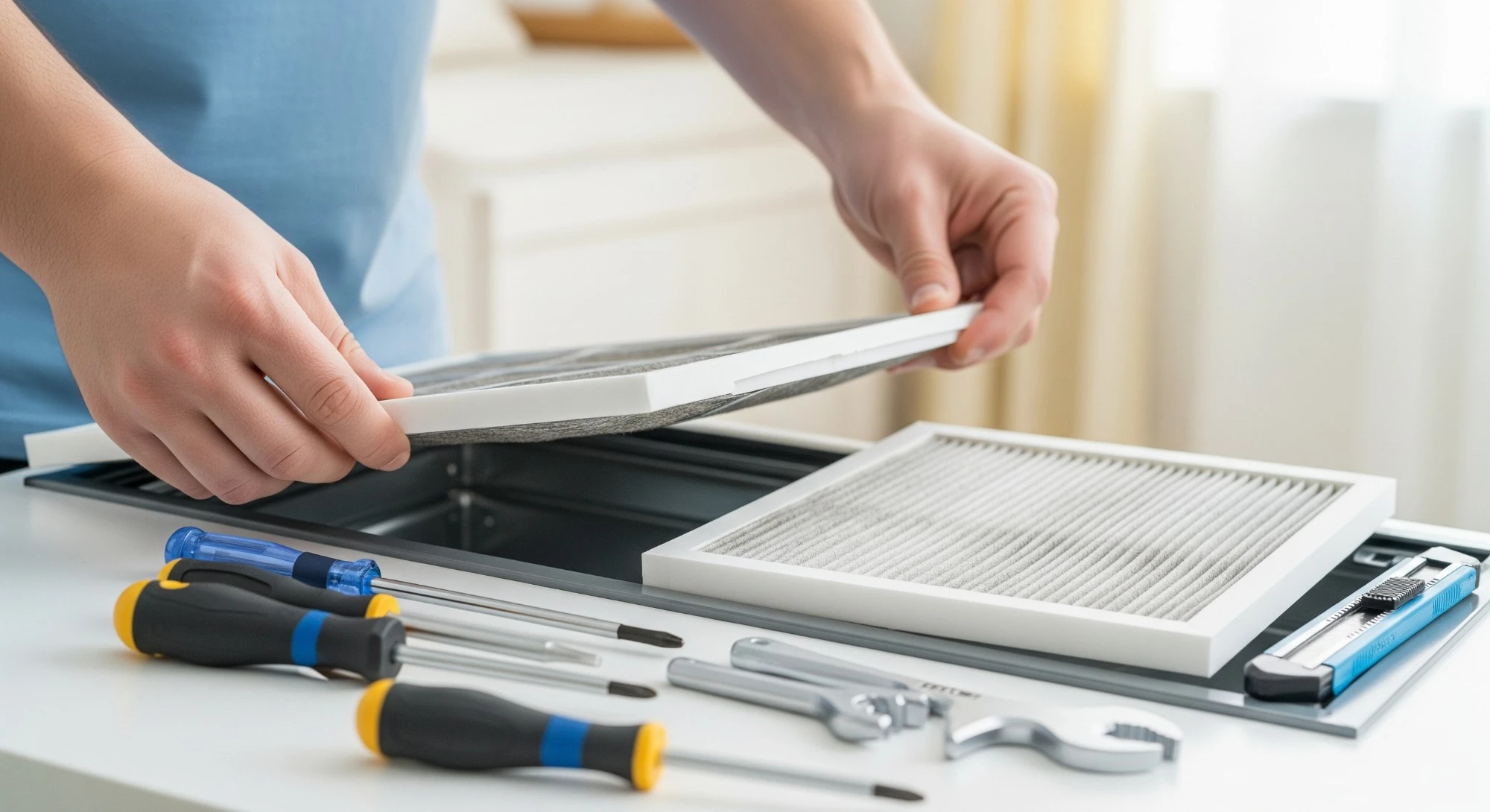
Consistent maintenance keeps systems efficient and safe. Tune-ups usually include filter replacements, refrigerant checks, thermostat calibration, and cleaning of internal parts like coils and blowers.
Without regular care, HVAC systems lose efficiency and break down faster. According to the Building Performance Institute, neglected systems can lose up to 15 percent of their efficiency. That’s not just a number. That’s money on the table every month.
Certified HVAC pros log service details that professionals show a system has been respected and cared for. Buyers will notice. So will inspectors.
4. Are There Any Known Issues Like Leaks, Compressor Failures, or Electrical Flaws?
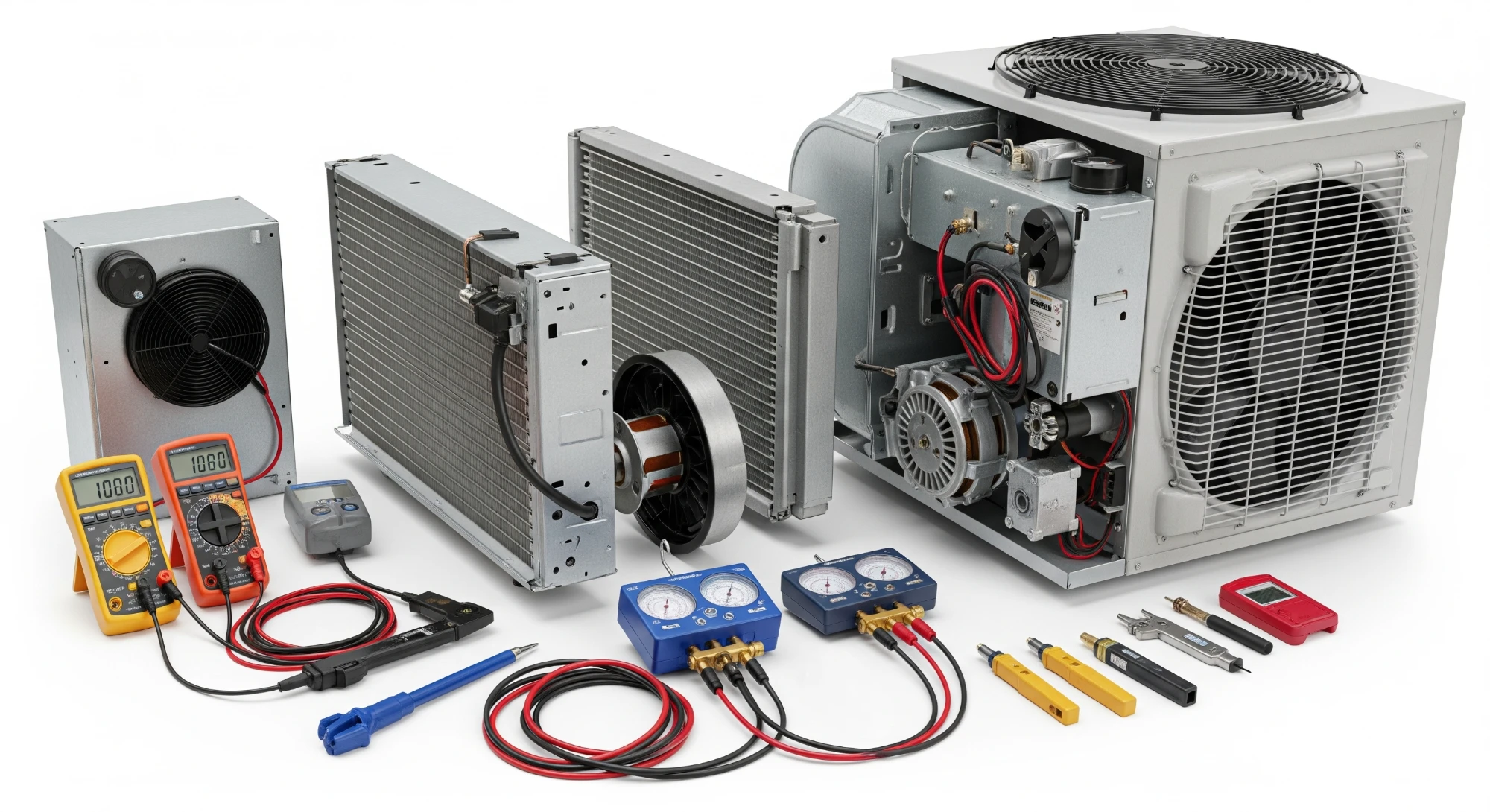
HVAC systems are complex and expensive to repair. Be sure to ask the seller directly if they’ve experienced any major issues, such as refrigerant leaks, electrical problems, or compressor failures.
These types of repairs can be expensive and are often signs of larger problems. A recent repair might not be a dealbreaker, but if there’s a history of recurring issues, you should investigate further.
Asking for repair history helps identify systems that look fine on the surface but may be hiding deeper issues behind the vent covers.
5. What’s the Condition and Layout of the Ductwork?
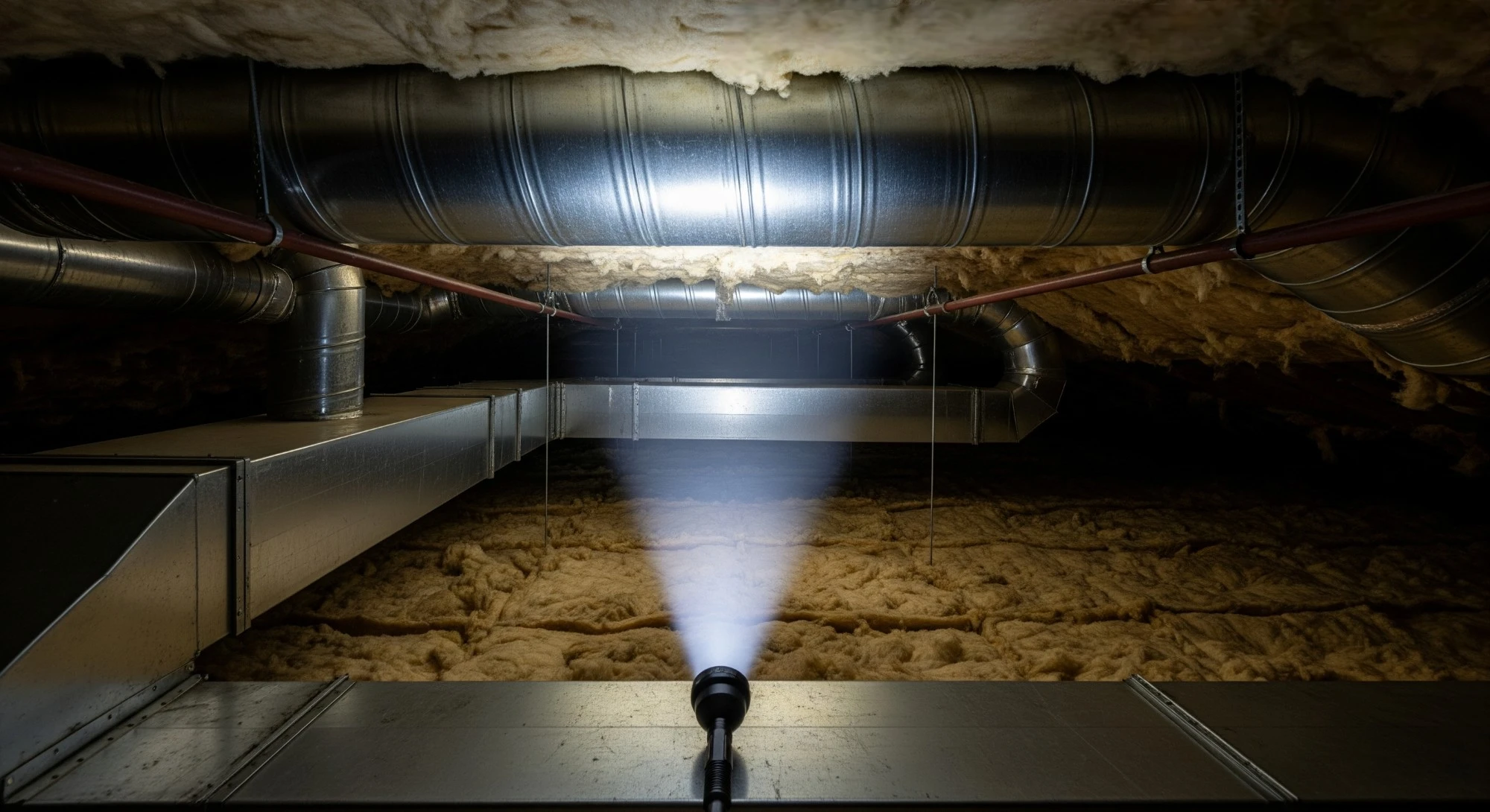
Ducts are the delivery system. If they’re disconnected, kinked, or poorly insulated, the result is uneven temperatures from room to room and higher utility bills across the board.
According to ENERGY STAR, as much as 20 percent of the air moving through a duct system can be lost due to leaks, holes, or poorly connected ducts. That’s not something visible on a walkthrough. It shows up later as discomfort and wasted energy.
Duct layout also affects how air flows through each floor. In multi-story homes, poor design can create hot upstairs zones and frigid downstairs rooms. A balanced design and sealed ducts change that completely.
6. Is the Home Zoned or Are Multiple Units Installed
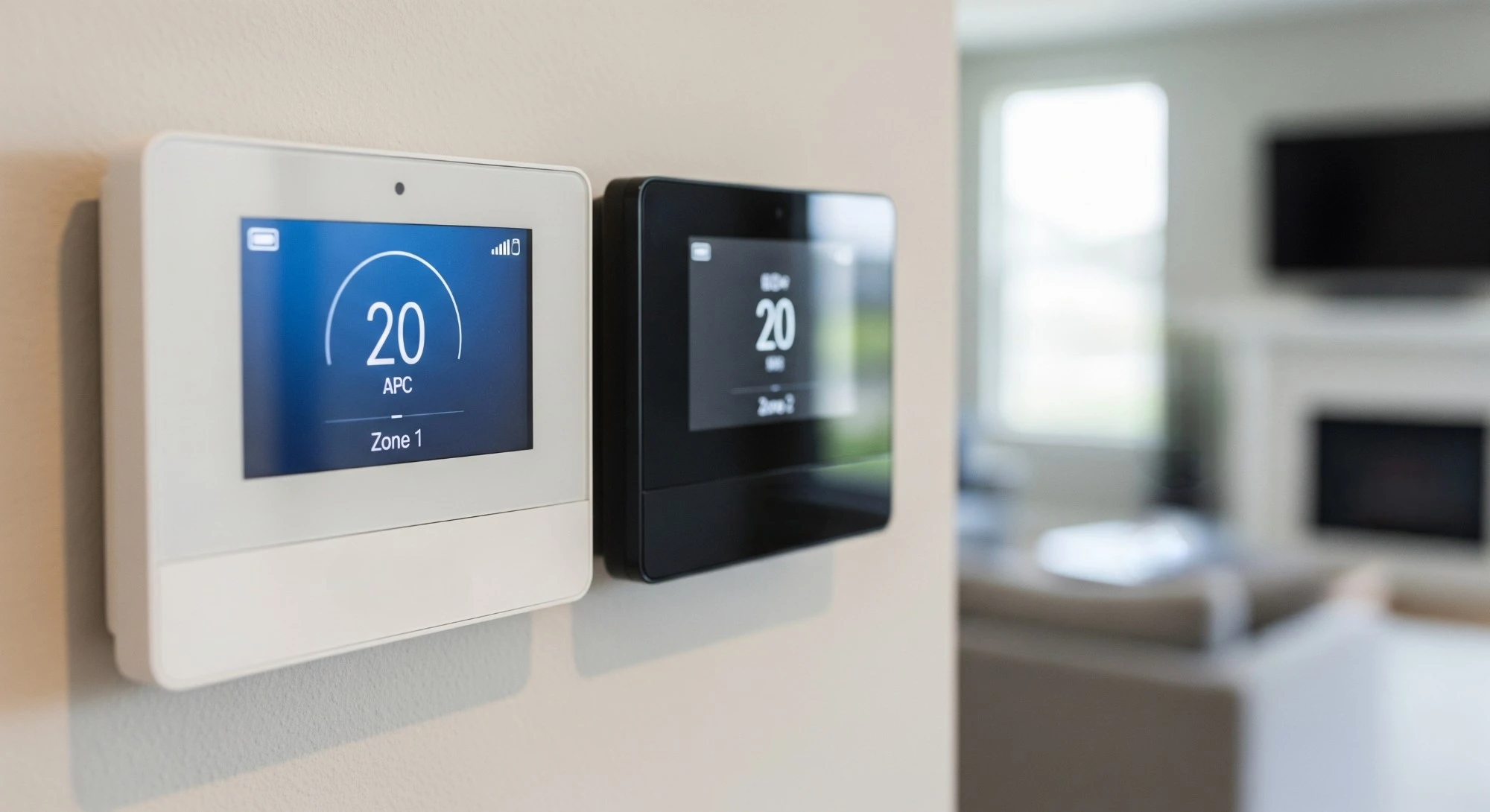
Zoning makes life easier. Especially in large homes or multi-level floor plans, separate zones or multiple systems help keep temperatures consistent without overworking the entire setup.
In newer builds, zoning systems are becoming more common. One thermostat controls upstairs. Another handles downstairs. Each space receives attention based on use and time of day. This improves comfort and efficiency without driving up the bill.
Older homes may have one system working overtime for the entire layout. That doesn’t always mean bad performance. But it does mean extra evaluation.
7. Was the HVAC System Installed by a Licensed Pro and Properly Permitted
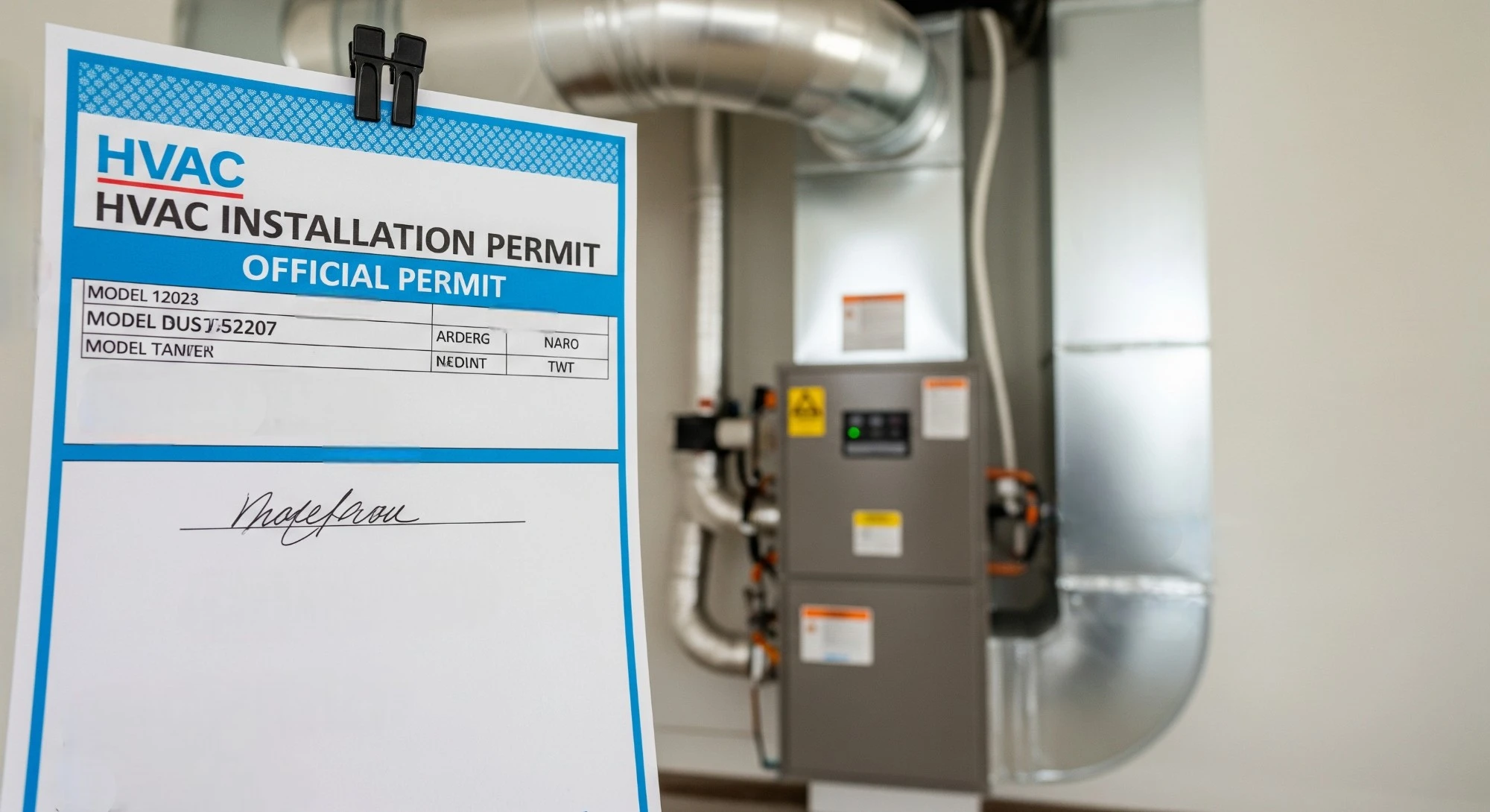
A quick test during a walkthrough won’t tell the full story. For that, a deeper look from a licensed HVAC technician helps. They know what to check. Airflow measurements. Code compliance. Electrical safety. Refrigerant pressure.
When a new system was installed, permits should have been pulled. Inspections should have been passed. This confirms that the work meets state and municipal standards.
Having this documentation on hand makes the process smoother for everyone involved—from lender to buyer to appraiser.
Quick Tips for Buyers and Sellers
HVAC is a consideration when buying or selling a home that often remains hidden. But don’t sleep on it – here are some quick tips to follow to get clarity around your home’s HVAC:
Buyers
An older system isn’t always a dealbreaker. But when inspections reveal outdated components or spotty maintenance, that becomes an opportunity. Leverage those findings to ask for credits, repairs, or price adjustments. Solid HVAC insight turns into negotiating power fast.
Sellers
Schedule a professional tune-up before listing your home. Having inspection paperwork and recent service records on hand can help build buyer confidence and make the transaction go smoothly.
Final Thoughts
HVAC systems are one of the most important and expensive components of a home, especially in climates like Texas!
Taking time to ask these questions and gather the right documents helps avoid the last-minute panic that often creeps up just before closing. It also shows that the home has been taken care of. Thoughtfully. Responsibly. Intentionally.
Knowing how a system runs and confirming it’s up to standard means fewer surprises later and a lot more peace of mind. Especially once those triple-digit days start rolling in.