
Home prices across Texas have been moving steadily upward. In cities like Houston, Austin, and Dallas, working families are spending more just to stay close to jobs, schools, or transit. Local governments have tried to respond, with zoning changes, higher density projects, and tax credits, but those efforts take time and rarely scale fast enough.
At the same time, federal housing support is now at risk. Budget proposals for 2025 include cuts to several programs that fund rent vouchers and income-restricted units. If approved, those reductions won’t play out on paper, they’ll show up in waitlists, delayed repairs, and people losing the housing they already have.
The State of Housing Affordability in Texas
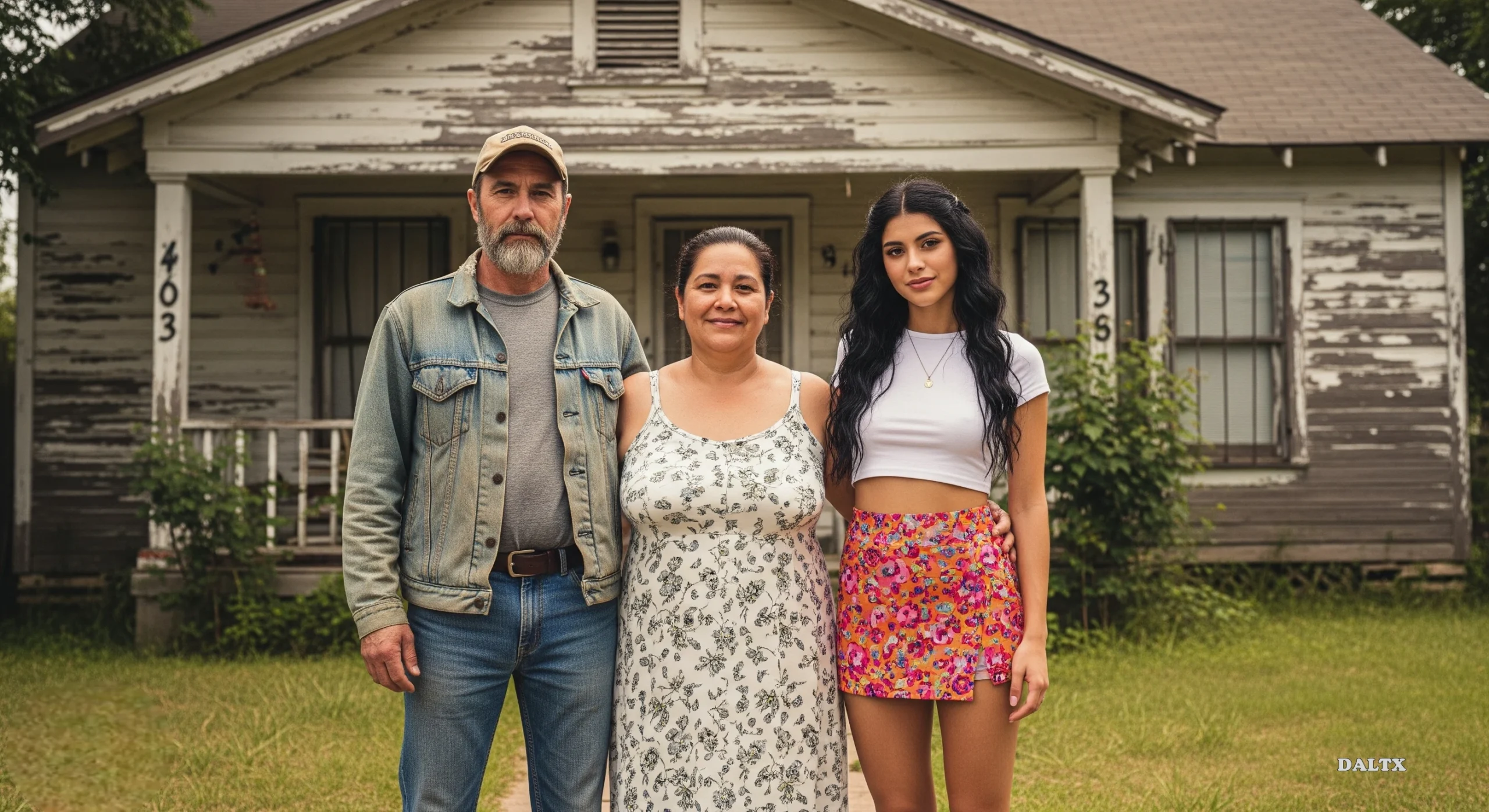
In cities like Dallas, Austin, and Houston, the shortage of affordable housing isn’t a future problem, it’s already here. In Dallas, the current gap between available rental units and what low-income renters need has passed 33,000. In Houston, close to half of all renters are spending more than 30 percent of their income just to stay housed.
Wages in many industries haven’t kept pace. The gap between housing costs and what people earn is no longer a slow drift, it’s a fixed reality in much of the state. One legislator described it simply: it’s hard to talk about affordable housing if no one can afford a home.
Outside the cities, the pressure isn’t any lighter. Smaller towns face different constraints, fewer properties, older stock, and limited local funding. Families looking for something clean, safe, and within reach often find nothing close. For some, that means pulling children out of school midyear. For others, it means leaving behind a home they’ve lived in for decades or driving long distances to jobs that don’t pay enough to move closer.
How Section 8 Helps Bridge the Gap
Section 8 housing vouchers are one of the few tools that connect low-income renters to the private market. In Texas, they’re managed by local housing authorities and reach families, seniors, and people with disabilities in cities and rural towns alike.
The program doesn’t just keep people housed, it also helps stabilize neighborhoods. Landlords rely on the regular payments to maintain their properties. In places like San Antonio and El Paso, that consistency matters. Section 8 isn’t a full solution, but it fills a space that few other programs can reach.
Federal cuts in 2025 could change that. A smaller program means fewer vouchers and longer waitlists. For people already struggling to hold on to housing, the result won’t be gradual, it will be felt quickly.
With the impact of federal housing budget reductions threatening to shrink these programs, the safety net they provide is at risk of unraveling.
What the 2025 Budget Cuts Could Mean
The federal budget proposal for 2025 outlines reductions across a number of domestic programs, and housing assistance appears to be among them. Even partial cuts to the Housing Choice Voucher Program could leave tens of thousands of households without rental support. Texas, already among the states with the lowest access to affordable housing, could feel the impact quickly.
Waitlists for vouchers in cities like Austin, Dallas, and Brownsville already stretch for years. If funding drops, most agencies would have to stop new enrollments, and families already waiting might find themselves pushed further down the list or dropped entirely.
Without rental help, families at the edge of eviction could slip into shelters, or leave their communities altogether. That shift doesn’t happen in isolation. Cities and nonprofit organizations would face more pressure to expand emergency housing, legal support, and outreach. In smaller cities with limited resources, the need could outpace capacity.
There’s also the landlord side. Many private owners accept vouchers as part of their business model. But if payments become unreliable or delayed, some may opt out of the program. In tight markets like Fort Worth, Lubbock, and Corpus Christi, that would make finding a unit even harder for voucher holders.
Local Efforts Can’t Do It Alone
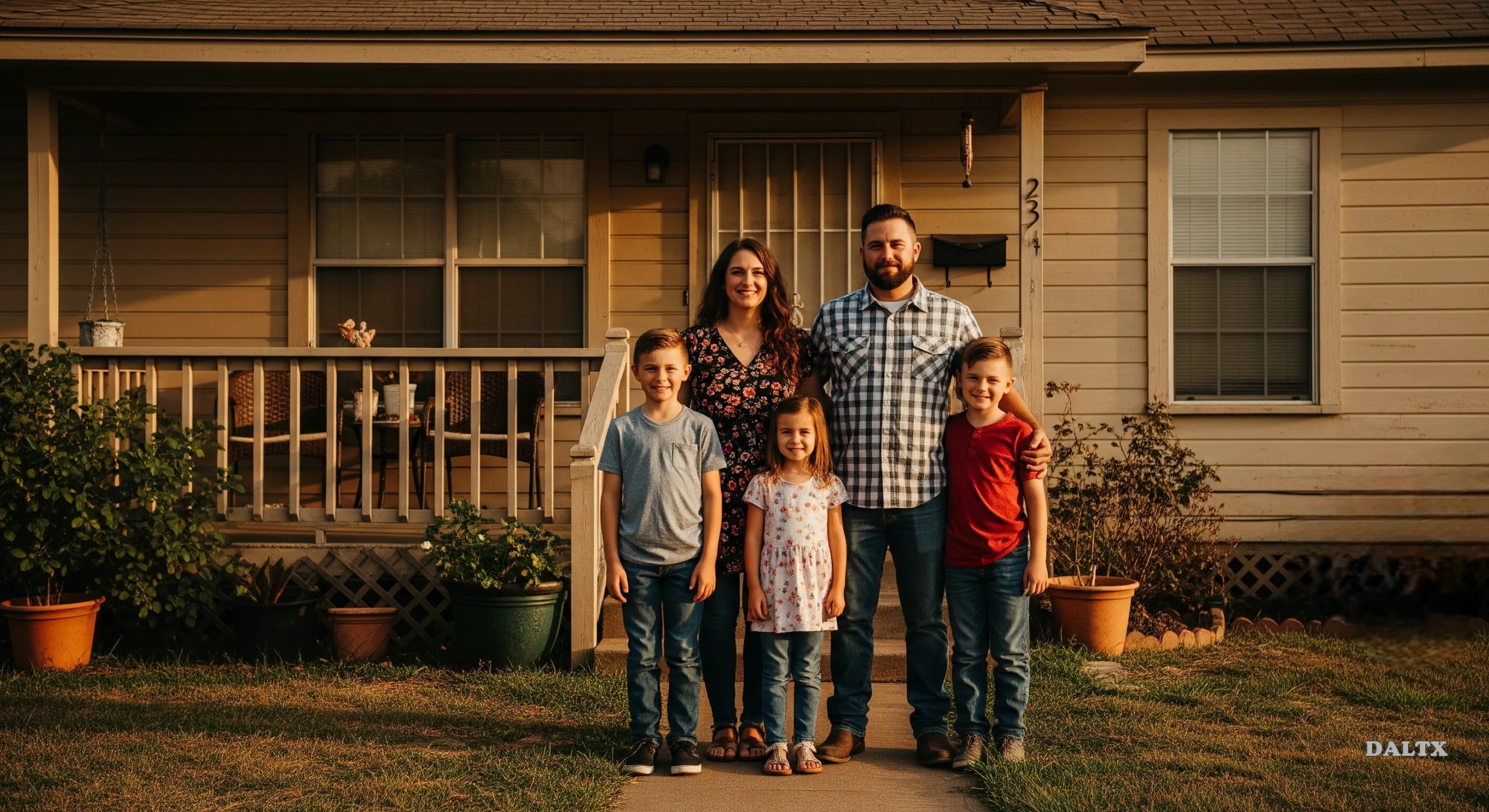
Across Texas, cities have taken their own steps to deal with housing shortages. In Dallas, officials are looking at smaller lot sizes to make it easier to build more than one unit on a single property. Austin passed changes to let homeowners add multiple units where only one was allowed before.
Other cities are trying different angles. Houston and San Antonio have tested ways to speed up the permitting process. El Paso is working with developers to add affordable homes into mixed-income buildings, aiming to avoid clustering poverty in a single location.
These approaches reflect how cities are trying to respond with what they have. But the need keeps growing. Local rules can help, but they don’t cover what federal funding supports, especially when it comes to volume. Building takes time, and the backlog isn’t getting shorter.
What Can Be Done?
While the full scope of the 2025 budget cuts is still under negotiation, housing advocates are urging local leaders to speak up and prepare. Here are a few priorities taking shape:
- State advocacy: Texas leaders can lobby federal counterparts to maintain or expand HUD funding, especially for vouchers and housing assistance.
- Municipal planning: Cities may need to adjust bond packages and development strategies to fill anticipated gaps.
- Community support: Landlords, nonprofits, and tenant coalitions can work together to identify at-risk renters and intervene early.
The impact of federal housing budget reductions extends far beyond policy; it shapes whether local efforts will succeed or stall.
In the long term, Texas may also need to consider creating a state-level rental assistance fund that can backstop federal gaps. By diversifying the sources of affordable housing support, the state can build more resilience into a system that is currently too vulnerable to federal whims.
A Tipping Point for Texas?
Texas stands at a housing crossroads. The state’s economic success continues to attract new residents, but that growth is outpacing affordability in nearly every major metro. Federal funding plays a quiet but essential role in holding that balance together.
Without it, the fragile system that keeps many Texans housed could falter and that would ripple far beyond the households most directly affected.
The workforce housing shortage could hamper local economies, especially in service industries and public sector jobs. Communities increasingly price out educators, healthcare workers, and first responders who serve them.
Without solutions, talent loss and workforce instability could accelerate. For now, eyes are on Washington. But households across Texas, from urban apartment towers to rural rental homes, will feel the decisions the most.
The time to talk about sustainability isn’t after the cuts come; it’s now.
By confronting the affordability crisis from multiple angles. Protecting vital funding streams, Texas can move toward a housing future that is not only livable but also equitable and enduring.