
Rental properties can look very steady from the outside. Rent comes in every month, the mortgage gets paid, and the owner has something left over after expenses. For many investors, that simple rhythm is the whole appeal of buying rental real estate.
But that rhythm can break quickly.
A property that sits empty for a few weeks is one thing. A property that sits empty for three months is different. By then, the missing rent is no longer a small gap in the budget. It becomes a real test of how strong the investment actually is.
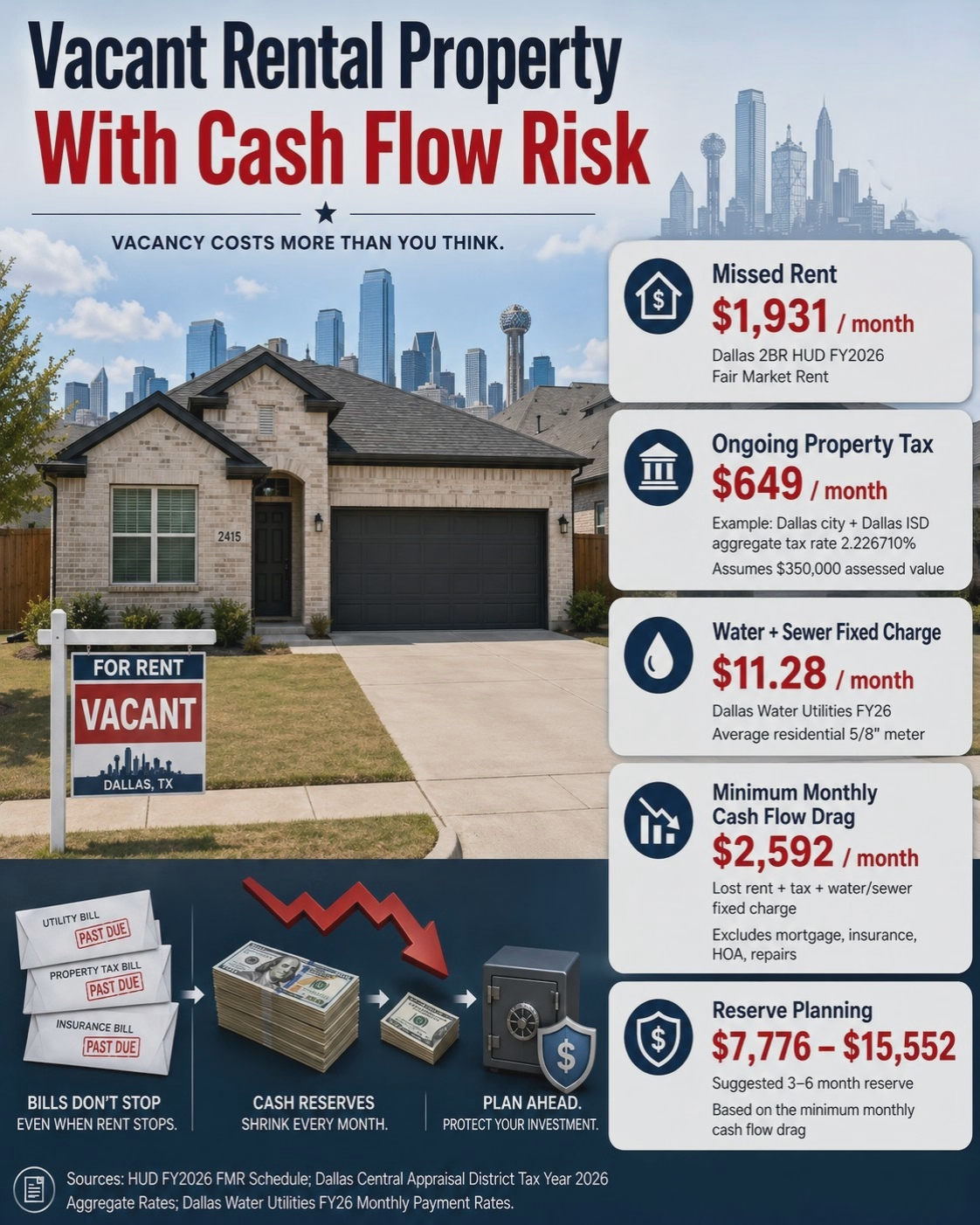
Stable Rent Can Make Risk Easy to Ignore
When a tenant pays on time every month, it is easy for rental income to start feeling automatic. Owners may begin to plan around that money as if it will always be there.
That is where the problem starts.
A rental property may be stable, but it is not guaranteed. Tenants move. Neighborhood demand changes. New apartments open nearby. A competing landlord drops the rent or offers a move-in special. Even a clean, well-kept property can sit longer than expected when the local market shifts.
This is why experienced owners leave room in the budget for vacancy. They do not assume every month will be perfect. Some investors also compare rental income with other income-producing strategies, such as using covered calls to generate income, to understand how different types of cash flow behave when conditions change.
The point is simple: reliable income is not the same as guaranteed income.
The Bills Keep Coming Even When Rent Stops
A vacant property does not pause your expenses. The mortgage still has to be paid. So do property taxes, insurance, utilities, lawn care, repairs, HOA dues, and basic maintenance.
That is what makes vacancy so expensive. The income disappears, but the carrying costs stay in place.
Owners who counted on full occupancy can end up paying those costs from personal savings. One missed month may be annoying. Two months can hurt. Three months can force uncomfortable decisions, especially if the owner has other debts or limited cash reserves.
After going through that once, most investors look at future deals differently. They stop focusing only on projected rent and start asking harder questions: How long could I cover this property with no tenant? What would I do if the market slowed down? Is the rent estimate realistic, or just optimistic?
Local Market Changes Can Sneak Up on You
A rental can perform well for years before the market changes. That shift is not always dramatic at first. Maybe showings slow down. Maybe applicants are less qualified. Maybe similar homes nearby start cutting rent.
Small signs like that are easy to dismiss, especially when a property has been reliable in the past. But by the time a vacancy stretches into months, other landlords may already be adjusting. They may have updated photos, offered flexible lease terms, lowered deposits, or made small upgrades that make their units more attractive.
Owners who pay attention to nearby listings usually have a better chance of responding early. Watching asking rents, days on market, listing photos, and tenant feedback can tell you a lot before the property sits empty too long.
Cash Reserves Give You Better Options
Vacancy is stressful, but it is much easier to handle when the owner has cash set aside. A reserve fund gives you room to make calm decisions instead of desperate ones.
That flexibility matters. You can refresh the property, improve the listing, adjust the rent, or wait for a stronger tenant instead of accepting the first weak application that comes in.
Without reserves, the pressure builds fast. Owners may accept poor lease terms, skip needed repairs, or lower their standards just to get rent coming in again. That may solve the short-term vacancy problem, but it can create a bigger problem later.
A rental property does not need to be perfect every month to be a good investment. But the owner does need enough breathing room to get through the months that are not perfect.
Rental Income Needs a Backup Plan
Real estate can be a strong source of income, but the stability does not come from the property alone. It comes from the way the owner plans around risk.
That means buying carefully, keeping enough cash on hand, watching the local market, and being honest about vacancy. An empty unit is not a rare disaster. It is part of owning rental property, and it needs to be built into the numbers from the beginning.
A property sitting empty for three months teaches that lesson quickly. The investment may still be solid, but the income is only reliable when the plan can survive a rough stretch.
The owners who last are not the ones who assume rent will arrive every month without fail. They are the ones who prepare for the month it does not.