
- Why Financial Organization Matters for Real Estate Investors
- How a Checking Account Supports Your Investment Plan
- What to Look for in a Real Estate Investor Checking Account
- How the Right Account Keeps You Organized
- Common Money Mistakes Real Estate Investors Make
- Tips for Setting Up Your Finances
- Frequently Asked Questions
- Do I need a business checking account?
- Is one account enough for multiple properties?
- What are the most important account features?
- Final Thoughts
Real estate investing depends on solid money management. While finding the right property is important, clean books help protect your profits. Many new investors skip this step and run into trouble later when it is time to track income and expenses.
Your checking account is at the center of this setup. It seems basic, but the right account simplifies your daily transactions and gives you a clear view of your finances.
Why Financial Organization Matters for Real Estate Investors

Managing real estate finances involves more than collecting rent and paying bills. You have to juggle different income streams, ongoing maintenance costs, and future plans.
Rental income can come from different tenants, properties, or short-term rentals, so you need to record every payment accurately. Without a clear system, it is easy to miss payments or lose track of how each property is performing. Organized finances also make tax season much easier because all your numbers are in one place. This reduces stress and helps lower the risk of costly tax mistakes.
Beyond taxes, good organization improves your decision-making. When you can clearly see your income, expenses, and net returns, it becomes easier to decide whether a property is worth keeping, updating, or selling. Good numbers lead to better choices.
How a Checking Account Supports Your Investment Plan
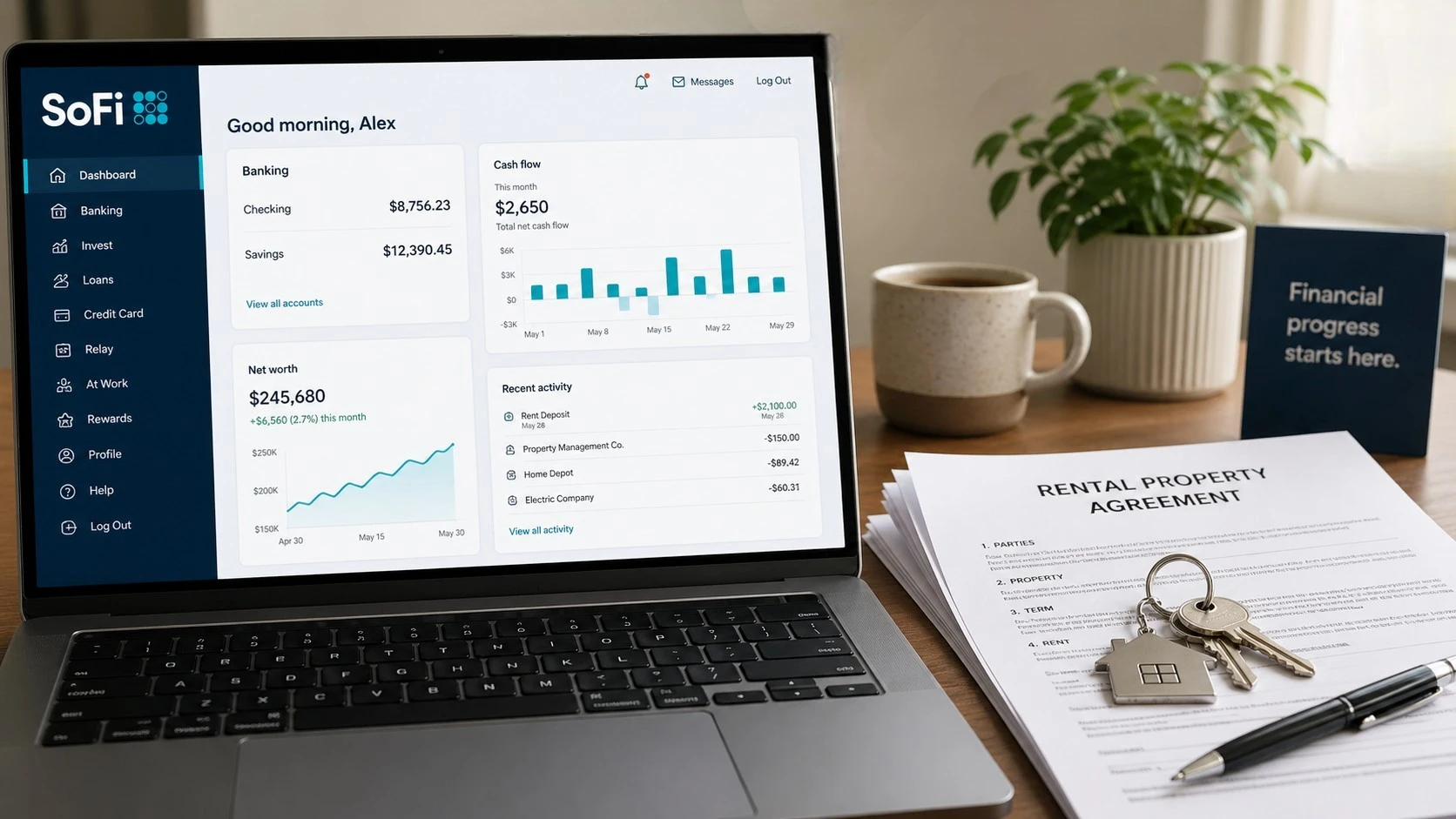
A checking account anchors your financial system. It keeps your money moving through one clear place, so you can monitor activity without digging through different accounts.
By keeping rental income and property-related expenses in one account, you make your records easier to follow. This helps you track cash flow in real time and understand how money moves in and out of your business. Separating personal and investment finances is just as important because it removes confusion and keeps your records clean.
Many new investors look for simple ways to get started without jumping through hoops. That is why options like a free checking account, no credit check, no deposit can be appealing early on. These accounts let you set up your business finances without locking up extra cash upfront.
What to Look for in a Real Estate Investor Checking Account
Choosing the right checking account takes more thought than opening the first account you find. A few features can make your real estate finances much easier to manage over time.
Here’s what to look for:
- Low or no monthly fees, so you can protect your profits, especially if you manage multiple properties.
- Strong online and mobile access, so you can monitor transactions, transfer funds, and stay informed wherever you are.
- Flexible transaction limits, since real estate often involves frequent deposits and payments.
- Accounting software integration, which can reduce manual data entry and help keep your records accurate.
An account that can handle your daily activity without extra charges will save you both time and money.
How the Right Account Keeps You Organized
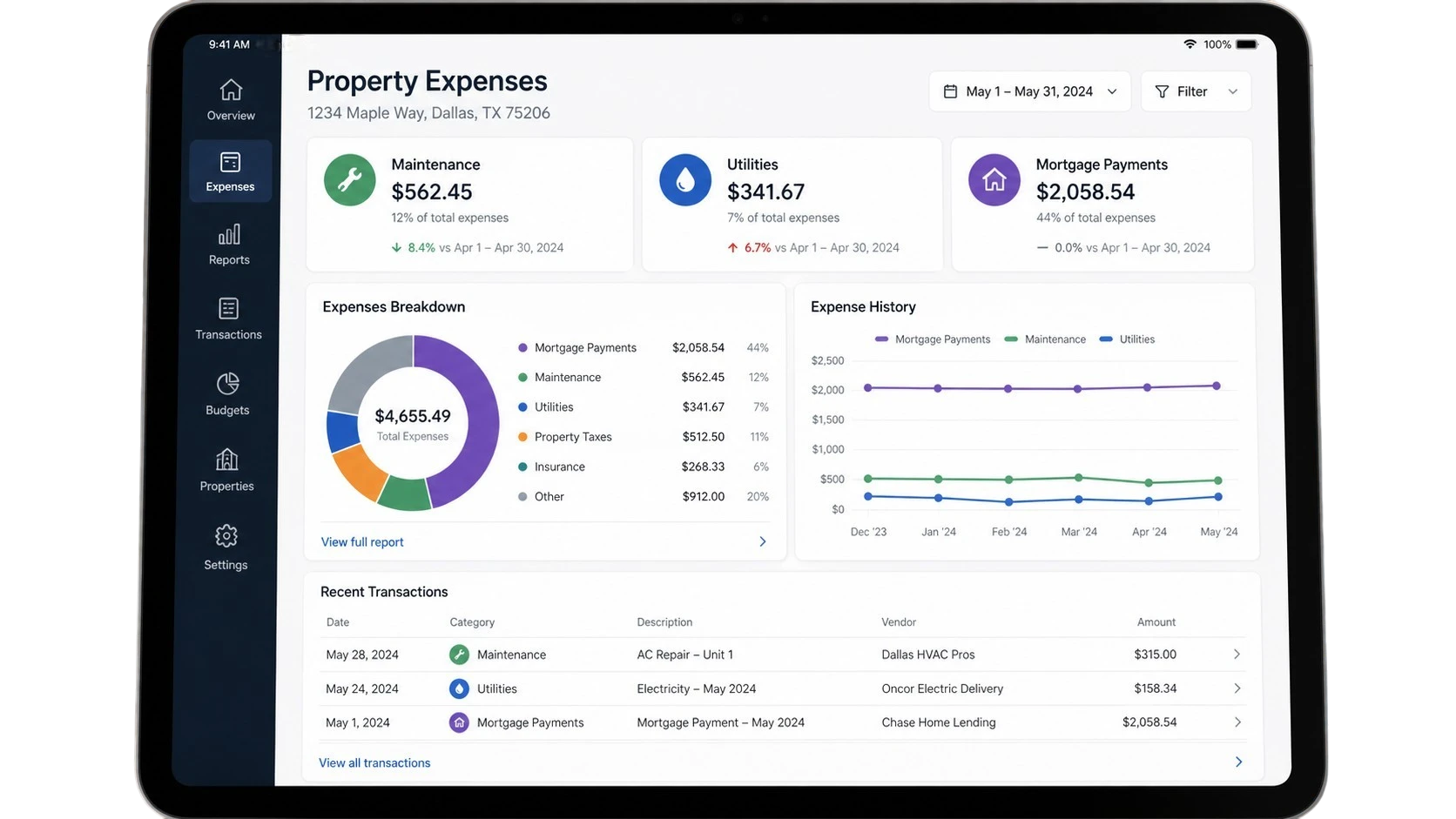
The benefits of a well-chosen checking account go beyond convenience. It can shape how you manage your money every day.
With the right setup, you can clearly categorize expenses like maintenance, utilities, and mortgage payments. This makes it easier to understand where your money is going. That level of detail also supports better budgeting and helps you plan ahead for future costs, such as roof repairs or a few months without a tenant.
Keeping all transactions in one organized system also simplifies your bookkeeping. Instead of sorting through scattered receipts and statements, you have everything easy to find, which saves time and reduces errors.
Common Money Mistakes Real Estate Investors Make
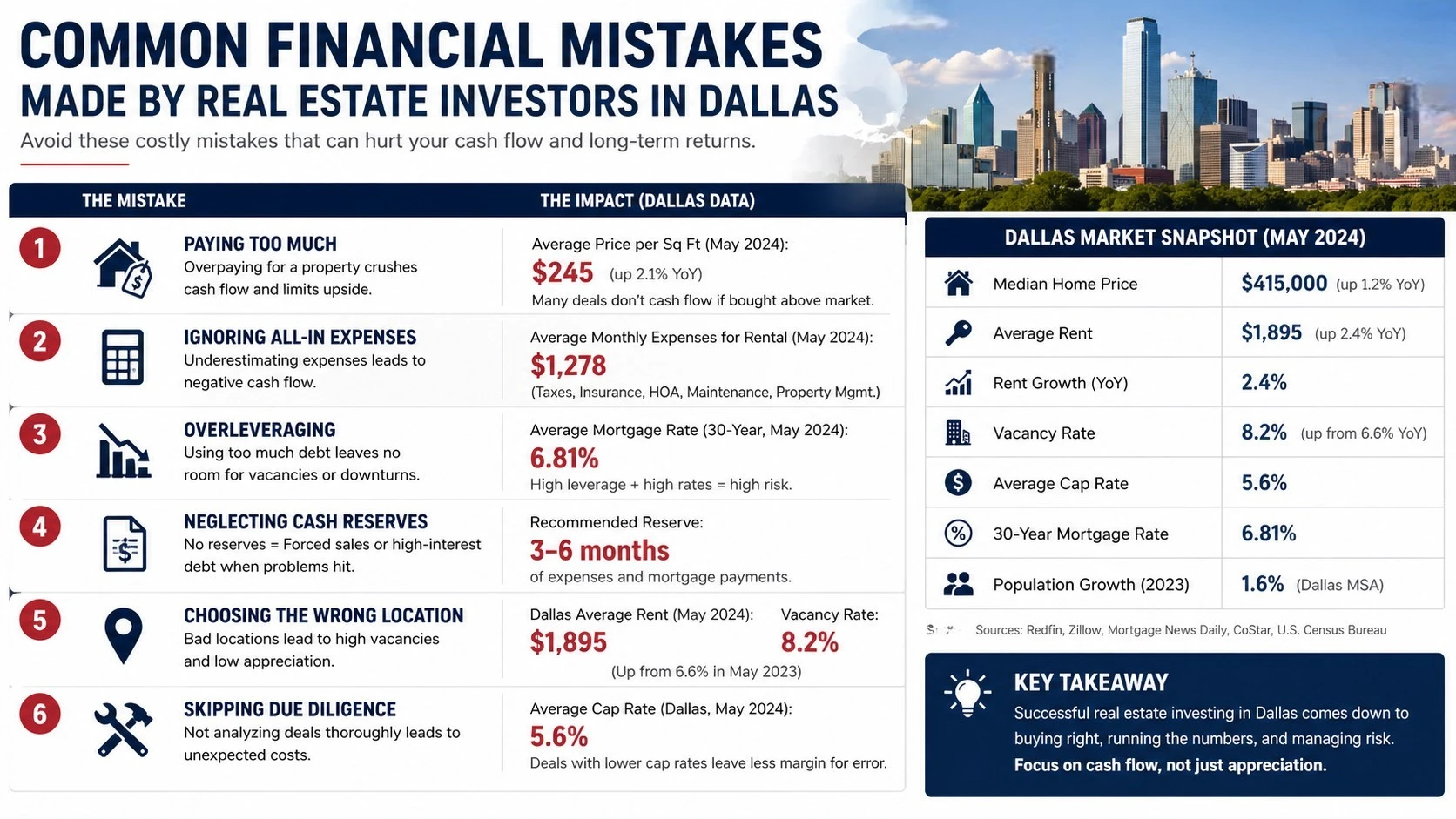
Even experienced investors can struggle with keeping their books clean if they do not have the right systems in place.
One of the most common mistakes is mixing personal and business funds. This creates confusion and makes accurate tracking difficult. Another common issue is failing to record expenses consistently, which can lead to incomplete data and poor business decisions.
Some investors also overlook small banking fees, not realizing how much they can add up over time. Others use multiple accounts without a clear structure, which makes their finances harder to manage.
Tips for Setting Up Your Finances
Creating an effective financial system does not have to be complicated, but it does require consistency.
Start with these steps:
- Open a dedicated checking account early, so your personal and investment finances stay separate from the beginning.
- Automate rent collection and recurring payments to save time and reduce the risk of missed bills.
- Consider separate accounts for different properties as your portfolio grows.
- Review your bank statements regularly, so you can catch small issues before they become bigger problems.
A simple system is often the easiest one to maintain. The key is to keep your records clear and review them often.
Frequently Asked Questions
Do I need a business checking account?
Many investors wonder if they need a business checking account. While it may not always be required, it is often the better choice for staying organized and planning for growth.
Is one account enough for multiple properties?
One account can work in the beginning. As your portfolio grows, separate accounts can make it easier to see how each property is performing.
What are the most important account features?
The most important features to look for are low fees, reliable digital access, and strong transaction tracking. Online checking accounts are a practical choice for many investors because they offer flexibility and convenience without sacrificing the tools you need.
Final Thoughts
Financial organization matters in real estate investing, and it starts with choosing the right checking account. While it may seem like a small decision, it can affect how well you manage your money over time. A well-structured account helps you track income, control expenses, and make decisions with more confidence.
Setting up the right system now can make managing your properties much easier later on.