- Understanding the Needs of High-Growth Warehouses
- The Case for Renting Loading Equipment
- The Case for Buying Loading Equipment
- Balancing Cash Flow and Long-Term Value
- Adjusting to Rapid Growth
- Operational Efficiency and Space Management
- Maintenance and Responsibility
- Making the Right Decision for Your Operation

Warehouse growth doesn’t happen in a straight line. One month, equipment is sitting idle. The next, teams are scrambling to keep up with orders. That’s why the rent-versus-buy question keeps coming back. Buying equipment can make sense long-term, but it also ties up cash and limits flexibility. Renting feels safer when demand is unpredictable, but it isn’t always cheaper. The real challenge isn’t choosing the “better” option. It’s choosing the one that won’t slow operations when conditions change.
Understanding the Needs of High-Growth Warehouses
Fast-growing warehouses rarely grow in a neat, predictable way. Order volumes jump. Space feels tighter than planned. Delivery schedules shift with little warning. In situations like this, equipment can either keep operations moving or slow everything down.
Loading systems such as modular ramps, portable docks, and adjustable platforms are often used to connect trucks with storage areas. They’re practical solutions, but the harder question comes next: should the business rent or buy them?
That decision usually depends on how fast expansion is happening, how much capital is realistically available, and whether the equipment will stay in one location or move again soon. When growth accelerates, many warehouses don’t have the luxury of waiting for permanent construction or long installation timelines. Renting offers speed and flexibility. Buying, however, starts to make more sense when operations are stable, volumes are predictable, and the same loading setup is used every single day.
The Case for Renting Loading Equipment
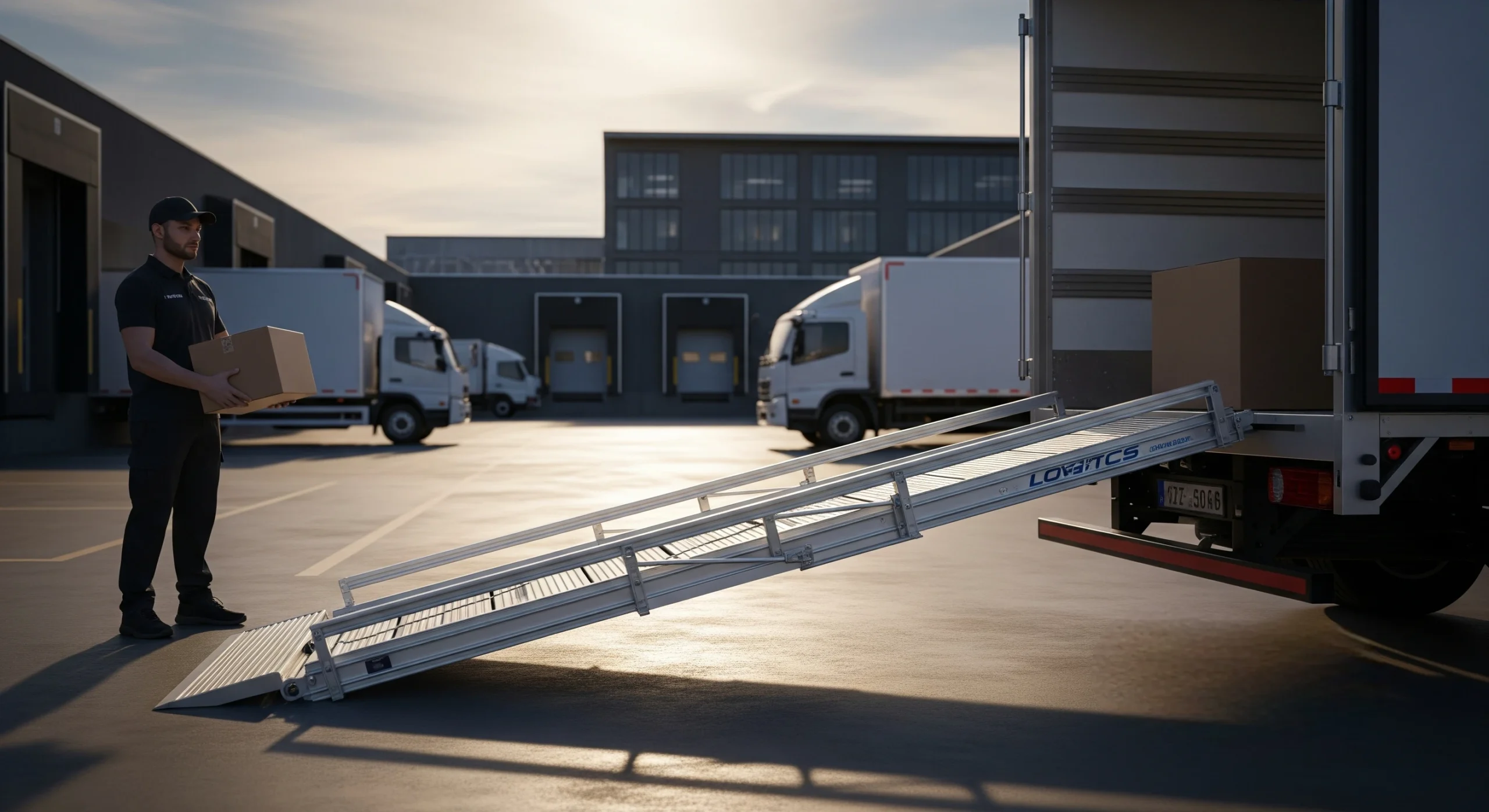
Renting sounds simple, and in a lot of cases, it is. When warehouses deal with seasonal spikes or short-term setups, owning equipment often feels like overkill. Rental gear can show up fast, get installed the same day, and start working right away. When things slow down, it leaves. That’s it.
This matters more than it seems. Paying for equipment that sits unused half the year doesn’t help anyone. Storage becomes a problem. Maintenance turns into a chore. Renting avoids all of that, especially when demand refuses to stay consistent.
For new operations, renting is usually the safer move. Teams are still learning how orders flow, where bottlenecks appear, and which setups actually make work easier. Locking in a purchase too early can backfire. Renting gives room to test, adjust, and sometimes admit that the first setup wasn’t the right one.
Mobility is another factor people underestimate. Not every warehouse stays in one place forever. Some move between sites. Others run temporary locations. Renting equipment per site keeps things flexible and avoids hauling gear around just to “make it work.” Modular systems help here, but the real benefit is not being locked into one long-term decision too early.
The Case for Buying Loading Equipment
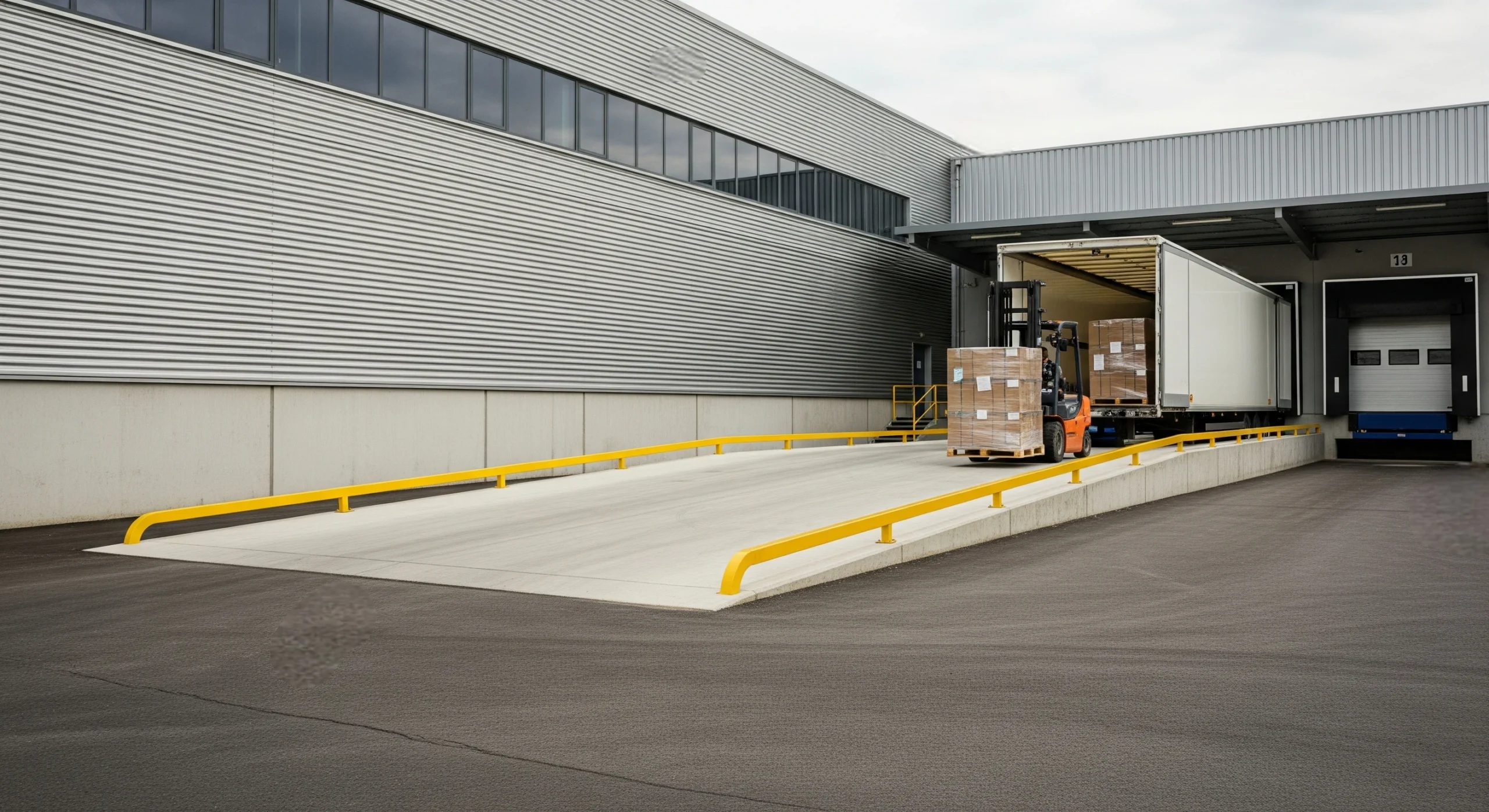
Buying equipment offers stability and long-term savings. Once a warehouse has reached a consistent level of activity, owning ramps and platforms can lower costs over time. Instead of paying monthly rental fees, the investment is made once and used daily for years.
Many warehouses that buy loading equipment find that the cost per use drops significantly over time. Ownership also brings control. When equipment belongs to the warehouse, it is always available. There is no need to schedule rentals or wait for delivery.
Owning modular ramps and portable docks allows companies to customize their equipment to specific needs. They can modify height, surface finish, or add-on features to fit unique loading situations. Since the equipment will be part of daily operations, the customization investment is worth it. Over time, this tailored approach improves efficiency and safety while keeping workers familiar with the same tools.
Balancing Cash Flow and Long-Term Value
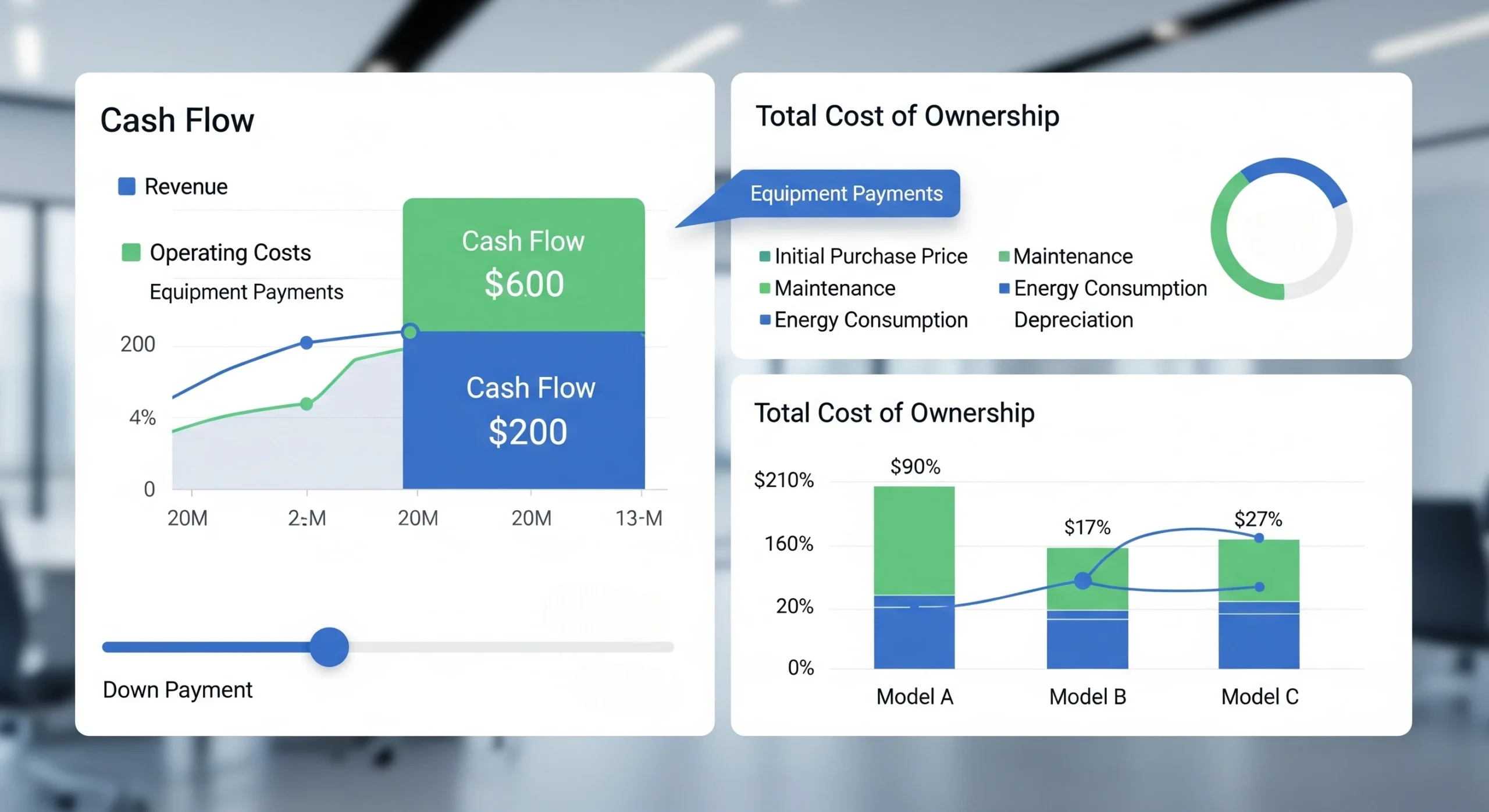
Money usually ends up steering the rent-versus-buy decision, whether people admit it or not. Renting keeps short-term costs lighter and cash flow easier to manage. Buying does the opposite. It locks in capital early, but over time, that spend turns into something the business actually owns.
For growing warehouses, juggling those priorities is the tricky part. When demand is uncertain or locations keep changing, renting often prevents unnecessary financial pressure. It avoids committing large amounts of cash to equipment that might not be used consistently. That breathing room matters, especially during unstable growth phases.
Once contracts stabilize and shipment volumes become easier to forecast, buying equipment starts to make practical sense. Instead of being a recurring cost, it becomes something the business actually owns and builds on over time.
Rental payments are typically treated as operating expenses, while purchased equipment is recorded as a capital investment. Each option comes with different tax and accounting effects, which can quietly influence profitability. That’s why financial considerations shouldn’t be separated from operational ones when choosing the right approach.
Adjusting to Rapid Growth
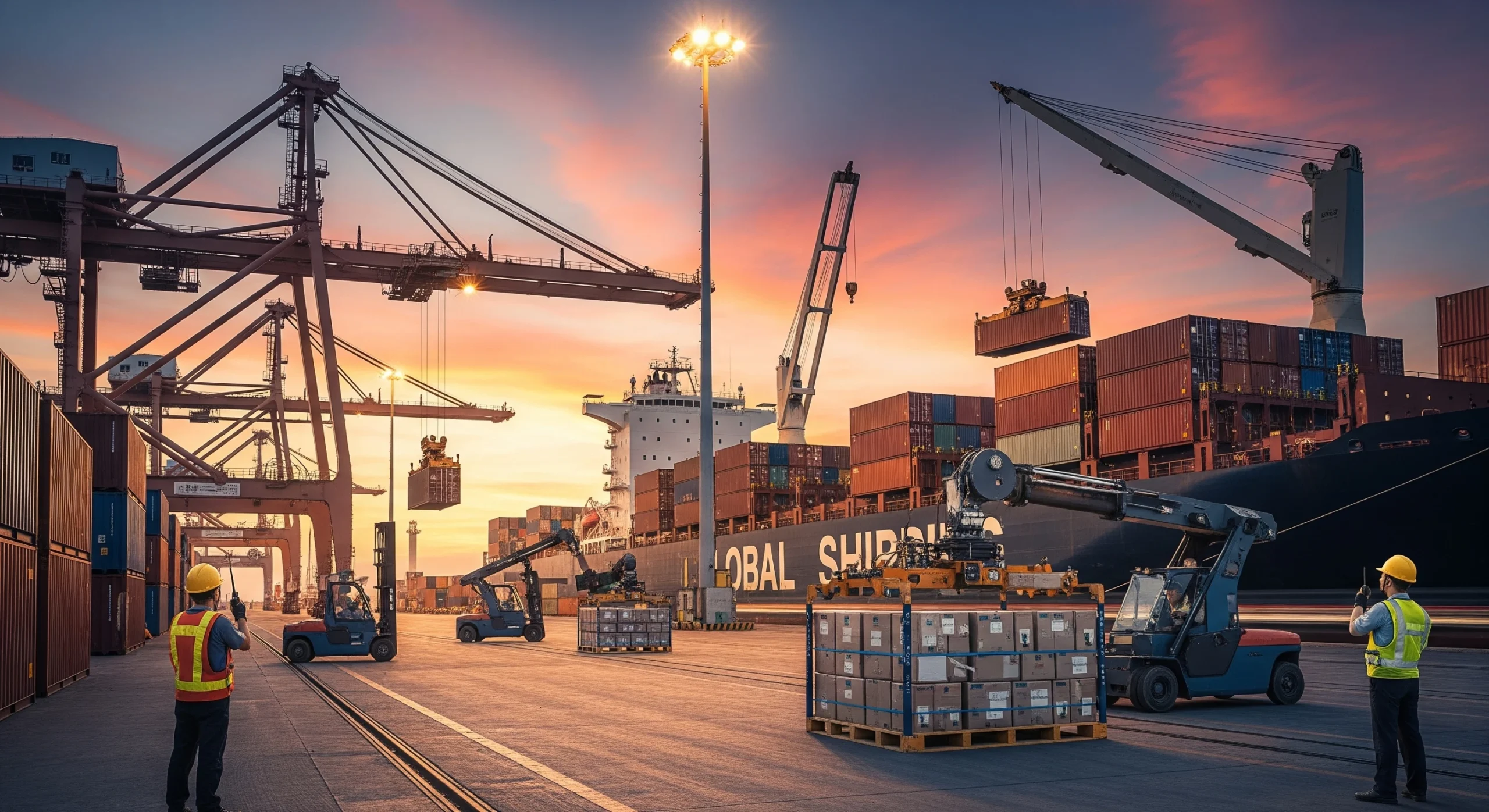
Growth brings both opportunity and pressure. A warehouse doubling its shipments in a short time must scale its equipment fast. Renting loading ramps and portable docks makes that possible. The business can respond immediately, taking on new clients or expanding delivery zones without waiting for construction or approval cycles.
As the growth stabilizes, those same operations can shift toward ownership. Once demand feels more predictable, ownership often becomes the more efficient option. Some businesses don’t choose one or the other. They do both, owning core equipment for daily operations while renting additional units during peak periods. That mix of short-term flexibility and long-term investment helps keep costs under control without limiting capacity.
Operational Efficiency and Space Management
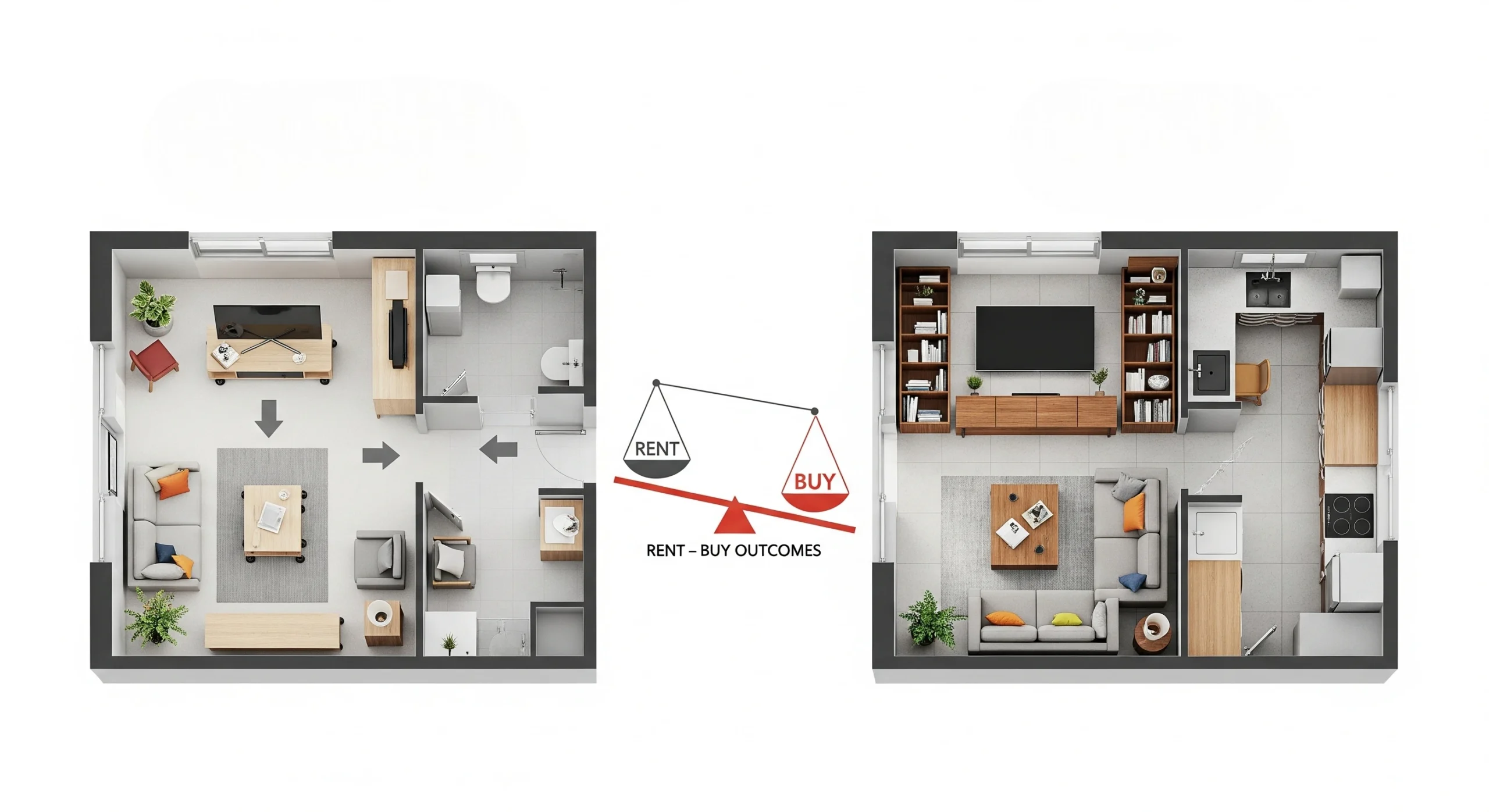
Space inside a warehouse is never just empty space, it’s potential. Renting and buying affect how that space is used. Rental ramps can be returned when they’re no longer needed, freeing up room for storage or other equipment. This works well in facilities where layouts change often.
Buying equipment makes more sense when the layout stays consistent. Permanent setups support smoother workflows, better organization, and less material movement. Modular systems still offer some flexibility, allowing adjustments without starting from scratch. In both cases, efficiency comes down to how often layouts change and how much control the team needs over equipment placement.
Maintenance and Responsibility

Maintenance is another detail that sounds small until it isn’t. With rented equipment, upkeep is usually handled by the provider. That saves time and removes the need for in-house maintenance resources, letting teams stay focused on operations.
Ownership changes that responsibility. Inspections, cleaning, and repairs become part of the long-term cost. The trade-off is control. Well-maintained loading equipment can last for years, deliver consistent performance, and provide a solid return on the initial investment.
Making the Right Decision for Your Operation
There isn’t a single correct answer to the rent-versus-buy question. The right choice depends on how a warehouse grows and what challenges it faces along the way. Renting supports flexibility during periods of change, while buying adds stability and long-term value. Many operations benefit from using both strategies at different stages.
What matters most is understanding how loading equipment fits into the overall flow of goods. Reliable ramps, platforms, and docks keep operations moving safely and efficiently. When these systems align with the business plan, they stop being just tools and start becoming assets that support long-term success.