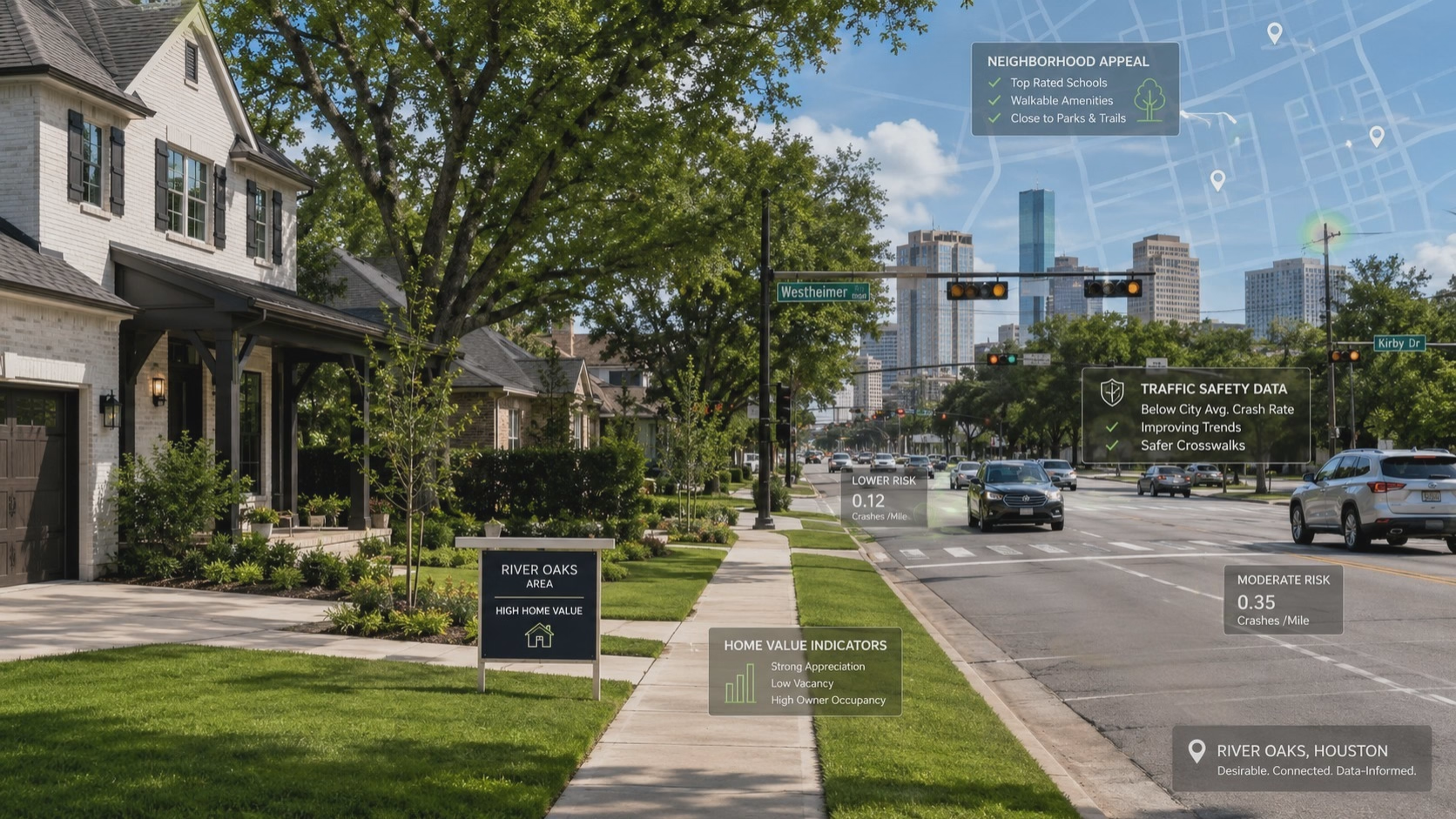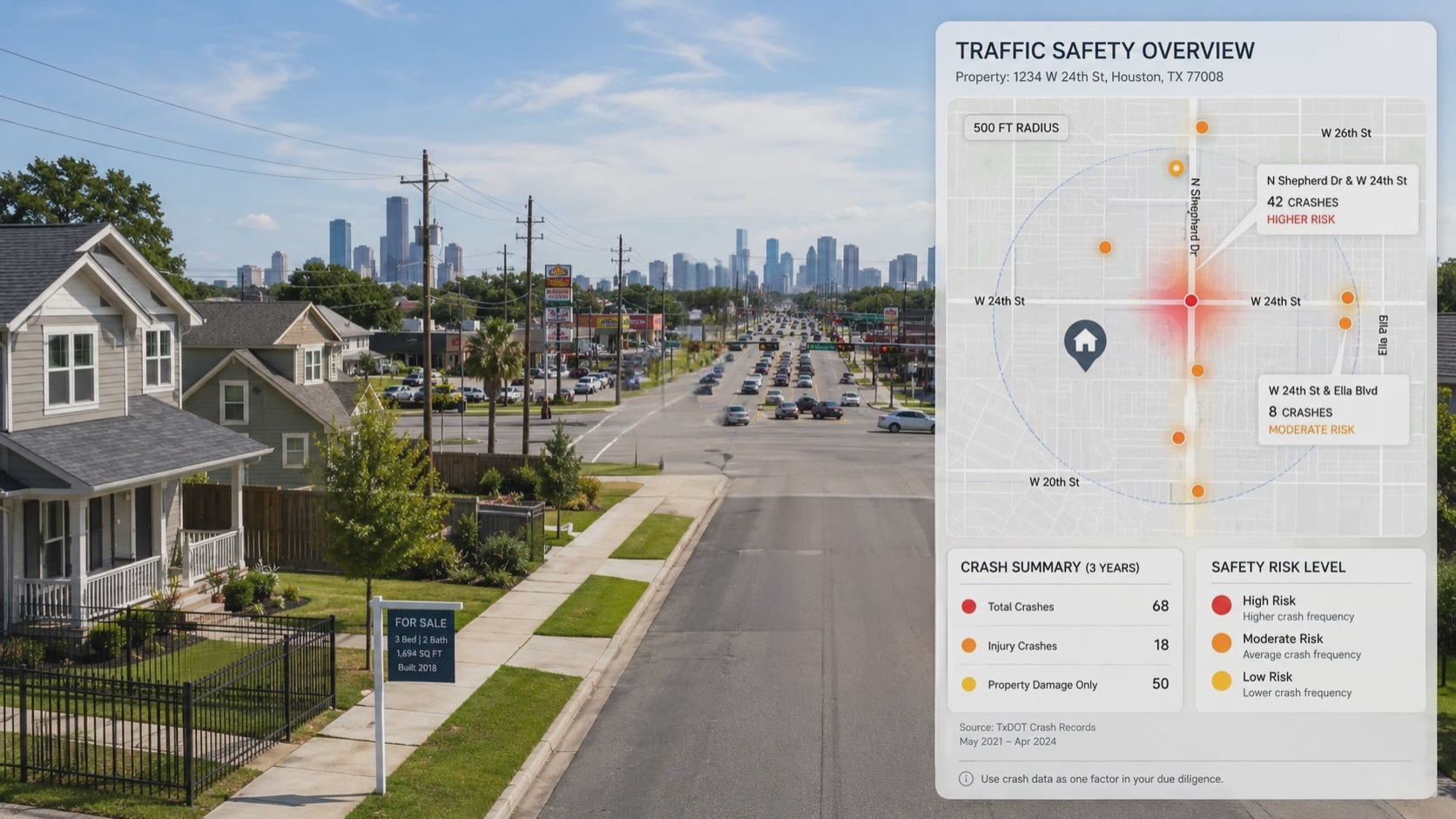
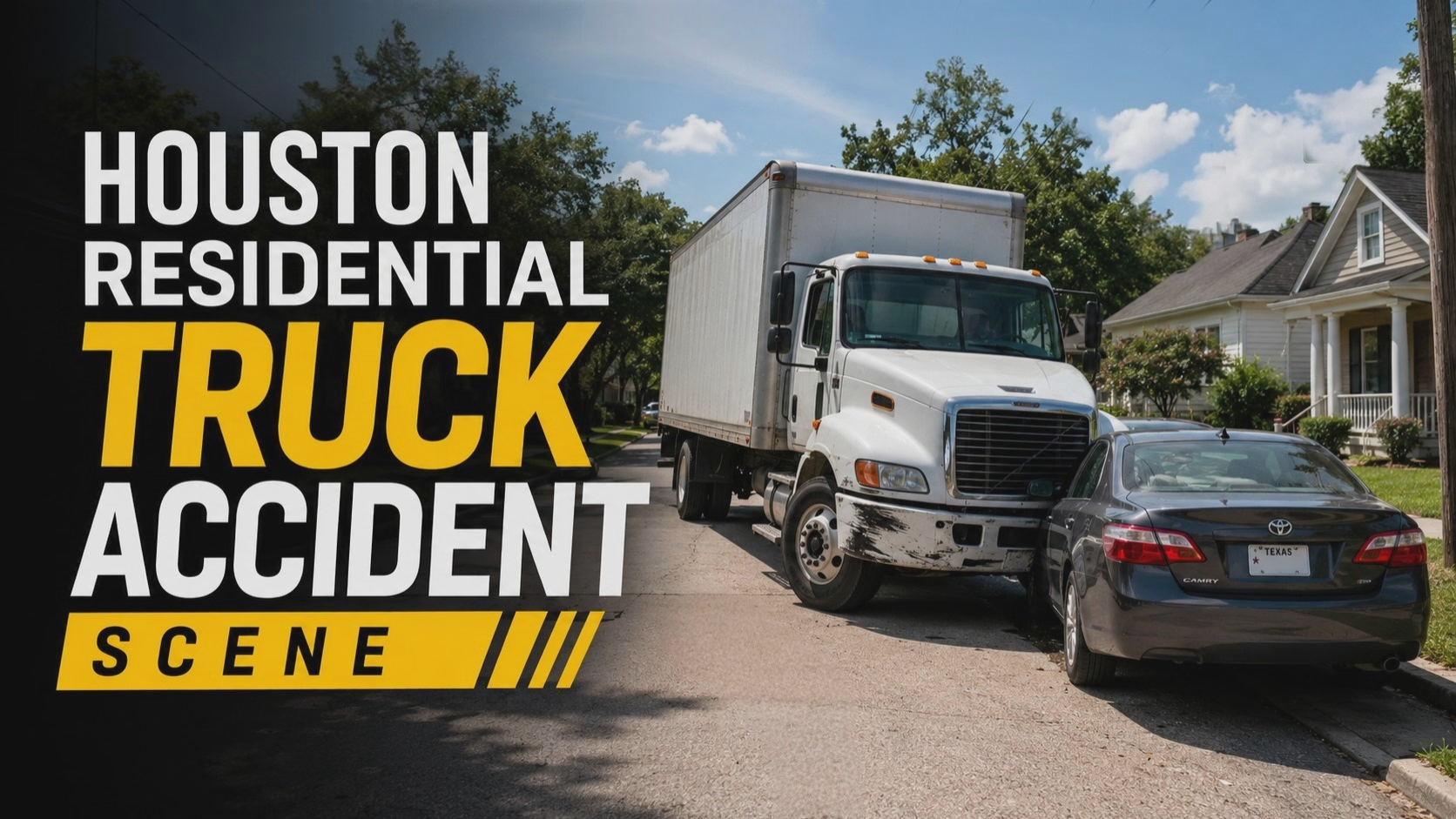
A commercial truck accident in a Houston residential area changes the risk profile of a crash. Speed limits are lower, sightlines are shorter because of parked vehicles and neighborhood infrastructure, and pedestrians, cyclists, and children often share streets with vehicles that were designed primarily for commercial transportation rather than residential traffic.
Attorneys who regularly investigate these collisions understand how roadway design, vehicle weight, driver responsibilities, and federal or state regulations combine to affect liability.
In Houston, Sutliff & Stout built a practice around complex commercial vehicle litigation. Their truck accident attorney has been part of The Million Dollar Advocates Forum due to their excellence in personal injury law. Reflecting the level of experience often required in cases involving commercial trucks and catastrophic injuries.
If you were injured by a delivery van, moving truck, or box truck in a Houston residential neighborhood, knowing how vehicle classification, driver duties, and property layout contributed to the collision can shape both the investigation and the value of a legal claim.
Not All Commercial Trucks Weigh the Same
People often picture an 18-wheeler when they hear “commercial truck accident,” but Houston neighborhood collisions usually involve smaller vehicles that still outweigh a passenger car by a wide margin.
- Cargo vans and small delivery trucks, including Amazon, FedEx, and local courier fleet vehicles, commonly weigh several thousand pounds empty and more once loaded.
- Box trucks used by movers and furniture delivery outfits can weigh 10,000 to 26,000 pounds, putting many of them just below the threshold where a commercial driver’s license is required.
- Straight trucks for beverage, grocery, or appliance delivery can weigh 26,001 pounds or more, which does require CDL licensing and stricter federal oversight.
- Garbage and recycling trucks, common on Houston residential routes, can weigh roughly 50,000 to 60,000 pounds when full, making them some of the heaviest vehicles regularly present on neighborhood streets.
A standard passenger sedan weighs roughly 3,000 to 4,000 pounds.
Even a smaller delivery van can significantly outweigh that car, especially once loaded. That weight gap is why a low-speed Houston residential collision with a commercial vehicle can cause injuries far beyond what the same impact would cause between two cars.
Why Houston Residential Streets Amplify the Risk
Highways are built for trucks. Residential streets are not. Several factors specific to Houston neighborhoods raise the danger level:
- Narrow lanes and parked cars. Delivery drivers frequently double-park or pull partially into a lane to reach a driveway, cutting visibility for other drivers and for children on bikes.
- Frequent stops and reversing. Movers and delivery drivers are constantly going back into driveways and cul-de-sacs. Backover accidents are among the most serious risks near homes, since drivers have limited rear visibility in box trucks and vans.
- Lower driver familiarity. Contract and gig delivery drivers often cover unfamiliar Houston routes, increasing the chance of missed stop signs, wrong turns into dead ends, or misjudged clearance around parked vehicles and trees.
- Pedestrian density. Houston residential blocks have kids playing, people walking dogs, and joggers using the street where sidewalks are absent. A truck weighing 10,000 pounds needs significantly more stopping distance than a car, and that distance rarely exists on a short block.
What Happens Immediately After the Crash
The sequence typically follows a pattern, but the details matter for any later claim.
- Police respond and generate a crash report, which documents vehicle information, driver information, and preliminary fault indicators.
- The trucking or delivery company’s insurer is notified, often within hours, and may send an adjuster or investigator to the scene before the injured party has even left the hospital.
- Data from the truck itself, including telematics, GPS logs, and in some cases dashcam footage, becomes available and is frequently subject to rapid deletion policies if not preserved quickly.
- Medical treatment begins, and documentation from this point forward becomes central to any injury claim, since gaps in treatment are commonly used by insurers to argue the injury was minor or unrelated.
Sutliff & Stout emphasizes that Houston residential truck accident cases often move faster than people expect on the corporate side, which is one reason evidence preservation early matters as much as it does on any commercial vehicle claim.
Liability Can Involve More Than the Driver
In a car-to-car accident, liability usually stays between the two drivers. Commercial truck cases in Houston residential areas frequently involve additional parties:
- The delivery or moving company, which may be liable for negligent hiring, inadequate training, or unsafe scheduling that pressured a driver to rush.
- A third-party logistics contractor, common with gig-based delivery platforms, where the company that owns the app is not always the employer of record.
- Vehicle maintenance provider, if brake failure, tire blowout or mechanical defect contributed to the crash.
- A public entity, in rare cases and subject to Texas notice and immunity rules, where roadway design, poor signage, or a known dangerous condition contributed to the collision.
Sorting out which party or parties carried responsibility is one of the more complex parts of these cases, since commercial insurance policies, subcontractor agreements, and employment classifications all affect who ultimately pays.
Common Injuries from Low-Speed, High-Weight Impacts
Because Houston residential crashes often happen at lower speeds, some people assume injuries will be minor. The physics tell a different story. A loaded box truck striking a car or pedestrian at 15 to 20 mph can still generate enough force to cause:
- Fractures, particularly in pedestrians and cyclists struck directly.
- Traumatic brain injury from secondary impact, even without direct head contact with the truck.
- Spinal injury from the compressive force of a heavier vehicle.
- Soft tissue and whiplash injuries that worsen over the days following the crash rather than appearing immediately.
Delayed symptoms are common enough that seeking medical evaluation the same day, even without obvious injury, is one of the most protective steps a person can take after any commercial truck accident.
What to Do If This Happens Near Your Houston Home
- Call 911 and request police response, even for what looks like a minor collision.
- Photograph the truck’s company markings, license plate, and position relative to driveways, stop signs, or parked cars.
- Get contact information from any neighbors who witnessed the crash, since Houston residential incidents often have fewer independent witnesses than busier roads.
- Seek medical attention promptly, even if injuries seem minor.
- Avoid giving a recorded statement to the trucking company’s insurer before speaking with an attorney.
The board-certified personal injury trial attorneys at Sutliff & Stout have represented injury victims across Houston and Texas for more than 50 years of combined experience, with a specific focus on commercial vehicle cases where corporate insurers move quickly to limit their exposure.
If a delivery truck, moving van, or box truck has injured you or a family member in your own Houston neighborhood, understanding the weight class involved and the parties behind the wheel is the first step toward holding the right party accountable.