- Why Stadium Events Complicate City Moves
- Check the Event Calendar Before You Book
- Coordinate With Your Moving Company Early
- Map Out a Traffic-Proof Route
- Time Your Move Around Peak Congestion
- Prepare Your Building and Neighborhood
- Pack and Stage for Efficiency
- Have a Backup Plan
- How to Keep Your Move on Track
Moving in or out of Uptown Charlotte, NC, is tough enough on an average day. But when a major game or concert hits town, a routine move can easily stall in bumper-to-bumper traffic. If your place sits anywhere near a stadium or venue, booking your move around the event schedule is the only way to avoid losing hours on the road. Use these urban moving strategies to bypass the congestion and keep your relocation on track.
Why Stadium Events Complicate City Moves
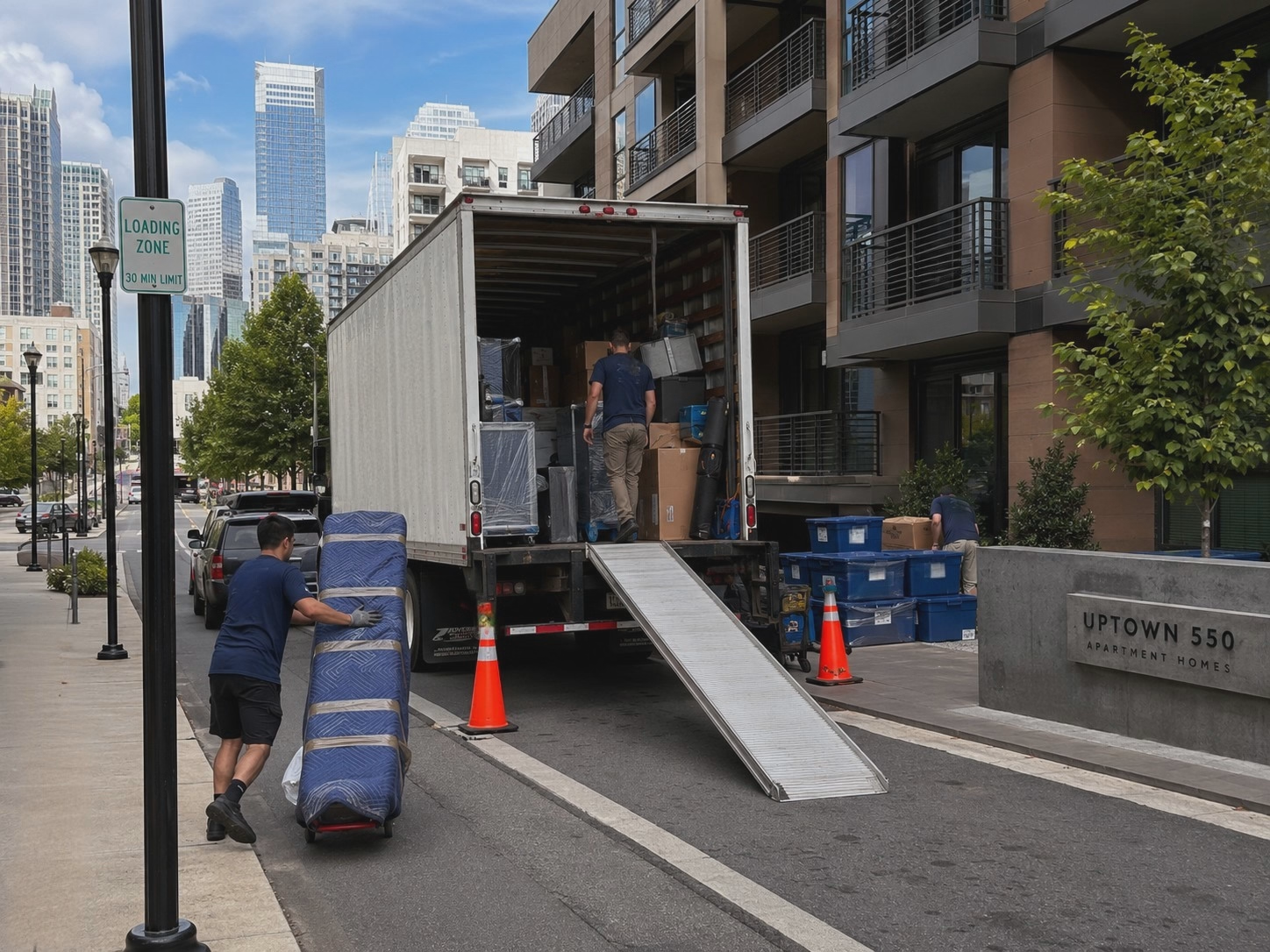
Sports stadiums and large arenas draw thousands of fans into a concentrated area in a short window. Roads become congested hours before kickoff or showtime, and parking lots and decks fill up quickly. That kind of traffic is more than an inconvenience for a moving truck, which needs open access to streets, space to load and room to turn. It can delay the entire move.
When planning a move near sports stadiums, you need to think beyond the event itself. Pregame tailgating, shuttle routes, parking deck traffic, rideshare pickups, and post-event congestion can stretch delays across much of the day. Knowing that pattern is the first step toward avoiding it.
Check the Event Calendar Before You Book
The best time to schedule a move around stadium events is much easier to spot once you know what is on the calendar. Most professional sports teams and large venues publish their schedules months in advance. Before you lock in a moving date, compare it with local team schedules, arena event listings, and planned street closures.
- Check multiple venues. Charlotte has several event-heavy venues in and around Uptown, including Bank of America Stadium, Spectrum Center, and Truist Field. A football game, soccer match, basketball game, or concert can create traffic that reaches well beyond the blocks around the venue.
- Look at weekend schedules carefully. Saturday and Sunday games are common, and many people prefer to move on weekends. That overlap is where most moving-day problems happen.
- Consider midweek moves. Tuesday, Wednesday, and Thursday often give you a cleaner window for city relocation, helping you avoid both game day traffic and weekend congestion.
Coordinate With Your Moving Company Early
A professional moving team that handles urban moves should already know how event traffic affects Uptown Charlotte. When you discuss your move, be clear about how close your home is to any stadiums, arenas, or event venues. If you can, give cross streets instead of only saying “Uptown.”
Working with a reliable moving company in Charlotte that understands the local layout and event schedules can save you time and stress.
Early booking also matters. Moving companies in high-density areas fill up quickly on popular dates. If your moving day is close to a big event, reputable companies may already be booked or their prices may be hiked up due to peak demand.
Map Out a Traffic-Proof Route
When you’re navigating around stadium crowds, your route is everything. On event days, major streets near the venue may be backed up, blocked or temporarily rerouted. Here’s how to prepare.
- Identify alternate routes in advance. Map out at least two backup routes to your origin and destination addresses that avoid the stadium perimeter.
- Start earlier than you think you need to. If an event starts around midday, traffic can begin building hours beforehand. Starting early in the morning gives you a better window before congestion sets in.
- Before you do anything, confirm parking and right-of-way requirements. In Charlotte, you may need permission if you’ll park a moving truck, container or equipment in a traffic lane, sidewalk, planting strip or any other part of the public right-of-way. Check the requirements early so you have access for the date and hours you need.
- Communicate with building management. If you are moving into or out of an apartment or condo building, reserve elevators and loading dock access ahead of time so you are not competing with other residents, deliveries, or event-day restrictions.
Time Your Move Around Peak Congestion
The timing of your move can matter as much as the route you choose. On game or concert days, traffic usually comes in waves. Try to schedule loading and unloading outside the worst windows.
- Move early in the morning. Starting at dawn or shortly after often gives you several hours of lighter traffic, even on busy event days.
- Avoid midday starts. Late-morning or early-afternoon moves can overlap with pre-event arrivals, especially for afternoon games.
- Consider late-evening moves. If your building allows after-hours moves, starting after crowds have cleared can help you avoid both inbound and outbound traffic surges.
Prepare Your Building and Neighborhood
Stadium traffic can affect more than the main roads. It can change who can park on your street, how guests enter your building, and whether your loading area stays clear.
- Talk to neighbors. Let nearby residents know your moving date so they can avoid parking in the loading area you reserved or need for truck access.
- Confirm building policies. Some Uptown buildings limit move-ins on major event days or during busy loading dock hours. Get that answer before you book the movers.
- Coordinate with security or concierge staff. Tell them when your movers will arrive, which entrance they will use, where the truck will load, and how long the crew expects to be there. A quick heads-up can prevent front-desk confusion on moving day.
Pack and Stage for Efficiency
When your access window is tight, small delays matter. The goal is to keep the truck moving, not parked while everyone looks for tape, tools, or missing boxes.
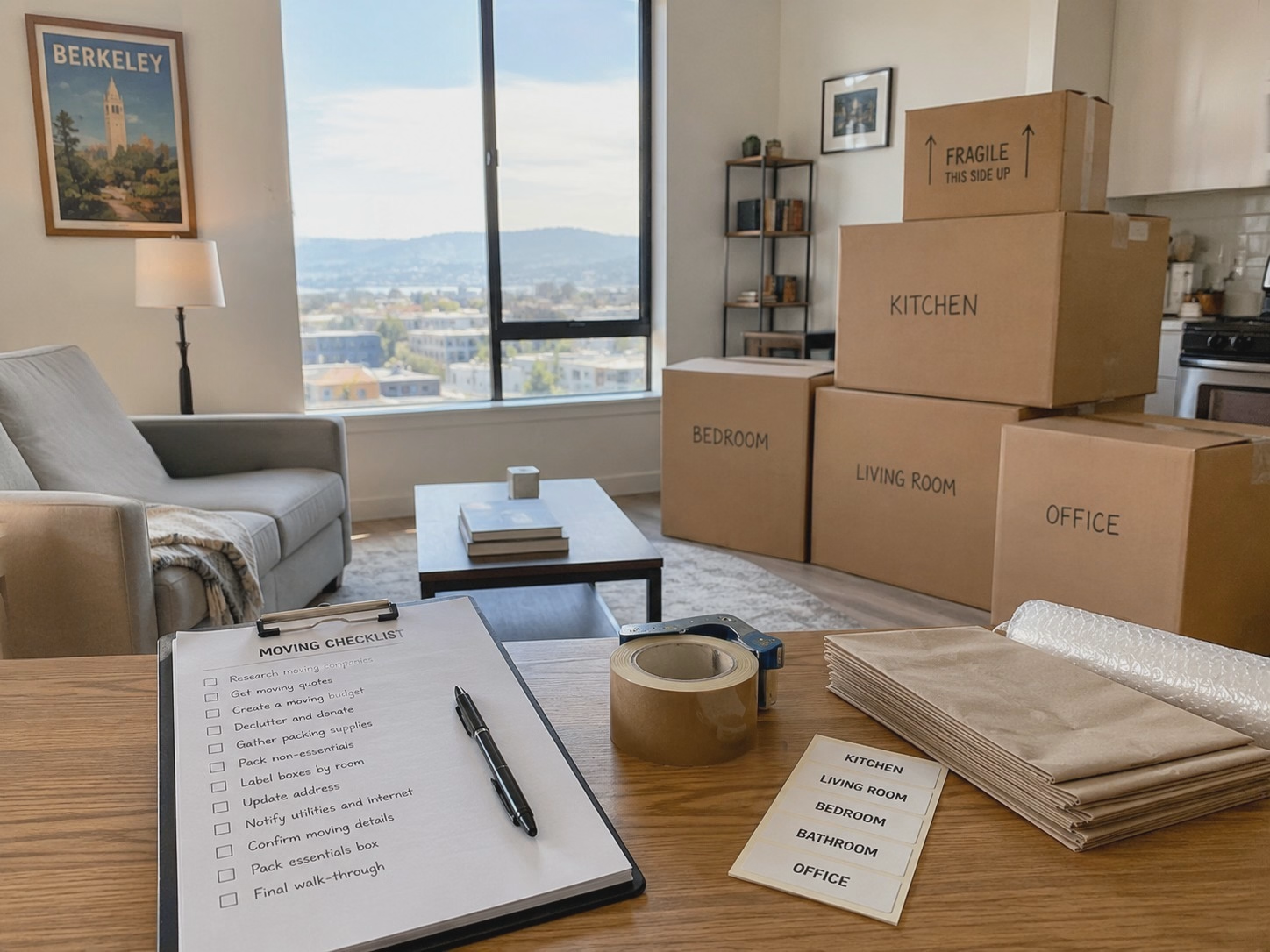
- Finish packing before moving day. Do not leave last-minute boxes for the morning of the move. Have everything boxed, labeled, and ready to go before the movers arrive.
- Stage items near the exit. Place packed boxes and small furniture close to the door without blocking hallways, stairs, or fire exits.
- Disassemble large furniture in advance. Taking apart beds, shelving, and tables before movers arrive saves time and reduces hallway congestion. Keep hardware in labeled bags so nothing gets lost.
Have a Backup Plan
Even with careful planning, stadium traffic can change fast. Street closures, rideshare backups, full parking decks, and elevator delays can all throw off the timing.
- Build extra time into your schedule. Give yourself a buffer for traffic delays, loading dock holdups, or elevator queues.
- Be flexible with timing. Ask your movers ahead of time if there’s any wiggle room to move the start time if traffic reports show a better window.
- Monitor real-time traffic updates. Use navigation apps and local traffic reports on moving day so you and your movers can adjust routes as needed.
How to Keep Your Move on Track
Planning a move around stadium traffic is mostly about checking the right things early. Start with event calendars, planned street closures, route options, and building rules before you commit to a moving date.
Pair that with organized packing, reserved loading access and clear communication with your movers and building staff. With a little local planning, even an Uptown Charlotte move near Bank of America Stadium, Spectrum Center or Truist Field can stay on schedule.