Moving an office in downtown Chicago is nothing like a typical residential move. You aren’t just packing boxes. You’re dealing with strict property managers, shared loading docks, and high-rise freight elevators that can book up early.
Whether you are relocating a law firm on Michigan Avenue or a tech office in the Loop, understanding how to handle freight elevator reservation protocols can save you from costly delays on moving day.
Partnering with trusted Chicago movers can also help you navigate these requirements efficiently.
Get Building Management on Board Early
Don’t assume you can show up with a moving truck. Talk to property managers at both your old and new buildings as early as possible. A lot of downtown buildings require advance notice for large deliveries, move-ins, and move-outs. And if you’re moving at the end of the month, the freight elevator may already be booked.
Ask them straight up:
- Exactly what hours are we allowed to move?
- Do we have to pay to use the dock or freight elevator?
- Are there hard limits on load weight or specific cart types?
- Who is our day-of contact when moving day comes around?
- Do you need our mover’s Certificate of Insurance (COI) on file?
Get everything in writing. If a dispute comes up mid-move, you’ll want a written record.
Navigating the Loading Dock
Downtown docks are notoriously crowded. Your moving crew may be sharing a single dock with FedEx trucks, HVAC contractors, office deliveries, and everyone in between.
To keep things moving:
- Reserve your slot: Don’t just request a window. Get a confirmed time slot in writing.
- Know the dock dimensions: Measure the height clearance, turning radius, and platform height before your moving company selects a truck.
- Ask about dock equipment: See if the building provides a leveler or dock plate, or if the crew needs to bring their own.
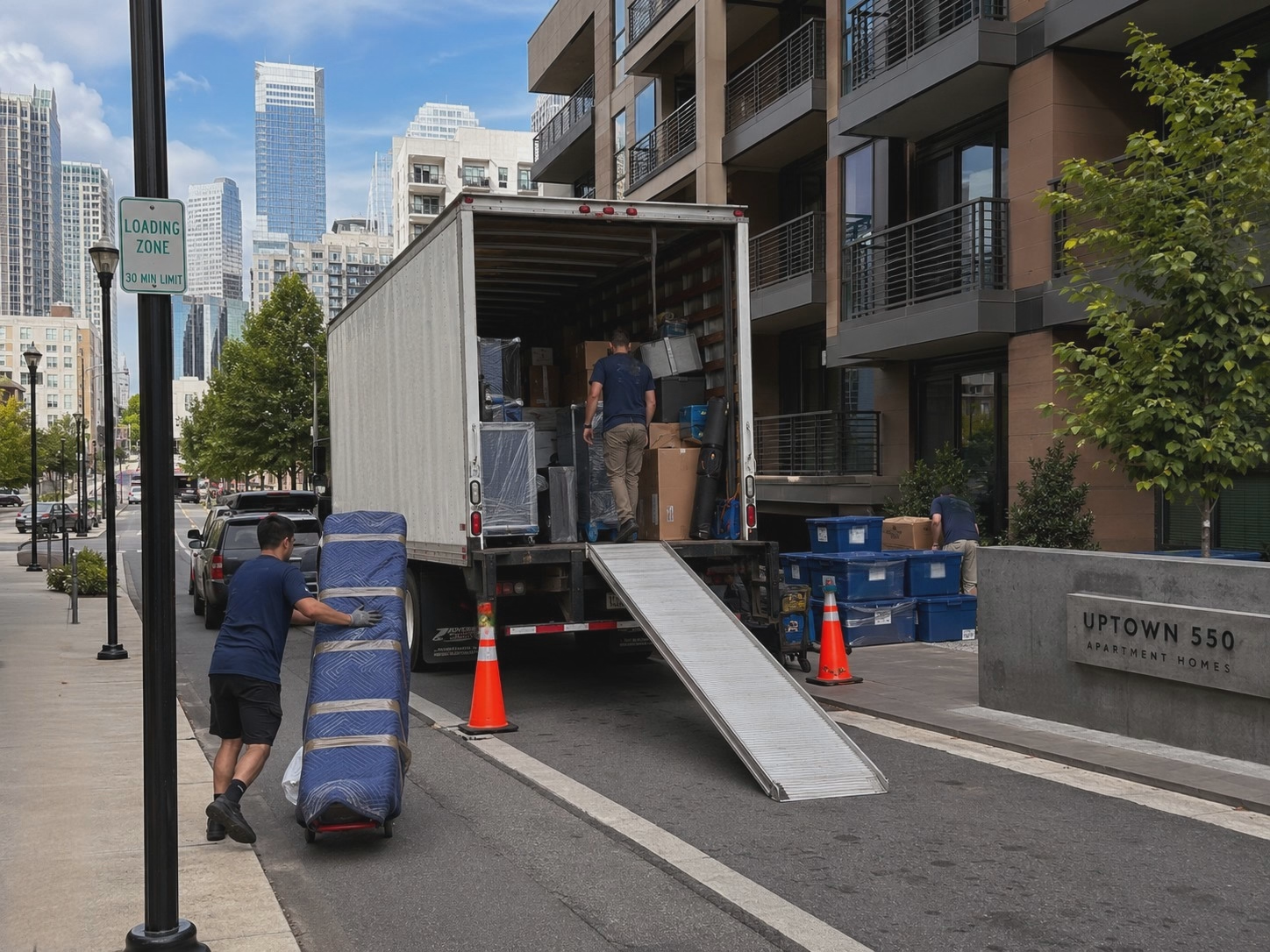
- No dock? Check parking rules early: If the truck has to stage on the street, confirm whether you need curb-use approval, temporary no-parking signs, or another permit through the City of Chicago or the building. Don’t leave this until the last minute.
The Deal with Freight Elevators
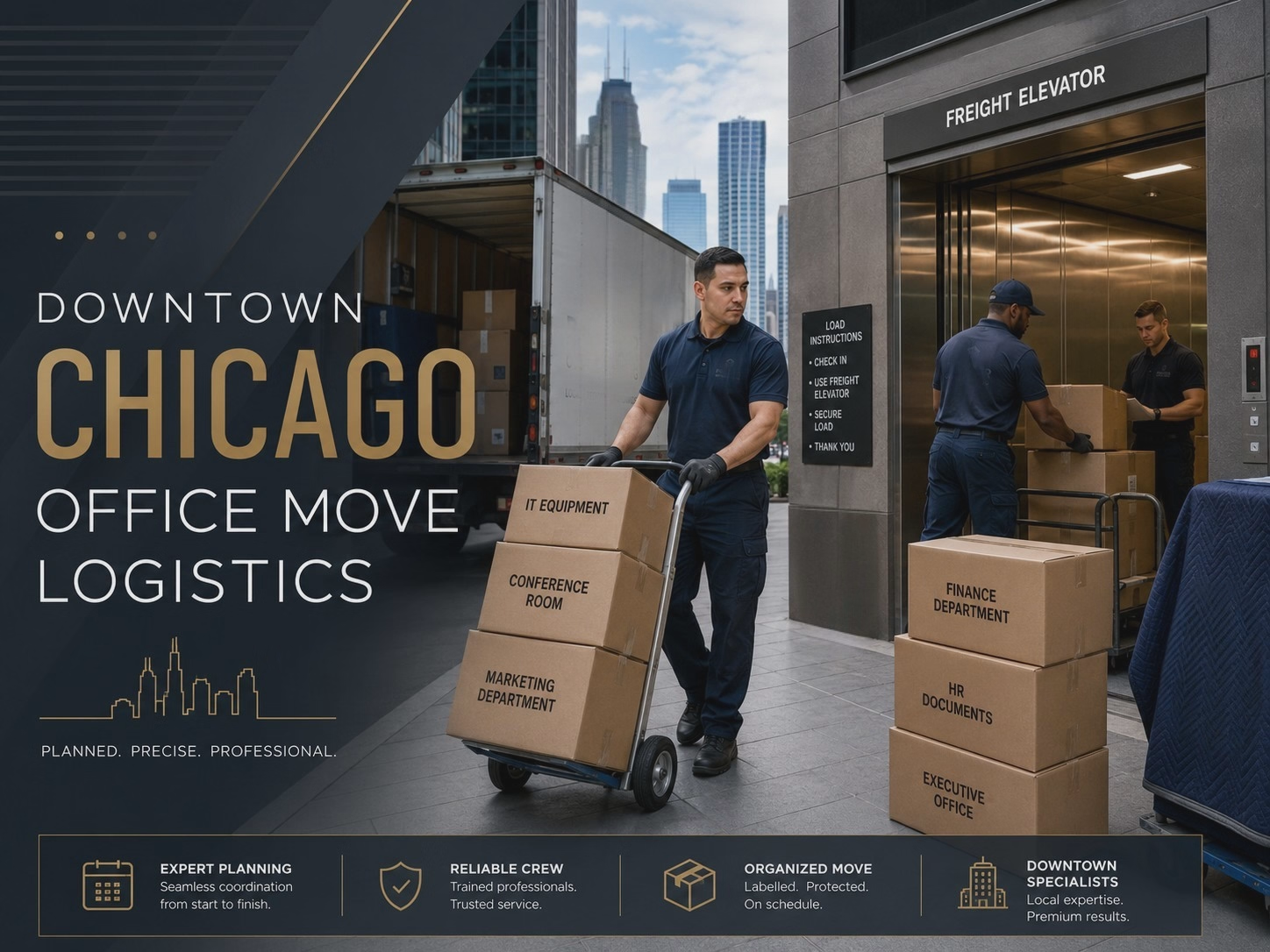
Chicago high-rises usually won’t let you haul office desks through the passenger elevator. You’ll typically get a padded freight or service elevator reserved for your team, but the rules can be strict.
Expect building-specific weight limits, often in the mid-thousands of pounds per trip. Building management may also require floor and wall protection, a COI on file, and a building rep or security guard on site during the move. Because nobody wants a crowded lobby during business hours, your move may need to happen at night, over the weekend, or during a specific after-hours window.
If you go over your reserved time, be ready for overtime fees or the risk of losing access to the elevator. Build a realistic buffer into your timeline.
The Quick Checklist
Use this checklist to keep your move on track.
- Give building managers as much notice as possible, ideally 30 days.
- Lock in freight elevator and dock times in writing.
- Match the moving truck size to the dock dimensions.
- Hand over any required COIs.
- Check street parking, loading-zone, or permit requirements if the truck can’t use a dock.
- Double-check weekend or after-hours restrictions.
- Confirm elevator weight limits.
- Book on-site security if the building requires it.
- Label every box, chair, and desk with the correct suite number.
- Keep your staff and moving crew on the same page.
Bringing It All Together
A downtown Chicago office move comes down to logistics. If you handle the dock and elevator reservations early and get the building’s rules in writing, you’re much less likely to run into expensive surprises. Take care of the boring details upfront so your team can get back to work faster.