A good dining table works hard in a family home. Between homework, craft projects, spilled drinks, and hot plates, the surface can start showing wear faster than you’d expect. A table protector may not sound exciting, but it can save your table from a lot of everyday damage.
Glass Table Protectors: Durable but Expensive
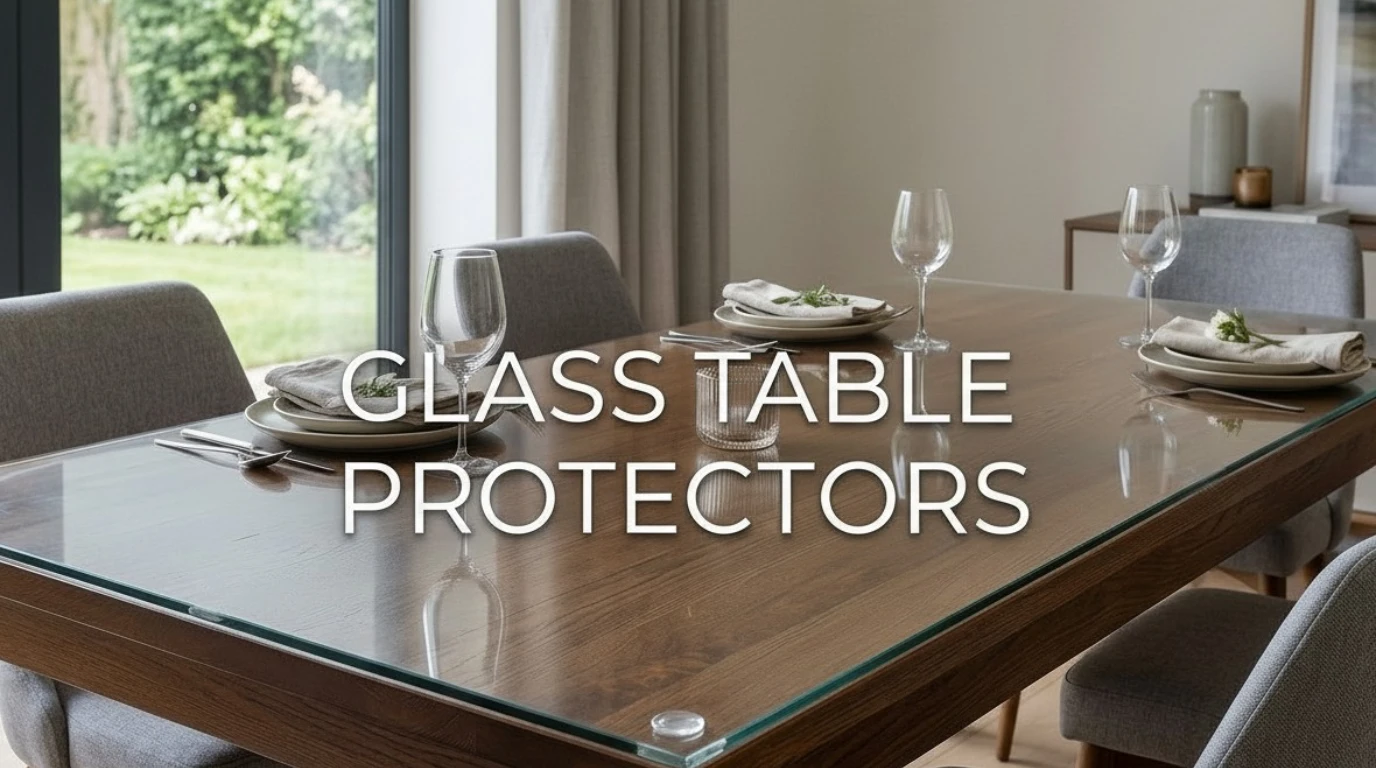
Tempered glass is the high-end choice, and it looks like one. It sits flat, wipes clean easily, and gives the table a sleek finish without hiding the surface underneath. It also handles heat well, so hot mugs and serving dishes usually aren’t a problem.
The main drawbacks are weight and price. A custom-cut glass top for a large dining table can be expensive, and if it chips or cracks, you’re usually replacing the whole piece. If you have young kids at home, the weight and risk of breakage are worth thinking through.
Clear Acrylic: The Best Middle Ground
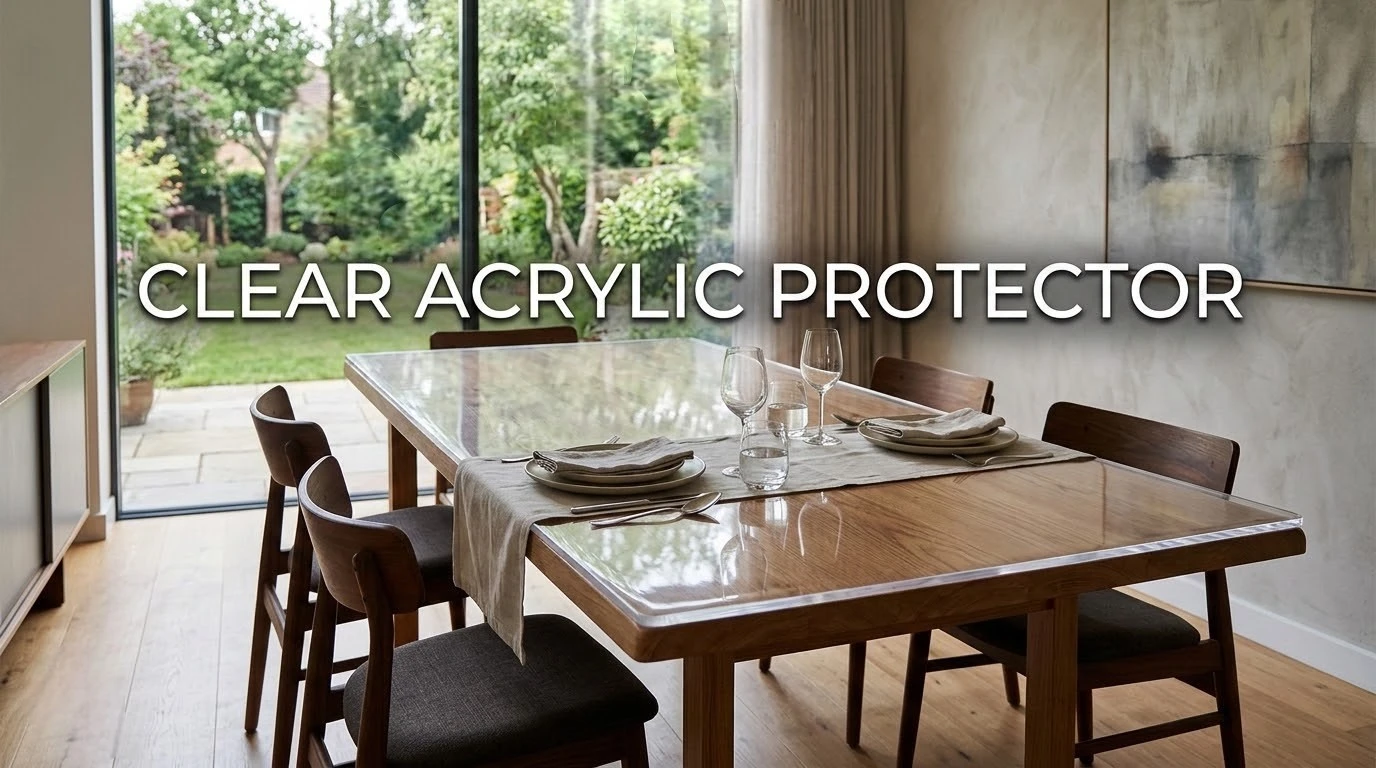
Acrylic is a popular option for families who want a glass-like look without the heavy price tag or the breakage risk. Clear acrylic sheets lie flat over the table, so the wood grain or finish still shows through. They’re much lighter than glass and won’t shatter if they get bumped.
Acrylic can scratch over time, especially if kids are using the table for homework, crafts, or play. You’ll also want to use trivets for hot dishes. Still, compared with PVC, acrylic is less likely to feel overly warm or discolor in direct sunlight, which makes it a better choice for bright rooms.
PVC Tablecloths: Budget-Friendly but Limited
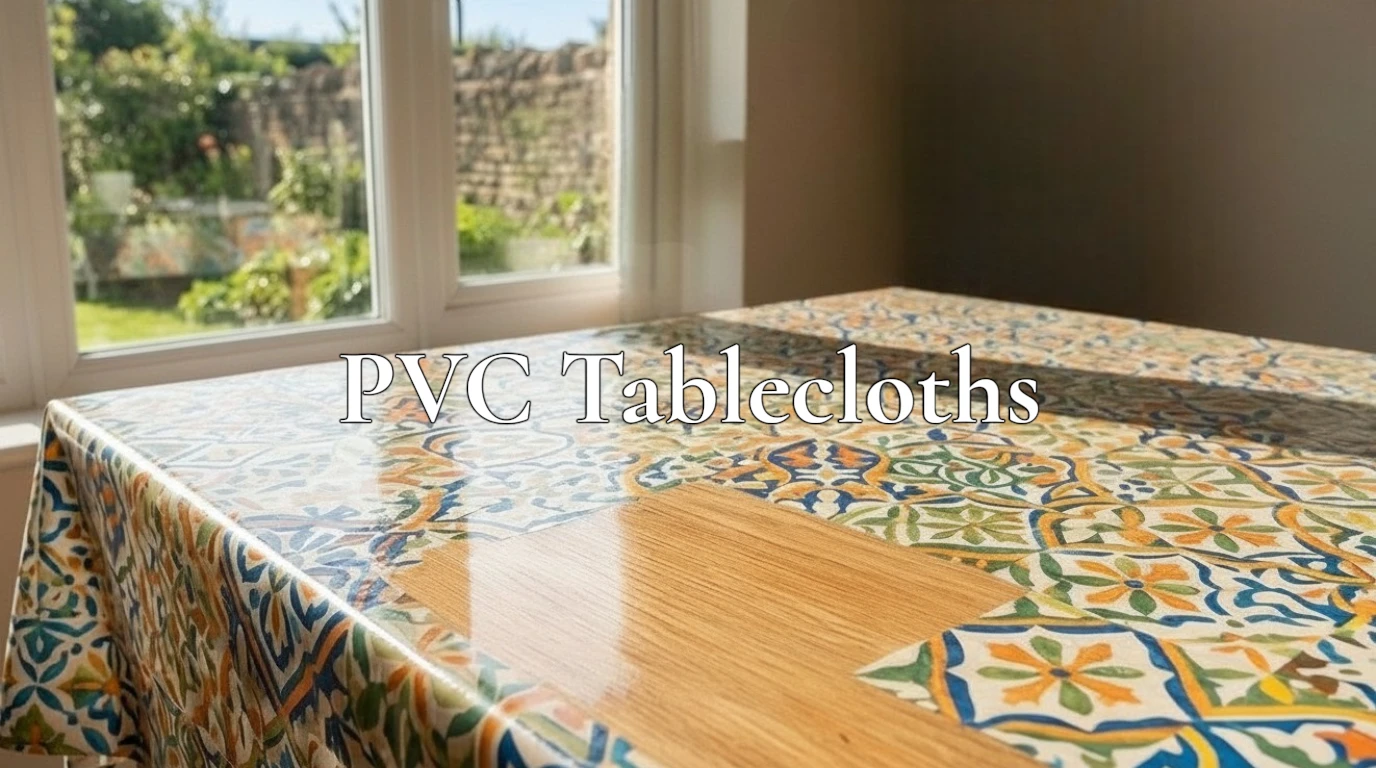
PVC table protectors are usually the cheapest option, and they’re easy to find in most big-box stores. They’re waterproof, easy to wipe down, and available in plenty of patterns and sizes.
The downside is that PVC doesn’t breathe. In a warm room or direct sunlight, the surface can feel uncomfortably warm, and over time it may yellow or turn tacky. It can also sit unevenly on the table. For short-term use, PVC is fine. As a long-term solution for a table you care about, though, it usually doesn’t hold up as well.
Traditional Tablecloths: More Style Than Protection
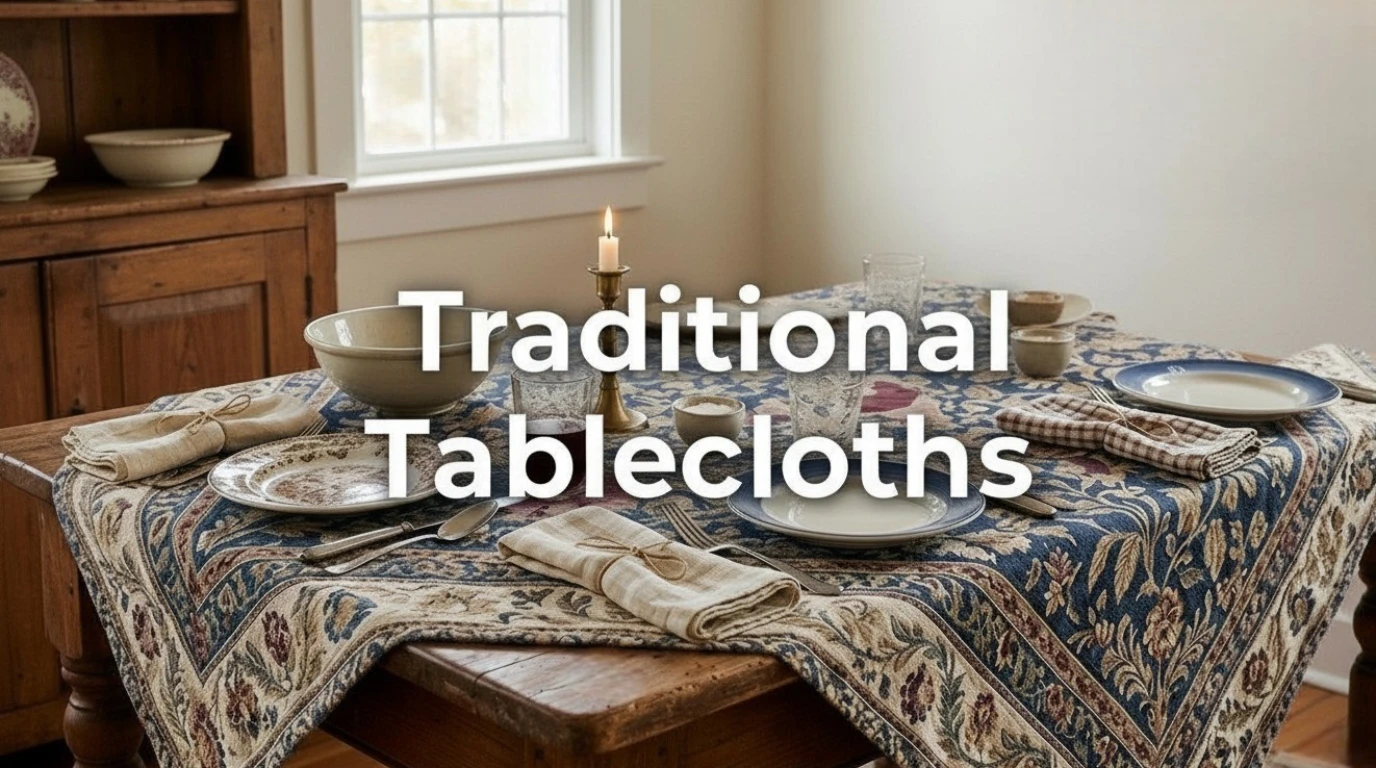
Fabric tablecloths have been protecting tables for centuries, and they’re not going anywhere. A good-quality tablecloth can make a room feel warmer and more finished, and there are endless styles to choose from.
The practical downsides are pretty clear. Fabric absorbs spills instead of repelling them, and frequent washing can get old fast. Felt-backed tablecloths offer more protection than standard fabric, but they still won’t handle wet paint, craft glue, or a spilled glass of juice the way a solid surface protector will.
If looks matter most and your table doesn’t get heavy daily use, a tablecloth still makes sense. But if kids are eating, drawing, and doing homework at the table every day, you’ll probably want something more durable.
What to Consider Before You Buy
Before choosing a protector, think about how your table is used.
- Heat exposure: Glass handles heat best. Acrylic is fine with trivets, while fabric and PVC offer less protection.
- Scratch resistance: Glass is the strongest option here. Acrylic can scratch, but it’s also cheaper to replace.
- Budget: PVC and fabric are the most affordable. Acrylic sits in the middle, while glass is usually the most expensive.
- Appearance: If you want the tabletop to show, glass or acrylic are the best choices. PVC and fabric will cover the surface completely.
- Weight and safety: Acrylic is the lightest solid option, which can be a big plus in homes with young children.
The Bottom Line
For most family homes, acrylic offers the best mix of practicality, price, and appearance. Glass is a great choice if your budget allows and you don’t have young children around. PVC and fabric can still be useful, but they’re usually better for occasional use than everyday protection.
In the end, the right choice depends on your table, your household, and how much daily wear the surface needs to handle.