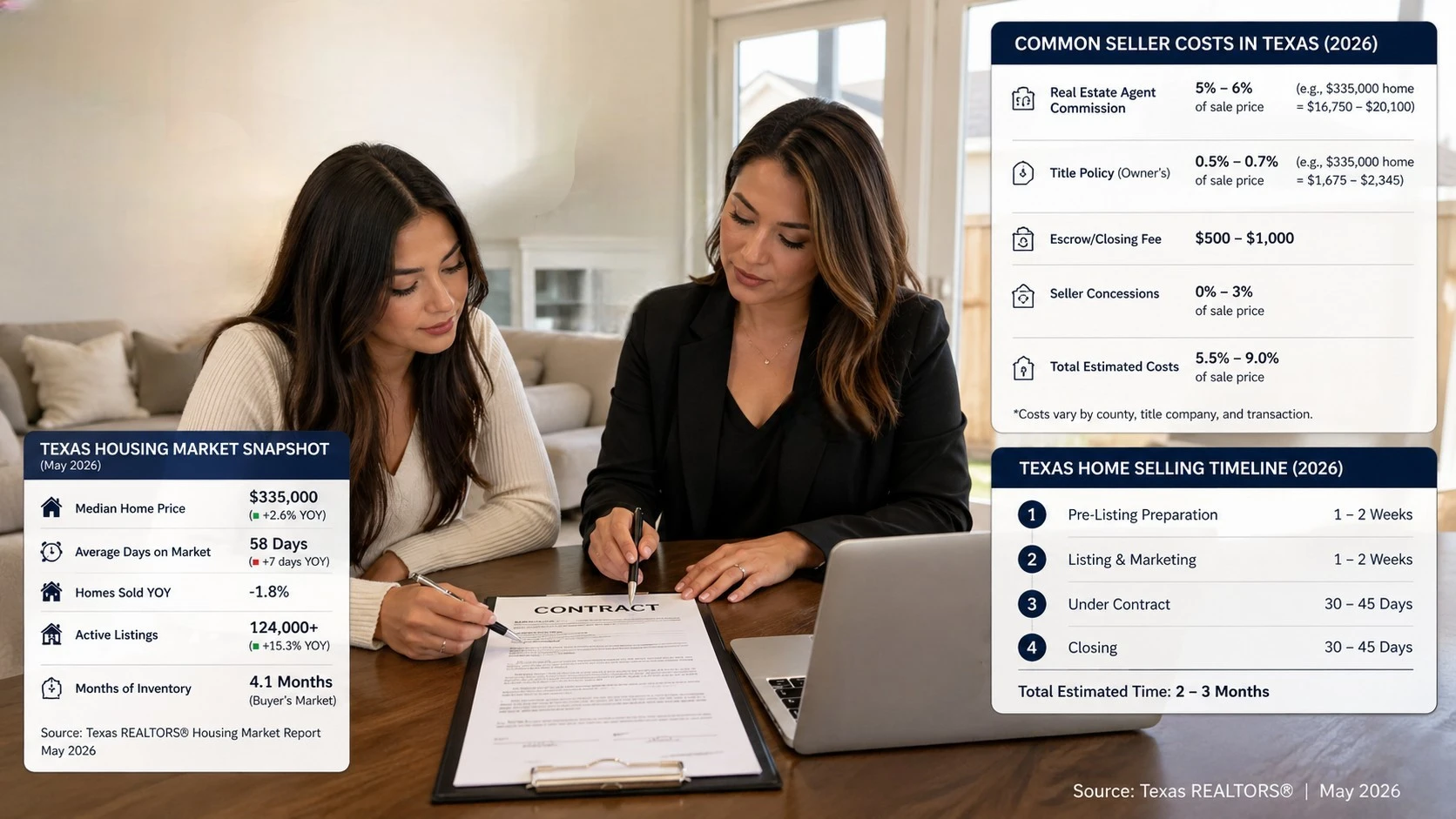
When buyers walk into a house, their eyes naturally travel upward. If the staircase sits in the entryway, the railing becomes one of the first design features they see. They notice it before they even take off their coats. That quick first impression sets the tone for how they view the rest of the property.
Many homeowners pour their renovation budgets into kitchens and bathrooms and treat the stairs as an afterthought. That is a mistake. A loose, shaky or mismatched railing can drag down the look of everything around it, regardless of how nice the hardwood floors are or how fresh the paint looks.
Updating a stair railing is actually one of the most affordable improvements sellers can make before listing. The payoff often surprises them.
First Impressions and Buyer Psychology
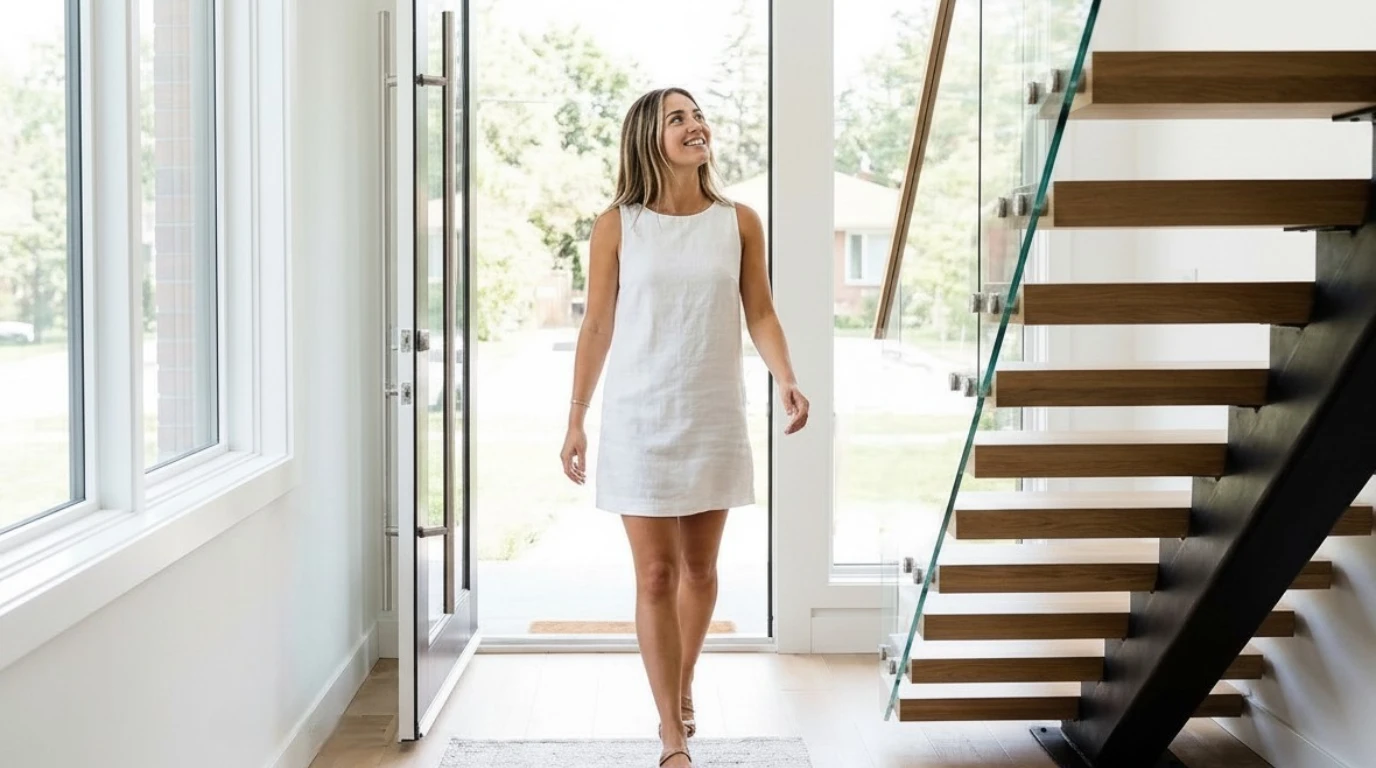
Real estate agents know buyers decide within the first ninety seconds whether they can see themselves living in a house. Since staircases usually sit right in the entryway or living room, they play a massive role in those initial moments.
An old oak railing with thick spindles and a honey-toned varnish instantly tells buyers the house hasn’t been updated since the early 2000s. They start calculating renovation costs in their heads. Even if the rest of the home looks great, a single dated staircase can make buyers question the quality of the other upgrades.
On the flip side, a clean new railing shows buyers the property is well-maintained. Whether it is black iron, cable, or smooth wood, it communicates that the home is move-in ready. That perception of a well-kept house often drives offers closer to the asking price.
Safety, Code Compliance, and Home Inspections
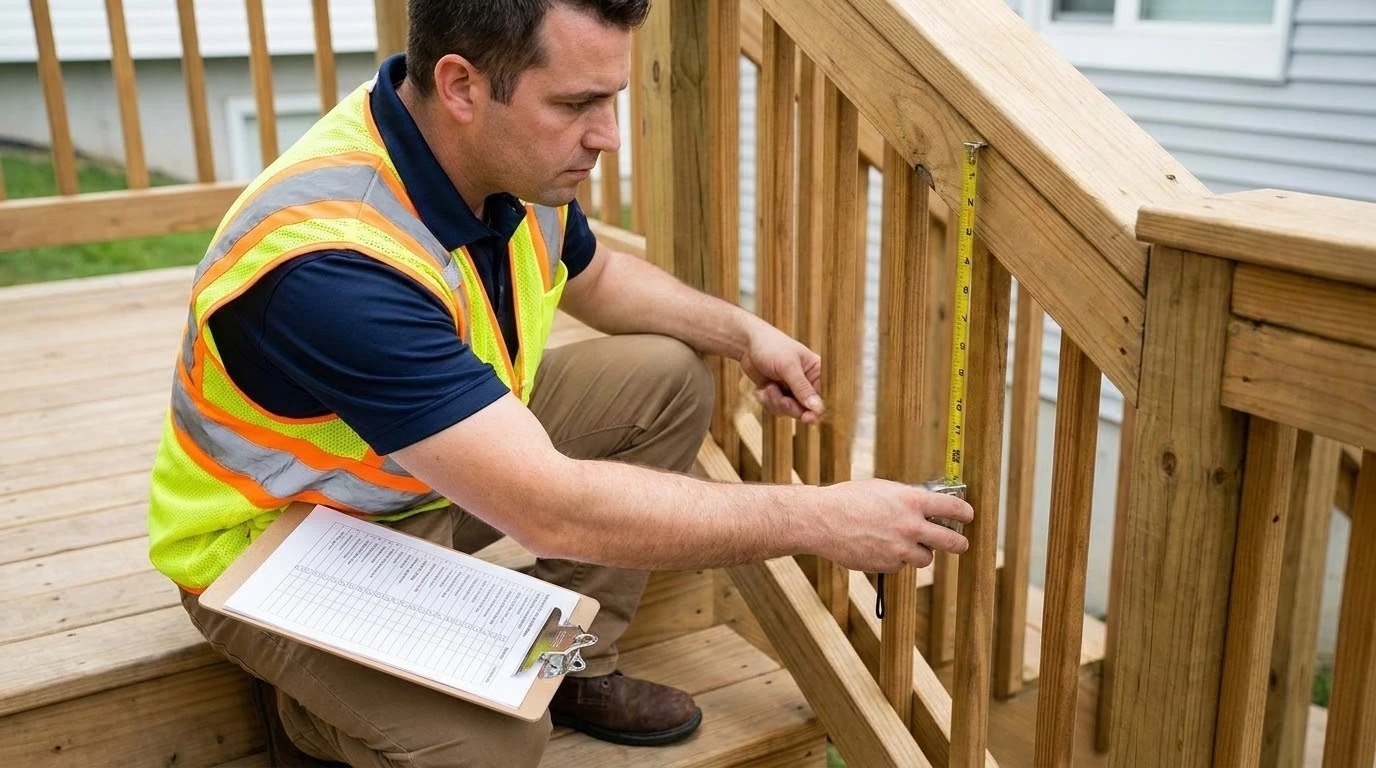
Beyond looks, a bad railing can seriously hurt a sale and sometimes even kill the deal. Home inspectors will flag railings that are wobbly, have baluster gaps wider than four inches, or sit below the required height. Buyers frequently use these safety flags to negotiate a lower price or walk away completely.
To a buyer, a loose railing is a major red flag. It suggests the sellers skipped basic maintenance and makes them wonder what other hidden problems exist. A simple safety issue like this can easily knock thousands of dollars off an offer.
Families with young kids and older buyers care deeply about staircase safety. If a family has a toddler or an aging grandparent, a risky banister can mentally disqualify the house before they even finish the tour. You never want to lose an entire group of buyers over something so easy to fix.
Return on Investment and Remodeling Costs
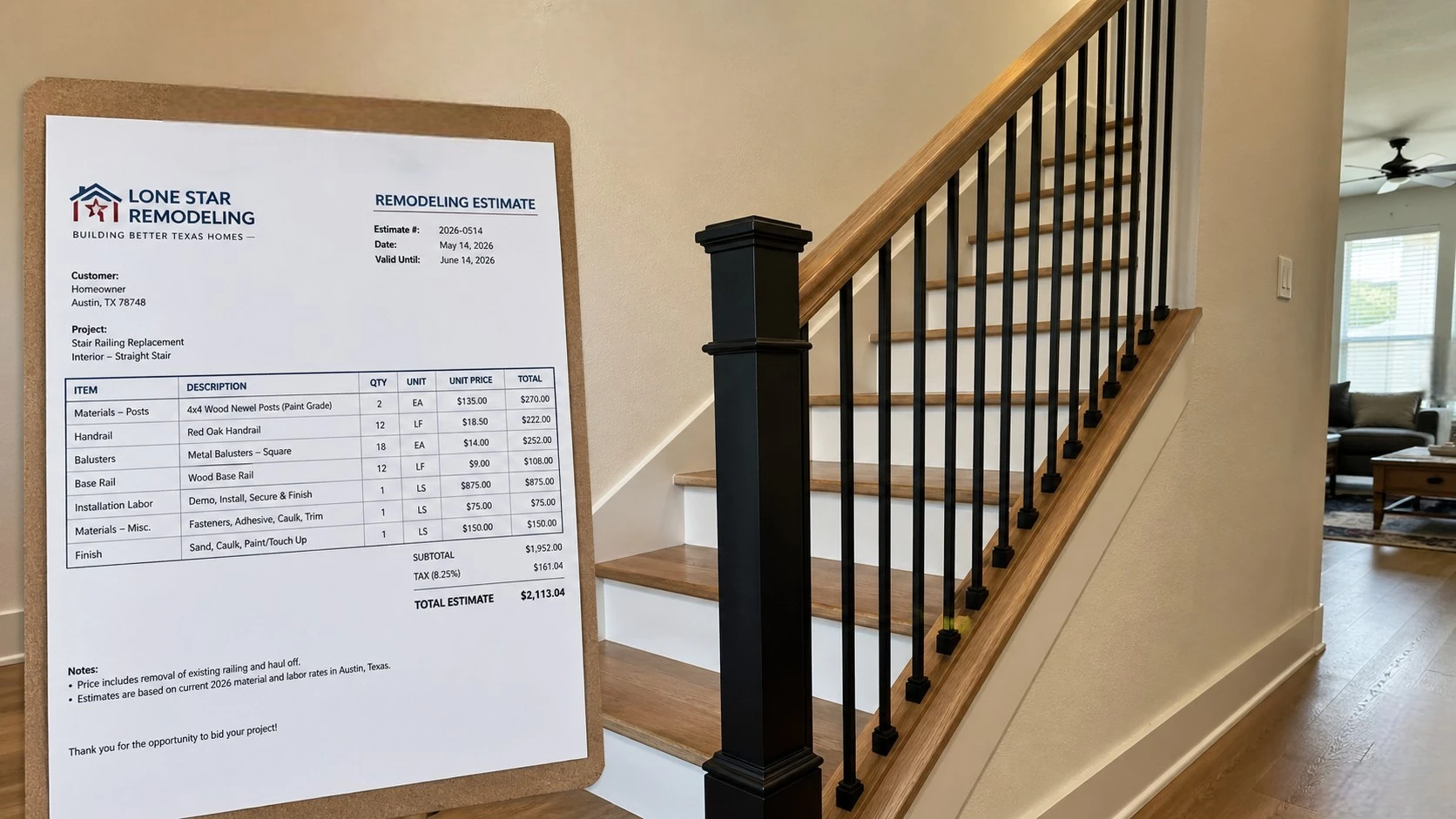
Here is where the numbers get interesting. A full staircase remodel with iron balusters and a new handrail typically runs between $2,000 and $6,000 depending on the length of the stairs and the materials used. Homeowners who work with dedicated specialists like sihandrails often find that custom iron options fall within a reasonable budget while completely updating the main floor.
Appraisers do not assign a specific dollar amount to railings. Instead, the upgrade boosts the overall interior condition rating of the home. Properties with updated staircases tend to appraise at the higher end of their neighborhood comparables. Depending on your local market, that difference can translate into $8,000 to $20,000 in extra equity.
Sellers typically recoup 70 to 90 percent of their investment on a railing upgrade, as long as the design fits the style of the home. Compare that to a major kitchen remodel, which usually returns about 60 percent. It is easy to see why smart sellers focus on the stairs. It is one of the highest-return updates you can make before putting a house on the market.
Real estate market data consistently shows that turnkey homes—properties requiring no immediate work—sell faster and for a premium. A secure, updated staircase signals to buyers that they are looking at a turnkey property, reducing their anxiety about unexpected post-closing costs.
Matching the Material to Your Home’s Style
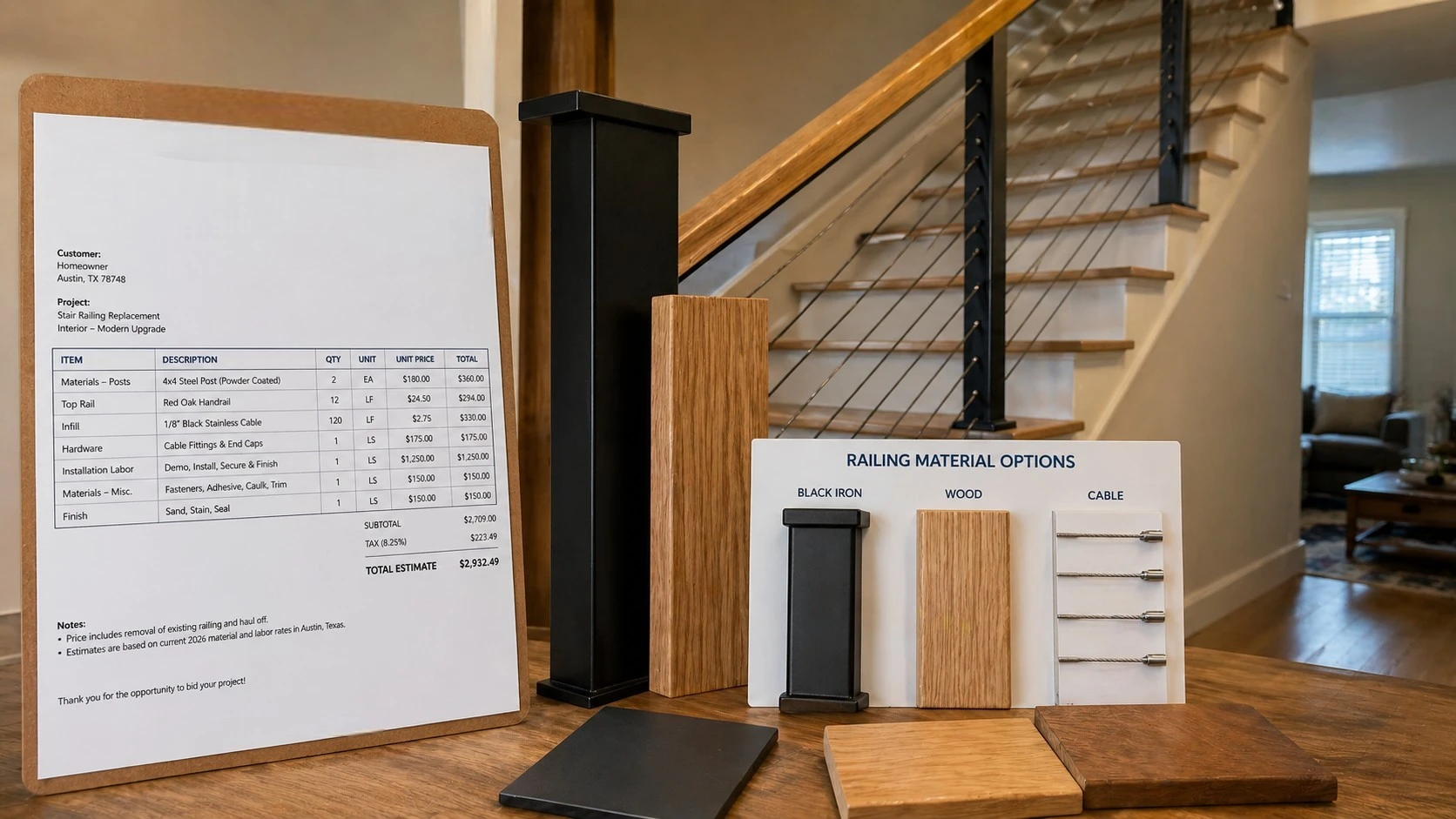
One of the biggest mistakes sellers make is installing a trendy railing that clashes with the rest of the house. An industrial cable railing looks completely out of place in a traditional colonial home, and hand-carved oak spindles do not belong in a modern loft. The railing needs to make sense with the architecture of the home.
In traditional or transitional houses, wrought iron with simple scroll or basket patterns is a great choice. It is a safe option that appeals to a wide audience and looks fantastic in listing photos. Buyers scrolling through real estate apps are often drawn in by the clean, classic look of wrought iron.
Black metal rails, horizontal cable systems, and minimalist wood designs work best in new builds or homes with open floor plans. These materials keep sightlines clear and make the space feel larger. That is a major selling point for smaller layouts. In open-concept homes where the stairs are visible from multiple rooms, the railing practically acts as a central piece of art for the main floor.
What to Do Before Listing
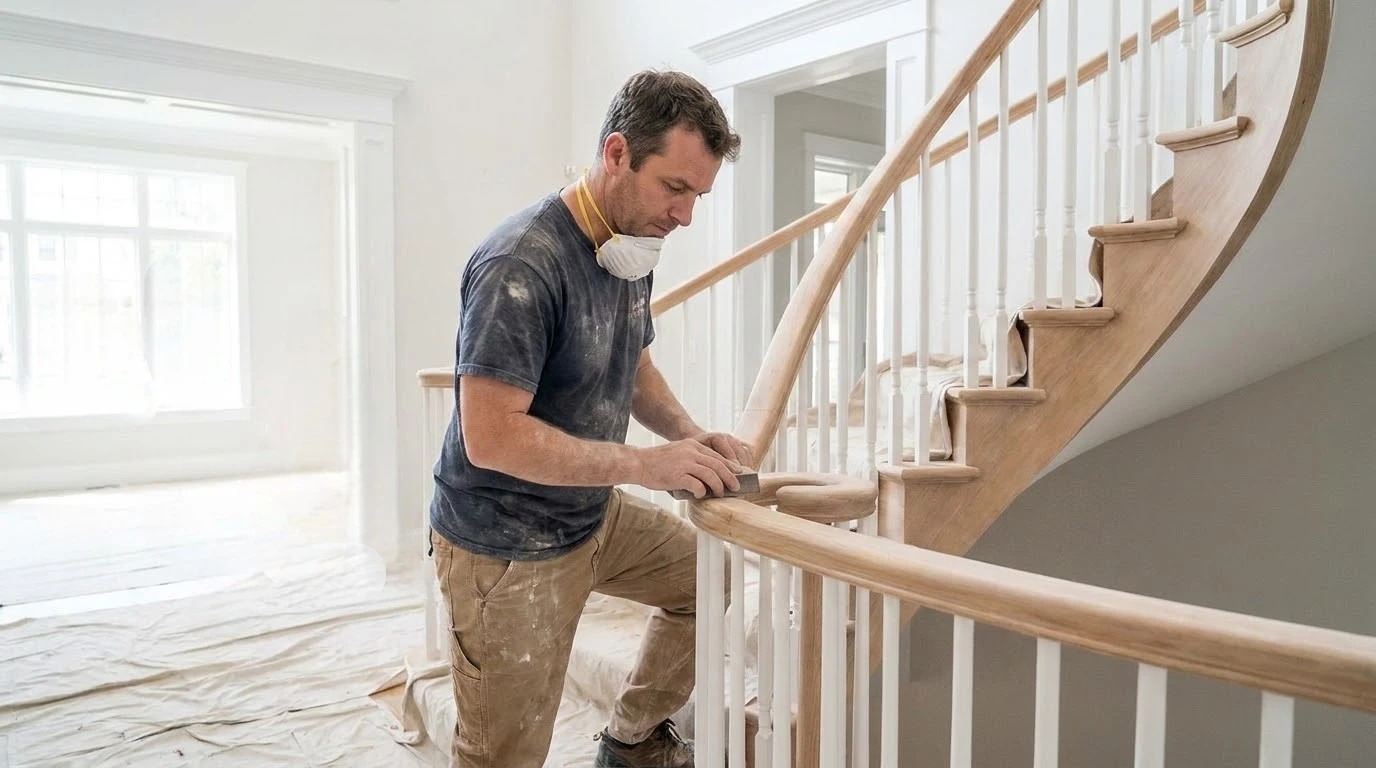
If your current railing is structurally sound but looks dated, refinishing goes a long way. Stripping the old varnish and applying a matte black or dark walnut stain costs just a few hundred dollars but completely modernizes the space. Swapping out bulky wooden balusters for sleek iron ones is another effective option. You can often do this for under $1,000 and get a totally new look.
If the railing is loose, cracked, or not up to code, tearing it out and installing a new one is your best move. Trying to patch up a failing railing just to sell the house is an inspection nightmare waiting to happen. Buyers and their agents can easily spot a rushed paint job masking a structural issue. Doing that is one of the fastest ways to lose their trust.
Timing matters too. Finish your staircase upgrades at least a few weeks before listing so it is ready for professional photos. A great listing photo gets more eyes on the property. An elegant staircase featured prominently online is often the hook that gets buyers through the front door.
According to the National Association of Realtors, over 90 percent of buyers begin their home search online. The main listing photo is your one chance to make a first impression digitally. If that photo shows a grand, updated entryway, you will naturally drive more foot traffic to your open house.