- Does Roofing Really Matter in Commercial Property Photos?
- Roof Problems Can Make a Well-Maintained Property Look Neglected
- Some Roof Issues Affect More Than the Roof
- Should You Fix Roof Problems Before a Commercial Photoshoot?
- Architectural Photography Should Show the Property at Its Best
- Market Your Building Correctly, Even Before Photography
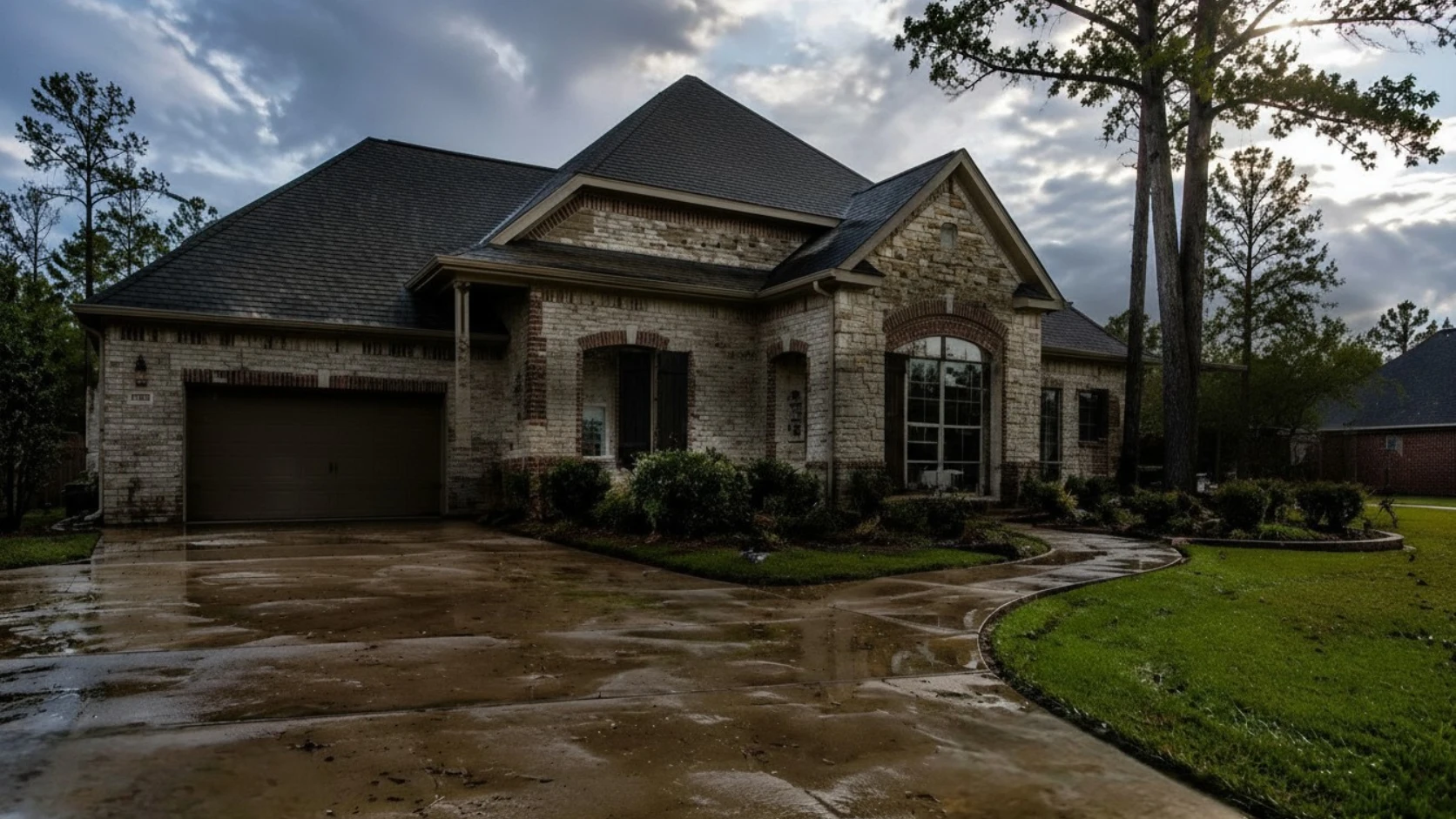
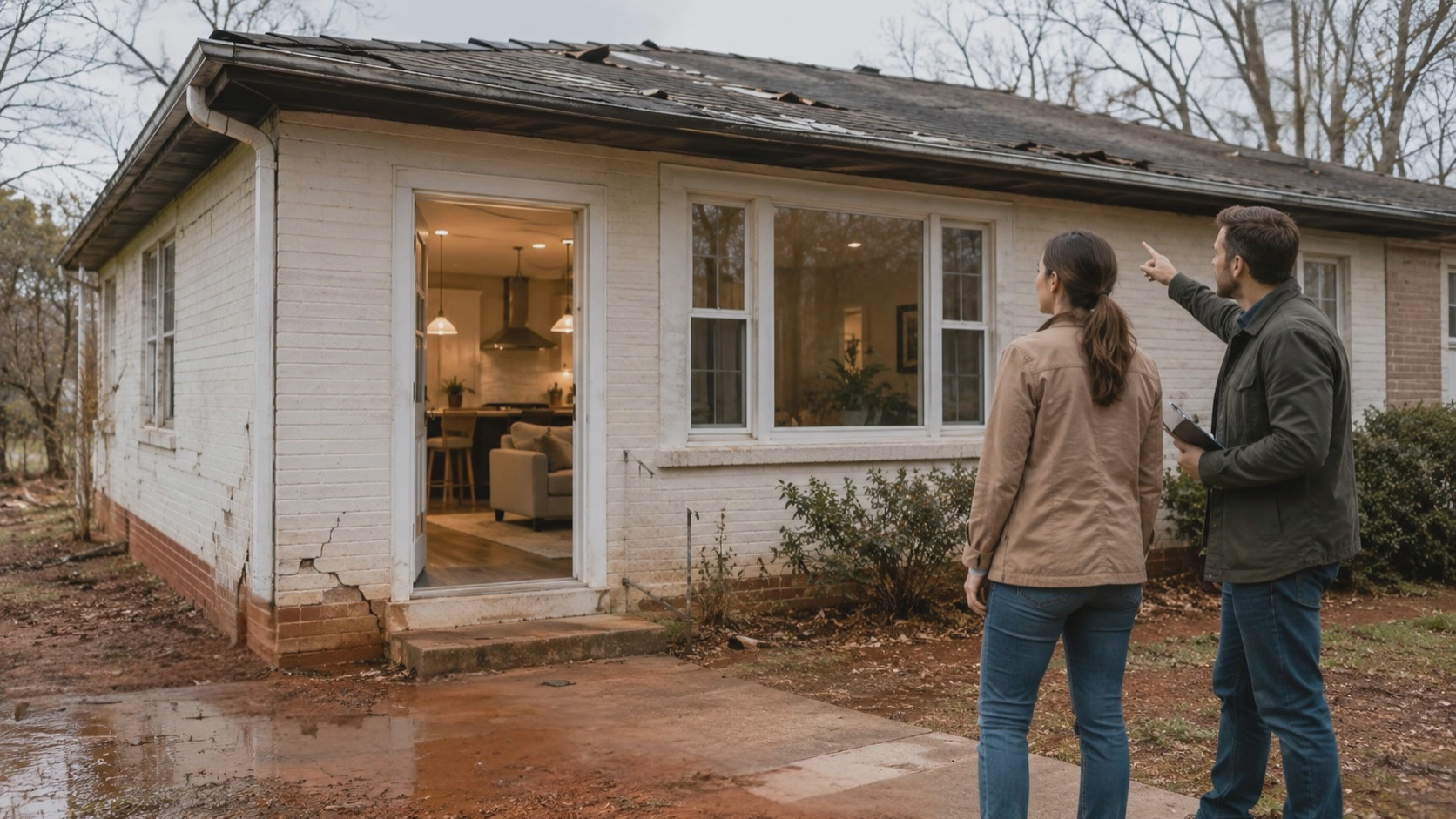
Yes, roof problems can hurt the way a commercial property presents itself, especially once the building is photographed for leasing, sales, investor materials, or a broader marketing campaign. Buyers, tenants, guests, and investors may not know exactly what caused a stain, damaged roof edge, or worn section of exterior wall, but they can still read those details as signs that the property has not been maintained as carefully as it should be.
Professional property marketing tends to make the building easier to study. A quick phone photo might miss a worn parapet or a line of staining near the top of the façade. Professional exterior images, aerial views, and carefully composed shots often show much more.
Does Roofing Really Matter in Commercial Property Photos?
Architectural photography usually includes more than a straight-on image of the front entrance. Exterior shots often show the full height of the building, along with parapets, cornices, coping, rooftop screens, upper façades, drainage areas, and other parts of the roofline that shape the building’s overall appearance.
Those areas can become especially noticeable in wide exterior views. A worn edge, uneven patch, loose material, or dark stain may seem minor when viewed from the parking lot, yet it can stand out once the building is framed carefully and photographed in good light. The camera does not create the problem, but it can make the condition easier to see.
Aerial Views Can Expose Quite a Bit
Drone and elevated photography add another layer because they can show areas that most people do not see from ground level. Ponding water, debris, discoloration, patched membrane sections, worn coatings, or inconsistent roof surfaces may all become part of the final image if they are visible from above.
That does not mean every imperfection has to be corrected before a commercial shoot. It does mean property owners should know what will be visible before they schedule photography. A quick roof inspection or walkthrough ahead of the shoot can prevent surprises later.
Roof Problems Can Make a Well-Maintained Property Look Neglected
The condition of the roof can affect more than the roof itself. Staining may run down exterior walls. Peeling paint can develop near the roofline. Damaged flashing or drainage problems may leave marks around upper-level windows, soffits, or masonry. Even when the rest of the building is in good shape, those signs can pull attention away from stronger architectural features.
For commercial properties, that can be a problem because presentation often influences how people judge the condition of the entire asset. A prospective tenant may wonder whether visible exterior issues point to other maintenance concerns. An investor may look at deferred upkeep as a future expense. A hotel guest may simply decide that the property looks dated.
The issue is not that every buyer or tenant will study the roof in detail. The issue is that visible maintenance problems can change the tone of the entire image set.
Some Roof Issues Affect More Than the Roof
Roof leaks and drainage problems often leave evidence elsewhere on the building. Water can move behind exterior finishes, stain ceilings near perimeter walls, damage fascia, or contribute to peeling paint. In those situations, cosmetic work alone may not solve the problem for long.
If a property owner notices repeated staining or damage near the top of the building, it makes sense to investigate the source before repainting or preparing the property for a major marketing push. A targeted roof repair may solve the underlying issue and prevent the same marks from returning after the building has already been cleaned up and photographed.
That sequence matters. There is little value in paying for new exterior paint or a professional photo shoot if the original moisture problem is still active.
Should You Fix Roof Problems Before a Commercial Photoshoot?
Obvious roof-related problems are usually worth addressing before professional photography when the schedule allows it. Visible staining, deteriorated roof edges, damaged flashing, worn coping, or patched areas that dominate the view can distract from the building itself and limit the photographer’s options.
Smaller imperfections are different. A commercial building does not need to look brand new before every shoot, and minor wear may not matter if it is not visible from the planned angles. The best approach is practical: identify what the camera is likely to see, deal with the most noticeable issues, and avoid delaying the project over defects that will not affect the final images.
It also helps to think about the intended use of the photos. Images for an investment sale, high-end hospitality campaign, or major leasing push may justify more preparation than simple documentation photos.
Coordinate Repairs, Cleaning, and Photography
Timing can make a big difference. Roof work, exterior cleaning, touch-up painting, landscaping, signage updates, and photography should happen in a logical order whenever possible.
If a contractor is scheduled to repair flashing next week, it makes little sense to photograph the roofline today. If exterior cleaning will remove staining from the walls, schedule that before the shoot. The same applies to fresh paint, landscaping, and temporary construction materials that may otherwise appear in the images.
A little coordination can make the final photo set much more useful.
Architectural Photography Should Show the Property at Its Best
Professional architectural photography in Denver helps people understand a commercial property in a way that ordinary listing photos often do not. Good images can show the proportions of the building, the materials, the entrance experience, the relationship to the site, and the details that make the property distinctive.
That works best when the property is ready to be photographed. The goal is not to hide defects or create an unrealistic version of the building. A strong shoot should present the property accurately while giving the photographer enough control over timing, light, perspective, and composition to make the building look its best.
That is why preparation matters. Clean glass, maintained landscaping, repaired exterior damage, and a tidy roofline all give the photographer more flexibility.
Rooflines Are Part of the Building’s Design
Rooflines are often a major architectural feature even when people do not think of them that way. Parapets, cornices, overhangs, mechanical screens, pitched sections, and roof edges can define the silhouette of the building and influence how the structure reads from a distance.
On some properties, the roofline is one of the most memorable visual elements. On others, it provides a clean finishing line that makes the façade look complete. If that area is damaged or visibly neglected, the issue can affect the overall composition of the building rather than just one small section. For that reason, owners should include the roofline when they evaluate the property before a shoot.
Market Your Building Correctly, Even Before Photography
Commercial property marketing begins with the condition of the building itself. Photography can highlight strong architecture, attractive materials, good landscaping, and a well-maintained exterior, but it cannot completely separate those strengths from visible maintenance problems.
Before scheduling a major shoot, walk the property from several viewpoints. Look at the building from across the parking lot, from nearby streets, and from any elevated position you can access safely. Pay attention to the upper façade and roofline rather than focusing only on the entrance.
That simple review can reveal the repairs, cleaning, or touch-up work worth completing first. Once those details are handled, professional photography can do what it is supposed to do: show the property as a strong, well-presented commercial asset.