As a restaurant owner, you might have an incredible menu, top-tier service, and a stunning interior design. But if your guests have to shout across the table to hear each other, they aren’t coming back. You can control the acoustics by mixing the right materials, tweaking your floor plan, and making a few strategic upgrades to turn a chaotic dining room into a space people actually want to spend time in.
How Sound Moves Through a Property
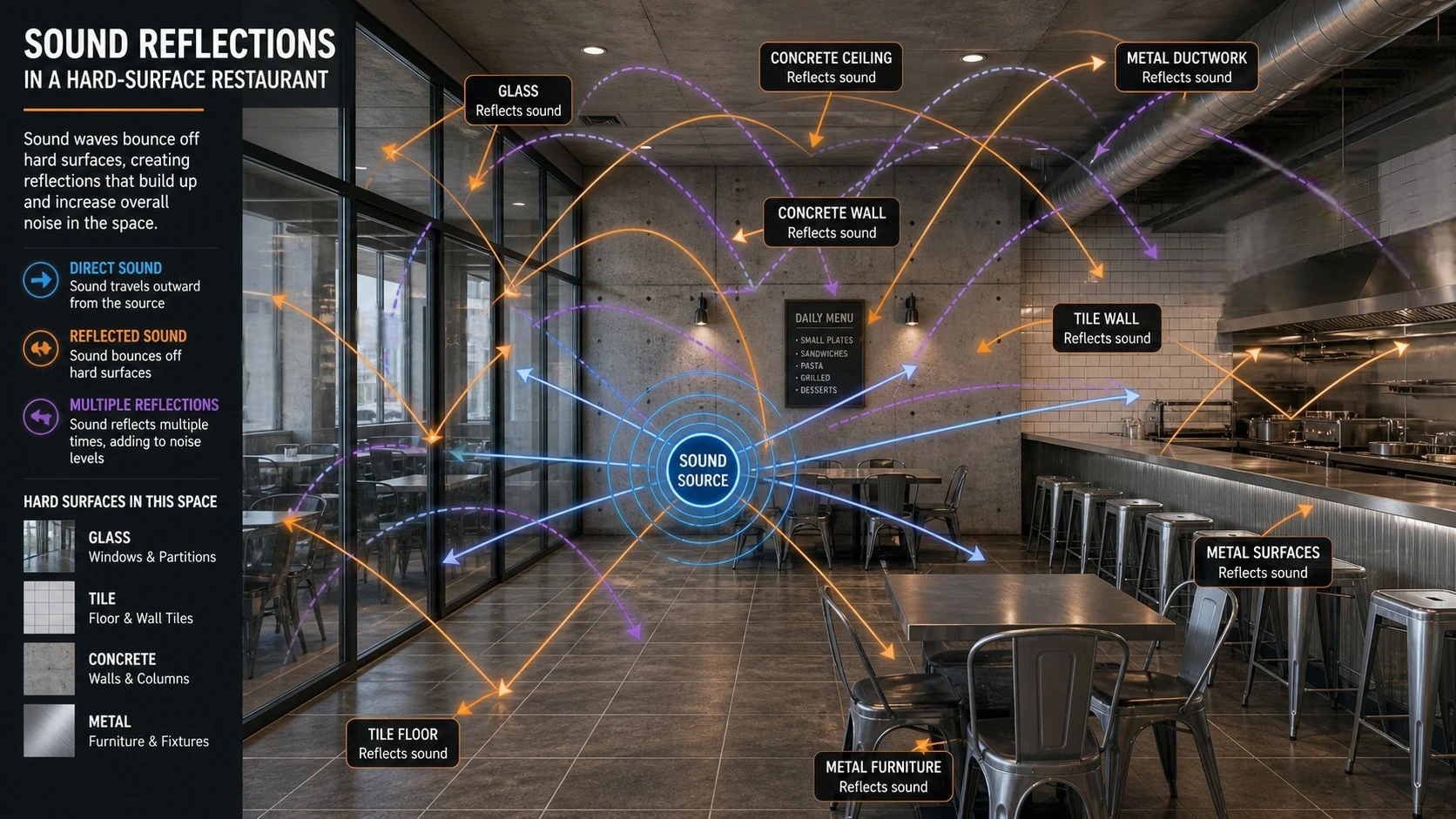
Sound can move, bounce, and build depending on the surfaces it hits. When you walk into a loud restaurant at night, you aren’t just hearing people talking. You’re hearing their voices ricochet off drywall, concrete, and hardwood floors. Understanding this behavior helps you stop guessing and start making targeted improvements.
Hard surfaces are the main culprits. Materials like glass, polished concrete, subway tile, and exposed metal look fantastic on a property listing, but they absorb absolutely nothing. They bounce sound right back into the room. If your property features a modern minimalist or industrial design, you have to counter those hard finishes with elements that absorb the excess noise.
Vaulted ceilings create a great open feel, but they give sound waves more room to travel and echo. Conversely, low ceilings can trap noise and make a crowded room feel overwhelming. It ultimately depends on how sound waves travel and where they land.
Before spending money on materials, locate your worst noise traps. These are usually right next to the kitchen doors, the main bar, or wide-open seating areas. Walk the floor during a busy shift and listen. According to NOVA Acoustics, a UK acoustic consultancy providing professional noise at work surveys and assessments, monitoring noise during busy operating periods can help restaurant owners identify problem areas and determine where suitable controls may be needed.
Choose the Right Acoustic Materials
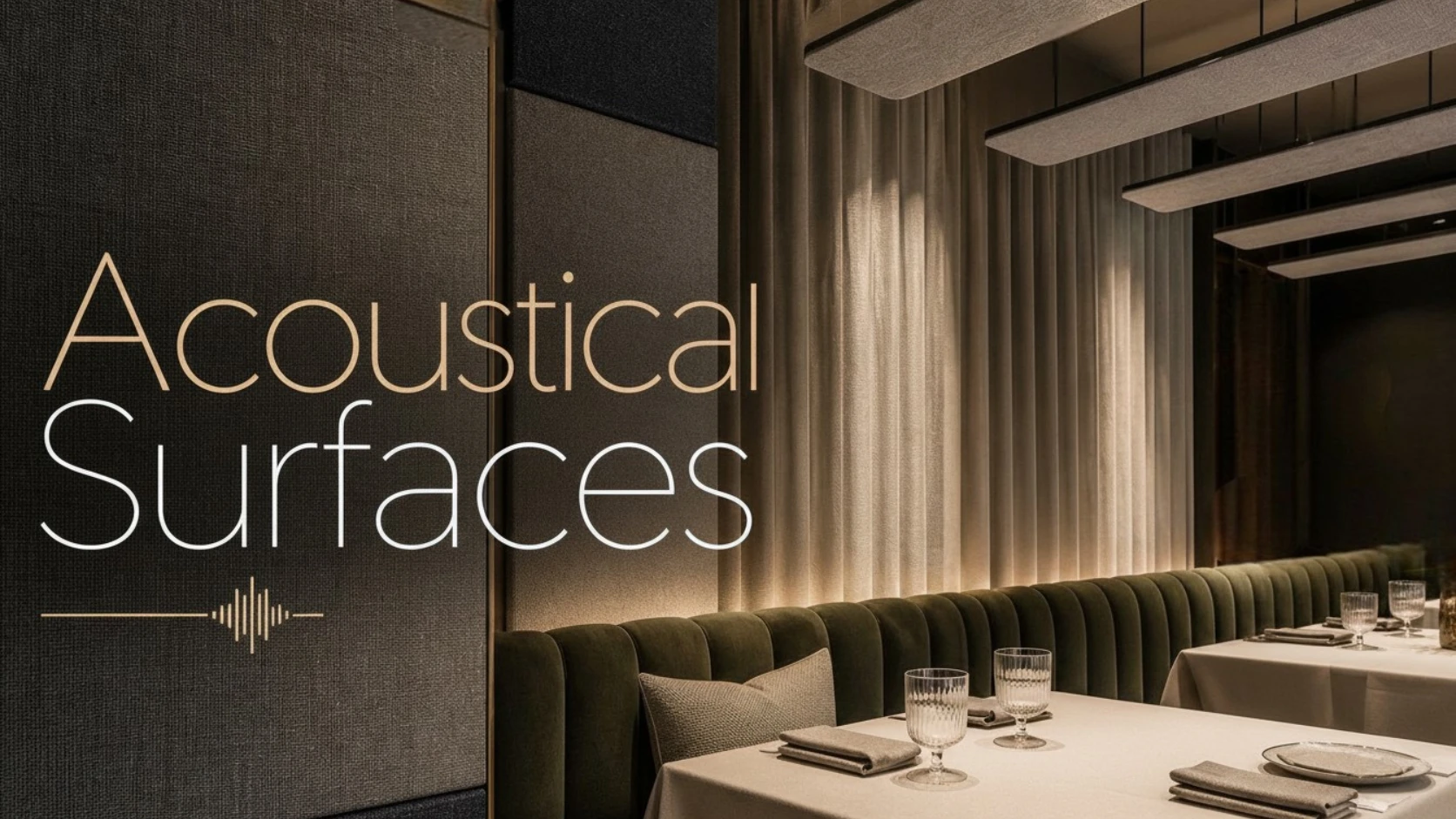
Your design materials have to do more than look good. They need to handle sound. In high-traffic commercial spaces, you want surfaces that soak up noise rather than reflect it. You don’t need to build a soundproof bunker, but you do need to be smart about what you put on the walls.
Wall treatments easily cut down on echo without ruining your aesthetic. For example, you can incorporate fabric wall panels into decorative sections, which allows you to reduce echo while still maintaining a polished look. They blend right in when you match them to your brand’s color palette.
You can reduce noise by soundproofing the ceiling. Hanging acoustic baffles or suspended ceiling clouds catch sound waves before they bounce across the room. These work incredibly well in open-concept layouts or industrial warehouse conversions where sound typically runs wild.
Never underestimate softer elements like heavy window drapery, upholstered booth seating, or thick table linens. These might seem like minor interior design choices, but they consistently drive down the room’s overall volume. Layering these soft textures stops sound from endlessly bouncing around the room.
Optimizing Your Layout and Floor Plan
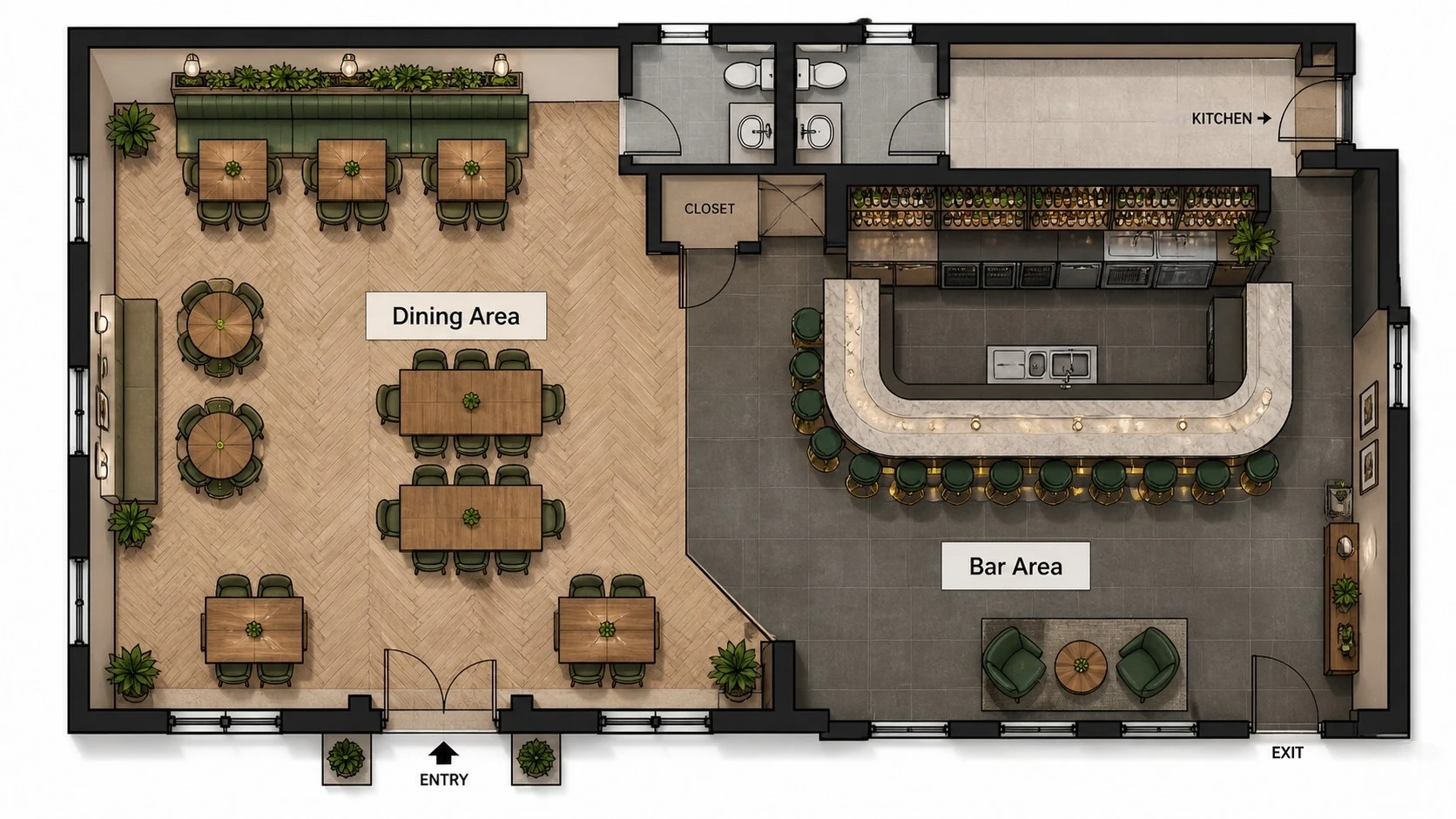
Your floor plan directly impacts how loud a room gets. If your tables are crammed together to maximize capacity, conversations will overlap. Guests end up talking louder to hear each other, which amplifies the whole room.
Optimize room acoustics by increasing the space between tables. Strategic seating arrangements can significantly reduce noise levels in confined areas.
Furniture also works as a natural sound barrier. High-backed booths, room dividers, and open shelving units break up the path of sound. Instead of letting noise shoot straight across the dining room, these pieces scatter it, making the space feel instantly calmer.
Keep your loud zones separated. Bars and espresso stations generate constant noise. Don’t place them right next to dining tables. A slight layout shift to separate the high-action areas from the quiet zones keeps the atmosphere balanced.
Tackling Mechanical Noise
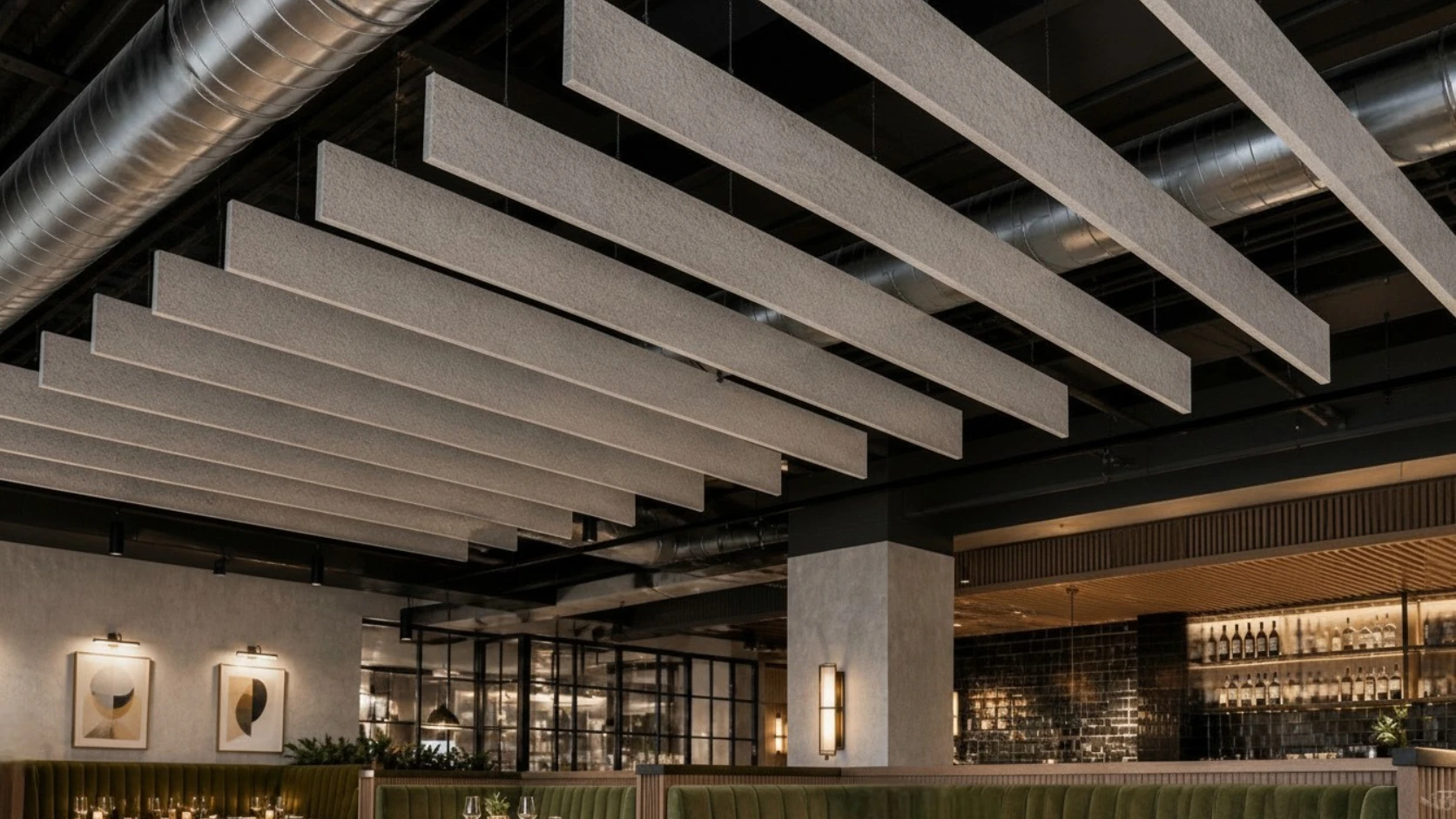
When noise goes up, it has to come down. Leaving a ceiling bare creates an echo chamber that amplifies every dropped fork and loud talker in the building.
Installing acoustic ceiling tiles is the solution. These tiles can cover hard surfaces and instantly eliminate echoes. A wide selection of modern commercial tiles with clean, architectural finishes keeps your restaurant venue looking stylish.
For open ceilings with exposed beams, combining pendant lights with acoustic baffles is a key strategy. The lights provide essential illumination, while the panels effectively trap airborne sound.
Pinpoint the source of mechanical noise. Whether a low, constant hum is coming from an HVAC unit, an open air duct, or a high-powered exhaust fan, servicing or isolating these units will significantly reduce noise levels.
Quieting Floors and Heavy Foot Traffic
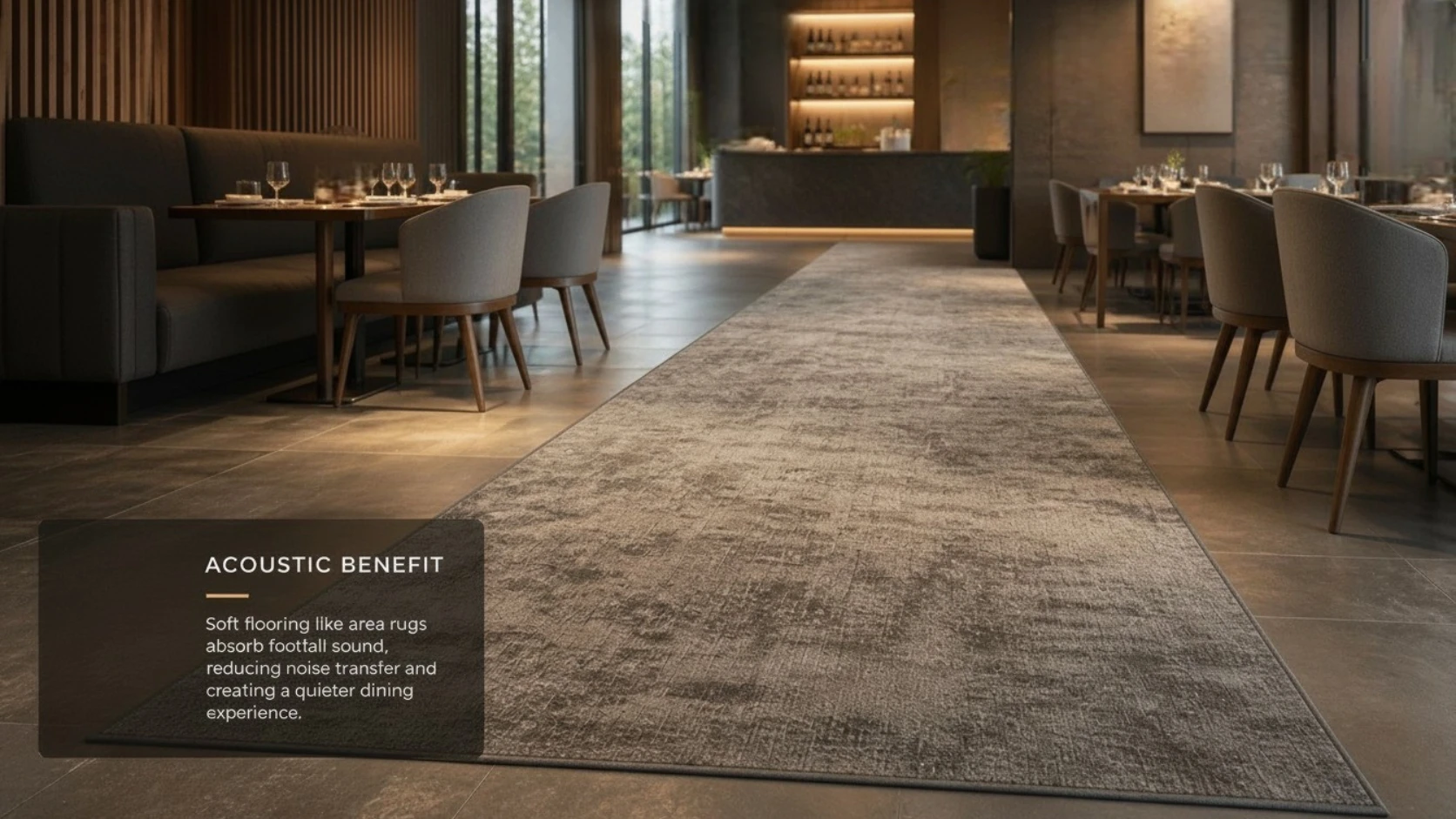
Hard flooring is a major culprit for noise. Wood floors, poured concrete, and ceramic tiles reflect every single footstep and scraped chair. By the busy lunch hour, all those small sounds compound to create an overwhelming cacophony
You don’t need to cover the entire floor with carpet to fix the noise. Simply placing a thick rug under a large table or in the main lobby does wonders for sound absorption, instantly dampening the harsh echoes from hard floors.
Acoustic underlayment is your best long-term investment. These hidden foam or rubber layers sit right under your luxury vinyl or engineered wood to absorb vibrations before they hit the air. Guests will never see it, but they will definitely feel the difference.
The Bottom Line
Fixing bad acoustics doesn’t require tearing the place down. It just takes a basic understanding of how sound travels and a few smart material upgrades. When you mix sound-absorbing textures with a strategic floor plan, the results happen overnight. Guests stay longer, spend more, and actually enjoy the atmosphere. Ultimately, upgrading your acoustics isn’t just about turning down the volume. It is about protecting the value and appeal of your commercial property.