
When temperatures rise across the Ohio Valley, your air conditioner suddenly becomes one of the most important systems in your home. The problem is that many homeowners only think about their AC when it stops working—usually during the hottest days of the year. By that point, repairs are urgent, expensive, and uncomfortable.
The smarter approach is prevention. Preparing your system before peak summer heat hits helps you avoid breakdowns, reduce repair costs, and keep your home consistently comfortable. A well-maintained AC system doesn’t just perform better; it lasts longer and uses less energy.
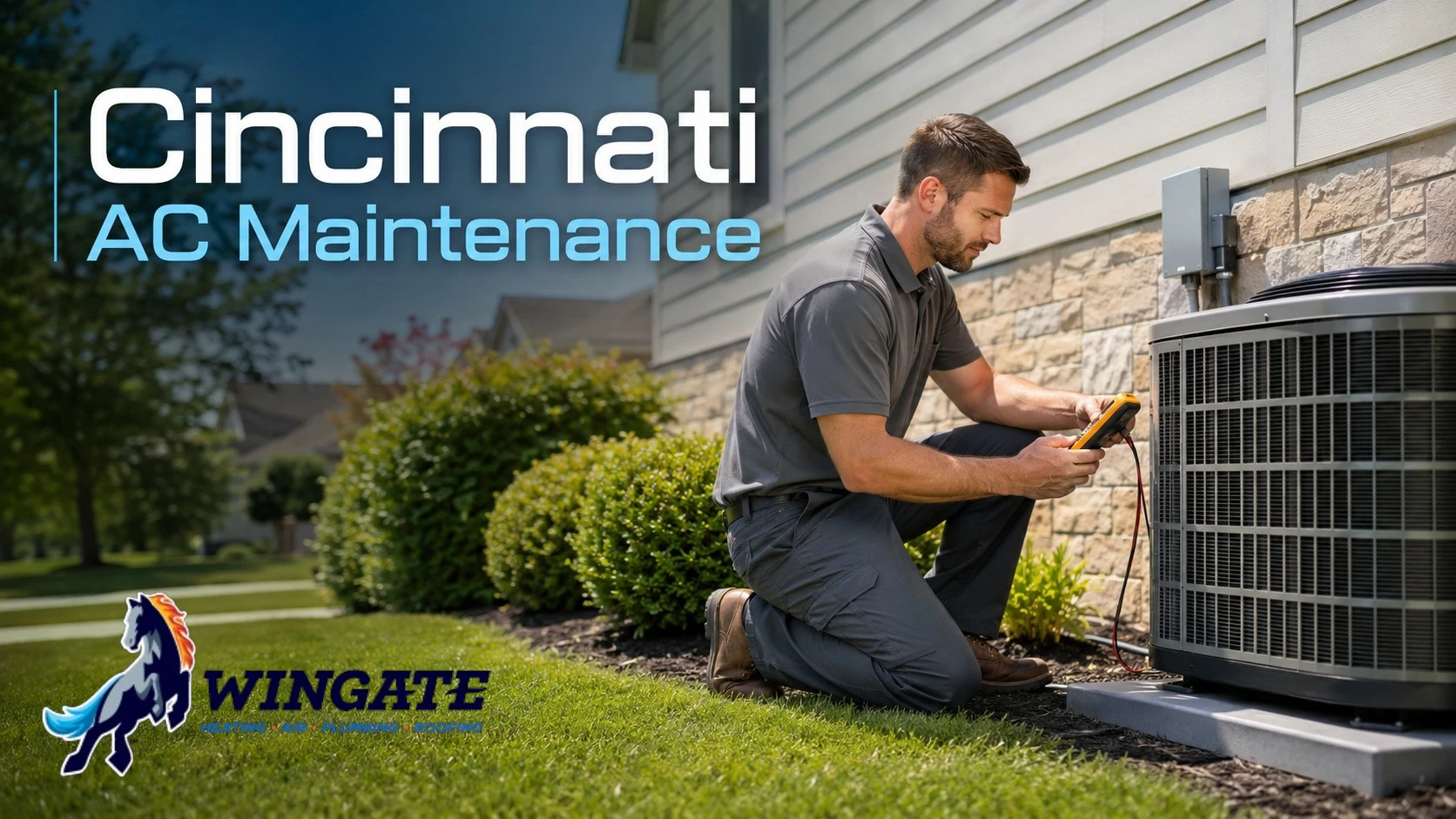
Why AC Systems Fail in Summer
Air conditioners don’t usually fail without warning. Most breakdowns happen because small issues build up over time and are pushed to their limit during extreme heat.
Common reasons include:
- Dirty air filters restricting airflow
- Low refrigerant levels causing strain on the compressor
- Worn-out electrical components
- Dirty condenser coils reducing cooling efficiency
- Skipping routine maintenance
During peak summer, your system runs longer cycles and works harder. If it’s already struggling, the extra load often pushes it into total failure.
Start with a Seasonal Inspection
The best way to prevent breakdowns is to schedule a professional inspection before temperatures peak. A technician can spot issues that aren’t obvious to homeowners, like weak electrical connections, refrigerant leaks, or failing capacitors.
Early detection allows problems to be fixed before they turn into expensive repairs. This is also the time when many homeowners schedule professional air conditioner repair to address minor issues before they escalate.
A seasonal tune-up typically includes:
- Checking refrigerant levels
- Inspecting electrical components
- Cleaning coils and filters
- Testing thermostat accuracy
- Examining airflow and ductwork
Replace or Clean Air Filters Regularly
One of the simplest yet most important maintenance steps is replacing your air filter. A clogged filter restricts airflow, forcing your system to work harder than necessary.
This added strain increases your energy bills and can lead to overheating or system failure. During a Cincinnati summer, you should check your filters every 30 to 60 days, depending on usage and indoor air quality.
Clean filters help your system breathe properly, reduce stress on internal parts, and improve cooling performance throughout your home.
Keep Outdoor Units Clean and Clear
Your outdoor condenser unit plays a massive role in releasing heat from your home. If it gets blocked by dirt, leaves, grass clippings, or stray debris, it can’t function efficiently.
Homeowners should:
- Keep at least 2 feet of clearance around the unit
- Remove leaves and debris regularly
- Gently rinse the coils if they look dirty
- Avoid placing objects on or near the unit
A clean outdoor unit helps prevent overheating and keeps your system running smoothly during extreme heatwaves.
Watch for Early Warning Signs
Most AC systems show signs of trouble before they fail completely. Catching these early saves you from costly emergency breakdowns.
Warning signs include:
- Warm air blowing from your vents
- Weak or uneven airflow
- Strange noises like grinding or buzzing
- Frequent cycling on and off
- A sudden spike in electricity bills
If you notice any of these issues, don’t ignore them. Early intervention prevents major system damage.
Don’t Ignore Refrigerant Problems
Refrigerant is essential for cooling, and low levels almost always point to a leak. Many homeowners mistakenly think they just need a “refill,” but refrigerant doesn’t get used up—it leaks out.
A leak causes serious damage to your compressor if left untreated. Fixing refrigerant issues early is much cheaper than replacing major components later.
This is one area where professional diagnosis is critical, since handling refrigerant requires proper tools and EPA certification.
Improve Airflow Inside Your Home
Your AC system only performs well if air circulates properly throughout the house. Blocked vents, closed registers, or clogged ducts create uneven cooling and force your system to overwork.
To improve airflow:
- Keep vents open and unobstructed
- Never block return air ducts
- Make sure furniture isn’t covering your registers
- Consider duct cleaning if you notice heavy dust buildup
Better airflow reduces strain and helps your system maintain a consistent temperature.
Upgrade Your Thermostat Settings
Your thermostat plays a bigger role than you might realize. Incorrect settings put unnecessary strain on your system.
During summer:
- Set a consistent temperature instead of making frequent adjustments
- Avoid extremely low settings that force the unit to overwork
- Use programmable settings to reduce the load when nobody is home
Smart thermostats easily optimize your cooling cycles and reduce energy waste.
When to Call a Professional
Even with solid maintenance, some problems require an expert. A licensed air conditioning contractor can diagnose complex issues and make sure your system runs safely and efficiently.
Professional help is especially important if:
- Your system stops cooling completely
- You hear loud, unusual mechanical noises
- You notice water pooling around the indoor unit
- The system constantly breaks down
Delaying service usually leads to higher repair costs and sweating through a miserable weekend without AC.
Preventing AC breakdowns isn’t complicated, but it does require timely attention. Most failures are easily avoided with seasonal inspections, regular filter changes, and catching repairs early. A well-maintained system runs efficiently, lasts longer, and keeps your home comfortable when temperatures spike.
The key is simple: fix small problems before they become big ones. A little preparation before the summer heat arrives saves you from emergency breakdowns exactly when you need your AC the most.