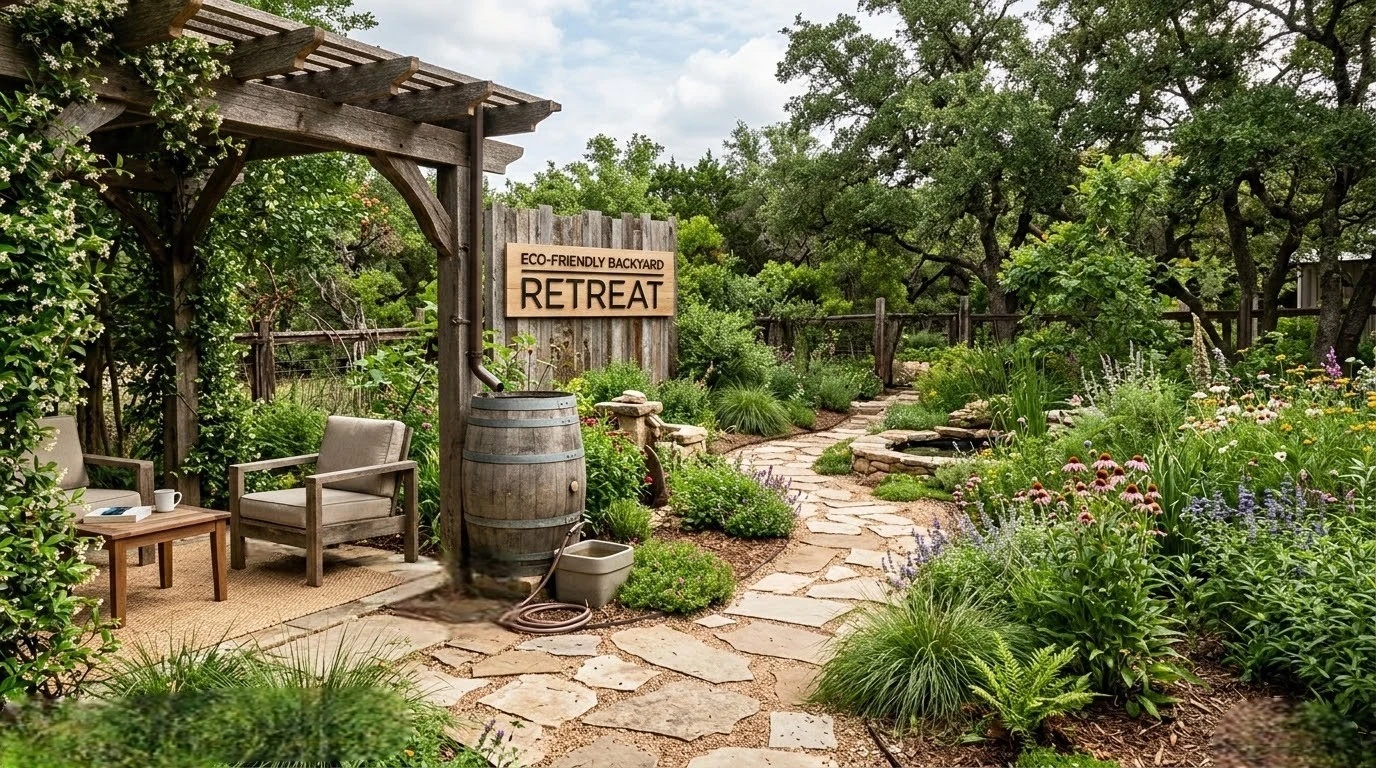
There’s a certain feeling that hits when you step into your backyard and immediately see everything that needs attention.
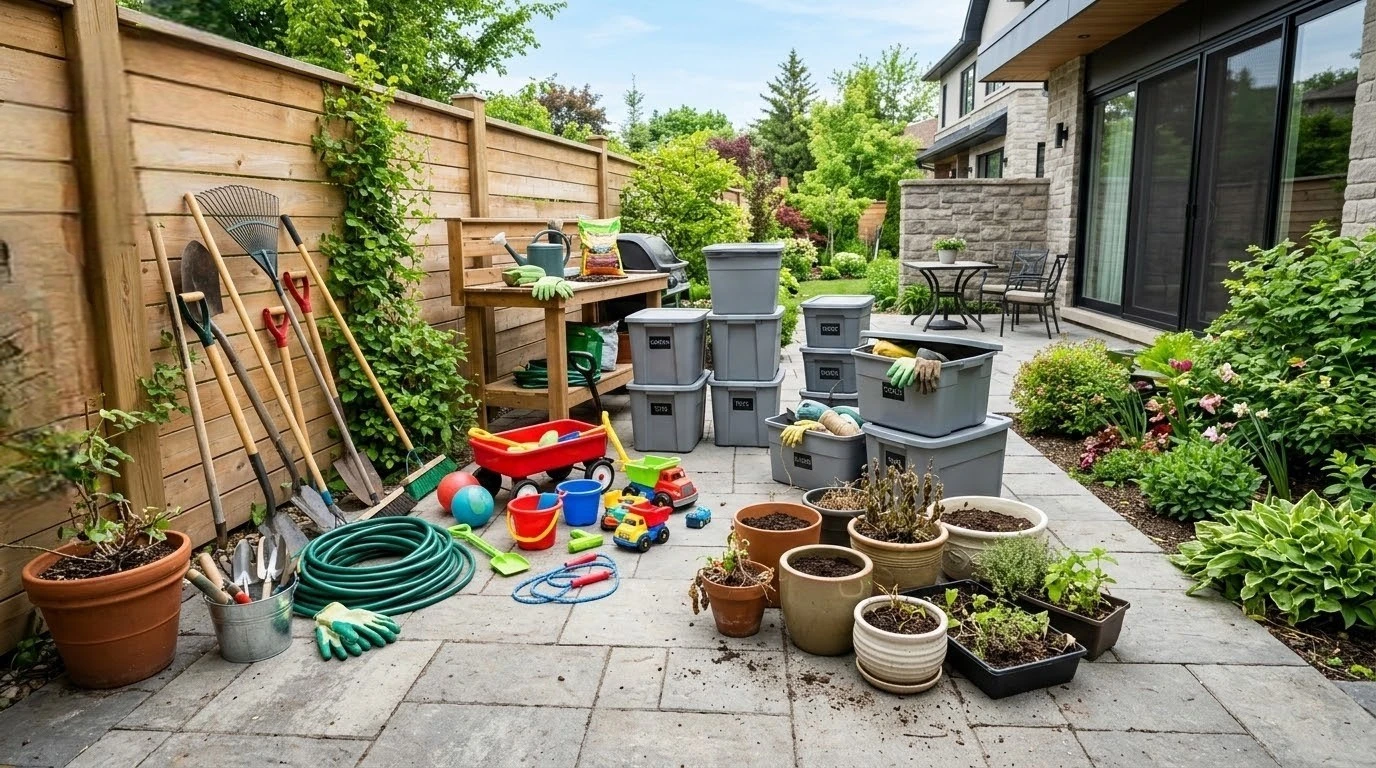
A garden hose twisted across the patio. Outdoor toys left in the grass. Tools leaning against the fence. Maybe some old planters, a broken chair, or a pile of things you meant to move weeks ago.
At first, it’s just a little mess. Then it becomes background noise. You stop noticing each item, but you still feel the weight of it. The space that was supposed to help you relax starts to feel like another chore.
That’s frustrating, because your backyard should feel like a breath of fresh air.
It doesn’t have to be perfect, and it doesn’t need to look like a magazine photo or a fancy outdoor showroom. A peaceful backyard isn’t about having the most beautiful furniture or expensive landscaping. It’s about creating a space that feels useful, calm, and easy to enjoy.
So where do you start when your backyard feels more chaotic than comforting?
You start small, get honest about what you actually need, and build from there.
Decide How You Want the Space to Feel
Before you move a single chair or buy another storage bin, take a minute to think about what you truly want from your backyard.
Forget what your neighbor has. Forget what you saw online. Forget what someone else says a “dream backyard” should look like.
What do you want to feel when you walk outside?
Maybe you want a quiet place to drink coffee before the day gets busy. Maybe you want an open space where your kids can run around without tripping over tools. Or maybe you want somewhere to sit with friends in the evening, with soft lighting and enough room to relax.
Or maybe you just want the space to stop stressing you out—and that counts too.
When you start with that feeling, the decisions become easier. You aren’t just cleaning up random clutter; you’re making the yard easier to live with. You are choosing what belongs in the space and what doesn’t.
Ask yourself: What would make this yard easier to enjoy this week?
That question matters because it keeps the project realistic. You don’t need to redesign the entire yard in one weekend. You just need to move toward a space that supports your everyday life.
A backyard shouldn’t feel like a performance. It should feel like home.
Clear the Clutter Before Buying Anything New
It’s tempting to fix a messy backyard by buying new things—a new patio set, new planters, new lights, or new storage containers.
Sometimes those things help. But if the space is already crowded, adding more can make the problem worse.
The first real step is clearing out what doesn’t belong.
Walk through the yard and look at everything with fresh eyes. What is broken? What haven’t you used in over a year? What keeps getting moved around because it doesn’t have a proper home?
Start with the obvious items. Toss what is damaged beyond repair. Donate or give away things you no longer use. Set aside items that need to be cleaned, repaired, or stored properly.
Then, group what’s left.
Put garden tools together. Gather toys in one spot. Make a pile for seasonal items like pool gear, patio cushions, holiday decorations, or winter supplies. Keep outdoor cooking items separate from yard tools. The goal is to see exactly what you have.
It usually gets a little messier before it gets better, and that’s completely normal.
Once everything is grouped, you can decide what needs to stay close at hand and what can be tucked away. Not every useful item needs to sit out in the open. In fact, most things feel more manageable when they have a clear home.
For items you use often but don’t want scattered across the patio, storage barns can be a practical way to keep tools, seasonal gear, and outdoor supplies protected without crowding the spaces where your family relaxes.
The point isn’t hiding clutter just to hide it. It’s creating a system that makes sense. When items have a place to go, cleanup becomes easier. And when cleanup is easier, the yard stays calmer for longer.
That’s the whole point.
Create Simple Zones
Once the clutter is under control, start thinking about zones.
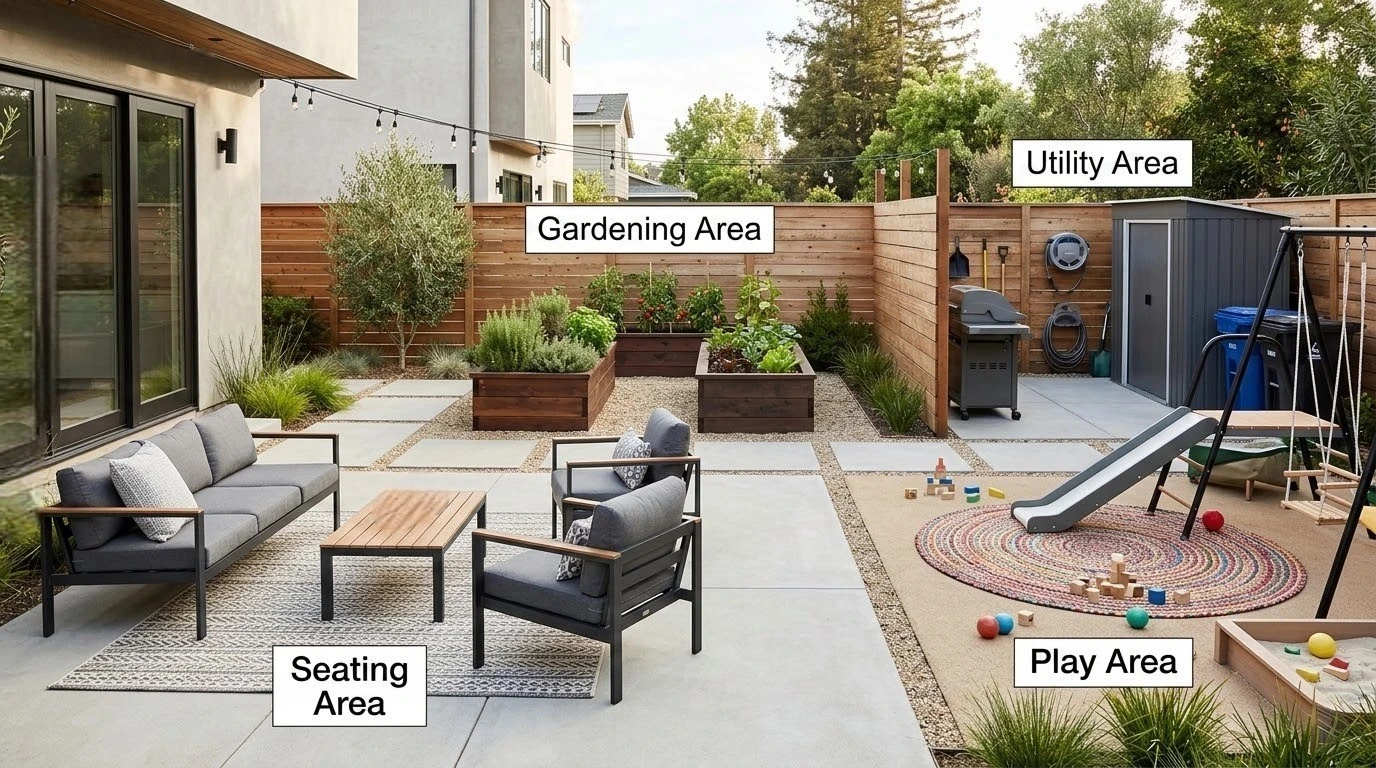
A zone is an area with a clear purpose. Nothing fancy. Nothing complicated. It’s simply a way of helping your backyard make sense.
Without zones, everything tends to blend together. The kids’ toys end up near the grill. Garden tools get left by the seating area. Extra chairs migrate across the lawn. Before long, the whole yard feels random.
Zones give the space a little structure.
You might create a seating zone with a few comfortable chairs and a small table. This could be your morning coffee spot or the place where people gather after dinner. It doesn’t need to be large; it just needs to feel inviting.
If you have kids or pets, create an open play zone. Keep it clear of sharp tools, fragile planters, bulky furniture, and anything that could turn into a tripping hazard. A simple patch of grass can feel much more useful when it isn’t competing with everything else.
If you garden, give yourself a small project area. Keep soil, gloves, pots, and tools nearby so you aren’t constantly searching for what you need. Even a small corner can work well when it is organized with intention.
Then think about your utility zone. This is where the less attractive but necessary things live—trash bins, extra tools, outdoor equipment, firewood, or maintenance supplies. Every yard has practical needs. The trick is keeping them from taking over the spaces meant for rest.
That small shift changes the whole feel of the yard.
Instead of one big messy space, you have small areas that each serve a purpose. That makes the backyard easier to use and easier to maintain.
And that makes it much easier to enjoy.
Make It Easy to Maintain
A peaceful backyard shouldn’t require constant work.
That sounds obvious, but it’s easy to forget. Sometimes people create outdoor spaces that look beautiful for a few days, then become hard to keep up with. Too many delicate decorations. Too many loose items. Bulky furniture. Too many plants that need attention every day.
The calm has to be easy to keep up.
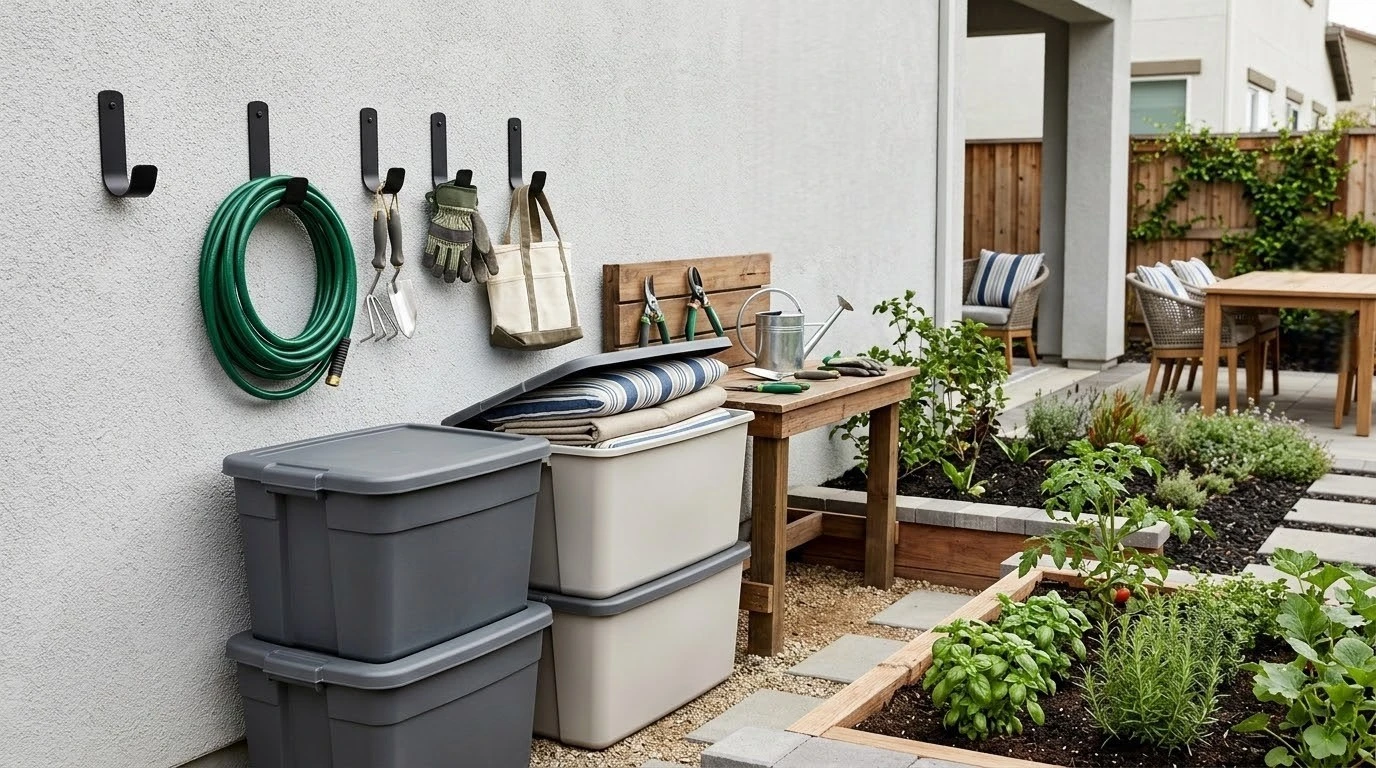
Choose materials and habits that make life easier. Outdoor-rated furniture and fabrics can save you from dragging cushions inside every time the sky gets cloudy. Outdoor containers with lids can keep small items from spreading across the patio. Hooks, shelves, and bins can make tools easier to grab and put away.
Think about how you naturally use the space.
If you always leave gardening gloves near the back door, maybe that’s where a small basket should go. If kids drop outdoor toys by the patio, put a simple toy bin nearby instead of expecting them to carry everything across the yard. If you grill often, keep the tools stored close to the grill.
Good organization works with your habits, not against them.
That’s why small systems usually last longer than complicated ones. You don’t need labels on every single item or a picture-perfect setup. You need a yard that can recover quickly after real life happens.
A weekly 10-minute reset can make a big difference. Pick up stray items. Put tools back. Wipe down the table. Check on the plants. Shake out cushions. It isn’t deep cleaning. It’s just a light reset that keeps the yard from sliding back into chaos.
Small habits help the calm stick.
Put Comfort Before Decor
Once the space is cleaner and easier to use, you can think about making it more comfortable.
The word that matters here is comfortable, not perfect.
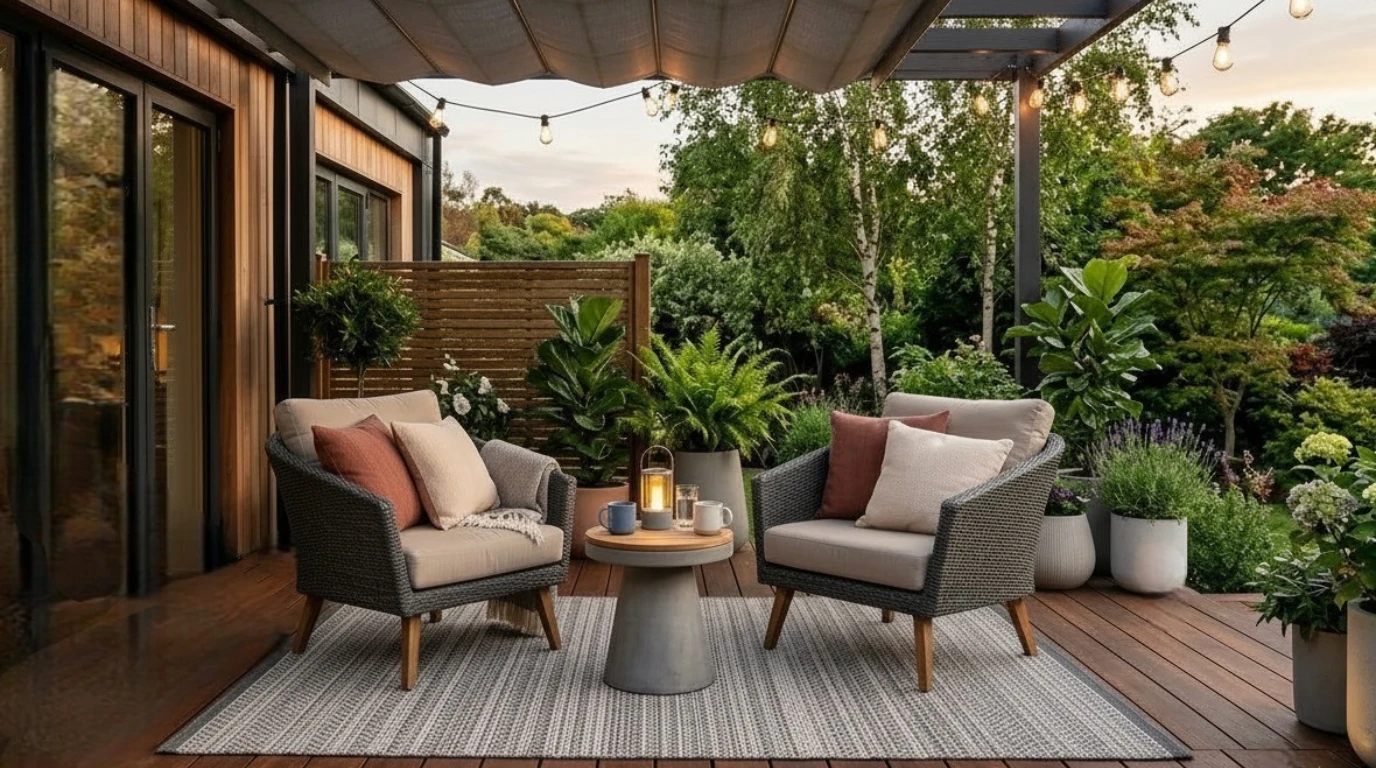
A backyard doesn’t need a dramatic makeover to feel better. Sometimes the best changes are simple. A chair that actually feels good to sit in. A bit of shade on a hot afternoon. A small table where you can set down a drink. A soft, outdoor-rated light near the patio.
Comfort is what makes people stay.
Start with seating. Is there a place where you would actually want to sit for more than five minutes? If not, that is worth fixing. Even two comfortable chairs can change how often you use the backyard.
Then think about shade. Depending on your space, that might mean an umbrella, a shade sail, a pergola, or simply moving seating under a tree. Shade makes the yard more usable, especially during the summer months.
Lighting also matters. You don’t need anything elaborate. Outdoor-rated string lights, solar path lights, or a few warm outdoor lamps can make the space feel softer in the evening. Light changes the mood quickly. It helps a backyard feel less like an empty outdoor area and more like an extension of your home.
Plants can help too, but keep them manageable. A few healthy planters are better than a dozen neglected ones. Choose plants that match your schedule, climate, and local growing conditions. If you love gardening, go for more. If you are already busy, keep it simple.
The goal is to create a space that invites you outside.
Not a space that quietly reminds you of everything you still need to do.
Design for the Life You Actually Live
This is where a lot of backyard projects go wrong. People design for an imaginary version of their life.
They create a formal dining setup even though they rarely eat outside. They buy lounge chairs when what they really need is a play area. They plant high-maintenance landscaping when they barely have time to water the lawn.
It happens.
But your backyard will feel more peaceful when it supports the life you actually live.
So be honest about your routines. What happens outside during a normal week? Do you work on projects? Do your kids play after school? Do you garden on weekends? Do you host friends? Do you need quiet? Do you need space to move?
Your answers should guide the design.
If your family spends evenings outside, focus on seating, lighting, and open space. If you use the yard for hobbies, create a project-friendly corner. If your main goal is rest, cut down on visual clutter and keep the layout simple.
There is no single right way to use a backyard.
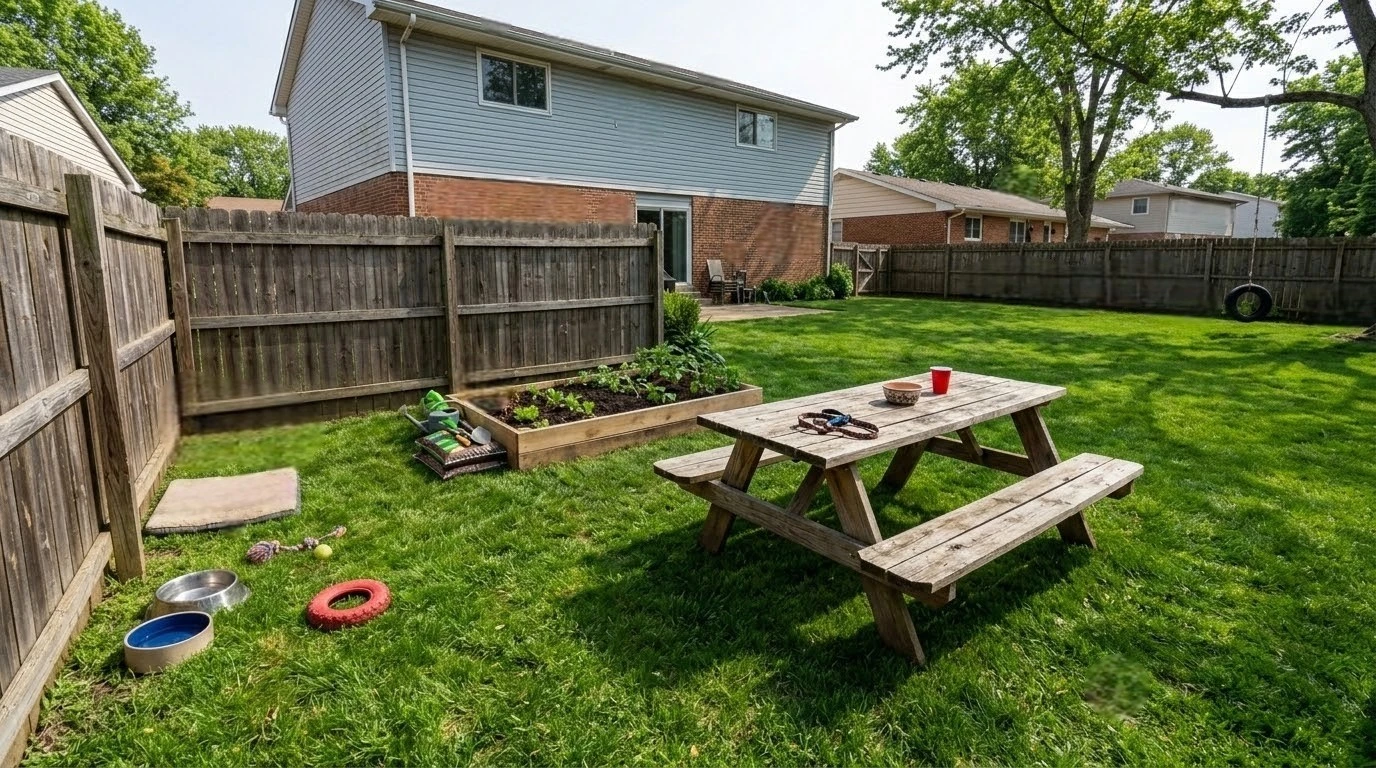
Maybe your peaceful space includes a vegetable garden, muddy boots, and a workbench. Maybe it includes a hammock and a book. Maybe it includes a picnic table, a dog bowl, and kids running through the sprinkler.
All of that can be peaceful when the space feels intentional.
The real question is whether your backyard is helping your life feel better or making it feel more crowded.
Maintain the Calm With a Seasonal Reset
Backyards change with the seasons, so your setup should adapt too.
For many homes, spring is a natural time to reset. It’s a good time to clean, check tools, prepare garden beds, wash furniture, and decide what needs attention before the busy outdoor months begin.
Summer is usually when the yard gets the most use. Kids are outside more. Guests come over. Plants often grow quickly. Outdoor gear gets pulled out again and again. During summer, focus on easy access and quick cleanup. Keep the things you use most where they are simple to reach.
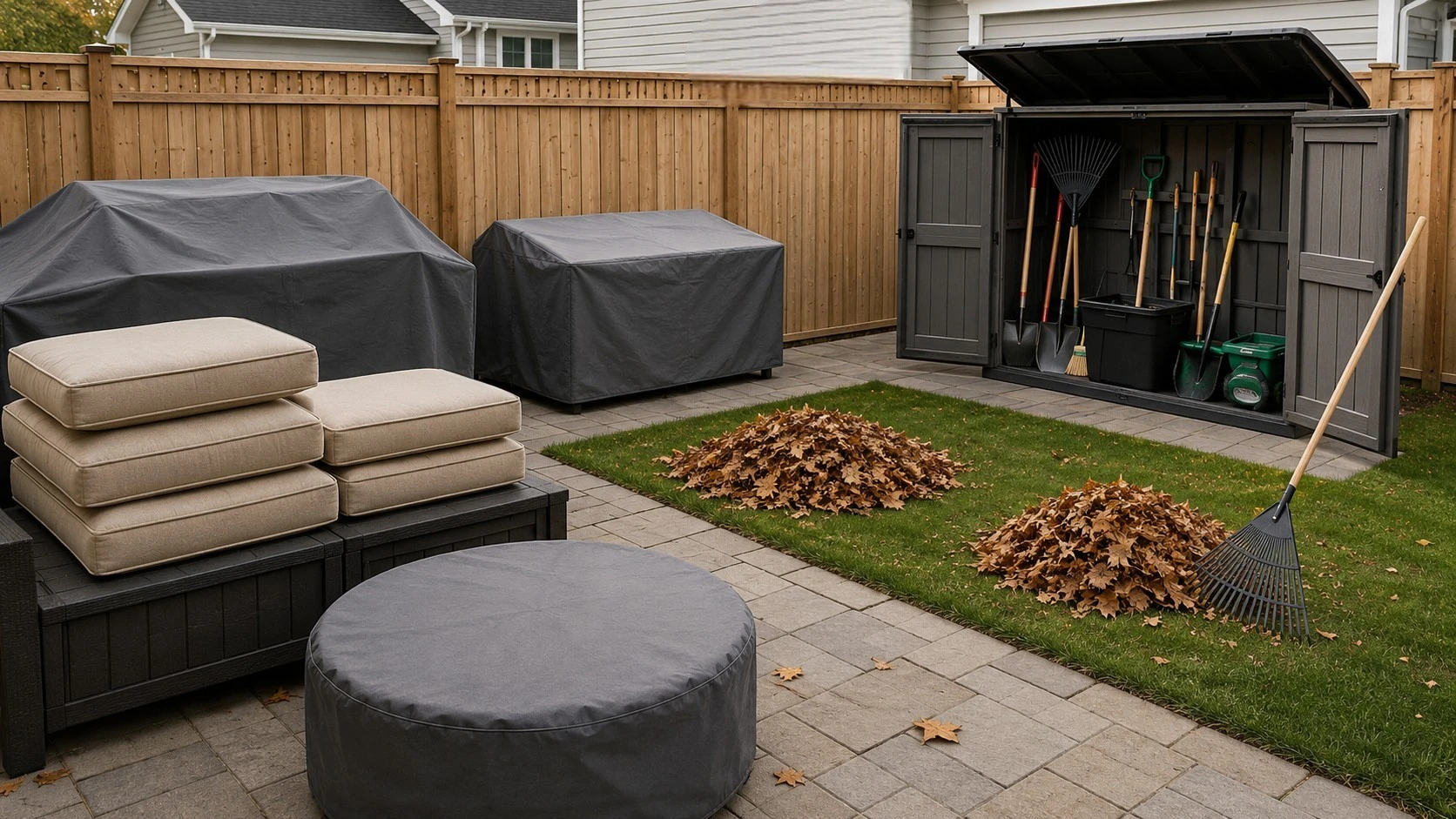
Fall is often the season for putting things away. Store cushions, clean tools, rake leaves where needed, protect equipment, and clear out anything that won’t handle cold weather well. A little effort in fall can save a lot of frustration later.
Winter is about simplifying. Depending on where you live, you may not use the backyard as much, but you can still keep it tidy and functional. Make sure walkways are clear, essentials are accessible, and seasonal items are protected.
A seasonal reset keeps clutter from building up unnoticed.
It also gives you a chance to ask: What is working, and what keeps getting in the way?
That question helps you adjust instead of starting over every year. Maybe the toy bin needs to move closer to the patio. Maybe the garden tools need a better home. Maybe the seating area needs more shade. Maybe you just have too many things outside, plain and simple.
Your backyard doesn’t need to stay the same forever. It can change as your life changes.
That flexibility is part of what makes it feel peaceful.
Just Start With One Corner
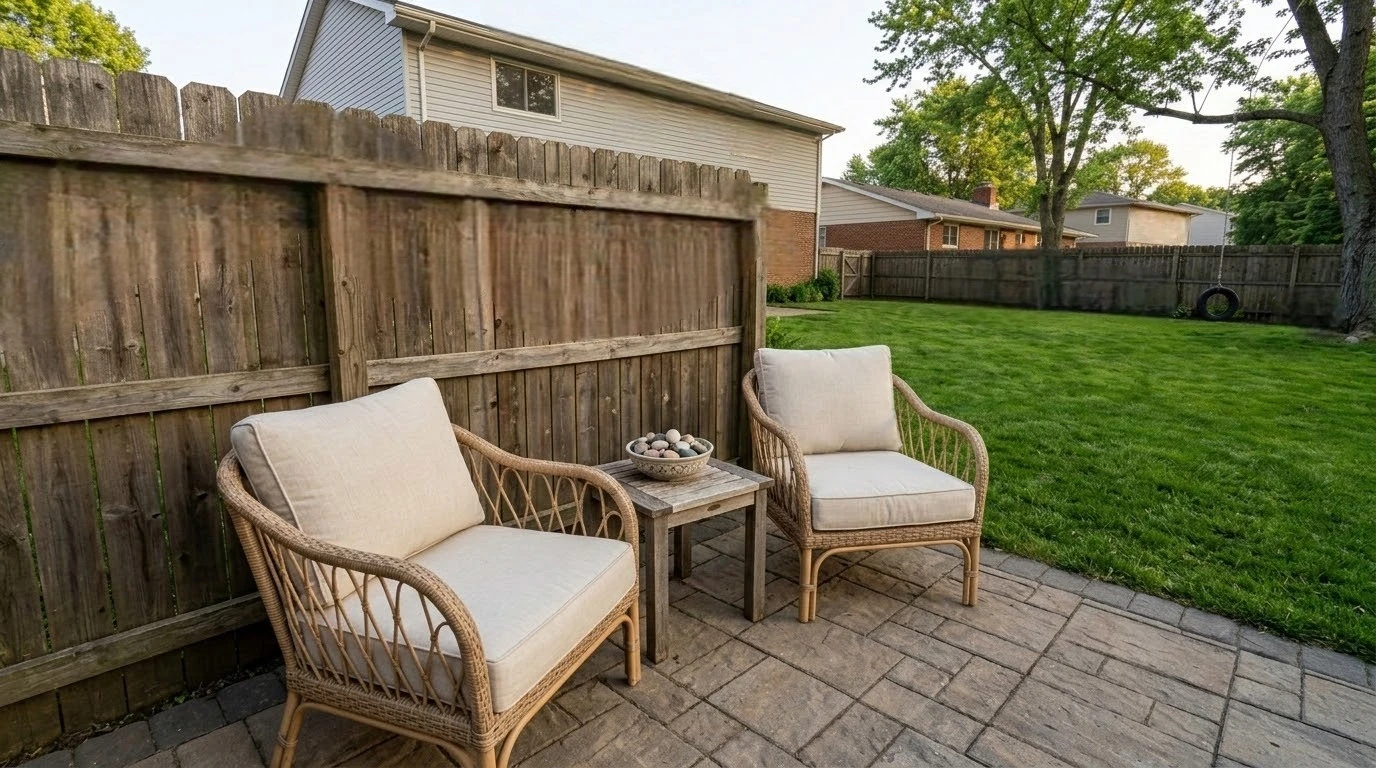
Reclaiming your backyard doesn’t have to be dramatic.
You don’t need a full weekend, a huge budget, or a perfect plan. You can start with one corner. One table. One messy pile. One decision you’ve been avoiding.
That’s enough to begin.
Clear the patio. Move the tools. Toss the broken pots. Set up two chairs in a shady spot. Put the kids’ toys in one container. Sweep the walkway. Hang a few outdoor-rated lights. Create one small area that feels better than it did before.
Momentum usually comes after action, not before.
Once one part of the yard feels calmer, you will want to keep going. The space will start to feel possible again. Not perfect. Just possible.
And honestly, that’s where the best home projects begin.
Your backyard is part of your home. It should give something back to you. A little breathing room. A little beauty. A place to gather. A place to think. A place where the day can slow down for a minute.
So start where you are.
Look around. Choose one thing. Make the space a little lighter.
Peace doesn’t always arrive all at once. Sometimes it begins with a cleared corner, a comfortable chair, and the simple relief of finally having room to breathe.