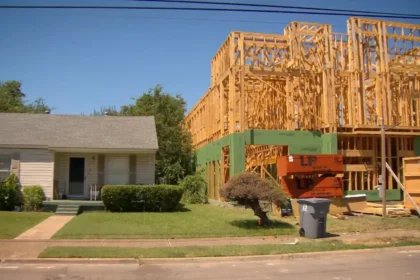
When you decide to sell your home, it’s natural to want the best price possible. However, the U.S. housing market is currently facing some challenges. According to Trading Economics, existing home sales in the U.S. dropped by 3.6 percent in March 2026 compared with the previous month. That brought the annualized rate down to 3.98 million, the lowest level in nine months and below the market’s expected figure of 4.06 million units.
Many sellers overlook how small, easily avoidable mistakes can quietly lower their home’s value. These issues are not always major. Sometimes, they come down to poor presentation, outdated features, or skipped basic maintenance.
Here are some common mistakes that could lower your home’s value.
Overpricing Your Home

Forbes states that when a property is priced too high, it can turn away serious buyers because they see the price as unrealistic. This can cause the property to sit on the market longer, and the longer it remains unsold, the more potential buyers may question its value. If the owner eventually has to lower the price, it could weaken their position during negotiations.
That perception may push you to lower the price, sometimes even below what you could have sold it for at the start. It is understandable to think that your property is worth more, especially after investing time and money in the house. But keep in mind that buyers typically compare your home with similar properties on the market.
Rather than drawing interest, an overpriced home often ends up being ignored. That’s why it is important to set a realistic price based on the market right from the start. This helps you attract serious buyers quickly and increases your chances of receiving a fair and timely offer.
Making a Poor First Impression
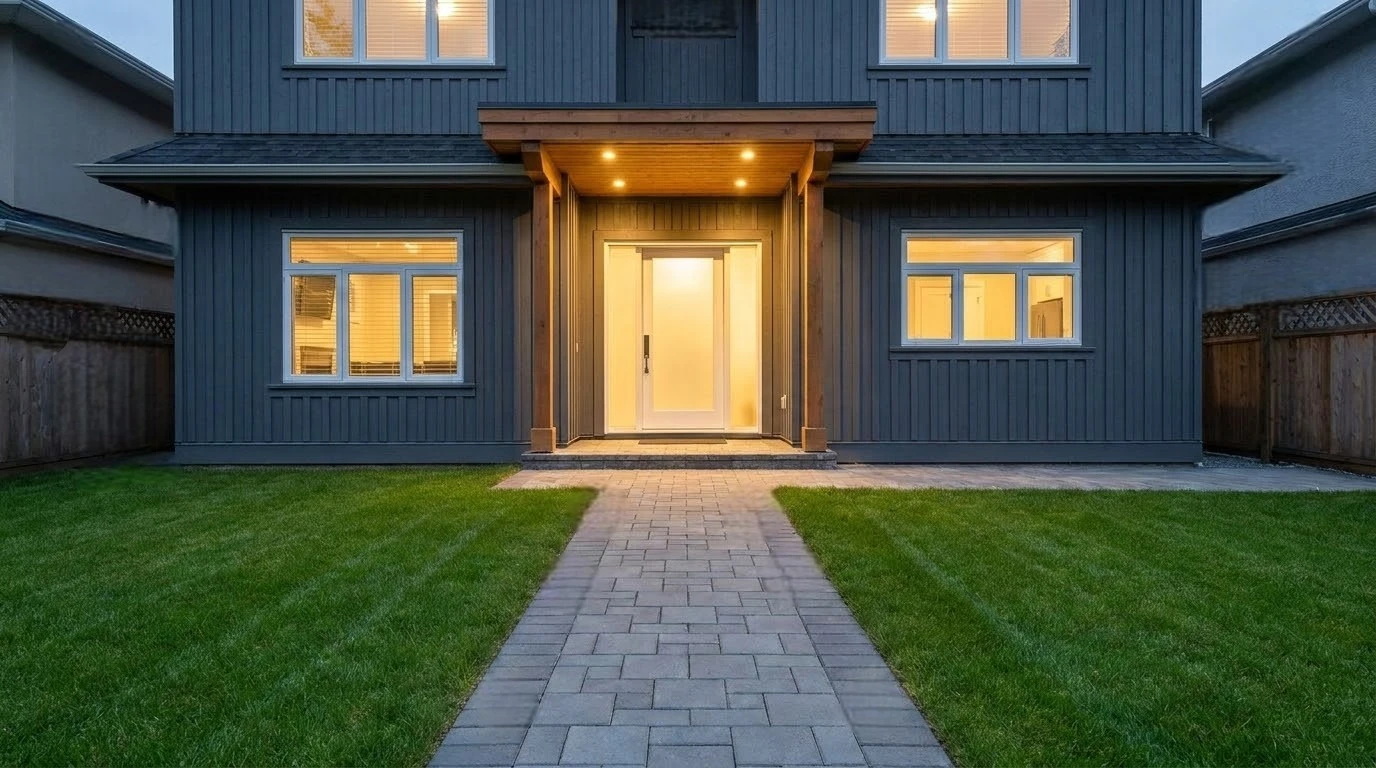
When putting your home on the market, first impressions can shape how buyers see its value, often before they even step through the door. The outside of your house is the first thing buyers notice, and if it has a messy lawn, peeling paint, or poor lighting, it can quickly set a negative tone.
Once buyers start to feel unsure, it can affect how they view everything else inside. Simple updates can make a noticeable difference, especially if you focus on curb appeal. Selling your home could be the best time to paint key areas such as the front door or exterior walls. A fresh coat of paint, tidy pathways, and a welcoming entrance can make your home feel more inviting.
A recent report from the National Association of Realtors shows that 92 percent of real estate agents suggest sellers improve their curb appeal before listing. Simple tasks like standard lawn care and landscape maintenance can return over 100 percent of their cost at resale. This shows that when you present a warm and well-maintained exterior, it can positively affect the price buyers are willing to offer.
Skipping Essential Repairs
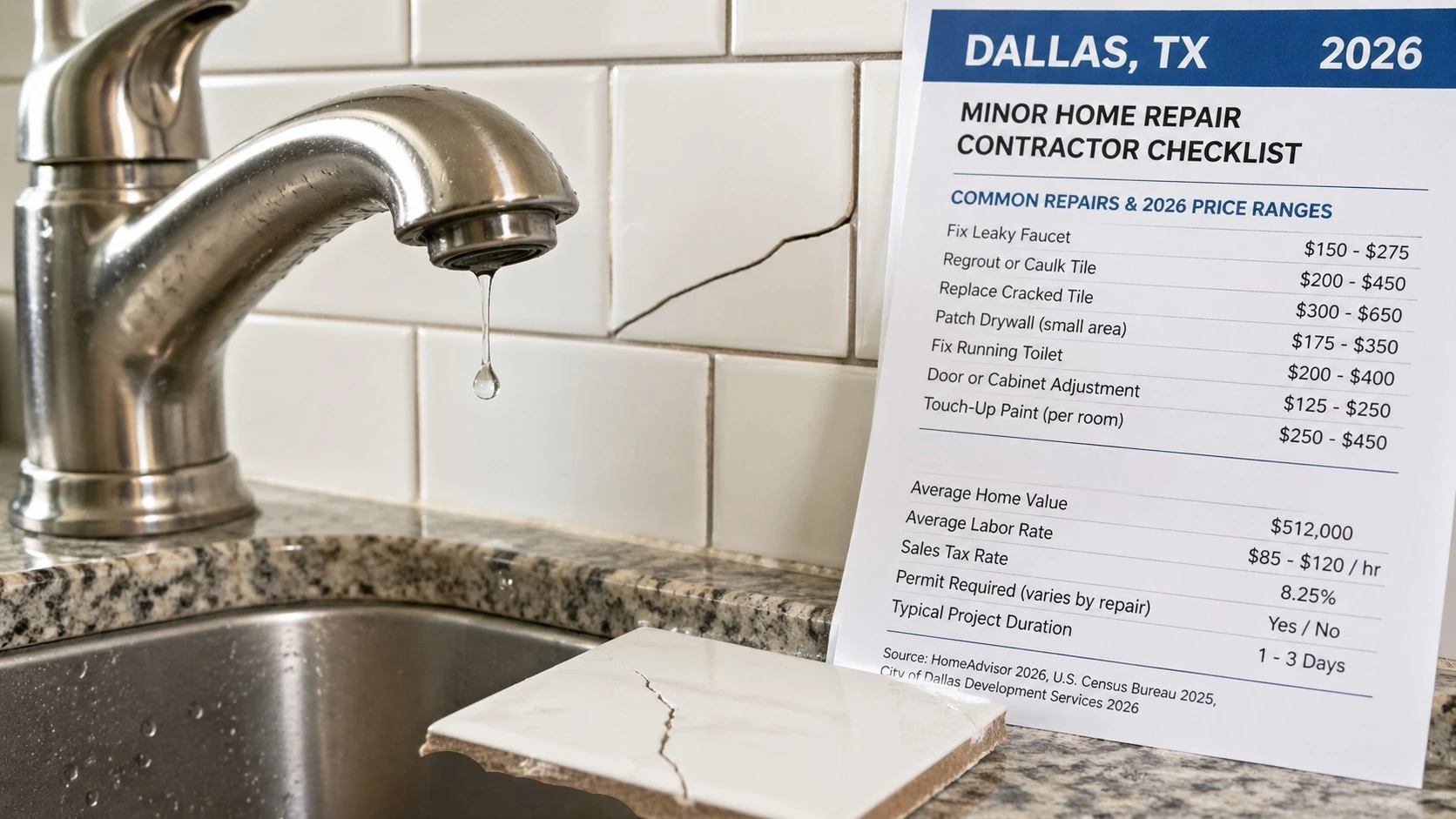
Failing to address necessary repairs can lower your home’s value. According to Redfin, if you are planning to sell your house and it needs repairs, you can generally expect to see a 10 to 20 percent price drop. Many real estate agents advise sellers to make some basic cosmetic improvements before listing their home, even if it’s already in decent condition.
Small things like leaky faucets, cracked tiles, broken fixtures, or faulty wiring may not seem serious to you. However, buyers often see them as red flags because they may assume that if visible problems have not been fixed, larger hidden issues may exist too. This can make them hesitant.
When buyers enter a home that needs repairs, they think about the additional time, effort, and expenses they will have to take on after the sale. This can lower their interest or make them more aggressive in negotiations. Taking care of minor repairs before putting your home on the market shows potential buyers that the home has been well-maintained. This approach improves your chances of receiving a fair and competitive offer.
Leaving Clutter and Lingering Odors
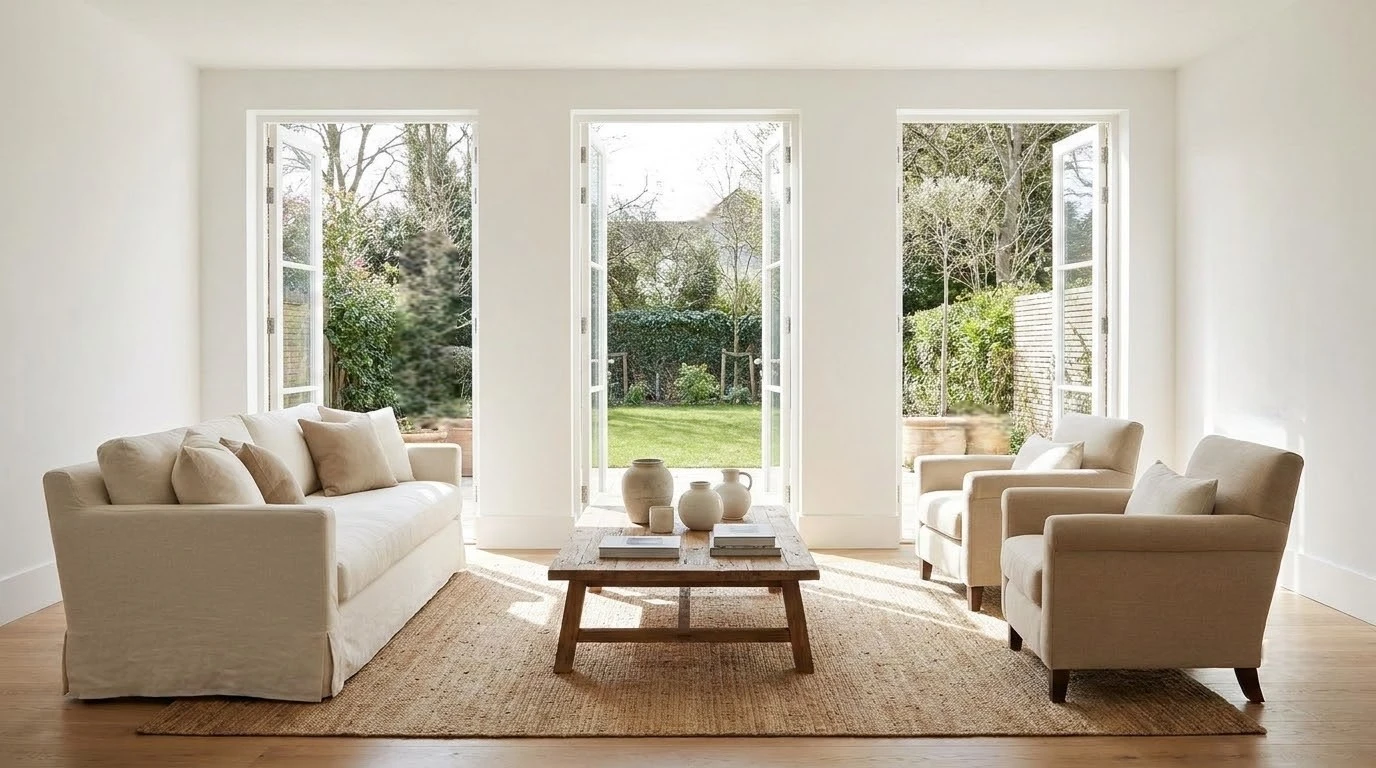
Clutter and lingering odors can turn buyers away and lower your home’s value without you even noticing. When your space feels cramped with too much furniture, personal items, or everyday mess, it can seem smaller and less inviting.
Buyers want to picture how each room could be used, and clutter makes it harder for them to see the actual space. Also, unpleasant smells from cooking, pets, or damp areas can create an immediate negative reaction. Your home might be in great shape, but a few small details can leave a lasting negative impression on buyers.
HomeLight notes that decluttering before a sale can feel overwhelming, but taking it step by step makes it much more manageable. Cleaning up and decluttering your space can make a huge difference. It may help boost your sale price by an extra $20,000 and reduce your time on the market.
Frequently Asked Questions
What is the best time to sell a home?
The ideal time to put your home on the market is in the spring or early summer. This is when buyer activity tends to peak, and homes benefit from natural light and pleasant weather. This can help draw more interest, lead to faster offers, and possibly result in a better selling price overall.
Why is home staging important?
Home staging is important because it helps make your property more attractive to potential buyers. Staging your home can highlight its best features and create a warm and inviting atmosphere. It helps buyers picture themselves living there, which can lead to quicker sales and possibly even higher offers.
Which home repairs can help sell a house quickly?
Making simple repairs can improve your chances of selling your home quickly. Start by fixing leaky faucets, patching cracked walls, replacing broken fixtures, and making sure the lighting is bright enough. A fresh coat of paint and clean floors can also help a lot. These small updates make your home look well cared for and more appealing to buyers, which can lead to stronger offers and less negotiation.
Taking the time to understand how buyers view your property helps you generate more interest and attract stronger offers. A solid plan can make the whole process much less stressful. Keep in mind that small, smart choices can have a real impact on your final sale price.