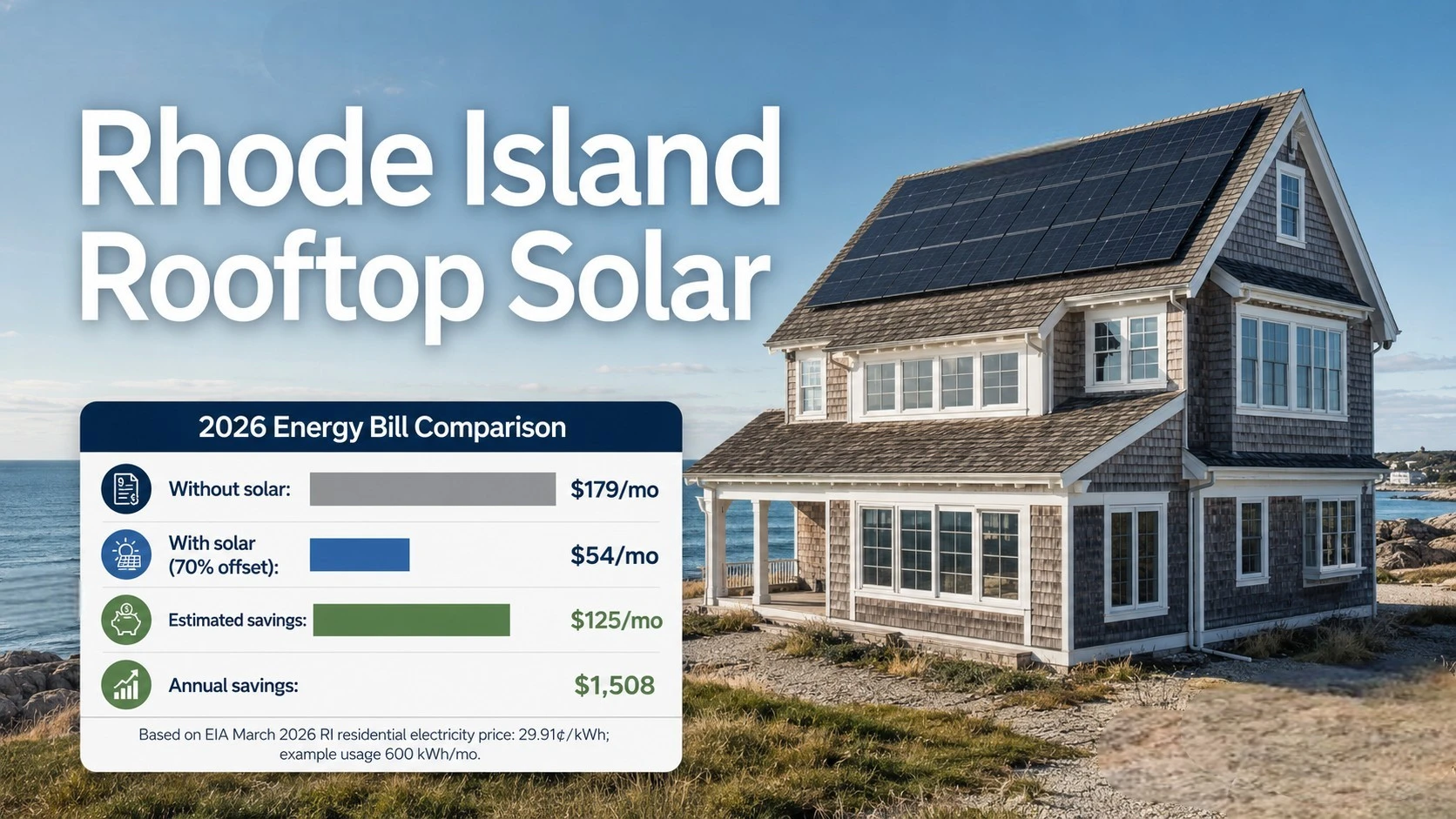
Rhode Island may be the nation’s smallest state, but it has some of the country’s highest electricity rates. That is exactly why rooftop solar has become a serious financial consideration for Ocean State homeowners. Whether it’s worth it for your home comes down to a few specific programs and an honest look at your actual usage.
Understanding Net Metering and the REG Program
Rhode Island’s net metering rules let your system earn credits for excess electricity it sends back to the grid through Rhode Island Energy. This helps offset the hours your panels aren’t producing.
The state’s Renewable Energy Growth program provides an additional financial incentive for residential solar. Together, these programs are the main reasons going solar makes financial sense in the state, and both are tied to your utility account and property specifics.
Why Local Conditions Matter
Rhode Island’s housing runs from historic Providence multi-families to coastal Narragansett homes. Each property has different roof orientation, shading, and structural considerations.
A well-designed Sunfinity Power Rhode Island solar system is engineered around the home’s real usage and roof condition rather than a one-size-fits-all template. This custom approach is what determines whether the system actually performs through New England winters.
Your Roof Condition
Because solar is a long-term investment, the condition of the roof underneath matters as much as the panels on top. Installing a 25-year array on a roof near the end of its life can force a costly removal and reinstallation later.
Many Rhode Island homeowners address roofing and solar together under one contract, so the roof is built with the array in mind and the whole project has a single point of accountability.
Straightforward Financing Options
Homeowners commonly go solar through $0-down options, power purchase agreements, or leases where eligible. Rather than promising guaranteed dollar figures, a reputable installer helps you lock in a more predictable rate and compares projected solar payments directly to your current Rhode Island Energy bill using your real data.
That bill-to-payment comparison is the single most useful number in deciding whether solar makes sense for your home.
How Weather and Seasonality Factor In
Rhode Island’s solar production varies through the year with strong output in summer and less in the short, snowy days of winter. A well-designed system accounts for that seasonality, and net metering smooths it out by banking summer credits to offset winter usage.
Snow typically slides off correctly pitched panels, and a properly engineered array is built to handle the region’s wind and snow load. This is another reason local design experience matters more than a generic national quote.
What to Confirm Before You Commit
Here is what you should verify:
- The installer’s state licensing and insurance.
- NABCEP-certified installers.
- A proposal built from your actual usage.
- How permitting and interconnection with Rhode Island Energy are handled.
- What the workmanship and manufacturer warranties cover.
These details separate a durable installation from one that disappoints.
Is Solar Worth It for You?
For many Rhode Island homeowners facing steady rate increases, the combination of net metering, the Renewable Energy Growth program, and predictable financing makes solar a sound long-term move.
This is true provided the system is properly sized, the roof is sound, and the installer is reputable. The only way to know for sure is to get an honest, usage-based assessment from a licensed local company.