
Owning a home means keeping up with regular maintenance. Some repairs are small and routine, like tightening a loose hinge or repainting cabinets after years of wear. Others show up with zero warning. A water heater fails in the middle of winter, or a roof starts leaking after a storm. These moments can easily throw off a carefully planned household budget.
Homeownership in Dallas often brings long-term financial benefits, but it also comes with ongoing responsibilities. Heating systems, appliances, roofing materials, and electrical components simply do not last forever.
Over time, even the most well-maintained homes need repairs. That means you often have to balance regular upkeep with repair costs you didn’t see coming.
The challenge is rarely deciding whether or not to fix a problem. Repairs are usually non-negotiable. The real question is how to pay for them without putting too much strain on your monthly budget. That is exactly where understanding different financing options helps.
Home repairs do not wait until your savings account is full. When sudden expenses pop up, you need to figure out ways to cover the cost while keeping the rest of your finances on track.
Why Repair Costs Add Up So Quickly
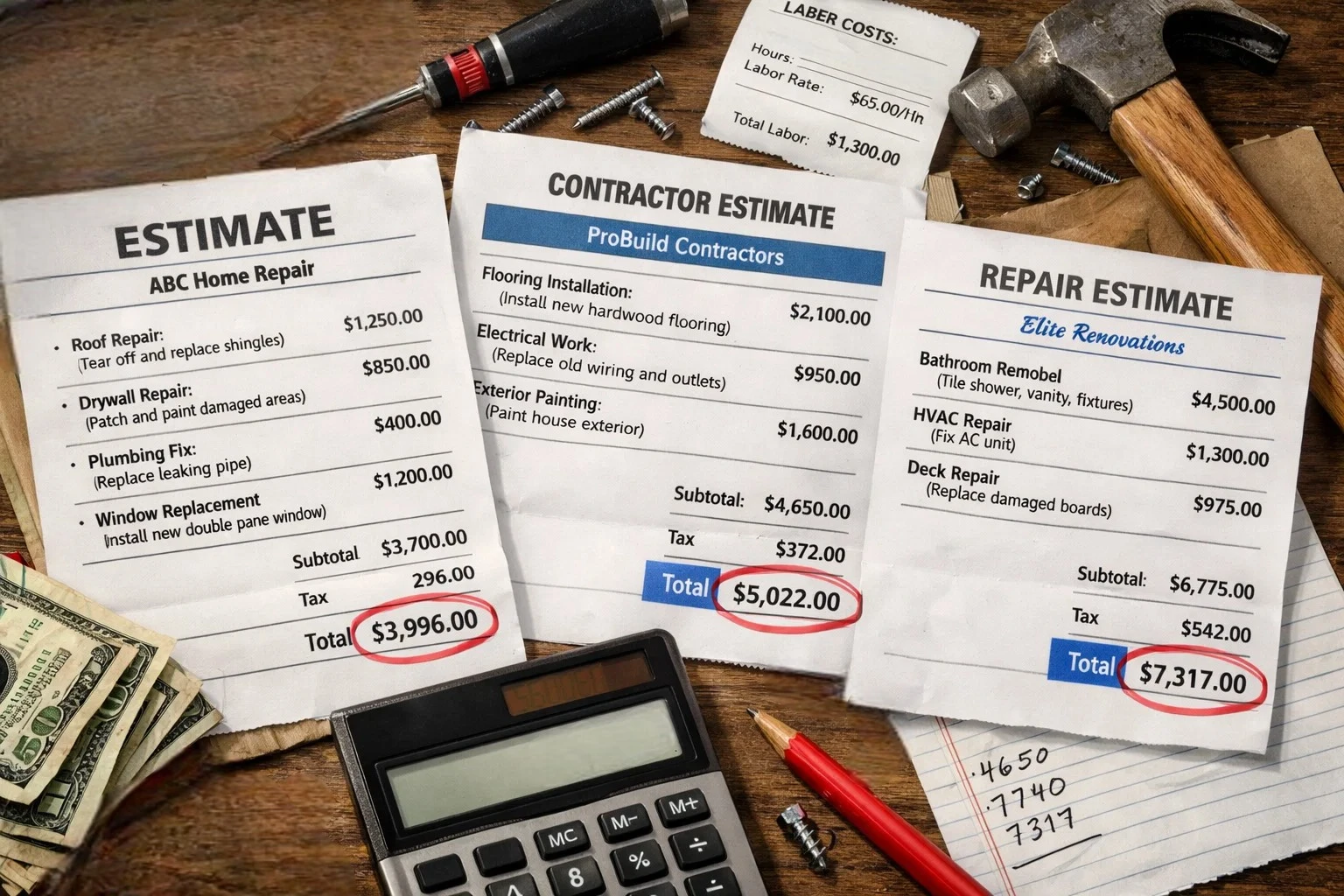
Even relatively small home fixes can get expensive depending on the materials and labor involved. Plumbing issues, electrical upgrades, and structural repairs usually require licensed professionals, and their hourly rates add up fast.
To put this into perspective, replacing an HVAC system usually runs anywhere from $5,000 to over $10,000. A new asphalt shingle roof can easily cost between $8,000 and $20,000 depending on the size of the house. When you are hit with numbers like that, paying out of pocket isn’t always realistic.
Costs rise even more if repairs need to happen immediately to prevent further damage. Delaying a fix often leads to secondary problems like water damage or mold growth. Once mold sets in, the total cost of the project can easily double.
Financial pressure from home maintenance is incredibly common. The Joint Center for Housing Studies at Harvard University reported that homeowners spent an average of $7,100 on improvements and repairs in 2023. Lower-income homeowners spent about $3,100 but still carried a much heavier burden relative to their income. Guidance published by Experian explains that building an emergency fund can help homeowners prepare for unexpected expenses, including repairs that appear without warning
Good planning does not eliminate every surprise. A home’s age and local weather conditions play a huge role, and major systems eventually break down. When a repair bill is too large to absorb all at once, looking into short-term financing options lets you deal with the issue right away.
Looking Beyond Savings

A savings account is typically the first place you turn when something breaks. Emergency funds exist for this exact reason. However, the cost of a major repair can easily wipe out what you have set aside.
When your savings fall short, it makes sense to research loan options to help cover the difference. Sorting through these choices can feel overwhelming because some loans rely mostly on your credit score, while others require you to put up some form of collateral.
Most homeowners immediately think of home equity lines of credit or standard personal loans. But another option often included in these discussions is a pledge loan. Unlike a traditional personal loan, a pledge loan uses your existing assets like a savings account or a certificate of deposit as collateral.
Because the loan is backed by actual cash, lenders usually offer much better interest rates than they would on an unsecured personal loan. This setup appeals to people who want to leverage their existing money to secure a lower rate without actually draining their bank account.
Understanding How Pledge Loans Work
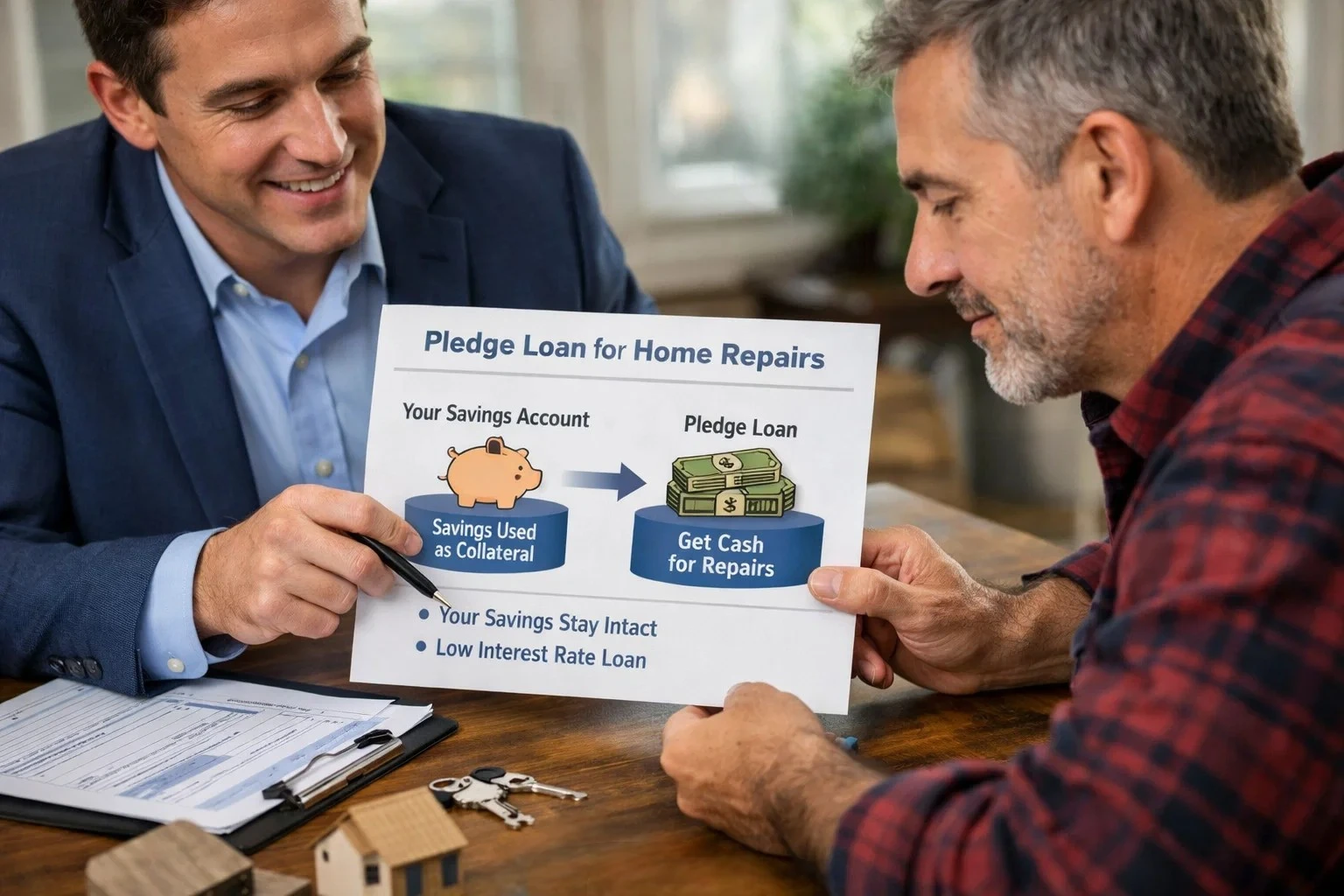
The concept behind a pledge loan is fairly straightforward. Instead of relying heavily on your credit score for approval, the loan is secured by money you already have in the bank. That money is frozen by the lender until you pay the loan balance off.
This means you can get the cash you need to fix your home while your pledged savings continue to earn interest in the background. It is a very different approach from standard personal loans that lean heavily on your credit profile.
Because these loans are backed by collateral, they are generally much easier to qualify for. But there is a catch. If you fall behind on your payments, the bank has the right to take the money you pledged to cover the debt.
Comparing Your Financing Options
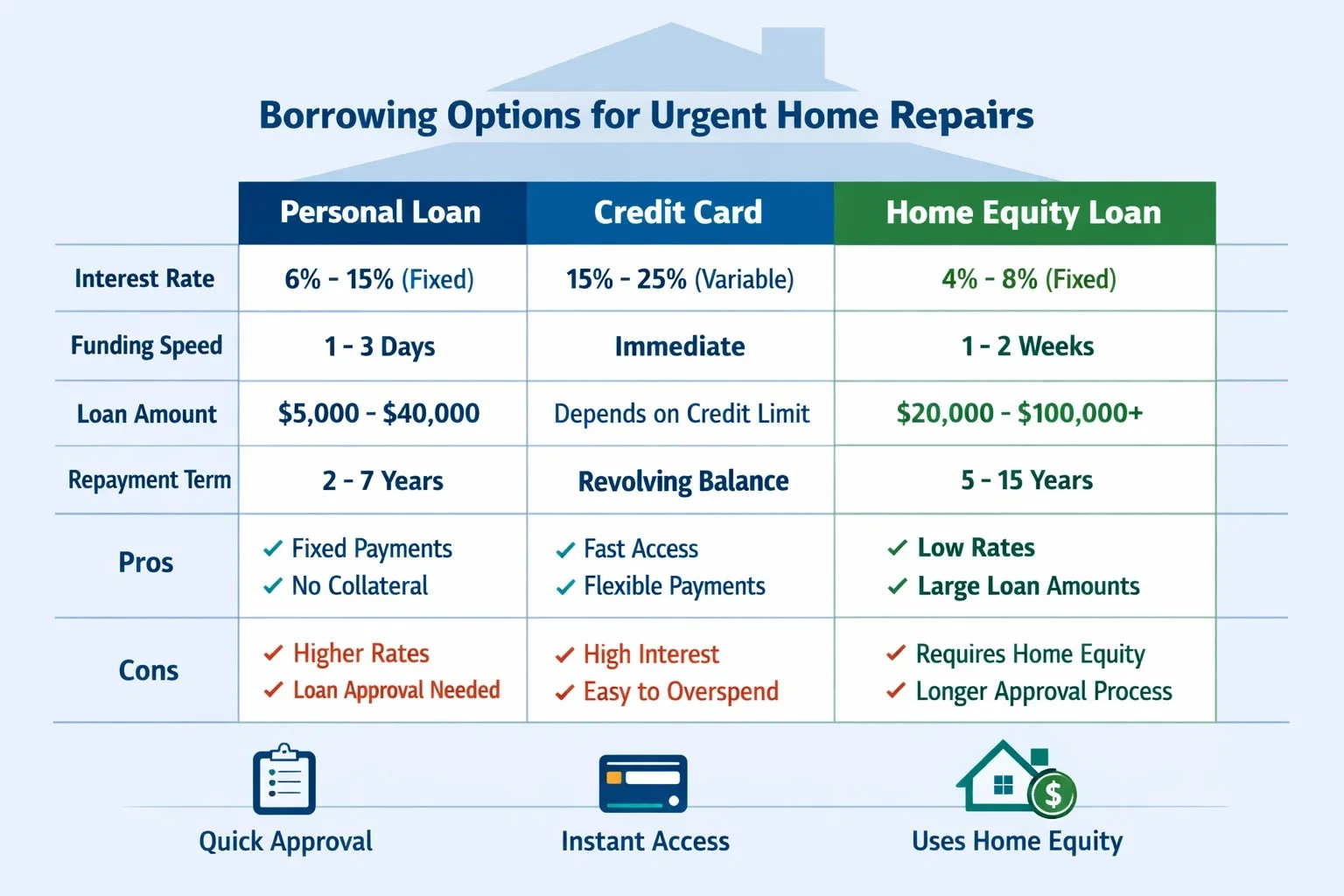
Home repairs almost always feel urgent, especially when they affect your heating, plumbing, or electricity. Even so, taking a few days to compare financing options can help you avoid unnecessary financial stress down the road.
Shopping around and comparing different loan types is just a smart financial move. Speaking with a bank representative or a financial advisor can clear up exactly how a specific loan will fit into your overall household budget.
What to look at before you borrow:
- The exact monthly payment amount
- The total amount of interest you will pay over the life of the loan
- Whether your savings or other assets are tied up as collateral
- How fast the lender can actually get the funds deposited into your account
You also need to think about repayment timelines. A new monthly loan payment instantly becomes part of your regular household expenses. The goal is to choose a term length and payment schedule that works comfortably with your existing bills, so fixing your roof today does not create a cash flow problem next year.
The Role of Planning in Home Maintenance
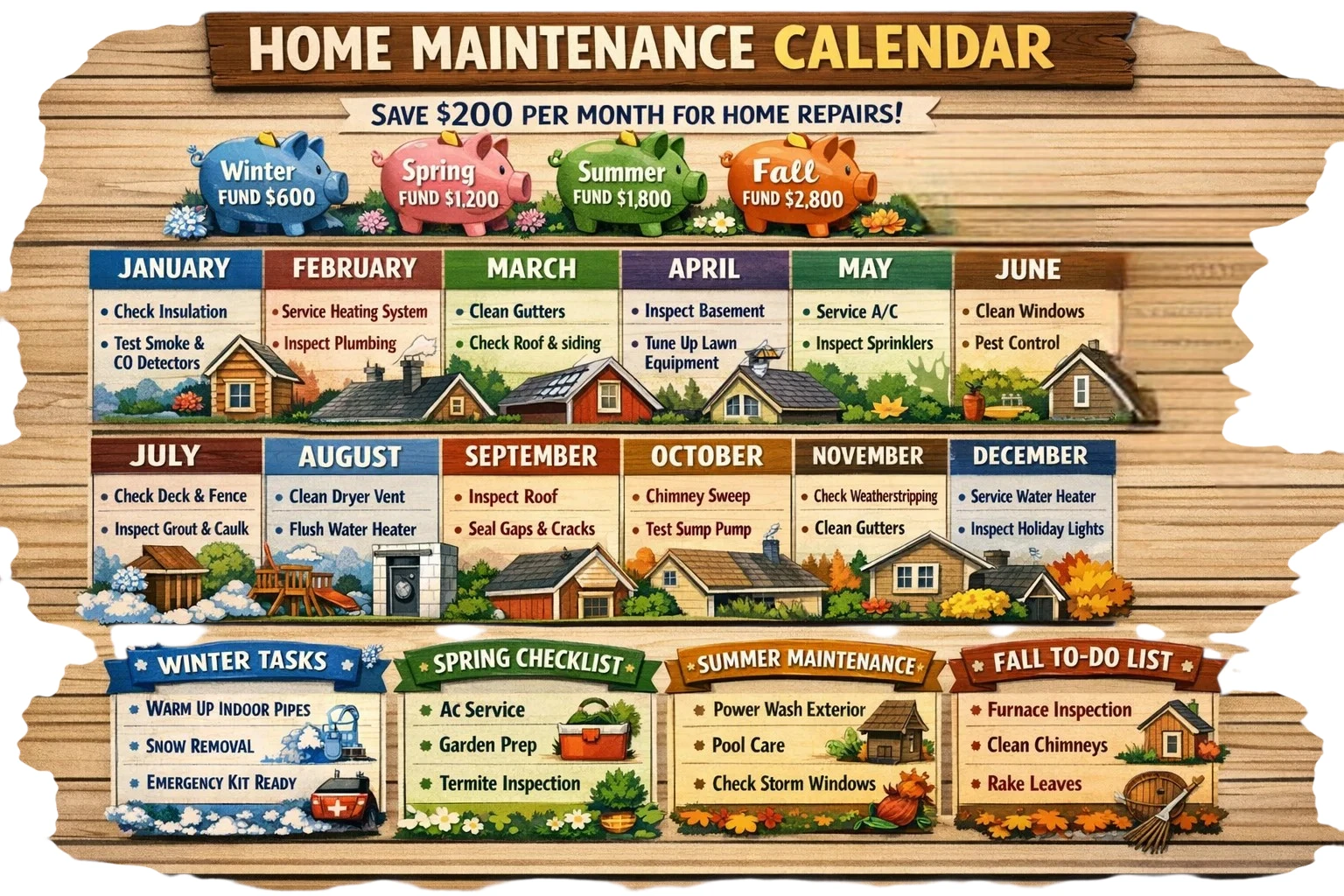
While you cannot predict every broken pipe, long-term maintenance planning definitely reduces the chances of a massive financial surprise. A lot of homeowners set aside a specific portion of their monthly income just for future house repairs.
This habit builds a solid financial cushion for routine upkeep like replacing a dying refrigerator or updating an old electrical panel. Even throwing fifty dollars a month into a dedicated account adds up over time and reduces your need to borrow when things inevitably break.
Financial experts constantly repeat that emergency savings are meant for urgent and unplanned expenses, and home repairs sit right at the top of that list. That is exactly why keeping your repair fund completely separate from your regular checking account is so effective.
But again, planning only goes so far. Texas weather events, aging neighborhood infrastructure, and sudden equipment failures will always create situations where you just have to look into financing.
Balancing Repairs and Financial Stability
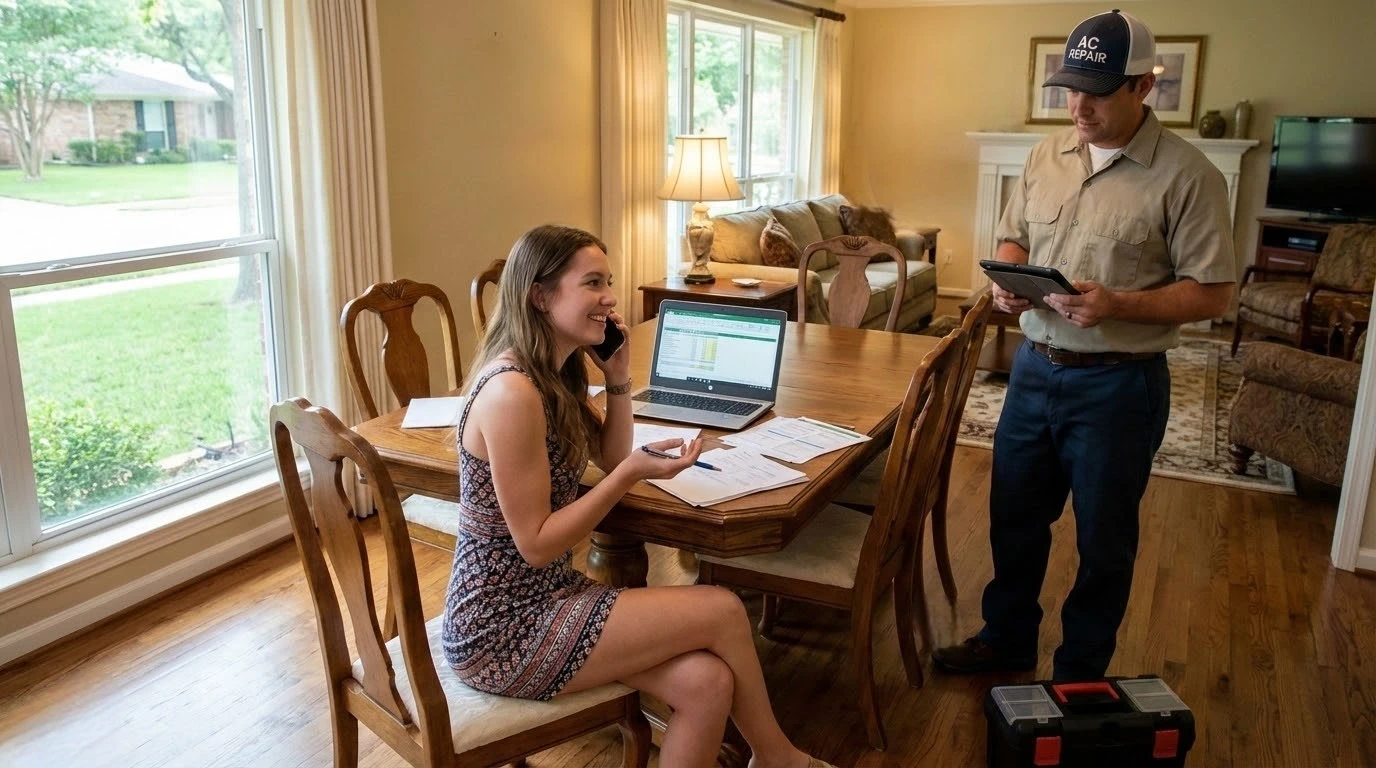
Taking care of home repairs quickly protects your property value and keeps your family safe. Putting off a necessary fix usually allows a small annoyance to snowball into a massive and expensive disaster. At the same time, protecting your financial stability matters just as much.
The best approach balances both of these priorities. You take care of the urgent repairs immediately, but you make sure the financing fits comfortably within your budget.
Exploring different loan structures and understanding secured options like pledge loans helps you know exactly what tools are available when unexpected repairs pop up. Maintaining a home is a mix of physical upkeep and smart financial decisions.
By taking the time to learn about your financing options now, you put yourself in a much stronger position to manage future repairs without derailing your long-term financial plans.