- Why East Texas Weather Is Hard on Roofs
- Roof Leaks and Water Damage
- Shingle Damage in East Texas
- Poor Roof Ventilation Problems
- Storm Damage and Emergency Roof Repairs
- Gutter Problems That Affect Roofs
- How Long Roofs Typically Last in Texas
- Signs It May Be Time for a Roof Replacement
- How to Protect Your Roof in East Texas
- Why Professional Roofing Inspections Matter
- Protecting Your Home Starts With Your Roof
East Texas homeowners deal with unique roofing challenges all year long. Between intense summer heat, severe thunderstorms, humidity, hail, heavy rain, and strong winds, roofing systems in cities like Marshall and surrounding areas take a constant beating from the elements.
Understanding these common roofing problems can help you spot damage early, avoid costly repairs, and protect your property long-term. Whether your roof is brand new or showing its age, knowing what to watch for is an important part of maintaining your home in East Texas.
Why East Texas Weather Is Hard on Roofs
Roofs in East Texas experience year-round weather exposure that can significantly shorten their lifespan over time.
Extreme Summer Heat
Texas summers regularly bring brutal high temperatures and direct sunlight that take a toll on your roof.
- UV Damage: Constant UV exposure can dry out roofing materials, weaken shingles, and cause cracking over time.
- Thermal Expansion: Roofing materials expand and contract repeatedly during temperature changes, which can lead to deterioration and structural stress.
Severe Thunderstorms
Storms are common throughout East Texas, especially during the spring and summer months.
- Wind Damage: Strong winds can loosen shingles, damage flashing, or even tear roofing materials off entirely.
- Heavy Rainfall: Poor drainage or damaged roofing systems can lead to leaks and moisture intrusion during heavy downpours.
Hail Damage
Hailstorms are one of the most common causes of roofing damage in Texas. Even smaller hailstones can damage shingles by knocking off their protective granules or creating hidden structural problems.
Roof Leaks and Water Damage
Roof leaks are one of the most common roofing issues homeowners face.
Causes of Roof Leaks
Leaks can occur for many reasons, including:
- Damaged Shingles: Missing or cracked shingles allow water to penetrate beneath the roofing system.
- Flashing Problems: Improperly sealed flashing around chimneys, vents, and skylights can lead to moisture intrusion.
- Clogged Gutters: Blocked gutters prevent proper drainage and cause water to back up onto the roof.
Signs of Roof Leaks
Homeowners should watch for warning signs, including:
- Ceiling Stains: Brown water stains on ceilings or walls usually indicate an active leak.
- Attic Moisture: Damp insulation or visible moisture in the attic can signal roofing problems.
- Mold Growth: Excess moisture often leads to mold or mildew inside the home.
Shingle Damage in East Texas
Asphalt shingles are one of the most popular roofing materials in Texas, but they take a beating from the weather.
- Curling or Cracked Shingles: Heat exposure and aging can cause shingles to curl or crack.
- Missing Shingles: Strong winds and storms can easily tear shingles away from the roof.
- Granule Loss: Granules protect shingles from UV rays and weather exposure. Large amounts of granules collecting in your gutters may indicate severe roof deterioration.
Poor Roof Ventilation Problems
Roof ventilation plays a major role in protecting homes from the Texas heat.
Why Ventilation Matters
Poor ventilation can trap extreme heat and moisture inside your attic.
Problems Caused by Poor Ventilation
Inadequate airflow may lead to:
- Higher Energy Bills: Heat buildup forces your HVAC system to work harder during the summer.
- Moisture Damage: Excess moisture can rot wood framing and ruin insulation.
- Reduced Roof Lifespan: High attic temperatures can accelerate the deterioration of your roofing materials.
Storm Damage and Emergency Roof Repairs
Texas storms can create sudden roofing emergencies.
Common Storm Damage
Storm-related roofing problems often include:
- Fallen Tree Branches: High winds can cause tree limbs to crash down and damage roofing systems.
- Flashing Damage: Heavy storms can loosen or damage the flashing around roof penetrations.
- Water Intrusion: Severe storms can expose weak points in aging roofs.
The Importance of Fast Repairs
Addressing storm damage quickly can help you prevent larger structural issues and interior water damage.
Gutter Problems That Affect Roofs
Gutters help direct water away from the roof and foundation.
Common Gutter Issues
Damaged or clogged gutters frequently contribute to roofing problems.
- Overflowing Gutters: Overflowing water can rot out fascia boards and damage roofing edges.
- Poor Drainage: Improper drainage can increase moisture exposure around the entire home.
How Long Roofs Typically Last in Texas
A roof’s lifespan depends on materials, weather exposure, and maintenance.
Asphalt Shingle Roof Lifespan
Most asphalt roofs in Texas last between 15 and 25 years, depending on the material’s quality and local weather conditions.
Metal Roof Lifespan
Metal roofs often last between 40 and 70 years and are becoming increasingly popular in Texas for their durability.
Signs It May Be Time for a Roof Replacement
Older roofs will eventually require replacement.
- Frequent Repairs: Repeated roofing problems usually mean your roof is nearing the end of its lifespan.
- Visible Roof Aging: Curled shingles, sagging, and extensive granule loss are clear warning signs.
- Interior Water Damage: Persistent leaks can eventually damage ceilings, insulation, and structural components.
How to Protect Your Roof in East Texas
Preventive maintenance can help homeowners avoid expensive roofing repairs.
- Schedule Roof Inspections: Professional inspections help you catch damage early.
- Clean Gutters Regularly: Proper drainage helps reduce water-related roofing problems.
- Trim Nearby Trees: Tree limbs hanging over the roof can increase your storm damage risk.
- Address Repairs Quickly: Minor roofing issues can become major structural problems if ignored.
Why Professional Roofing Inspections Matter
Some roofing damage is difficult to spot from the ground.
Professional roof inspections can identify:
- Hidden Storm Damage: Hail damage is often not immediately visible to the untrained eye.
- Ventilation Issues: Roofing professionals can evaluate attic airflow and moisture concerns.
- Structural Weaknesses: Inspections may reveal decking or flashing problems before leaks worsen.
Protecting Your Home Starts With Your Roof
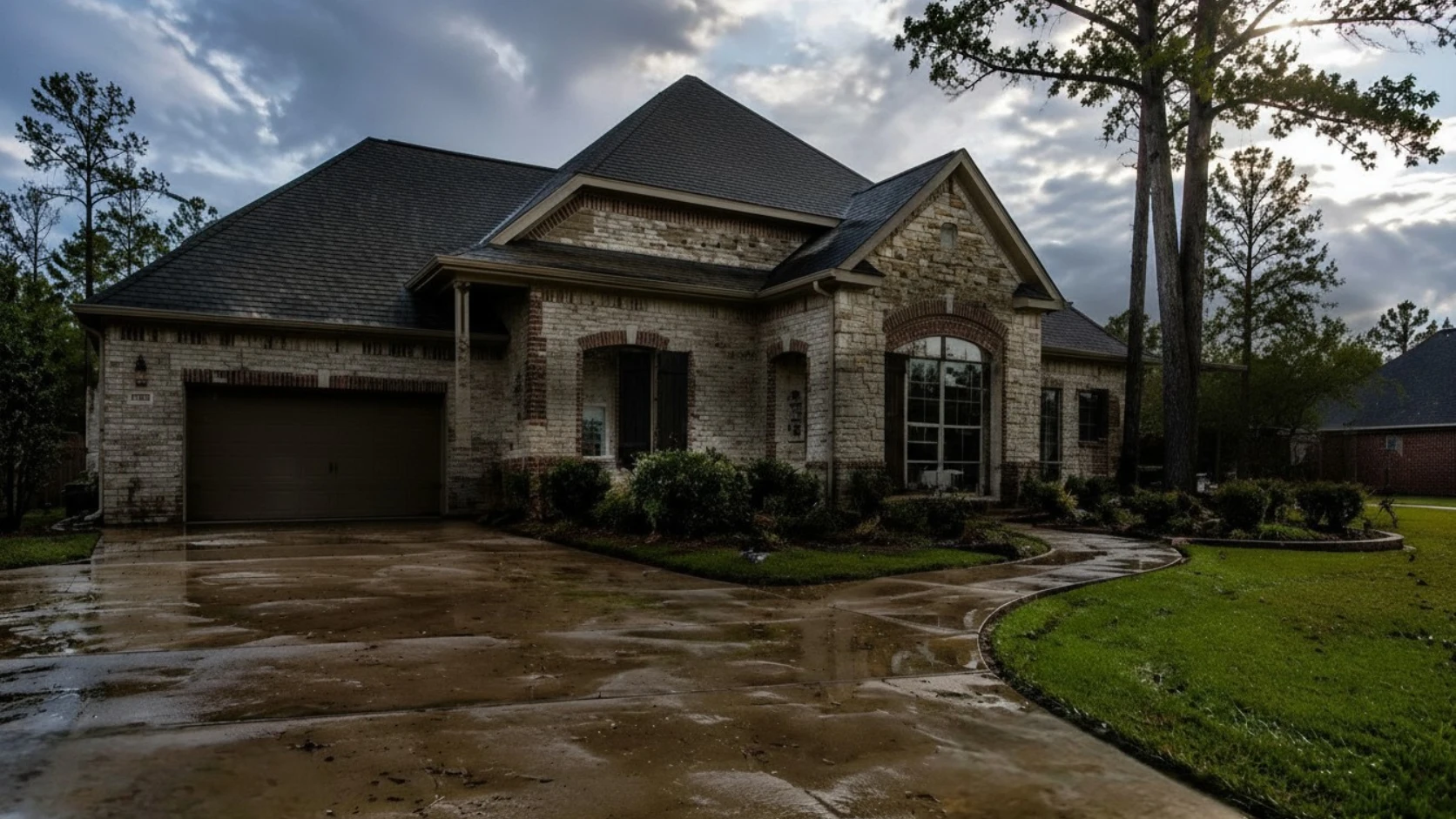
Your roof is one of the most important parts of your home’s structure and protection system. Regular maintenance, inspections, and prompt repairs can help East Texas homeowners avoid expensive damage and extend their roof’s lifespan.
Roofing Inspections in East Texas
If your roof has experienced storm damage, leaks, or signs of aging, working with an experienced Texas roofing company can help protect your home long-term.