- The Short Answer: Updated Cabinets Can Add Value, but Strategy Matters
- How Kitchen Cabinets Affect What Buyers Think a Home Is Worth
- They improve listing photos
- They reduce the buyer’s mental renovation budget
- They make the home feel move-in ready
- They can improve function without changing the footprint
- Updating Kitchen Cabinets Before Selling: Four Levels of Improvement
- Signs You Need New Kitchen Cabinets Rather Than a Cosmetic Update
- Structural damage
- Water damage or persistent swelling
- A layout that wastes usable space
- Doors and drawers that no longer function reliably
- Odors or contamination that cleaning cannot remove
- The cabinets undermine an otherwise updated home
- When New Cabinets Are More Likely to Support Resale Value
- When You Should Keep the Existing Cabinets
- How to Choose a Cabinet Update That Appeals to More Buyers
- Respect the home’s character
- Keep the palette cohesive
- Prioritize visible quality
- Improve storage where buyers can see it
- Avoid overpersonalization
- How Much Should You Spend Before Listing?
- 1. Ask a local real estate professional for a price-range comparison
- 2. Get the cabinets evaluated separately from the rest of the kitchen
- 3. Use a conservative recovery estimate
- 4. Account for related work
- 5. Protect the listing timeline
- A Practical Pre-Sale Decision Framework
- So, Does Updating Kitchen Cabinets Increase Home Value?
- Frequently Asked Questions
- Is it worth updating kitchen cabinets before selling?
- Do buyers prefer white cabinets?
- Is cabinet refacing better than replacing before a sale?
- Can I paint kitchen cabinets myself before listing?
- Will an appraiser add the full cost of new cabinets to my home’s value?
- How long before listing should I update the cabinets?
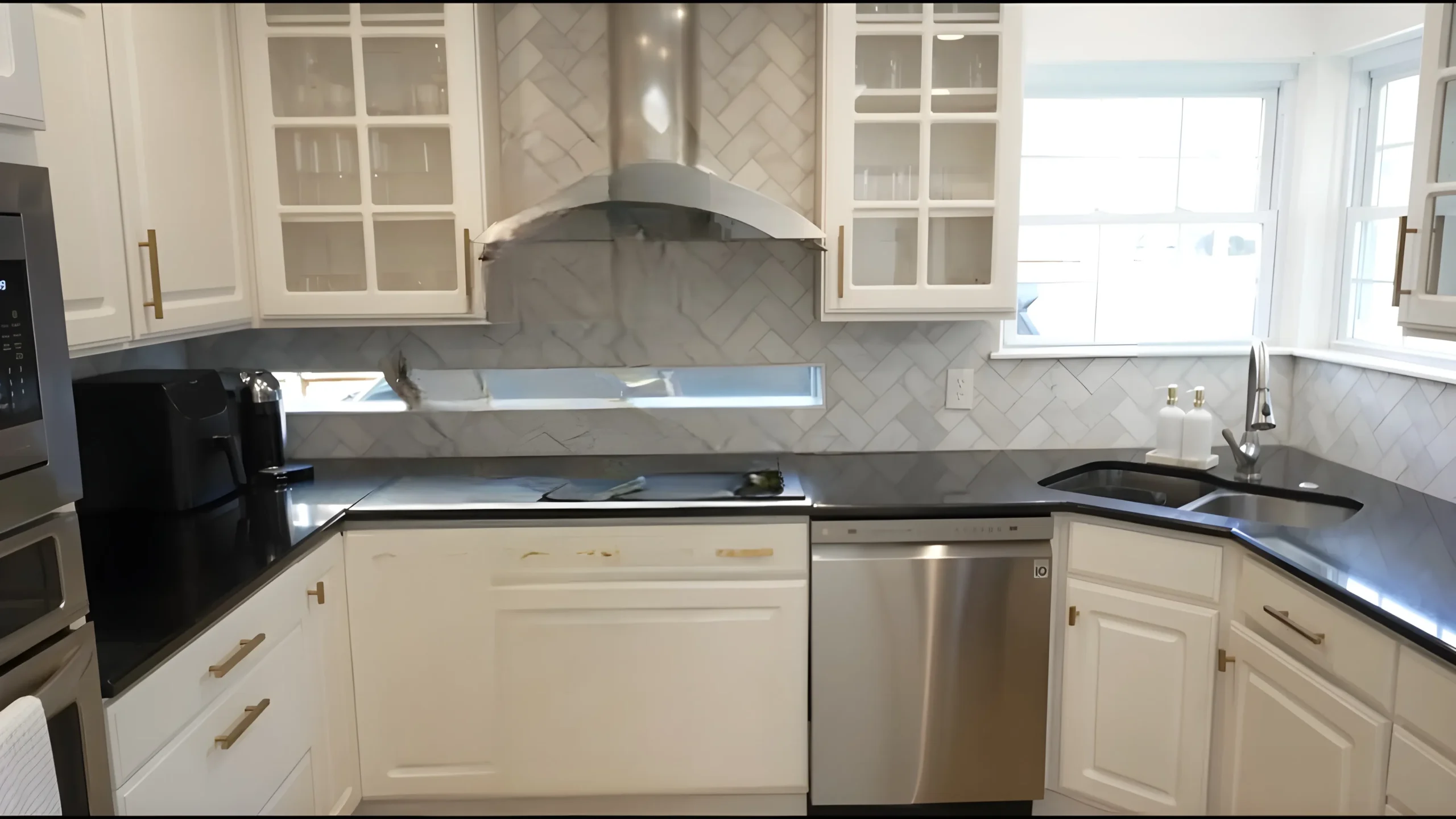
If you are getting ready to sell, you may be wondering: Does updating kitchen cabinets increase home value enough to justify the expense? In many cases, yes—but the size of the benefit depends on the condition of your current cabinets, the type of update you choose, your local market, and how well the finished kitchen fits the home’s price range.
Updated cabinets can make a kitchen look cleaner, newer, and better maintained. They can also improve storage and remove objections that might cause buyers to offer less. However, a costly cabinet replacement is not automatically the best pre-sale investment. Sometimes paint, new hardware, or selective repairs deliver a stronger return because they improve the room without consuming too much of your potential sale profit.
The goal is not simply to install the most impressive cabinets you can afford. It is to choose the smallest appropriate improvement that makes the kitchen feel competitive, functional, and move-in ready.
The Short Answer: Updated Cabinets Can Add Value, but Strategy Matters
Kitchen cabinets influence home value in three connected ways:
- They shape the kitchen’s first impression. Cabinets occupy a large amount of visual space, so dated doors or worn finishes can make the entire room feel old.
- They affect daily function. Buyers notice limited storage, awkward corners, shallow drawers, and doors that do not close correctly.
- They influence perceived maintenance. Peeling finishes, water damage, and loose hinges can lead buyers to wonder what else in the home has been neglected.
That does not mean every seller should order new cabinets. According to the National Association of REALTORS®’ 2025 Remodeling Impact Report, a minor kitchen upgrade and a complete kitchen renovation each had an estimated cost recovery of 60%. The report also found that 30% of REALTORS® recommended a kitchen upgrade before selling, while 48% had seen increased buyer demand for kitchen upgrades during the previous two years.
These findings offer an important reality check. A kitchen project can improve a home’s appeal and support its market position, but sellers should not assume they will recover every dollar. The right question is not, “Will new cabinets pay for themselves?” It is, “Which cabinet improvement gives this particular home the best chance of selling well?”
How Kitchen Cabinets Affect What Buyers Think a Home Is Worth
Home value is not determined by cabinets alone. Appraisers and buyers consider location, square footage, condition, comparable sales, layout, and many other factors. Cabinets still matter because they influence how buyers interpret the kitchen—and the kitchen often carries significant emotional weight during a showing.
They improve listing photos
Many buyers encounter a home online before visiting it. Cabinet doors form the visual backdrop in most kitchen photos. A consistent finish, clean lines, and uncluttered storage can make the room appear brighter and more spacious. Dark, damaged, or mismatched cabinetry can have the opposite effect, even when the counters and appliances are in good condition.
They reduce the buyer’s mental renovation budget
Buyers do not always estimate renovation costs accurately. When they see worn cabinets, they may assume the kitchen requires a complete remodel and mentally subtract a large amount from what they are willing to pay. An appropriate update can remove that objection before it affects an offer.
They make the home feel move-in ready
Some buyers are willing to renovate. Others want a kitchen they can use immediately. Clean, functional cabinets expand the home’s appeal to buyers who do not have the time, cash, or interest to manage a project after closing.
They can improve function without changing the footprint
Full-extension drawers, pull-out storage, soft-close hardware, a better pantry, and properly sized cabinets can make an existing kitchen work harder. Buyers may not name every feature during a tour, but they notice when storage feels intuitive and the room is easy to use.
Updating Kitchen Cabinets Before Selling: Four Levels of Improvement
The best approach depends on what is wrong with the current cabinetry. Cosmetic problems call for cosmetic work. Structural failure or a severely inefficient layout may justify replacement.
| Improvement | Best for | Likely buyer impact | Main risk |
|---|---|---|---|
| Repair and refresh | Solid cabinets with minor wear | Makes the kitchen feel cared for | May not overcome a very dated style |
| Paint and new hardware | Sound boxes with an outdated finish | Creates a noticeable visual change at a controlled cost | Poor preparation can produce a visibly low-quality finish |
| Reface | Strong cabinet boxes with dated doors and drawer fronts | Delivers a more complete style update without rebuilding the layout | Cost may be hard to justify if the layout is still poor |
| Replace | Damaged, low-quality, or badly planned cabinets | Improves appearance, storage, and function together | Overbuilding can reduce the seller’s return |
1. Repair and refresh
Start with the basics when the cabinets are fundamentally sound. Adjust misaligned doors, replace broken hinges, secure loose pulls, repair small chips, touch up the finish, and deep-clean grease-prone areas. Add shelf liner only if it looks intentional and new.
This level of work is especially useful when the kitchen already fits the home’s style and price point. A buyer may not reward a seller for perfectly adjusted hinges, but a sticking drawer or crooked door can create a negative impression.
2. Paint and replace the hardware
Professional-quality paint can transform wood cabinets that are structurally sound but visually heavy or dated. Warm white, soft taupe, muted gray-green, and other restrained colors tend to be easier for buyers to accept than highly personal shades. Natural wood may be worth preserving when the material and grain are attractive.
New knobs and pulls can complete the update, but measure the existing hole spacing before ordering. Reusing the current holes avoids unnecessary filling and drilling. The hardware should also relate to nearby finishes without forcing every metal in the room to match.
Cabinet painting is preparation-intensive. Doors and hardware should be removed, surfaces cleaned and deglossed, damage repaired, and the correct primer and coating applied. Brush marks, peeling paint, overspray, or painted-over hinges can hurt buyer confidence rather than help it.
3. Reface the cabinets
Refacing generally replaces doors and drawer fronts while covering exposed cabinet-box surfaces with a matching material. It can work when the boxes are durable and the existing layout is functional, but the style is dated.
This is more extensive than painting and less disruptive than a complete replacement. Still, sellers should compare the price of refacing with selective replacement. If the storage is frustrating, the cabinet sizes are inefficient, or the boxes have damage, putting new faces on the old layout may not solve the real problem.
4. Replace the cabinets
Replacement makes the most sense when the existing cabinetry has structural damage, poor-quality boxes, or a layout that actively limits the kitchen. It may also be appropriate when surrounding homes at the same price point have substantially better kitchens and the subject property would otherwise feel uncompetitive.
New cabinets create the opportunity to add wide drawers, vertical tray storage, a pull-out trash center, pantry towers, appliance panels, or storage designed around unusual dimensions. For Lynnwood-area sellers, speaking with a local specialist in custom kitchen cabinetry can help determine whether a tailored layout adds meaningful function or whether a smaller update is the smarter pre-sale choice.
Signs You Need New Kitchen Cabinets Rather Than a Cosmetic Update
Knowing the signs you need new kitchen cabinets can prevent you from spending money refinishing boxes that are near the end of their useful life.
Structural damage
Sagging shelves, separating joints, cracked cabinet boxes, and walls that no longer hold fasteners securely are more than cosmetic issues. Repairs may be possible in isolated areas, but widespread failure often makes replacement more practical.
Water damage or persistent swelling
Cabinets near sinks, dishwashers, and plumbing lines are vulnerable to moisture. Swollen panels, delamination, soft material, or recurring discoloration can indicate damage that paint will not correct. The moisture source must be fixed before new cabinetry is installed. If mold is suspected, have it assessed and addressed appropriately rather than covering it.
A layout that wastes usable space
Narrow openings, blind corners, large filler strips, inaccessible shelves, and too few drawers can make an otherwise adequate kitchen difficult to use. If several layout problems exist, replacement may create more buyer value than resurfacing the same inefficient arrangement.
Doors and drawers that no longer function reliably
One failed hinge is a repair. Multiple warped doors, broken drawer boxes, failing slides, and repeated alignment problems may indicate that the cabinet system has reached the point where ongoing repairs are no longer worthwhile.
Odors or contamination that cleaning cannot remove
Persistent smoke, pet, mildew, or pest odors can become embedded in porous cabinet materials. Professional cleaning or sealing may solve a limited problem, but severe contamination can make replacement the more credible option.
The cabinets undermine an otherwise updated home
If the flooring, lighting, counters, and appliances have been improved but the cabinets are visibly worn or stylistically disconnected, they may make the renovation feel unfinished. In that situation, a coordinated cabinet update can help the kitchen support the condition of the rest of the home.
When New Cabinets Are More Likely to Support Resale Value
Replacement is easier to justify when several of the following conditions apply:
- The cabinets are damaged, unstable, or difficult to clean.
- Comparable nearby listings feature updated kitchens.
- The home is competing in a price range where buyers expect better materials and built-in storage.
- The current layout has a clear functional flaw that cabinetry can correct without moving major plumbing or walls.
- The seller has enough time to plan, order, install, and resolve punch-list items before photography.
- The design will appeal to a broad buyer group and complement the architecture.
- The project budget is proportionate to the home’s likely sale price.
Custom work can be particularly effective in an unusual room, where stock cabinet dimensions would leave awkward gaps or waste space. It can also create a finished, built-in appearance in a higher-value property. However, customization should solve a visible problem. Highly specialized storage designed around one owner’s habits may not be worth the extra cost immediately before a sale.
When You Should Keep the Existing Cabinets
Updating does not always mean replacing. Keeping the cabinets may be the better financial decision when:
- The boxes are solid and the doors operate correctly.
- The layout works well for the size of the kitchen.
- Paint, hardware, and repairs can address the main concerns.
- The home is priced for buyers who are likely to renovate to their own taste.
- A replacement project would delay the listing during a favorable selling window.
- New cabinets would be significantly more upscale than the rest of the home or neighborhood.
- The likely sale-price improvement is small relative to the project cost and disruption.
A nearly new kitchen can also be a poor candidate for remodeling simply because its style is not your favorite. Sellers are usually better served by fixing clear defects and reducing visual distractions than by replacing serviceable cabinets to chase a trend.
How to Choose a Cabinet Update That Appeals to More Buyers
Pre-sale design should feel current without becoming so trend-specific that it dates quickly.
Respect the home’s character
Simple Shaker doors can work in many traditional, transitional, and Craftsman-influenced homes. Clean slab fronts often suit contemporary spaces and newer townhomes. The strongest choice is usually the one that looks intentional in the house, not the one that was most prominent on social media this year.
Keep the palette cohesive
Cabinet color should work with the countertops, backsplash, flooring, wall color, and natural light. If those elements have warm undertones, a stark blue-white cabinet color may make them look dingy. Always view finish samples in the actual kitchen at different times of day.
Prioritize visible quality
Buyers interact directly with doors and drawers. Consistent gaps, smooth operation, solid-feeling boxes, finished end panels, and clean installation lines can matter more than decorative extras. Spend first on construction, alignment, and durable finishes.
Improve storage where buyers can see it
Useful upgrades include deep drawer bases, full-extension slides, a pantry with accessible shelving, and an organized waste center. Do not fill every cabinet with expensive mechanisms. A few well-placed features can demonstrate function without overloading the budget.
Avoid overpersonalization
Unusual colors, ornate door profiles, specialty distressing, and highly specific built-ins may narrow the buyer pool. A pre-sale kitchen does not need to be bland, but permanent and expensive choices should be easy for a range of buyers to live with.
How Much Should You Spend Before Listing?
There is no universal cabinet budget that guarantees a higher sale price. Set the budget using evidence from the property and the local market.
1. Ask a local real estate professional for a price-range comparison
Review recent comparable sales and current competition, not just general remodeling averages. Compare homes with original kitchens, cosmetically updated kitchens, and fully remodeled kitchens. The likely price difference creates a ceiling—not a promise—for your project budget.
2. Get the cabinets evaluated separately from the rest of the kitchen
A cabinet professional can identify whether the boxes are suitable for painting or refacing and explain what replacement would correct. Ask for itemized options so you can compare repair, finish work, door replacement, storage modifications, demolition, delivery, and installation.
3. Use a conservative recovery estimate
Do not budget as though the project will return 100% of its cost. National data is useful context, but actual results vary by location, home value, workmanship, and market conditions. A project may still make sense if it improves marketability, shortens the time needed to attract a strong offer, or prevents buyers from demanding a larger concession.
4. Account for related work
Cabinet replacement can affect countertops, backsplash, plumbing, electrical outlets, flooring, painting, and appliances. A quote for cabinets alone is not the complete project cost. Build in a contingency for concealed damage and coordination between trades.
5. Protect the listing timeline
Custom work requires design decisions, field measurements, production, delivery, installation, and final adjustments. Begin early enough that the project is fully complete before listing photos and showings. An unfinished kitchen can create more uncertainty than an older but clean and functional one.
A Practical Pre-Sale Decision Framework
Use this sequence before committing to the project:
- Define the problem. Is it appearance, damage, storage, layout, or a combination?
- Confirm the market gap. Do competing homes offer noticeably better kitchens?
- Choose the least extensive effective solution. Repair before repainting, repaint before refacing, and reface before replacing—unless condition or layout makes the earlier option unsuitable.
- Estimate the complete cost. Include all related materials, labor, trades, and schedule risk.
- Select a broad-appeal design. Match the home and avoid choices that depend on one buyer sharing your taste.
- Finish before marketing. Complete adjustments, cleaning, touch-ups, and staging before photography.
This framework keeps the decision grounded in buyer value instead of renovation excitement.
So, Does Updating Kitchen Cabinets Increase Home Value?
Yes, updating kitchen cabinets can increase a home’s value and marketability when the work corrects visible wear, improves function, and brings the kitchen closer to buyer expectations. The strongest pre-sale projects are usually proportionate, well-executed, and based on local comparable homes.
Cabinet replacement is most defensible when the existing system is damaged, inefficient, or clearly below the standard of competing properties. If the cabinets are structurally sound, a careful refresh may provide a better return with less cost and schedule risk.
Before deciding, get input from both a local real estate professional and an experienced cabinet specialist. One can help estimate how the kitchen affects the home’s market position; the other can identify the most practical way to improve it. Together, those perspectives can help you invest where buyers are most likely to notice—and avoid spending beyond what the sale can reasonably support.
Frequently Asked Questions
Is it worth updating kitchen cabinets before selling?
It can be worth it when the cabinets look worn, function poorly, or make the home less competitive than comparable listings. If the cabinets are solid and the layout works, painting, repairs, and new hardware may deliver more pre-sale value than full replacement.
Do buyers prefer white cabinets?
Many buyers respond well to light, neutral kitchens, but white is not the only safe choice. Natural wood, soft greige, muted green, and other restrained finishes can also work. The best color coordinates with the home’s style, counters, flooring, and light.
Is cabinet refacing better than replacing before a sale?
Refacing can be a good option when the cabinet boxes and layout are in good condition but the doors and finishes look dated. Replacement is more appropriate when the boxes are damaged or a poor layout needs to be corrected.
Can I paint kitchen cabinets myself before listing?
You can, but the finish must look durable and professional. Cabinet painting requires thorough cleaning, surface preparation, appropriate primer, and a suitable coating. A rushed DIY finish with drips, chips, or painted-over hardware can reduce buyer confidence.
Will an appraiser add the full cost of new cabinets to my home’s value?
Usually not. Appraisers evaluate the property as a whole and compare it with relevant sales. New cabinets can contribute to overall condition and quality, but their cost is not typically added to the appraisal dollar for dollar.
How long before listing should I update the cabinets?
Allow enough time for design, materials, installation, related trade work, final adjustments, and cleaning. Simple repairs or hardware changes may take days, while refacing or custom replacement can require several weeks or longer. Confirm the actual schedule with the contractor before setting the listing date.