
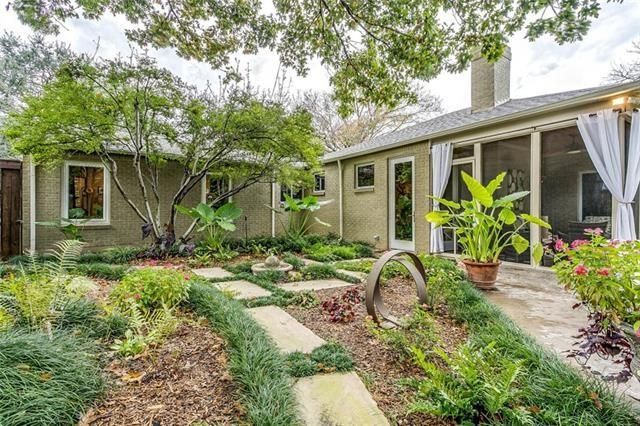
Most homeowners already suspect that a nice garden pushes up what their house is worth. They’re mostly right, because UK industry surveys back this up. A Royal Institution of Chartered Surveyors poll found that 83% of chartered surveyors believe well-maintained gardens increase property value, and the Society of Garden Designers estimates a professionally designed garden can add between 5% and 15% to a home’s asking price.
But “landscape upgrade” covers a lot of ground, and not every garden project will have the same effect on your asking price. A mature oak tree and a row of tomato plants are both part of your garden, technically, but one of them will do far more for your sale price than the other. So which outdoor investments actually pay off when you sell, and which ones are really just for you?
Mature Trees and Structural Planting
Established trees are one of the few garden features with a measurable, direct impact on property value. Multiple studies have found that mature trees can add between 3% and 15% to a home’s sale price, depending on species, placement, condition and how many there are. The range comes from compiled research across property valuation studies, and while most of this data is from the US, UK surveyors consistently back the principle that established trees carry measurable value. That kind of return from something you don’t even need to water once it’s rooted is hard to beat.
Structural planting counts too. Hedging and well-positioned shrubs give a front garden some height and shape, and estate agents will tell you that kerb appeal plays a real role in how fast a home sells. A bare lawn with nothing else going on will almost always lose out to a garden that has some structure and depth to it.
Lawns, Borders and the Basics
Think of a clean, well-kept lawn as the outdoor version of a fresh coat of paint indoors. It won’t dramatically increase your home’s value. But it removes a reason for buyers to chip away at the price, and that matters more than people realise. Overgrown grass, patchy borders and broken fencing all tell a buyer that the property hasn’t been looked after, and they’ll adjust their offer to reflect it.
So the real benefit here isn’t about boosting your sale price by thousands. It’s about making sure you don’t hand buyers an easy excuse to lowball you, which they absolutely will if the garden looks neglected.
Vegetable Patches and Allotment-Style Gardens
Here’s where things get personal. Raised beds and vegetable patches will appeal to some buyers, especially younger families who like the idea of growing their own food. Others will look at them and see a chore. If you enjoy growing veg, that’s all the justification you need. But don’t kid yourself into thinking it’ll add serious money to your sale price, because for most buyers, it won’t.
Your Garden as Part of the Bigger Picture
For most people, their home is the single biggest asset they’ll ever own, and a well-maintained garden does help protect that value over time. But knowing your property is worth a certain amount and actually doing something useful with that knowledge are two different things.
A lot of homeowners sit on significant equity without ever factoring it into their wider financial position, which means the value just sits there, growing or shrinking with the market, completely disconnected from their pensions, savings or any long-term goals they’re working towards. Investment management services that account for property alongside other assets can give a clearer picture of where someone actually stands, rather than treating each part of their wealth as if it exists in isolation. That matters more than most people think, especially if a future downsize is part of the plan and the equity released needs to work hard somewhere else.
What a Buyer Actually Sees
When someone turns up to view your home, the garden is the first thing they notice and the last thing they remember. Those impressions stick. A tidy, well-thought-out garden signals that the whole property has been cared for, and that carries real weight whether you’ve spent £500 or £5,000 on it.
Mature trees, established hedging and a garden that looks genuinely lived in are the things that move the needle at sale, because buyers can tell straight away that you can’t throw those together over a bank holiday weekend. Everything else you do out there is for your own enjoyment, and there’s nothing wrong with that at all.
The value of investments and any income from them can fall as well as rise, and there’s no guarantee you’ll get back what you originally put in. How investments have performed in the past shouldn’t be taken as a reliable indicator of how they’ll perform in the future.