- Practical Oversight for Rental Properties
- Consistent Tenant Screening and Retention
- Routine Maintenance That Protects Property Value
- Clear Financial Tracking and Reporting
- Keeping Up With Rules and Lowering Risk
- Efficient Communication With Owners and Tenants
- Long-Term Growth for Real Estate Investors
- FAQ
- What do professional property managers do for real estate investors?
- How does professional management impact returns on investment?
- Why is tenant screening important for rental property owners?
- How do property managers help protect a property over time?
- Why is financial reporting important in property management?
Real estate investing takes time, planning, and good judgment. Owners usually focus on the purchase price and expected rental income, but long-term returns also depend on how well the property is run. An experienced property manager keeps things organized, works with tenants, and maintains the property in top condition. That kind of experience also allows owners to plan ahead and avoid costly problems.
When tasks like maintenance scheduling, rent collection, and compliance checks are handled properly, investors see stable income and fewer surprises. A well-run property also holds its value better and operates more smoothly. This gives owners more time to focus on the bigger picture while knowing the property is being handled responsibly.
Practical Oversight for Rental Properties

Professional supervision makes a real difference in how a rental property performs over time. Experienced property managers in Dayton know that strong management protects income and keeps a property in good condition. They track the financials, stay in touch with tenants, and make sure repairs and upkeep do not get ignored.
- Financial Planning: Monitoring income, expenses, and rent pricing keeps owners on top of cash flow.
- Tenant Coordination: Managing communication and agreements supports long-term occupancy.
- Property Maintenance: Scheduling inspections and repairs protects the property’s condition.
- Compliance Monitoring: Following legal and regulatory standards reduces operational risks.
- Performance Tracking: Reviewing occupancy and financial data supports informed decisions.
Consistent Tenant Screening and Retention
- A careful screening process identifies tenants who are more likely to pay on time and take care of the property.
- Clear communication sets expectations early and makes the landlord-tenant relationship easier to manage.
- Clear lease terms prevent confusion and reduce avoidable disputes.
- Quick responses to tenant concerns improve the living experience and encourage lease renewals.
- Fair and consistent rental procedures create a more reliable income stream for property owners.
Routine Maintenance That Protects Property Value
Regular maintenance limits wear and tear and lowers the chance of expensive repairs later. Professional management teams schedule inspections, keep an eye on major systems, and deal with repair issues before they get worse. Catching small problems early prevents larger repair bills and longer disruptions down the road.
Investors benefit because regular upkeep preserves appearance, function, and overall property condition. Properties that are well cared for are also more appealing to responsible tenants, which reduces turnover. Over time, this approach protects the asset’s value and makes expenses easier to manage.
Clear Financial Tracking and Reporting

Organized income tracking makes rent collection clear and predictable. Clear expense records give owners a better sense of where the money is going. Scheduled reporting provides regular insights into property performance and income patterns.
Budget planning prepares investors for maintenance needs and regular operating expenses. Good reporting also makes it easier to spot issues with vacancy, missed rent, or rising repair costs.
Keeping Up With Rules and Lowering Risk
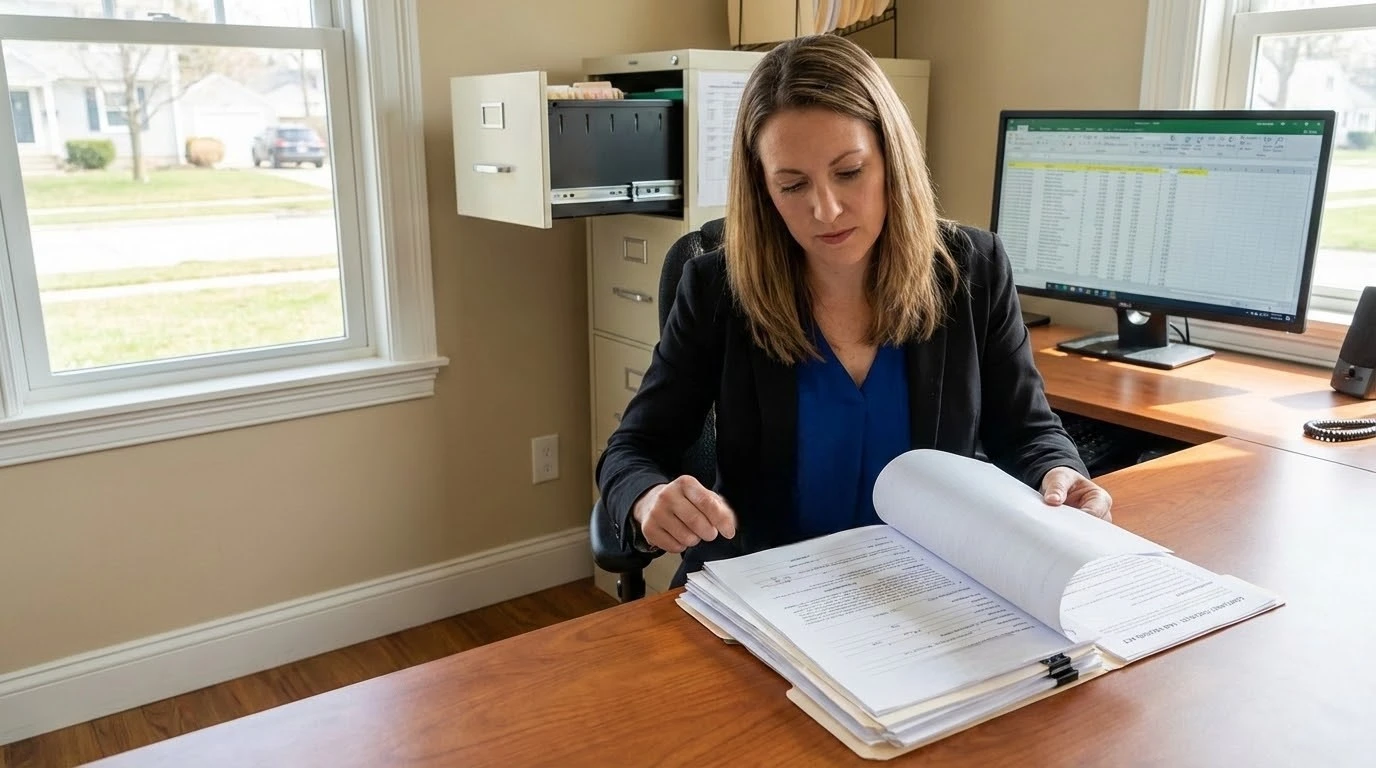
Owning property comes with legal and administrative responsibilities, including leases, records, and operating requirements. Experienced managers stay current on changes that affect rental properties and make sure management practices follow the rules. Proper documentation, clear policies, and effective communication prevent misunderstandings and protect both owners and tenants.
Good management also reduces the chances of disputes, delays, or avoidable legal issues. When compliance is handled well, property managers create a more stable environment for both the investment and the people living there.
Efficient Communication With Owners and Tenants
- Regular updates give owners a clear sense of how the property is doing.
- Timely communication keeps investors informed about repairs, tenant concerns, and financial trends.
- Clear communication channels reduce confusion between tenants and property managers.
- Professional handling of complaints or conflicts keeps the property running smoothly.
- Good coordination makes it easier to keep relationships productive over time.
Long-Term Growth for Real Estate Investors

Planned property management keeps a rental property on solid footing through careful financial management, tenant oversight, and timely maintenance. Professional management protects the building, reduces unnecessary problems, and keeps rental income more consistent.
Established teams also take a lot of the pressure off owners by handling the work that keeps a property running well. Investors benefit from regular reporting, strong tenant screening, and active maintenance that protects value over the long haul.
Property owners can gain more stability and stronger long-term results by working with experienced property managers in Dayton who know how to keep a rental property running well.
FAQ
What do professional property managers do for real estate investors?
Professional managers oversee rent collection, tenant communication, maintenance coordination, paperwork, and property upkeep to protect long-term returns.
How does professional management impact returns on investment?
Good management reduces avoidable costs, keeps tenants longer, and makes rental income more consistent.
Why is tenant screening important for rental property owners?
Careful screening helps owners place tenants who are more likely to pay on time, follow lease terms, and take care of the property.
How do property managers help protect a property over time?
Regular inspections, preventive maintenance, and timely repairs keep the property in good condition and reduce the chance of bigger problems later.
Why is financial reporting important in property management?
Frequent reporting helps owners understand income, expenses, occupancy, and overall property results more clearly.