- Understanding Dallas Summers and Their Impact on Pools
- Essential Pool Maintenance Tasks for Dallas Summers
- Regular Cleaning (Skimming, Vacuuming, Brushing)
- Monitoring and Balancing Pool Chemicals
- Managing Water Levels and Preventing Evaporation
- Checking and Maintaining Pool Equipment
- Addressing Algae Prevention and Treatment
- Energy and Water Efficiency Tips for Dallas Pools
- When to Call Professionals
- Additional Resources and References
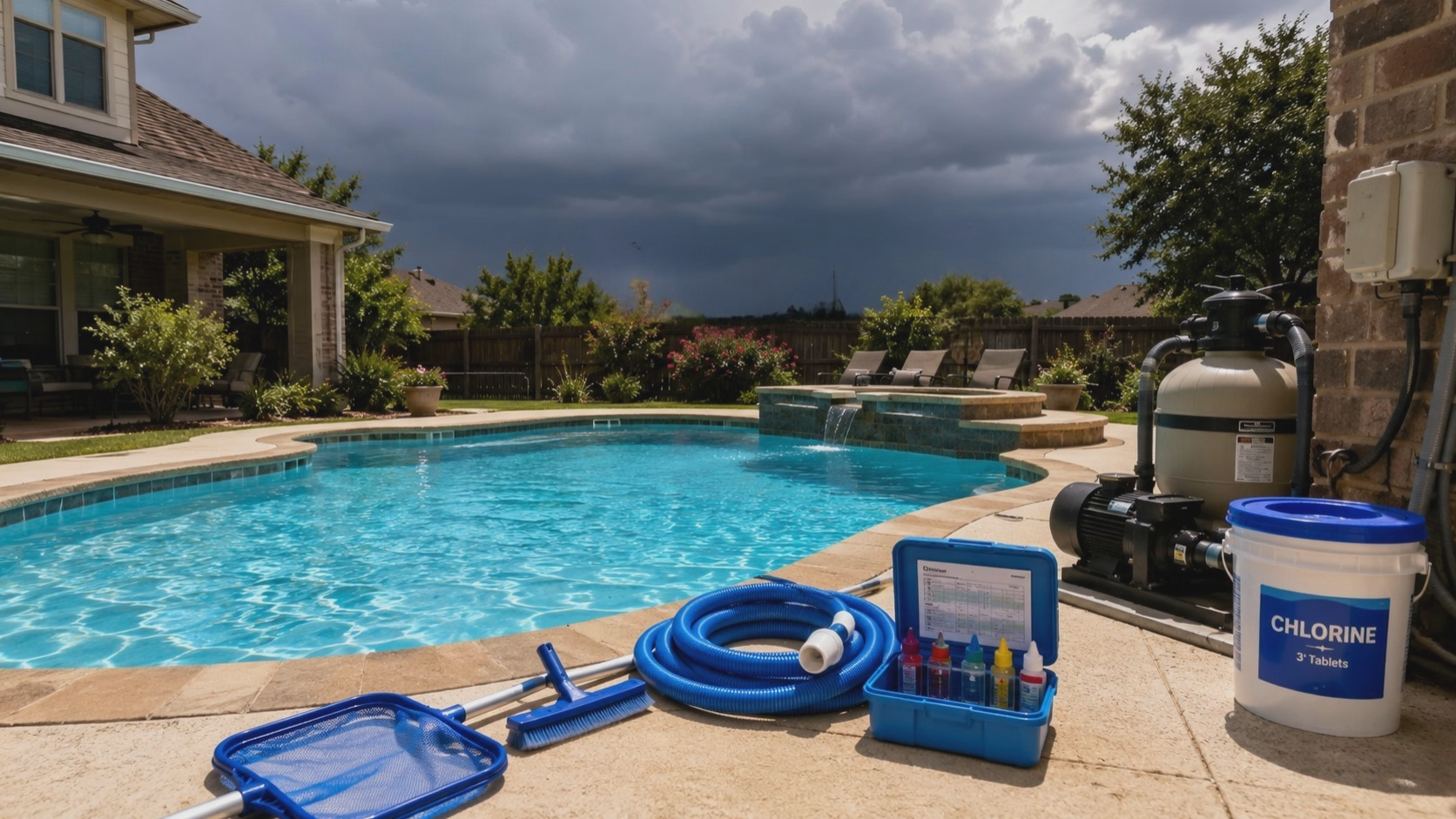
Dallas summers can be relentless, with blistering heat, relentless sunshine, and the occasional intense thunderstorm turning backyard swimming pools into high maintenance assets. For many homeowners in the DFW area, a sparkling swimming pool represents the ultimate summer oasis, a place for family gatherings, weekend relaxation, and cooling off from the Texas heat. However, without proper care, pools can quickly become cloudy, green, or even hazardous.
Dallas pool maintenance during the peak summer months requires dedication, but the payoff is a safe, inviting, and enjoyable backyard feature that enhances your home’s livability and value. This comprehensive guide provides practical, easy to follow summer pool care tips specifically tailored to the unique challenges of North Texas weather. Whether you’re a new pool owner or a seasoned pro, these strategies will help keep your pool clean, chemically balanced, energy efficient, and ready for fun throughout the hottest months of the year.
When maintaining a swimming pool for Dallas summers, it’s important to understand that owning a home with a pool in Dallas comes with both joys and responsibilities. Regular upkeep not only prevents costly repairs but also protects your family’s health by minimizing risks from bacteria, algae, and poor water quality.
Understanding Dallas Summers and Their Impact on Pools
Dallas Fort Worth summers are characterized by extreme heat and humidity. Average high temperatures in July and August often reach 96°F or higher, with multiple days exceeding 100°F. Nighttime lows frequently stay above 75°F, offering little relief. Rainfall averages around 2–3 inches per month in midsummer, but it usually arrives in short, heavy bursts from thunderstorms rather than steady showers. Intense UV exposure is another major factor, with long sunny days dominating the forecast.
These conditions significantly affect pool water and equipment:
- Accelerated Chemical Breakdown: High temperatures and UV rays cause chlorine to dissipate much faster, often requiring more frequent testing and adjustments.
- Rapid Evaporation: Pools can lose significant water volume daily, sometimes a quarter inch or more leading to lower water levels, concentrated chemicals, and increased refill needs.
- Algae Proliferation: Warm water combined with organic debris from storms creates perfect breeding grounds for algae blooms.
- Equipment Wear and Tear: Pumps, filters, and heaters run harder and longer, increasing energy consumption and the risk of breakdowns.
- Water Quality Challenges: Dust, pollen, and storm runoff introduce contaminants that disrupt pH balance and sanitizer levels.
Failing to address these issues can result in cloudy water, skin and eye irritation, damaged liners or plaster, and expensive repairs. Proactive pool cleaning Dallas routines are essential for maintaining a healthy swimming environment and extending the life of your pool investment.
Essential Pool Maintenance Tasks for Dallas Summers
Consistency is crucial, establish a daily, weekly, and monthly routine adjusted for heat waves and heavy pool usage.
Regular Cleaning (Skimming, Vacuuming, Brushing)
Physical cleaning removes debris before it affects water chemistry.
- Daily Skimming: Use a long handled skimmer net to remove leaves, bugs, grass clippings, and floating debris. After thunderstorms, this task becomes even more important as wind blown material accumulates quickly.
- Weekly Vacuuming: Thoroughly vacuum the floor, steps, and benches. Robotic or pressure side cleaners are excellent time savers for busy Dallas families.
- Brushing Surfaces: Brush walls, floors, and tile lines at least twice a week. This prevents biofilm and algae from taking hold, especially in hard to reach corners.
Expert Checklist:
- Focus on the waterline where oils and lotions build up.
- Empty skimmer and pump baskets regularly to maintain strong suction.
- When purchasing a suburban DFW home, inspect the pool equipment, surface condition, and maintenance records before closing.
Monitoring and Balancing Pool Chemicals
Water testing and balancing form the foundation of effective pool care.
Key parameters to monitor:
- pH Level: Ideal range is 7.2–7.6. Heat often drives pH upward, reducing chlorine effectiveness.
- Free Chlorine: Maintain 1–4 ppm (aim higher during peak use). Stabilized chlorine products help combat UV loss.
- Total Alkalinity: 80–120 ppm acts as a buffer for pH stability.
- Calcium Hardness: 200–400 ppm prevents corrosion or scaling.
- Cyanuric Acid: 30–50 ppm protects chlorine without over-stabilizing.
Actionable Tips:
- Test water 2–3 times weekly (daily during 100°F+ stretches) using reliable strips or a liquid kit.
- Shock the pool weekly with calcium hypochlorite or a non-chlorine oxidizer, and always after heavy rain or parties.
- Use algaecides preventatively and adjust based on water test results.
- Keep a maintenance log to track trends and spot issues early.
Common mistake: Over relying on “set it and forget it” approaches. In Dallas heat, chemistry changes rapidly.
Managing Water Levels and Preventing Evaporation
- Check water level weekly and top off as needed to the middle of the skimmer throat.
- Install or use a pool cover when the pool is not in use. Solar covers are particularly effective in Texas for reducing evaporation and chemical loss.
- Avoid overfilling, which can cause overflow and waste chemicals.
Checking and Maintaining Pool Equipment
- Filters: Backwash or clean cartridges weekly. Deep clean monthly.
- Pumps: Listen for odd noises and ensure proper priming. Run pumps 8–12+ hours daily in summer.
- Heaters and Salt Systems: Inspect salt cells and service heaters before peak season.
- Lights and Automation: Test timers and controls regularly.
Pro Tip: During extreme heat, consider running pumps during cooler nighttime hours to reduce energy costs while maintaining circulation.
Addressing Algae Prevention and Treatment
Prevention beats treatment. Keep sanitizer levels high, circulate water continuously, and brush surfaces. For existing algae:
- Green algae: Heavy shock, brushing, and filtration.
- Black or yellow algae: Targeted treatments and scrubbing.
- Cloudy water: Identify root cause (usually low chlorine or poor filtration) and address promptly.
Following these tasks diligently will minimize downtime and maximize enjoyment.
Energy and Water Efficiency Tips for Dallas Pools
With rising utility costs and occasional water restrictions in North Texas, efficiency matters.
- Water Conservation: Pool covers can slash evaporation losses dramatically. Use rainwater collection systems (compliant with local rules) for refills.
- Energy Savings: Upgrade to variable speed pumps, which can reduce electricity use by 50–90%. Pair with smart controllers for scheduling.
- Solar Solutions: Solar covers and solar heating panels extend swim season affordably.
- LED Upgrades: Replace old lights with energy efficient LEDs and automate where possible
- Landscaping Integration: Plant shade trees strategically (away from the pool) to reduce direct sun and evaporation.
These measures not only lower bills but also promote environmental responsibility.
When to Call Professionals
While many tasks are DIY friendly, professional intervention is wise for:
- Persistent cloudiness or chemical imbalances are unresponsive to home treatment.
- Equipment malfunctions, leaks, or unusual wear.
- Annual deep cleanings, filter media replacement, or major renovations.
- Pre-season start-ups or post storm assessments.
Experienced technicians bring specialized tools and knowledge. For quality pool supplies and expert advice, consider expert pool maintenance services in Dallas from trusted providers. Their resources help both DIY enthusiasts and those seeking full-service support.
Local Dallas companies offer flexible packages, from weekly visits to one time deep cleans, ensuring your pool remains a stress free asset. Stay informed and don’t hesitate to consult these authoritative sources when needed.
Additional Resources and References
- CDC Guidelines on Healthy Swimming: Comprehensive safety and maintenance standards.
- National Weather Service Dallas Climate Data for planning ahead.
- Pool & Hot Tub Alliance (PHTA) resources and certified professional directories.
- Manufacturer guides for product specific instructions.
Maintaining a swimming pool during Dallas summers doesn’t have to be overwhelming. By understanding local weather challenges, committing to regular cleaning and chemical balancing, embracing efficiency practices, and knowing when to call in professionals, you can enjoy a pristine pool all season long. These Dallas swimming pool services and care strategies protect your health, equipment, and investment while creating lasting summer memories.
Start today with a thorough water test and cleaning session. Consistent effort will transform pool ownership from a chore into a rewarding part of your Dallas lifestyle. For more homeownership tips, real estate insights, and local DFW guidance, visit www.daltxrealestate.com and make the most of your home in Texas.