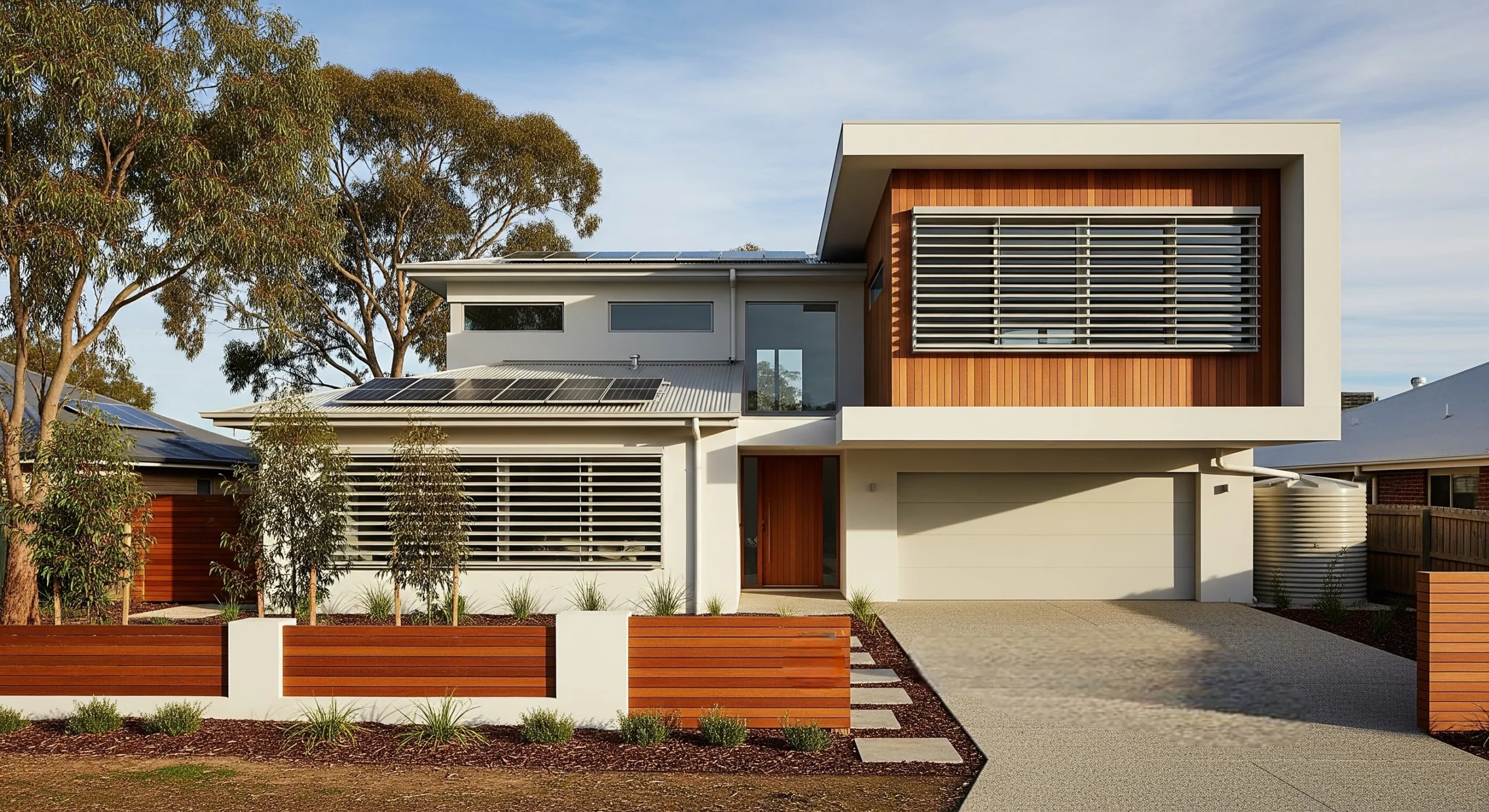

I want to talk about something that affects every New Zealand home: the gap between how a space looks and how it actually feels to live in. Many of us have walked into beautifully designed rooms that somehow feel cold, damp, or just uncomfortable. The good news is you can have both style and genuine comfort without breaking the bank.
BRANZ research found that 84% of Kiwi bedrooms drop below 18°C overnight. That statistic hit home for me because I’ve shivered through enough Auckland winters to know exactly what that feels like. This guide gives you measurable targets, quick wins under $200, and a practical room-by-room plan suited to our humid summers and mild winters.
Understanding What Comfort Actually Means
Comfort isn’t just about cranking up the heater. It’s how warm you feel based on air temperature, air movement, and surface temperatures combined. The World Health Organisation recommends at least 18°C for most people and 20-21°C for vulnerable groups. I aim for 18-21°C in my living areas year-round.
Humidity matters just as much as temperature. Keep relative humidity between 40-60% to minimise mould and dust mites. Grab a cheap hygrometer and place it in your bedroom and living room. Note where condensation forms and whether you smell anything musty. This 60-second audit tells you exactly where to focus your efforts.
Your One-Week Tune-Up
- Add door snakes and adhesive window seals to stop draughts, saving roughly $100 annually
- Close curtains before dusk to trap heat inside
- Run kitchen and bathroom extractors during use and for 10 minutes afterwards
- Wipe window condensation daily in winter
- Track humidity readings and adjust ventilation accordingly
Fix Your Thermal Envelope First
Before buying new heating gear, reduce what you’re losing. Up to 30% of heating energy escapes through single-glazed windows. Upgrading to double glazing can cut this to 20% or less, but there are cheaper interim steps.
DIY shrink-wrap window film costs very little and reduces heat loss almost as effectively as double glazing in some cases. Combine this with full-length, lined thermal curtains featuring pelmets, and you’ll notice immediate warmth. Seal gaps around skirtings, service penetrations, and pet doors while you’re at it.
Insulation Basics Made Simple
- MBIE’s H1 update raised minimum window R-values to R0.46 in most climate zones
- Prioritise ceiling insulation first, then underfloor, then walls
- Pair envelope tightening with proper ventilation to avoid trapping moisture inside
Controlling Moisture at the Source
Damp causes more comfort problems than cold alone. Target the steam and moisture where it starts. Cook with lids on and use an outside-vented rangehood. In bathrooms, your extractor should deliver at least 25 litres per second and vent outdoors.
Healthy Homes standards require openable windows covering at least 5% of the floor area per room. Kitchen extractors need a 50 litres per second capacity. Keep laundry drying outside when possible, or use a vented dryer. Move large furniture slightly away from cold external walls to prevent condensation buildup.
Kitchens That Work Hard and Look Calm
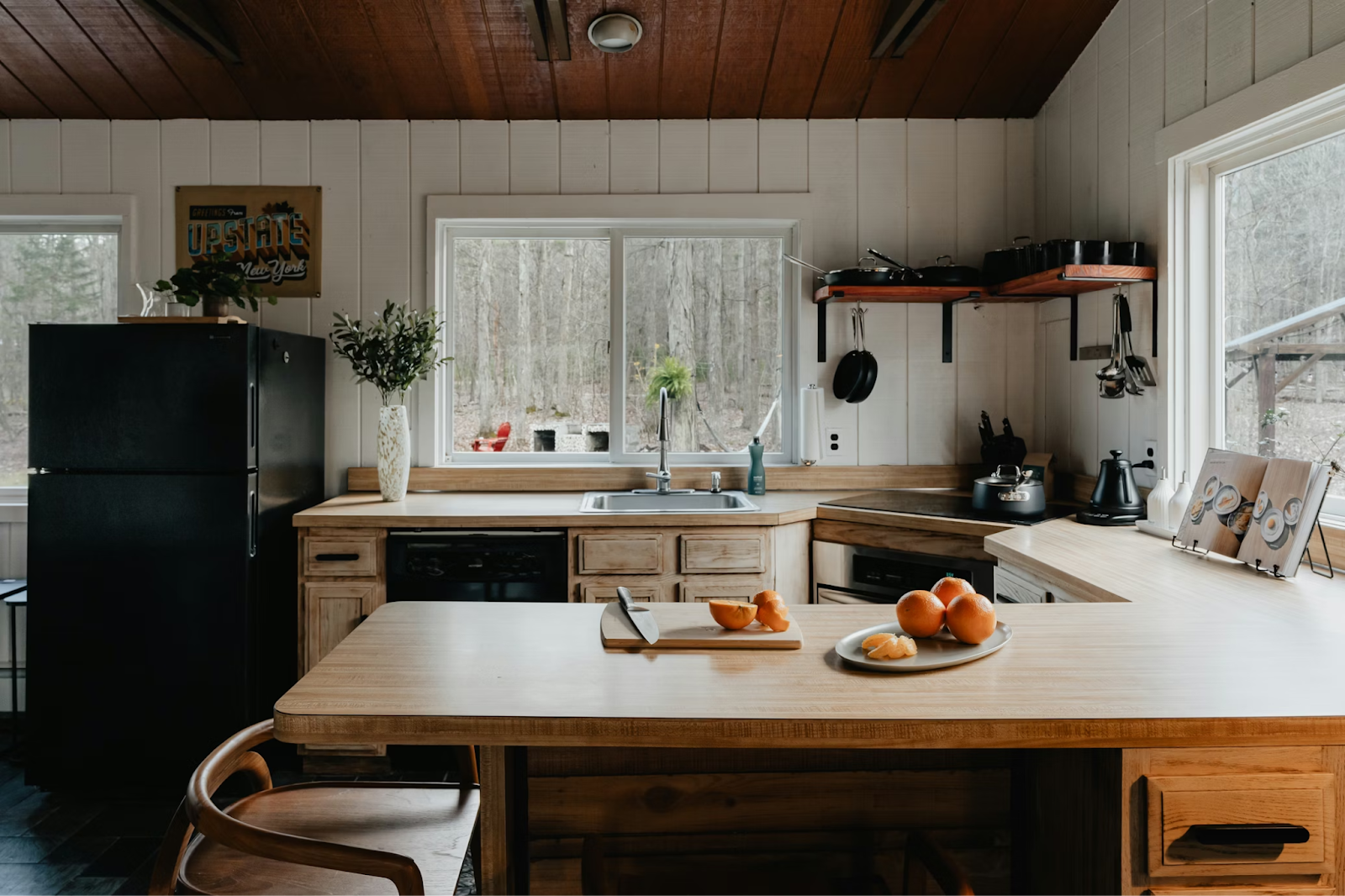
A functional kitchen beats a fashionable one every time. Well-planned kitchen and scullery designs focus on flow, safety, and everyday efficiency rather than visual trends alone. Separate prep and cleanup zones so multiple people can work comfortably without bumping into each other. Aim for 600–900mm of clear bench space between the sink, hob, and prep surfaces to improve speed and reduce accidents.
Consider an appliance garage or compact scullery for messy tasks and bulk storage. Include power points inside for toasters and mixers. Choose a quiet, outside-vented rangehood and specify low-VOC finishes for better air quality.
Hiding the Mess, Showing the Style
Keep frequently used items in easy-reach drawers. Park infrequent and messy tools elsewhere so the main benchtops stay clear.
Allow at least 900mm clear landing zones beside the fridge and oven. Main walkways need 1,000-1,100mm clearance so cooks and kids can pass safely.
Bathrooms That Stay Dry and Beautiful
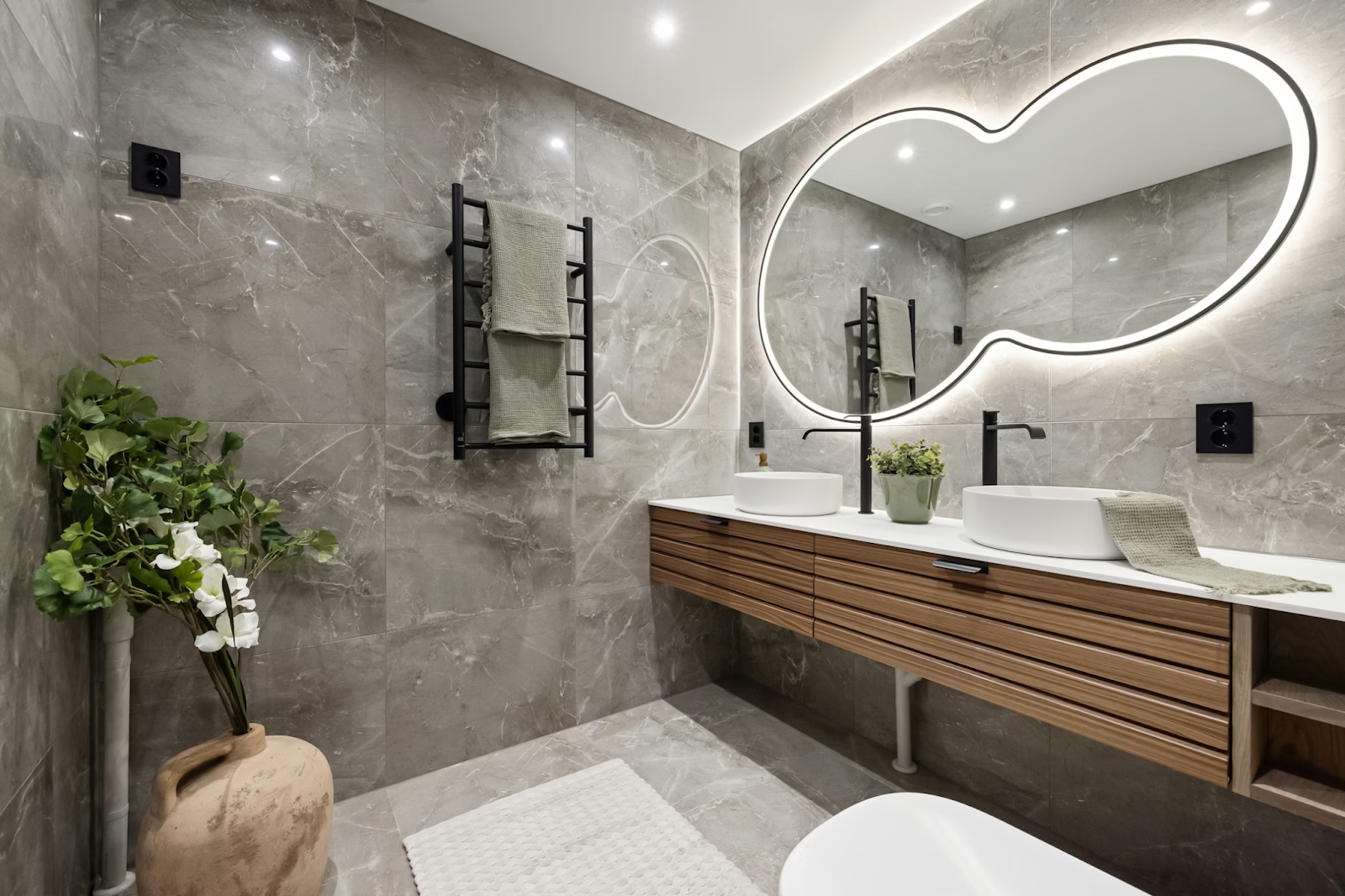
Water management determines whether your bathroom ages gracefully or grows mould. Zone your wet area properly and slope floors toward drains so water moves away from entries and storage. Specify compliant waterproofing membranes and run extractors for at least 10 minutes post-shower.
Planning Your Waterproofing Layers
- Use licensed applicators for membrane work where required
- Select drains matching your expected water flow rates
- Detail upturns at walls and niches carefully
- Confirm ventilation meets 25 litres per second exhausted outdoors
If you’re mapping a shopping list for DIY or a chat with your tiler, this walkthrough answers a common question in plain language: What do I need to waterproof a bathroom?
Choosing Heating and Cooling Systems

Pick your system once and pick it right. Electric heat pumps typically deliver 3-5 times more heat than the electricity they consume, making them the lowest cost-to-run option for most Kiwi homes. Set and forget at 18-21°C rather than constantly adjusting.
Dehumidifiers use less energy than heat pumps and help heat pumps work better by drying the air first. In Auckland’s humid conditions, this combination makes a real difference to perceived comfort.
Auckland-Specific Climate Solutions
Our warm, humid summers and mild winters mean planning for quiet cooling and humidity control rather than extreme heating. Set summer cooling around 24-26°C with humidity at 40-60%. Run a night purge when the outdoor air is cooler and drier.
Choose a single split system for small to medium spaces or a ducted system for multi-room comfort. Place outdoor units away from bedrooms and service filters quarterly. If you’re in Auckland and want a rightsized, quiet system that handles our specific conditions, get a local quote from Airmc via this residential air conditioning Auckland.
Seasonal Maintenance Playbook
Small routines improve comfort without big bills. In summer, open early for cross-breezes, shade windows, and run dehumidifiers on muggy nights. Use ceiling fans for perceived cooling without dropping actual temperatures.
In winter, pre-heat living spaces to 18-20°C before you need them. Close curtains before dusk and wipe condensation each morning. Year-round, clean heat pump filters quarterly and check door seals regularly.
Conclusion
The path to a warmer, drier, calmer home starts with measurement, quick envelope fixes, and moisture control. Then move to right-sized heating and cooling. Auckland’s climate makes ventilation and dehumidification as important as heating. Keep humidity under 60% and temperatures at or above 18°C. For complex work, use licensed professionals and check local councils for rebates.
FAQs
What temperature should I set my heat pump to in winter?
Set between 18-21°C for living spaces. WHO recommends at least 18°C for the general population. Avoid frequent changes as set-and-forget maintains comfort better and prevents condensation.
How do I know if my extractor fan is strong enough?
Kitchens need 50 litres per second, and bathrooms need 25 litres per second minimum, vented outdoors. Hold tissue to the grille to test suction. If steam lingers, upgrade or add a longer run-on timer.
Do plants clean indoor air enough to skip ventilation?
No. Research confirmsthat typical houseplants don’t meaningfully improve indoor air quality. Use plants for aesthetics and wellbeing, but prioritise source control and proper extraction.
What’s the cheapest window upgrade right now?
DIY shrink-wrap window film is your best budget option, reducing heat loss significantly. Combine with tight, lined curtains and pelmets for maximum quick-win performance.