- Why More Contractors Are Renting Restroom Trailers
- Texas Heat Makes Basic Portable Units Harder to Manage
- Features Contractors Usually Focus On
- Small Problems Add Up During Long Projects
- Public-Facing Projects Usually Need Better Facilities
- Reliable Service Matters More Than Fancy Equipment
- Crews Pay Attention to Site Conditions
- Final Thoughts
Nobody notices the restroom setup when it works properly. They notice it when it doesn’t.
That usually happens once the project picks up speed. More workers arrive on-site. The weather gets hotter. Cleaning schedules start slipping. By the middle of the day, someone is already driving to the nearest gas station because the portable toilets near the framing area have become unusable again.
Most site supervisors have dealt with that situation before.
Temporary sanitation sounds minor during pre-construction planning. It stops feeling minor once crews start complaining every morning.
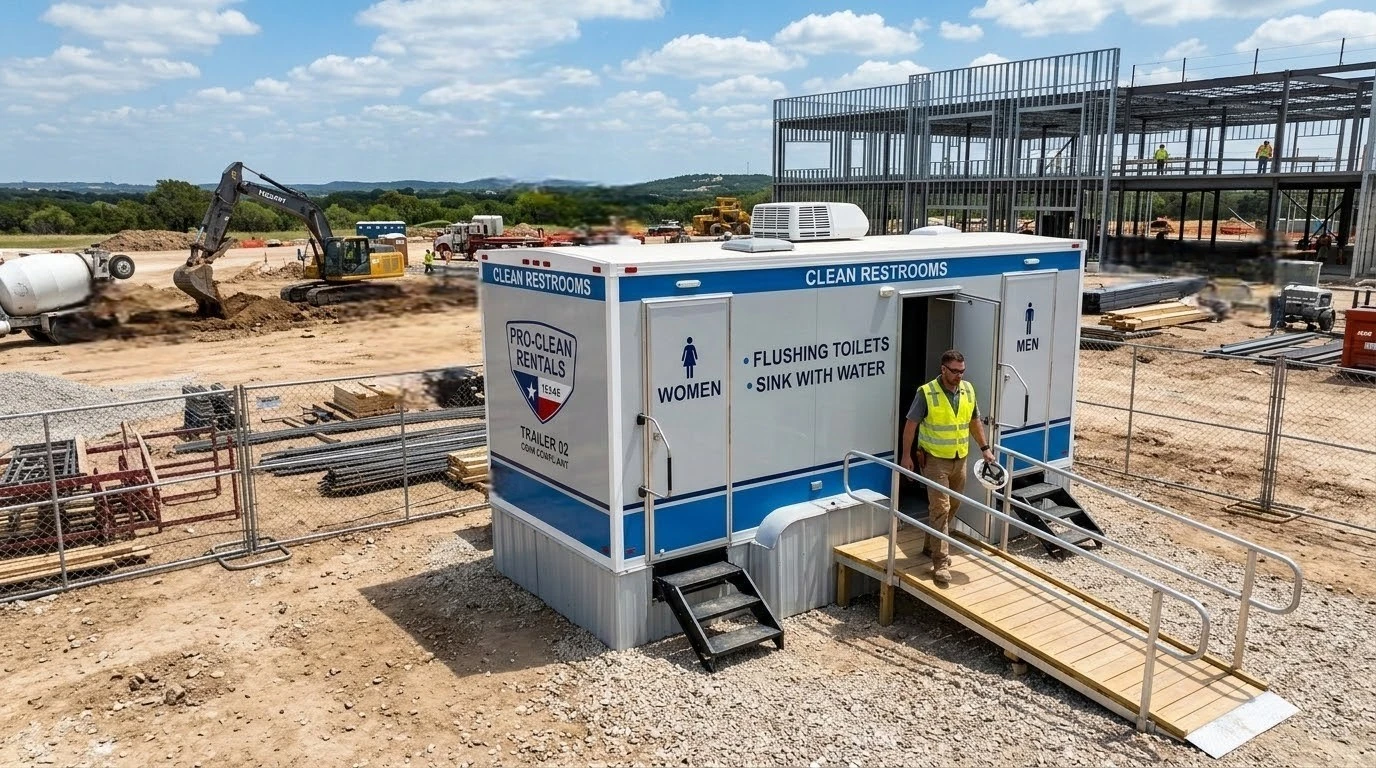
Why More Contractors Are Renting Restroom Trailers
Construction sites across Texas run harder and longer than they used to. Commercial developments stretch across several phases. Different subcontractors cycle in and out for months at a time. Some projects never really slow down.
That puts pressure on temporary facilities.
For companies searching for construction site restroom trailers in Texas, the need is practical. They need usable facilities that can handle long workdays and steady traffic without becoming another problem for the superintendent.
When contractors compare restroom trailers for construction sites, maintenance and service schedules usually come first. Lower pricing does not mean much when cleanings get missed or fixtures stop working.
The shift is not surprising. Crews expect better conditions now, especially on long-term commercial jobs.
Texas Heat Makes Basic Portable Units Harder to Manage
A portable toilet sitting in direct Texas sun all afternoon can become rough fast. Anyone who has worked on-site knows it.
By early afternoon, the air inside feels heavy. Ventilation struggles to keep up. Dust from concrete, drywall, and insulation sticks to every surface. Workers handling adhesives, chemicals, or machinery grease need proper sinks and running water, not just a sanitizer dispenser that may already be empty.
OSHA sanitation standards require employers to provide restroom access for workers.
Larger commercial sites can outgrow basic portable setups long before the project reaches completion.
That is why restroom trailers have become more common across Texas construction projects.
Features Contractors Usually Focus On
Most site managers are not asking for luxury finishes.
They want facilities that hold up under pressure.
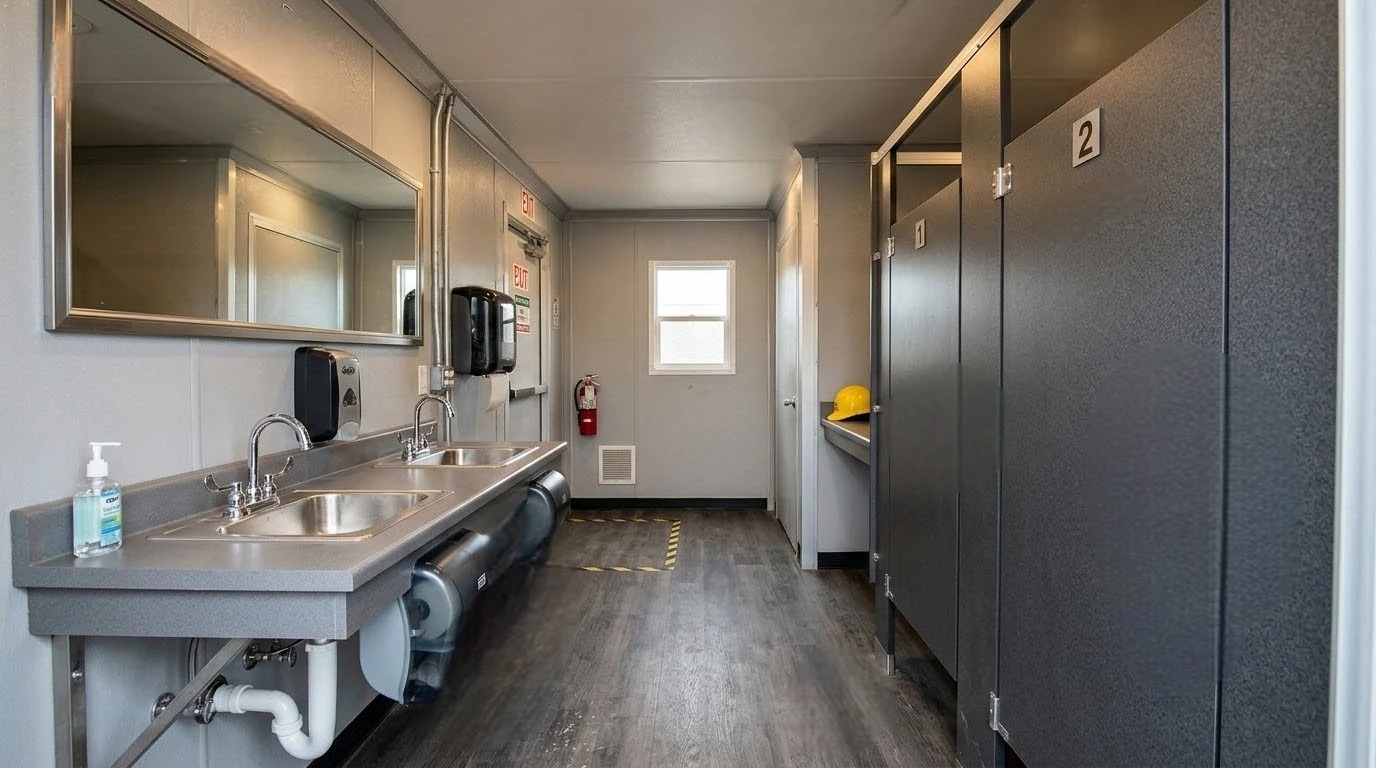
Typical requests include:
- Air conditioning
- Flushing toilets
- Interior sinks with running water
- Reliable lighting
- Separate stalls
- ADA-compliant access
- Touch-free fixtures
- Scheduled servicing
Air conditioning matters more than some vendors realize. Workers notice it immediately during the summer.
Small Problems Add Up During Long Projects
Construction already comes with enough moving parts. Delayed deliveries, inspection issues, weather shifts, labor shortages — every project deals with something.
Restroom problems create another layer of distraction that supervisors do not need.
When facilities become unpleasant, workers start leaving the property more often. Cleaning complaints spread between crews. Site walkthroughs become awkward when city officials pass overflowing portable toilets.
Clean restroom trailers help reduce several routine frustrations:
- Workers leaving the site during shifts
- Missed sanitation service
- Congestion around overcrowded units
- Hygiene complaints from crews
- Negative impressions during inspections
- Daily interruptions for supervisors
Most contractors are not trying to impress anyone with restroom trailers. They are trying to avoid unnecessary problems.
Public-Facing Projects Usually Need Better Facilities
Some construction sites stay hidden behind fencing for months. Others sit beside schools, retail centers, apartment buildings, or busy public roads.
People notice the condition of those sites.
Developers notice it during walkthroughs. Municipal representatives notice it during inspections. Potential tenants notice it while touring nearby spaces before completion.
A poorly maintained sanitation area creates a bad impression.
Restroom trailers are now common on:
- School expansions
- Healthcare construction projects
- Distribution centers
- Manufacturing facilities
- Infrastructure upgrades
- Large apartment developments
- Municipal construction jobs
Reliable Service Matters More Than Fancy Equipment
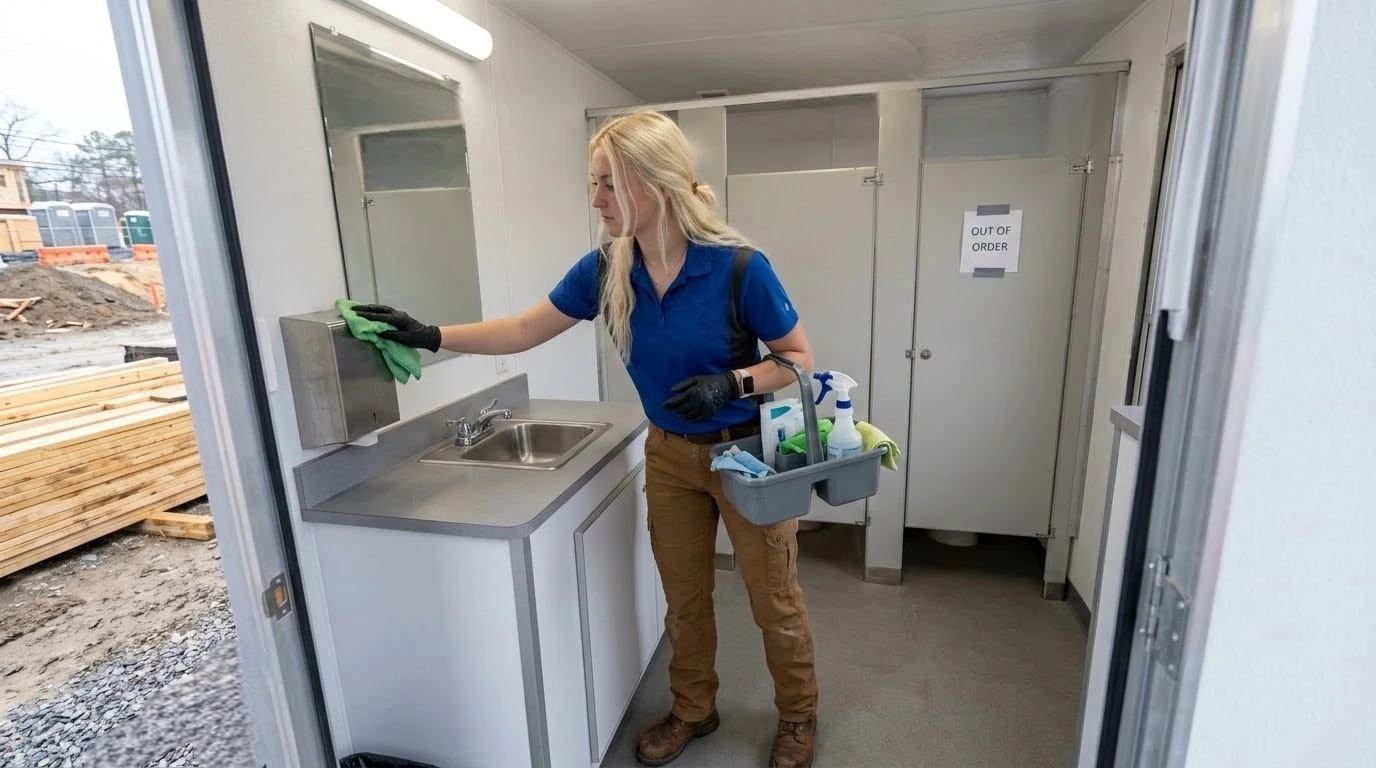
Most experienced superintendents care far more about service reliability than appearance.
A restroom trailer becomes a problem when service falls behind. Contractors usually look at service schedules before signing rental agreements.
Several details matter immediately:
Cleaning Frequency
High-traffic sites need regular servicing. Conditions can deteriorate quickly once maintenance falls behind.
Placement Flexibility
Construction layouts change. Facilities often need to be relocated as different phases begin.
Utility Requirements
Some trailers need external water and power connections, while others can operate independently.
Accessibility Compliance
Government and public-sector projects may need ADA-compliant facilities from the start, depending on the site and project requirements.
Crews Pay Attention to Site Conditions
Workers notice when companies cut corners on basic site conditions. They also notice when contractors improve the parts of the workday that affect everyone.
CDC workplace hygiene guidance emphasizes sanitation and handwashing access. That applies to active job sites, too.
Nobody expects luxury on a construction site. Most crews just want facilities that stay clean and usable throughout the day.
That is a reasonable expectation.
Final Thoughts
Temporary restroom planning affects construction projects more than many companies expect.
Clean facilities reduce interruptions and support better working conditions. They also help projects run more smoothly over long schedules.
Contractors managing large developments across Texas need restroom trailers that solve problems instead of creating new ones.
Reliable servicing, better sanitation, and climate-controlled interiors help crews stay focused.