- Think About What You Could Do With the Space
- Identify the Type of Vehicle Situation
- Your Own Vehicle
- A Family Member’s Vehicle
- A Former Tenant’s Vehicle
- A Vehicle Left by an Unknown Person
- Decide Whether Repairing It Is Worth It
- Make a Clear Plan for Rental Properties
- Prepare the Area for Removal
- Make the Most of the Cleared Space
- Conclusion
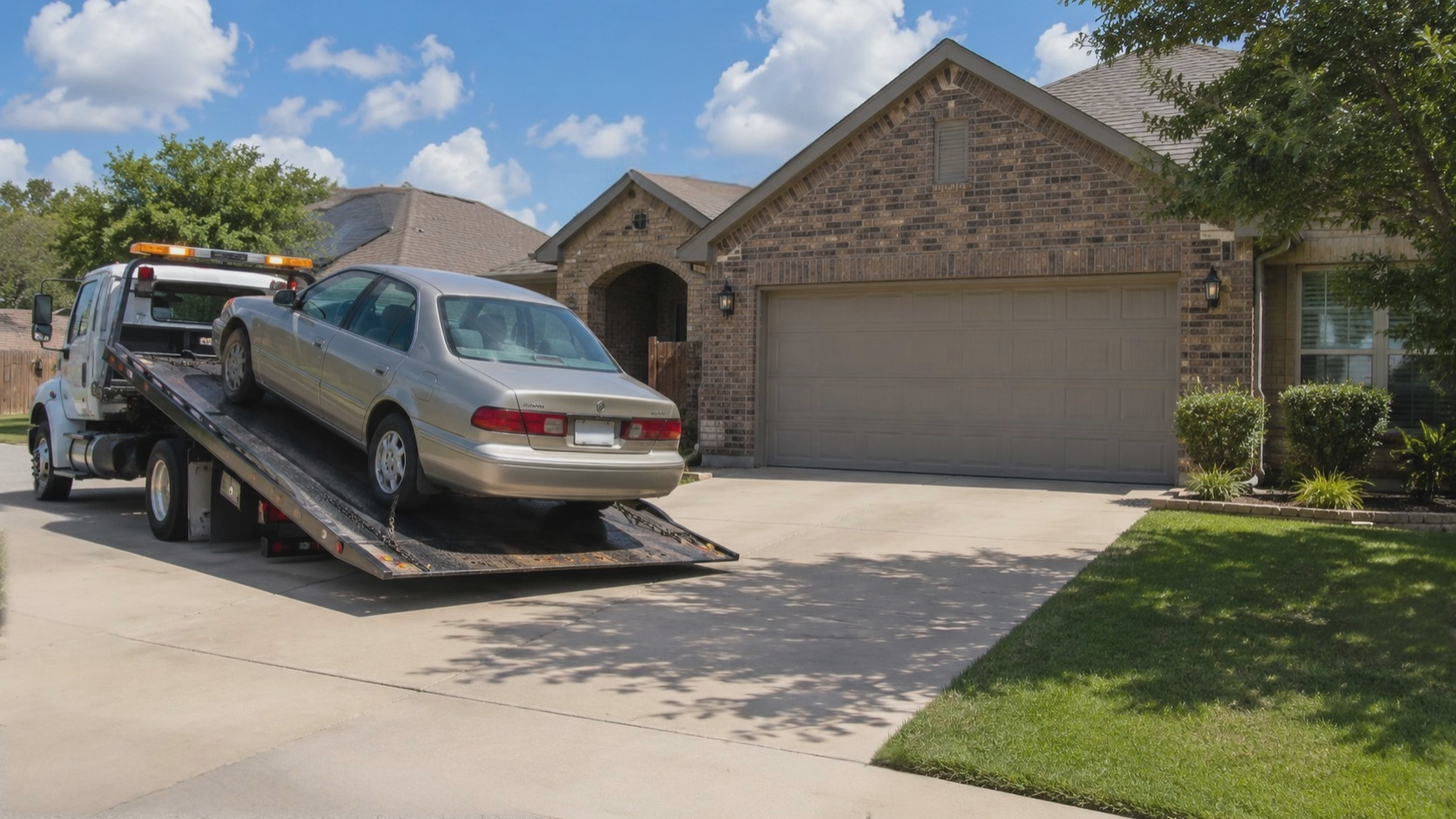
An unused vehicle can take over more space than most people realize. It may begin as a car that needs one more repair, a truck that stopped running, or a former tenant’s vehicle that was never picked up.
Over time, the vehicle becomes part of the background. It sits in the driveway, fills the garage, blocks a parking spot, or makes it harder to maintain the property.
Clearing an unwanted vehicle can make a home, rental unit, or commercial property feel more functional almost immediately. The key is knowing what options you have and making sure the vehicle is handled properly.
Think About What You Could Do With the Space
When a vehicle has been parked in the same spot for months or years, it is easy to forget how useful that space could be.
A clear driveway can provide room for:
- Resident parking
- Guest parking
- Delivery access
- Contractors and maintenance crews
- Moving trucks
- Safer entry and exit from the property
A garage can become much more useful once an old vehicle is gone. It may be used for storage, a workshop, a home gym, a hobby area, or protected parking for a working vehicle.
For rental properties, open parking can also make the home more appealing to new tenants. A clean driveway and usable garage improve the property’s look during showings and inspections.
Before deciding what to do with the vehicle, imagine how the property could function without it. This can make the decision easier.
Identify the Type of Vehicle Situation
Not every unwanted vehicle is handled the same way. Start by understanding who owns it and why it is still on the property.
Your Own Vehicle
If the car is yours, the process is usually simple. You can decide whether it is worth repairing, selling to a junk car buyer in South Florida, donating, or removing.
Gather the title, keys, registration information, and any repair records before making a choice. A vehicle that looks old or damaged may still have value, especially if it is complete and has the right paperwork.
A Family Member’s Vehicle
A vehicle may belong to a parent, grandparent, sibling, or relative who has moved, passed away, or can no longer drive.
In these cases, make sure the person approving removal has authority to do so. A vehicle cannot always be sold or removed simply because it is parked at a family home.
Ownership paperwork matters. Taking time to confirm the situation can prevent future disagreements between relatives.
A Former Tenant’s Vehicle
A former tenant’s vehicle requires extra attention. It may be connected to a move-out issue, lease disagreement, unpaid rent, or unclear parking arrangement.
Review the lease, parking rules, move-out notices, and any communication with the tenant. Take photos of the vehicle and record when you first noticed it was left behind.
Do not rush to remove a junk car in Fort Lauderdale without checking the proper process. A clear record can protect the property owner or manager if questions arise later.
A Vehicle Left by an Unknown Person
An unfamiliar vehicle can be annoying, especially if it blocks access to a driveway or occupies a reserved space.
Still, do not assume it is abandoned just because you do not recognize it. It could belong to a neighbor, visitor, contractor, delivery worker, or guest.
Take photos, note the plate number if it is visible, and ask nearby residents whether they know who owns it. Once you have gathered basic information, you can determine the best next step.
Decide Whether Repairing It Is Worth It
Many people keep an old car because they believe they will repair it eventually. Sometimes that happens. Often, the vehicle sits longer than planned because repairs become expensive or the owner simply does not have time.
Ask yourself a few honest questions:
- Does the car start?
- Is the engine or transmission damaged?
- Are the tires, brakes, and battery in usable condition?
- Has it been sitting for a long time?
- Would repairs cost more than the vehicle is worth?
- Is there mold, water damage, rust, or pest activity?
- Do you actually plan to repair it in the next few months?
A vehicle that has been sitting untouched for years is often not waiting for a repair. It is waiting for a decision to sell to a junk car buyer in Broward County, FL
South Florida weather can make the problem worse. Heat, humidity, rain, and salt air can cause an unused vehicle to deteriorate faster. Tires may crack, metal can rust, interiors can develop mold, and leaks can damage the driveway or garage floor.
Often, removing the vehicle sooner is easier and less expensive than waiting for its condition to get worse.
Make a Clear Plan for Rental Properties
Rental properties can create special challenges because vehicle issues affect tenants, visitors, neighbors, maintenance workers, and future renters.
A vehicle left in a driveway can delay landscaping, repairs, inspections, turnover cleaning, trash collection, and property showings. It can also make a vacant property look poorly maintained.
Start with documentation. Take photos of the vehicle, write down its location, note the date, and record its visible condition.
Next, review the lease and parking policies. Look for rules about abandoned vehicles, towing, guest parking, storage, and move-out responsibilities.
Then communicate clearly. If you know who owns the car, send written notice explaining that it needs to be addressed. Keep copies of every text message, email, letter, or response.
Private property vehicle removal may involve specific rules, so it is important to understand the correct process before taking action. This is especially true when the vehicle belongs to a current or former tenant.
Prepare the Area for Removal
Once the correct person is ready to remove the vehicle, prepare the area ahead of time.
Move nearby cars, trash bins, patio furniture, tools, landscaping equipment, or other items that could block access. Make sure there is enough room for a tow truck to enter and safely load the vehicle.
Remove personal belongings from the car. Check the glove box, center console, trunk, under the seats, door pockets, and spare tire compartment.
Look for:
- Keys
- Garage remotes
- Registration paperwork
- Toll passes
- Tools
- Important documents
- Personal items
- Prescription medication
- Spare parts
Have the appropriate paperwork ready. Depending on the situation, this may include the title, identification, keys, or documents showing that the person approving removal has the authority to do so.
A little preparation can prevent delays and make pickup day much easier.
Make the Most of the Cleared Space
Once the vehicle is gone, take a few minutes to clean and reset the area.
Sweep the driveway or garage floor. Check for oil stains, broken glass, nails, loose parts, or debris. If the vehicle was parked in one spot for a long time, look for signs of fluid leaks or damage to the pavement.
For a rental property, consider small improvements such as better lighting, fresh paint, clear parking markings, or updated parking rules. These details can improve the property look and feel more organized.
At home, decide how you want to use the space before it becomes another storage area. You may want room for parking, bicycles, tools, a workbench, outdoor equipment, or a small hobby area.
Giving the space a purpose makes it easier to keep it clear.
Conclusion
An old vehicle can take up more than physical room. It can create stress, limit parking, delay maintenance, and make a property harder to enjoy.
By identifying the ownership situation, deciding whether repairs are realistic, documenting the process, and arranging proper removal, you can reclaim valuable space in your driveway, garage, or rental property.
Once the vehicle is gone, the property becomes easier to use, maintain, and enjoy.