
A new roof ranks among the biggest investments you’ll make in your home, and in Minnesota, the stakes run even higher. Brutal winters, heavy snow, and summer hailstorms test every shingle, so the contractor you choose has a direct say in how well your home holds up.
Picking the right roofer takes a bit of homework, though. Below, we cover what to check before you sign a contract, from licensing and materials to warranties and written estimates.
Why Minnesota Roofs Demand a Specialized Contractor
Minnesota winters put roofs through more abuse than most homeowners realize. Temperatures can swing above and below freezing several times in a single week, and each cycle forces water into tiny gaps before it freezes and expands. Add heavy snow that sits on your roof for months, and you get a structure that needs serious care.
This is why timing matters so much when you plan roof work. According to the team at Summit Construction Group, homeowners should schedule a roof inspection in early fall, before the first hard freeze arrives. A contractor can spot loose shingles, cracked flashing, and weak spots before repairs become complicated and expensive.
Ice dams are another headache you’ll run into almost every winter in this state. Heat escaping from your attic melts the snow on top, and that water refreezes along the roof’s colder edges. The ice then traps more meltwater behind it, which can seep under shingles and stain your ceilings. A local roofer knows how to prevent this.
You see, plenty of out-of-state crews roll into Minnesota after big hailstorms, offer quick deals, and leave once the work dries up. A local contractor sticks around, understands your area’s building codes, and will still answer the phone when a problem shows up two winters later. That kind of accountability is worth a lot.
Licensing, Insurance, and Bonding Requirements
Before you sign anything, ask the contractor for their Minnesota license number. The Department of Labor and Industry (DLI) licenses residential building contractors and residential roofers, and anyone doing roofing work on your home needs one of those credentials. A licensed contractor has met the state’s requirements and keeps up with continuing education, which gives you a solid starting point.
Insurance protects you just as much as it protects the roofer. Ask for proof of general liability coverage, which pays for damage to your property if something goes wrong on the job. Workers’ compensation matters too, since roofing ranks among the most dangerous trades. Without it, an injured worker could try to hold you responsible for medical bills.
Checking a license takes only a couple of minutes. The DLI website has a free license lookup tool where you can enter the contractor’s name or license number to see whether the license is active. You can also spot any disciplinary actions on record. Also call the insurance company directly to confirm the policy hasn’t lapsed.
Hiring an unlicensed crew might save you a few hundred dollars up front, but the risk rarely pays off. Homeowners who work with licensed contractors can turn to Minnesota’s Contractor Recovery Fund if the contractor fails to finish the work, and licensed residential roofers must also carry a surety bond. Unlicensed workers offer you neither safety net, so you’re on your own.
Experience With Materials Suited to Cold Climates
Asphalt shingles cover most Minnesota homes, but not every shingle handles harsh winters equally well. Look for a contractor who installs products with high wind ratings and impact resistance, since hail and strong gusts hit the state often. Class 4 impact-rated shingles can hold up better against hail and may even lower your homeowners insurance premium.
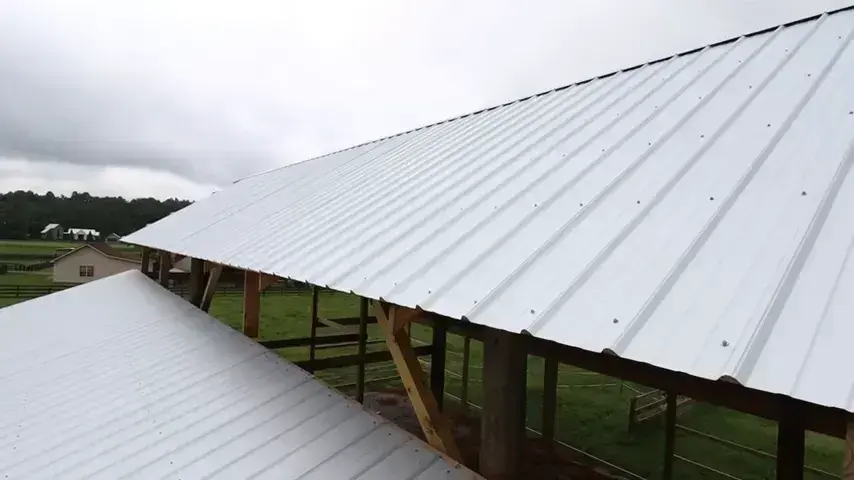
Metal roofing has grown popular in Minnesota, and for good reason. Its smooth surface lets snow slide off instead of piling up, reducing the weight your roof has to carry and cutting down on ice dams. Metal roofs can also last 40 years or more, though installing them properly takes specialized skills that not every roofer has.
What goes under the shingles matters just as much as what goes on top. Minnesota building code requires an ice barrier along the eaves, and a good contractor will also install ice and water shield in valleys and around chimneys. This sticky membrane seals around nails and blocks meltwater from reaching your roof deck.
Your contractor should also understand how attic ventilation and insulation work together. A well-vented attic stays close to the outside temperature, so snow doesn’t melt unevenly and form ice dams. Ask potential roofers how they plan to handle intake and exhaust vents. If they shrug off the question, you probably need to keep looking.
Reputation and Verifiable Local References
Online reviews give you a quick snapshot of how a contractor treats customers. Check several platforms, such as Google, Angi, and Facebook, rather than relying on testimonials posted on the company’s own website. Also, pay attention to how the business responds to negative reviews. A calm, helpful reply tells you more than a perfect five-star rating ever could.
The Better Business Bureau is another useful stop. Its profiles show how long a company has been in business, its rating, and any customer complaints. A few complaints aren’t a deal breaker on their own, since even good roofers have bad days. What you want to see is that the contractor resolved them fairly and quickly.
Ask the contractor for addresses of recent projects in your neighborhood or nearby towns. You can swing by and see the finished work for yourself. Also, a roofer who has worked on homes like yours already knows the common problems, building styles, and local permit rules you’ll face.
Nothing beats a direct conversation with someone who hired the contractor before. Ask past clients whether the crew showed up on time, kept the site clean, and stuck to the original quote. Find out how the company handled surprises, like rotted decking the crew found halfway through the job. Those answers reveal more than any sales pitch.
Detailed Written Estimates and Contracts
A trustworthy roofer puts everything in writing, starting with an itemized estimate. Look for separate lines for shingles, underlayment, flashing, vents, labor, and tear-off of the old roof. When contractors hand you a single lump-sum number, comparing bids becomes nearly impossible, and you have no way of knowing what you’re paying for.
The contract should also spell out a clear timeline, including the start date and a rough completion date. Minnesota’s roofing season is short, and good contractors book up fast once spring arrives. Putting dates in writing keeps the project from sliding into late fall, when cold temperatures can keep shingles from sealing properly.
Watch out for anyone who wants most of the money before work begins. A reasonable deposit covers materials, and the rest should come in stages or after you approve the finished roof. Keeping a good chunk of the payment until the end gives the contractor every reason to finish the job right.
Roof replacements leave behind a surprising amount of mess, from old shingles to stray nails buried in your lawn. Your contract should state who handles debris removal, whether the price includes a dumpster, and how the crew will clean up afterward. Many good roofers run a magnetic sweeper across the yard so no nails end up in your tires.
Wrap Up
Choosing a Minnesota roofing contractor comes down to a handful of smart checks. Verify the license and insurance, ask about cold-weather materials, read reviews, and make sure every promise is in a written contract backed by a solid warranty.
Take your time, collect a few bids, and trust your gut when something feels off. The right contractor will answer your questions openly and leave you with a roof that stands up to whatever the next winter brings.