
- Kitchen Remodeling Increases Your Home’s Value
- A Remodeled Kitchen Improves Daily Functionality
- Energy Efficiency Cuts Utility Costs
- Better Safety and Healthier Living
- A Kitchen That Matches Your Lifestyle
- How to Get Started With Your Kitchen Remodel
- Common Kitchen Remodeling Mistakes to Avoid
- Frequently Asked Questions
- The Bottom Line
A minor kitchen remodel now returns 113% on investment at resale, according to the 2025 Zonda Cost vs. Value Report. That is not a typo. For the first time in over a decade, homeowners are recouping more than they spend on a well-planned kitchen renovation.
But return on investment is only part of the picture. The real benefits of kitchen remodeling reach into every part of daily life – from how efficiently you cook dinner on a Tuesday night to how confidently you host friends on the weekend. A thoughtfully renovated kitchen improves functionality, cuts energy costs, upgrades safety, and raises the overall quality of living under your roof.
Whether you are weighing the decision for the first time or already comparing contractors, this guide breaks down the specific, measurable advantages of remodeling your kitchen – and what to watch out for along the way.
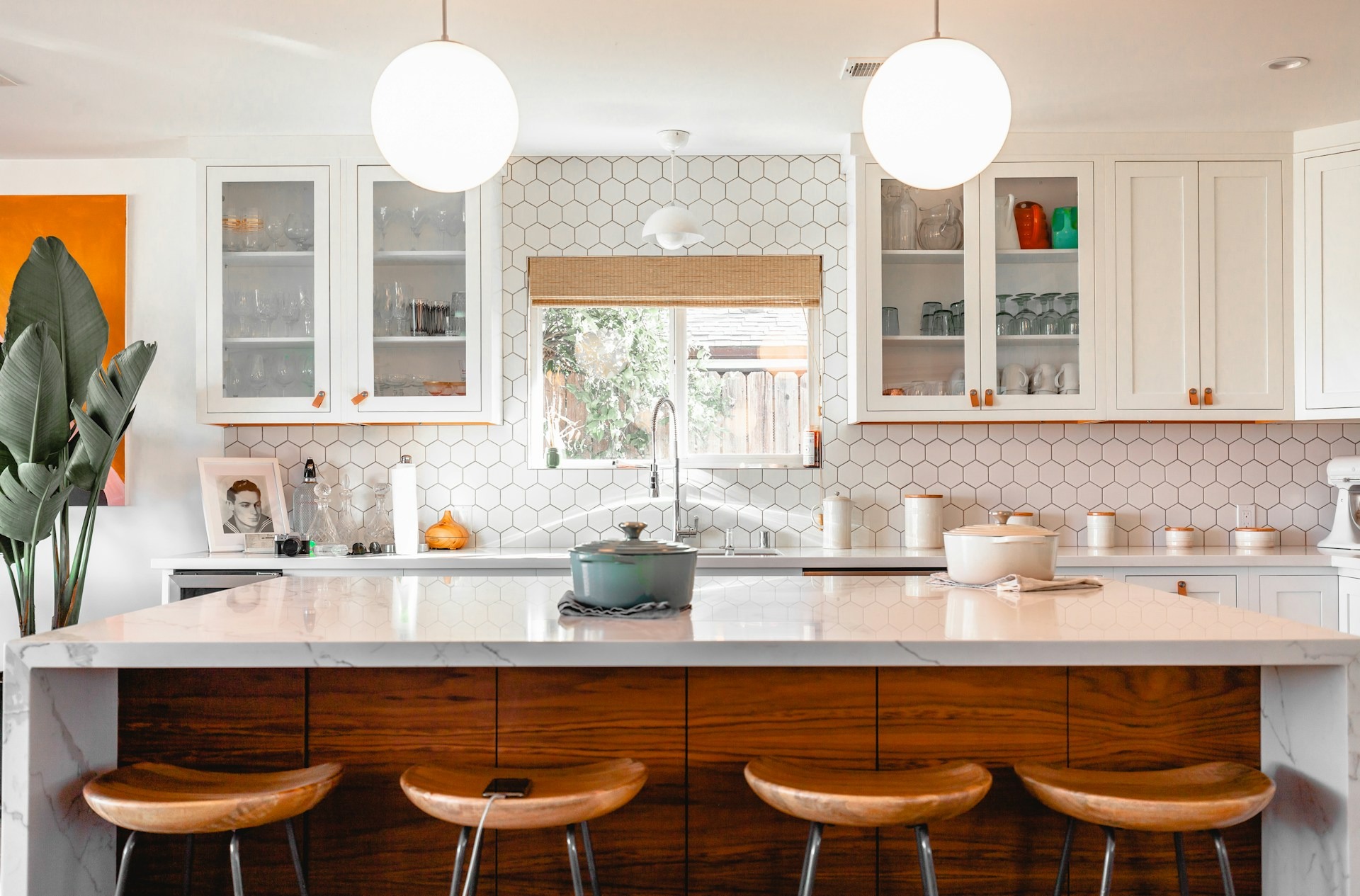
Kitchen Remodeling Increases Your Home’s Value
The kitchen consistently ranks as the most scrutinized room during a home sale. Buyers form opinions within seconds, and an outdated kitchen is often the reason a showing ends without an offer. Remodeling directly addresses that by making the space feel current, cared for, and move-in ready.
What the Data Says About Kitchen Remodel ROI
The numbers have shifted significantly in favor of homeowners. According to the 2025 Zonda Cost vs. Value Report, a minor kitchen remodel averaging around $28,000 returns approximately 113% of its cost nationally – up from 96.1% the previous year. That makes it the highest-ROI interior renovation project available.
Major kitchen remodels return less in percentage terms – roughly 50% for mid-range and 36% for upscale – but still represent significant equity gains. In competitive housing markets, a modern kitchen can also shorten time-on-market by weeks.
Minor vs. Major Remodels: Where the Smart Money Goes
A minor remodel typically keeps the existing footprint intact while upgrading cabinet fronts, countertops, hardware, flooring, and appliances. This approach delivers the best cost-to-value ratio because it focuses on visible improvements without the expense of structural changes.
A major remodel – involving layout changes, custom cabinetry, and premium materials – makes more sense when you plan to stay in the home for several years and want the daily lifestyle benefits rather than a pure resale play.
A Remodeled Kitchen Improves Daily Functionality
Most homeowners do not remodel because of how their kitchen looks. They remodel because of how it feels to use it every day. The cabinet door that sticks. The countertop that is always cluttered because there are no drawers beneath it. The layout that forces you to cross the room six times to make a simple breakfast.
Fixing the Layout That Works Against You
Older kitchens were designed around different cooking habits and family sizes. A remodel lets you reconfigure the work triangle – the relationship between the sink, stove, and refrigerator – so movement through the space feels natural instead of forced. Adding an island or peninsula creates additional prep area and a casual gathering point that did not exist in the original floor plan.
For households where two people cook together regularly, a remodel can introduce dual work zones that eliminate the traffic-jam effect of a single-lane kitchen.
Storage Solutions That Eliminate Clutter
Storage is one of the top reasons homeowners consider a kitchen renovation. Pull-out pantry shelves, deep drawers for pots and pans, built-in spice racks, and vertical dividers for baking sheets can double usable storage without adding square footage. Soft-close mechanisms on drawers and doors also reduce wear, noise, and the risk of pinched fingers – a meaningful upgrade for families with young children.
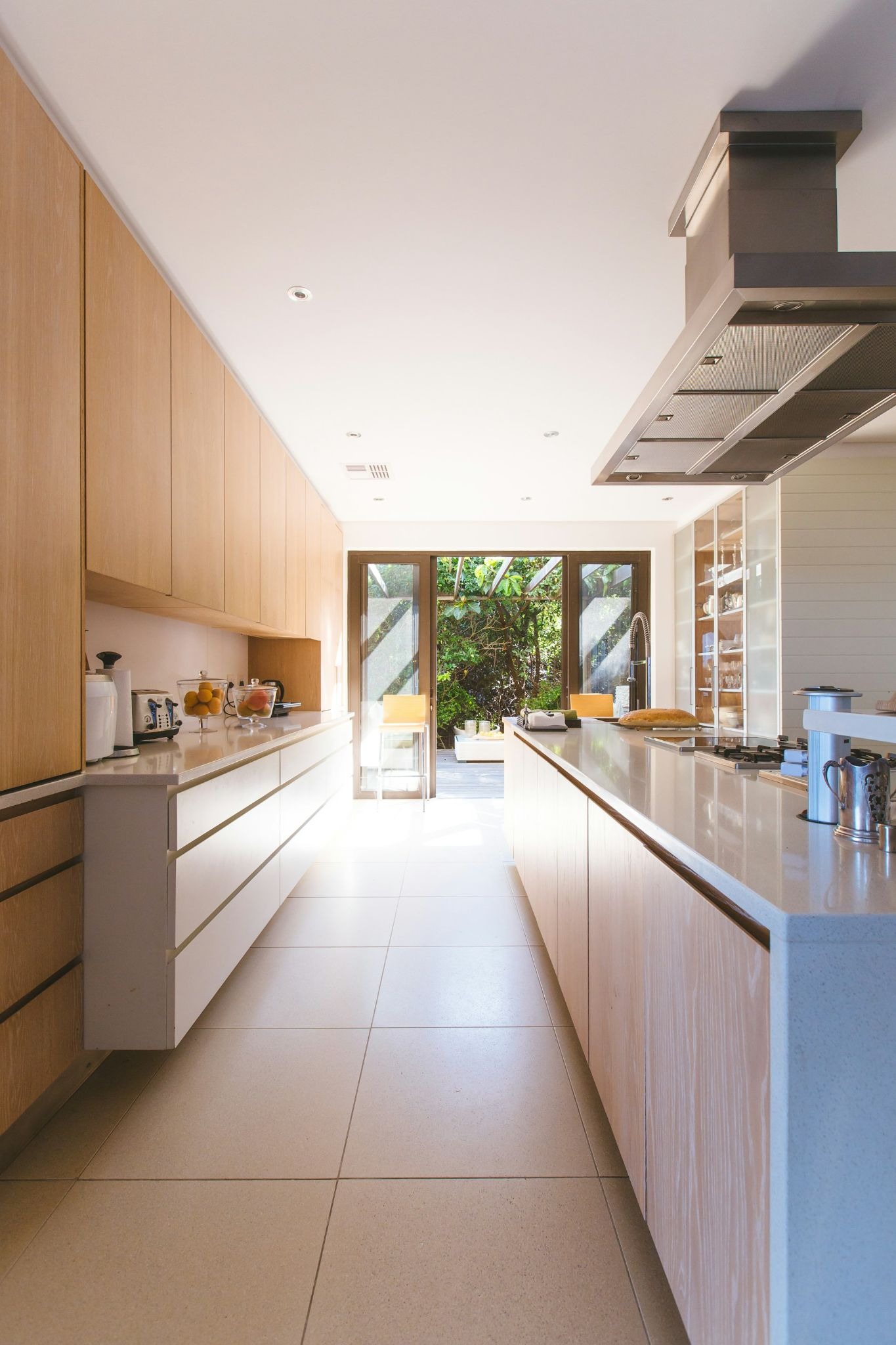
Energy Efficiency Cuts Utility Costs
Replacing appliances that are 15 or 20 years old with current ENERGY STAR-rated models can reduce kitchen-related electricity and water consumption by 20–40%. An induction cooktop, for example, transfers roughly 90% of its energy to the pan compared to about 40% for a gas burner – cooking food faster while using less power.
LED under-cabinet and recessed lighting uses a fraction of the energy of incandescent or halogen fixtures while producing better, more even illumination. Low-flow faucets and water-efficient dishwashers further chip away at monthly utility bills.
These are not abstract savings. On a $150 monthly electric bill, a 25% reduction across kitchen appliances and lighting saves roughly $450 a year – money that compounds over the life of the remodel.
Better Safety and Healthier Living
Kitchens carry more potential hazards than most rooms in the house. Open flames, sharp edges, slippery floors, and outdated electrical systems create risks that a remodel can systematically address.
Ventilation and Indoor Air Quality
A properly sized range hood vented to the exterior removes cooking fumes, excess moisture, and particulate matter that accumulate during stovetop use. This is especially important in homes with open floor plans, where kitchen air circulates into living spaces. Improved ventilation reduces lingering odors, lowers the risk of mold growth, and creates a noticeably fresher environment.
Aging-in-Place and Universal Design
If you plan to stay in your home long-term, a remodel is the ideal time to incorporate universal design features. Varied counter heights, pull-out shelving at accessible levels, wider walkways, lever-style faucet handles, and slip-resistant flooring make the kitchen safer and more comfortable for everyone – not just older adults.
These upgrades also appeal to a broader pool of future buyers, which feeds back into the resale-value benefit discussed earlier.
A Kitchen That Matches Your Lifestyle
A kitchen remodel is one of the few home improvements that changes how you experience your home every single day. It is not a guest bedroom you visit twice a year or a roof you never think about. You are in your kitchen every morning and every evening, and the difference between a space that frustrates you and one that works with you is enormous.
Entertaining, Gathering, and Everyday Comfort
A well-designed kitchen naturally draws people in. An island with bar seating becomes the spot where kids do homework while you prep dinner. An open layout lets you stay part of the conversation instead of being walled off from the living room. When the kitchen feels inviting, you host more often, eat at home more frequently, and genuinely enjoy the time you spend there.
2026 Design Trends Worth Considering
This year’s kitchen design trends lean toward function-forward choices. Induction cooking continues its rapid adoption. Integrated smart appliances that monitor energy use and suggest settings are becoming standard in mid-range remodels. Warm wood tones are replacing the all-white kitchens that dominated for the past decade, and textured backsplash materials are adding depth without visual clutter.
These are not fleeting fads. Each of these trends is rooted in durability, efficiency, or comfort – which means they age well both aesthetically and functionally.
How to Get Started With Your Kitchen Remodel
The gap between thinking about a kitchen remodel and actually starting one is usually filled with uncertainty. A structured approach removes most of that friction.
Start by documenting what is not working. Spend a week noticing every small frustration – the drawer that jams, the counter space that disappears, the lighting that makes prep work difficult. That list becomes your remodeling brief and helps any contractor understand your priorities from day one.
Next, set a realistic budget range. Cabinets typically consume 30–40% of the total project cost, followed by labor (20–35%), countertops (10–15%), and appliances (10–15%). Knowing these proportions helps you allocate spending where it matters most to you.
Choosing the Right Contractor
The contractor you choose determines whether your remodel becomes a rewarding investment or a drawn-out headache. Look for licensed, insured professionals with documented kitchen-specific experience – not just general handyman work. Ask for references from projects similar in scope to yours, verify their license status through your state’s licensing board, and get at least three detailed written estimates before committing.
Homeowners in South Florida, for example, can work with a trusted general contractor in West Palm Beach like Pillar 22 (pillar22.com), which brings both residential and commercial remodeling expertise to every project. Having a contractor who understands local building codes, permit requirements, and climate-specific material choices can prevent costly missteps.
Common Kitchen Remodeling Mistakes to Avoid
Even well-intentioned remodels go sideways when homeowners skip planning steps or chase trends over function. Here are the mistakes that experienced contractors see most often:
Ignoring the work triangle. Moving the sink or stove to a visually appealing spot without considering how it affects daily workflow creates a kitchen that photographs well but frustrates you every time you cook.
Underestimating storage needs. Open shelving looks clean in a showroom. In practice, it collects dust and forces you to keep everything perfectly curated. Balance aesthetic goals with closed-storage reality.
Choosing the cheapest bid without comparing scope. A low quote that excludes permits, debris removal, or finish details will cost you more in change orders than a mid-range bid that includes everything upfront.
Skipping the ventilation upgrade. New countertops and cabinets lose their appeal when every meal leaves behind a cloud of grease and smoke. Budget for a properly vented range hood from the start.
Over-improving for the neighborhood. A $100,000 kitchen in a neighborhood where homes sell for $250,000 will not recoup its cost. Match the level of your remodel to the value ceiling in your area.
Frequently Asked Questions
Is kitchen remodeling worth the investment?
Yes. A minor kitchen remodel is currently the highest-ROI interior renovation at 113% nationally. Beyond financial returns, homeowners report meaningful improvements in daily convenience, energy costs, and overall satisfaction with their home.
How much does a kitchen remodel add to home value?
It depends on the scope. A minor remodel averaging $28,000 can return approximately $31,000 or more at resale. Major mid-range remodels recoup around 50% of their cost, while upscale renovations return roughly 36%. Location, local market conditions, and quality of workmanship all influence the final number.
What kitchen upgrades add the most value?
Cabinet refacing or replacement, new countertops (especially quartz or granite), updated hardware, modern lighting, and energy-efficient appliances consistently rank as the highest-value upgrades. These are the improvements buyers notice first during a showing.
How long does a kitchen remodel take?
A minor remodel typically takes 4–6 weeks. A major remodel with layout changes or structural work can take 8–14 weeks. Factors like permit approvals, custom cabinet lead times, and material availability affect the timeline. An experienced kitchen remodeling contractor in West Palm Beach or your area can provide a detailed schedule during the planning phase.
Should I remodel my kitchen before selling my house?
In most cases, a targeted minor remodel before listing is a strong financial move. Updated kitchens help homes sell faster and often above asking price. Focus on visible upgrades – countertops, cabinet fronts, hardware, lighting, and appliances – rather than structural changes that will not be fully recouped.
Can I remodel my kitchen on a tight budget?
Absolutely. Refacing cabinets instead of replacing them, choosing laminate countertops that mimic stone, updating hardware and lighting, and adding a fresh coat of paint can transform a kitchen for under $10,000. Prioritize the changes you will see and touch every day.
What is the most expensive part of a kitchen remodel?
Cabinets. They account for 30–40% of most kitchen remodel budgets. Custom cabinetry at the high end can exceed $30,000 alone, while stock or semi-custom options offer significant savings without sacrificing quality.
The Bottom Line
Kitchen remodeling delivers returns that are both financial and deeply personal. The data confirms that even modest updates recoup more than their cost at resale. But the day-to-day benefits – better functionality, lower energy bills, improved safety, and a space that genuinely fits your life – are what homeowners notice most.
The key is approaching the project with clear priorities, a realistic budget, and the right professional support. Document what frustrates you about your current kitchen, research the upgrades that align with both your lifestyle and your home’s value ceiling, and choose a contractor whose track record matches the scope of your vision.
A kitchen remodel is not just an improvement to your home. It is an investment in how you live every day.