
Security deposit disputes are a major headache for landlords, property managers, and tenants alike. A missing receipt, a vague repair charge, or a messy deduction can quickly turn a routine move-out into a massive argument.
This is exactly why getting your security deposit itemization right matters. A clear, itemized statement shows the tenant exactly why you withheld part of their money. It also keeps your records airtight, supports fair decision-making, and proves you run a professional operation.
For property managers, good itemization isn’t just boring paperwork. It’s your best safety net against disputes.
Why Security Deposit Itemization Matters
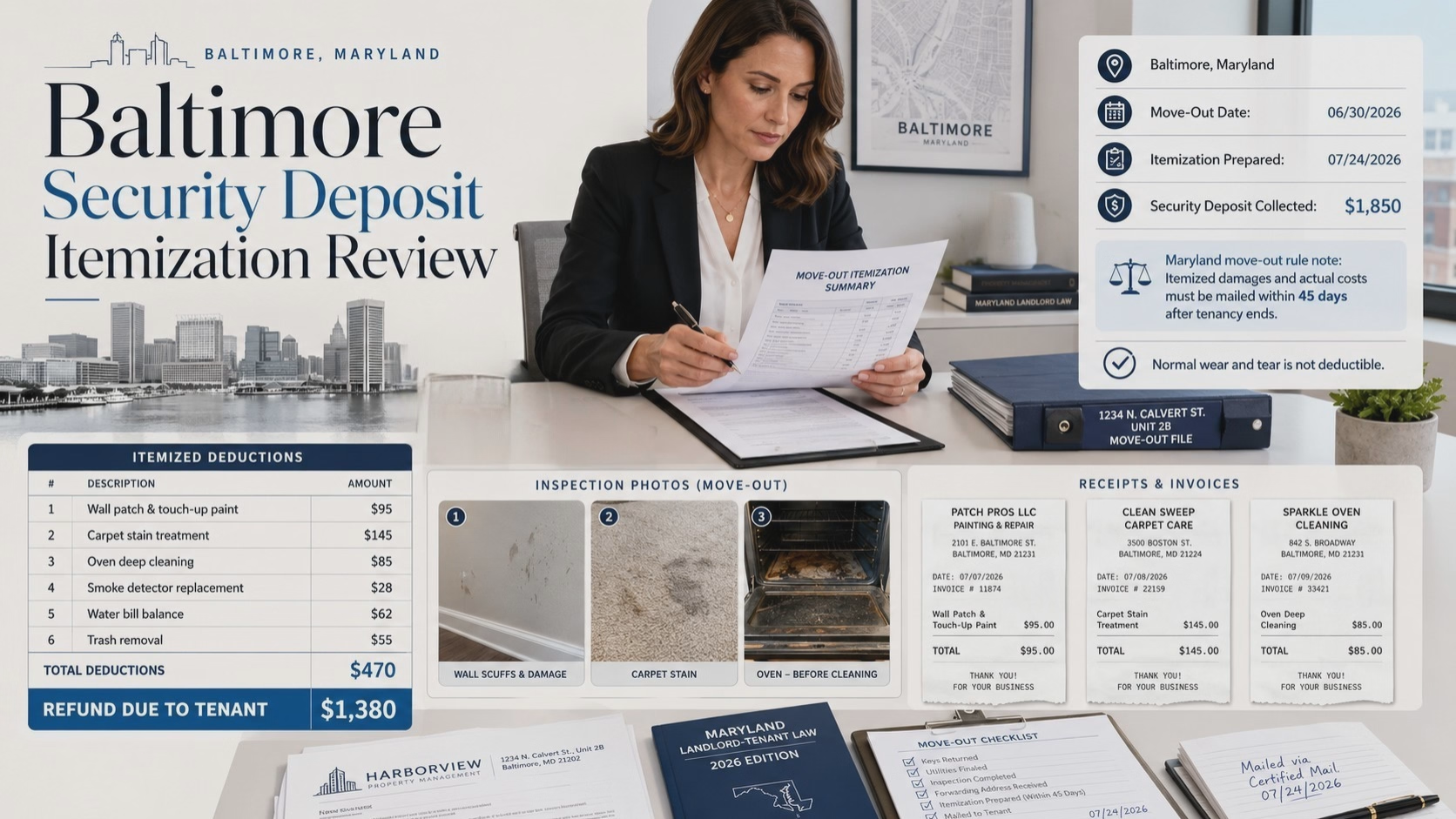
Put yourself in the tenant’s shoes: they’re expecting most of their deposit back, but their final statement just says “damages” with a dollar amount. Naturally, they’re going to be furious and start asking questions.
A much better approach is to list each deduction clearly. Break down the charge instead of using vague language like “cleaning” or “repairs”:
- Kitchen cleaning due to grease buildup
- Broken bathroom towel bar replacement
- Damaged bedroom door repair
- Final month unpaid rent balance
- Trash removal after move-out
Details allow tenants to see where their money was spent. They also give you the documentation you need if the tenant tries to fight the charges later. Working with a neutral, proactive Baltimore property manager can help explain charges clearly.
What a Security Deposit Itemization Should Include
A strong itemized statement should be clear, specific, and backed by documentation. At a minimum, it should include:
- The tenant’s name and rental property address
- The move-out date
- The date the tenancy ended
- The original security deposit amount
- Any required interest accrued
- Each deduction listed separately
- The reason for each deduction
- The cost of each repair, cleaning charge, or unpaid balance
- Receipts, invoices, photos, estimates, or work orders
- The remaining balance being returned to the tenant
- The date the statement and refund are sent
The goal is complete clarity. If a tenant, owner, attorney, or judge reviews it later, they should be able to see exactly how the final amount was calculated.
Common Security Deposit Deductions
Unpaid Rent
Unpaid rent is one of the most common reasons a landlord might deduct from a security deposit. If a tenant moves out owing money, the unpaid balance may be deducted if permitted by state and local law.
However, you need to document the charge clearly. Instead of writing “balance owed,” list the rent period, the amount due, payments received, and the remaining balance.
For example:
“Unpaid rent for May 1–May 15: $850.”
That carries much more weight than a vague note that simply says “rent balance.”
Also, when determining how much is a security deposit, some managers may consider a higher amount to offset potential concerns during the screening process.
Unpaid Utilities
If the lease makes the tenant responsible for certain utilities, unpaid bills can sometimes be deducted. This depends on the lease terms and local law.
When deducting utility charges, include the type of utility, billing period, provider, and amount owed. Attach the bill or account statement when possible.
Damage Beyond Normal Wear and Tear
Normal wear and tear is expected in any rental property. Minor fading, light scuffs, small nail holes, and ordinary aging usually shouldn’t be treated as tenant-caused damage.
Actual damage is different. Examples might include broken windows, large holes in walls, missing fixtures, damaged doors, cracked tiles, pet damage, or appliances ruined by misuse.
Even when a deduction is valid, the amount has to be reasonable. Property managers should avoid charging tenants for upgrades, full replacement costs when a repair is enough, or damage that existed before the tenant moved in.
Move-in and move-out photos, inspection notes, and dated maintenance records make these decisions much easier to justify.
Cleaning Costs
Cleaning deductions can be tricky because not every cleaning expense falls on the tenant. Routine turnover cleaning is usually just part of the cost of doing business.
That said, excessive messes may justify a deduction. Examples include piles of trash, food left behind, heavy grease buildup, stains, pet waste, or conditions that go well beyond normal use.
The itemization should explain what needed to be cleaned and why you’re charging for it. Instead of writing “cleaning fee,” be specific:
“Kitchen deep cleaning due to grease buildup on stove, cabinets, and backsplash.”
Navigating Maryland and Baltimore Rules
If you’re managing rentals in Baltimore or anywhere else in Maryland, you really can’t afford to wing it. State law is strict when it comes to security deposits.
For deposits paid on or after October 1, 2024, Maryland landlords generally can’t charge more than one month’s rent for a security deposit. There is a narrow exception that may allow a deposit of up to two months’ rent in certain utility-related situations, but that exception has specific requirements and should not be treated as the default rule.
The timeline is the real trap: in most standard situations, you only have 45 days after the tenancy ends to return the deposit or send the tenant an itemized list of deductions.
If you hold back even a single dollar, your statement has to spell out the damages claimed and the cost of the work. Maryland law also requires supporting documentation that identifies the materials or services provided. If you miss the deadline or skip the required details, you’re opening yourself up to serious financial trouble. A Maryland judge can order you to pay the tenant up to three times the amount wrongfully withheld, plus reasonable attorney’s fees.
Baltimore property managers should also stay current on local rental licensing, lease-disclosure, and program-specific requirements. But for security deposit returns and itemized deductions, the core rules come from Maryland state law.
How Fair Itemization Helps Everyone
Landlords
Fair itemization helps landlords justify deductions and reduce conflict. When charges are backed by photos, receipts, and written records, tenants are less likely to feel blindsided. It also helps protect the landlord if the matter ends up in court or mediation.
Tenants
Tenants benefit because they see what happened to their money. Even if they don’t agree with a deduction, a detailed explanation provides them with a clear starting point for asking questions or disputing a charge. Transparency helps tenants feel that they are being treated fairly.
Property Managers
Itemization brings consistency to property managers. A standard process makes it easier to train staff, talk to owners, respond to tenants, and keep clean records. It reduces unnecessary back and forth since the paperwork is already organized before questions arise.
Best Practices for Security Deposit Itemization
A consistent system can make the process go more smoothly for property managers:
- Record the condition of the unit before a tenant moves in.
- Take photos before move-in and after move-out.
- Use a move-in/move-out checklist.
- Keep all receipts, invoices, estimates, and work orders.
- List each deduction as a separate line item.
- Apply the same standards to every tenant.
- Send the statement and refund by the deadline.
- Keep copies of any correspondence.
The more structured the process, the easier it is to explain and defend.
The Bottom Line
Security deposit itemization may seem like a small administrative task, but it’s a big part of property management. A clear, itemized statement helps make the deductions clear, keeps you on the right side of the law, and keeps everyone on the same page.
Be specific. Be consistent. And keep good documentation. Keeping good records prevents mix-ups, cuts down on arguments, and makes moving out a lot easier for everyone.