
- 1. The Real Cost of Renting
- 2. You Are Renting the Street Too
- 3. Inspect the Property Condition Thoroughly
- 4. Read Every Single Page of the Lease
- 5. Google Your Landlord
- 7. Think About Next Year
- 8. Do Not Ignore Safety Features
- 9. Compare Multiple Listings Before Deciding
- 10. Get Your Paperwork Ready
- Final Thoughts
Signing a lease is a massive commitment. You are locking down where you will live and how much you will pay for an entire year. Finding the right place takes real work. It is way more than just scrolling through pretty pictures online. A house might look flawless on your screen. But clever camera angles easily hide massive utility bills, strict landlord rules, or maintenance nightmares.
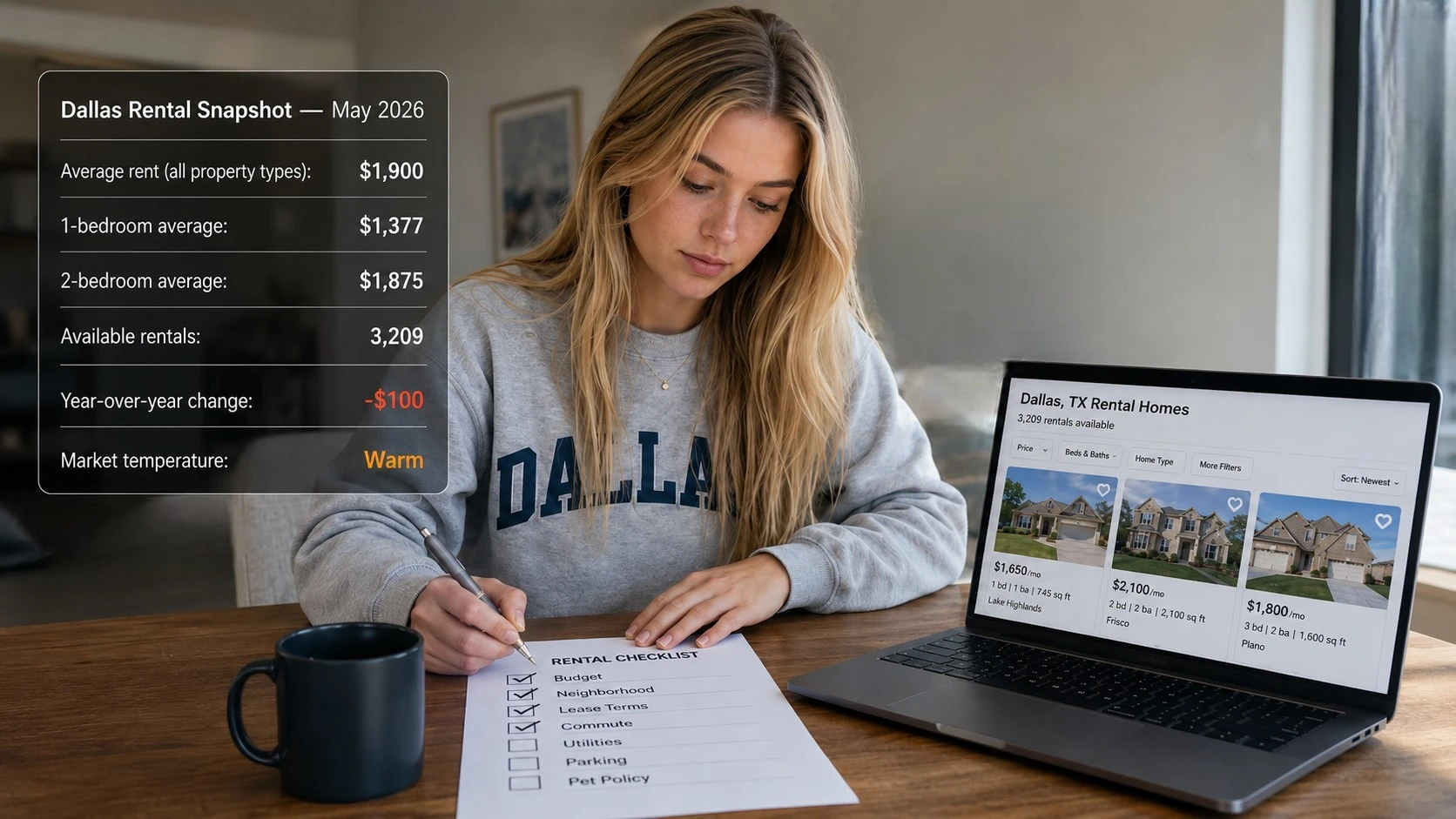
Sites like Rentberry make hunting for a place incredibly fast. You can compare prices and locations in seconds. Do not let that convenience make you lazy. You still have to do the actual research. Knowing what to watch out for before you hand over a deposit saves you from a massive financial headache later.
1. The Real Cost of Renting
Do not just stare at the base rent. It is super easy to fixate on that one number and assume you can afford it. The actual cost of renting always packs a few extra punches that never show up in the listing.
Your utility bills will swing wildly depending on the square footage, insulation, and local weather. Depending on the lease, you might be stuck paying for electricity, water, gas, trash pickup, internet, lawn care, or parking. You also have to budget for the security deposit, pet fees, and the cost of renting a moving truck.
Financial experts at the U.S. Department of Housing and Urban Development suggest keeping your housing costs under 30 percent of your gross income. Map out all those recurring bills upfront. This keeps you from ending up house-poor three months in. When you browse available houses on Rentberry, factor in those total estimated costs rather than just looking at the sticker price. It gives you a much better reality check.
2. You Are Renting the Street Too
You aren’t just renting four walls and a roof. You are renting the whole street. The surrounding area dictates your daily routine and your overall sanity.
Before you commit, look into a few specific details.
- Check how long it actually takes to drive to work.
- Find out where the closest grocery stores are.
- See if the local bus routes run on a reliable schedule.
- Listen to the traffic sounds on a regular weekday morning.
- Look up recent crime stats for that specific zip code.
- Check if there are decent parks or walking trails nearby.
Do not blindly trust a map app. Drive through the neighborhood during the day and swing by again at night. A street that feels perfectly quiet on a Tuesday afternoon might turn into a loud traffic jam by Friday night. Local government websites and resident reviews give you the real scoop on what living there is actually like.
3. Inspect the Property Condition Thoroughly
Listing photos are basically marketing material. Photographers use wide-angle lenses and perfect lighting to make a house look its absolute best. Pictures simply cannot show you weird smells, hidden water damage, or an awkward floor plan. You absolutely need to get inside the house before signing anything.
While you are walking through the house, actually test things out.
- Flush every toilet and turn on the showers to check the water pressure.
- Flick the light switches and test the electrical outlets.
- Make sure the windows and doors actually lock securely.
- Look for signs of mold or water stains on the ceilings and baseboards.
- Ask the landlord about the heating and cooling systems.
- Watch for roof leaks or any obvious pest problems.
Testing appliances and checking smoke detectors are big safety measures. A minor quirk you ignore today will drive you crazy next month. When you browse available houses on Rentberry, use it as a starting point. Nothing beats walking through the space to catch minor issues before they become your daily problem.
4. Read Every Single Page of the Lease
People sign legally binding contracts without reading them all the time. Do not be that person. Taking ten minutes to read the fine print prevents massive arguments later.
Keep an eye out for specific terms. Check the exact lease duration and when the rent is actually due. Figure out what the late payment penalties look like. See who handles the maintenance, what the guest policies are, and if there are strict pet restrictions. You also want to know the renewal conditions and the fees for early termination. Some leases throw in strict rules about painting walls or limit where you can park. Some even force you to buy a specific renter’s insurance policy.
If a clause confuses you, ask the landlord to explain it. Never rely on a handshake deal. If the landlord promises to fix the dishwasher before you move in, get that promise in writing. A solid lease protects both of you by setting clear expectations from day one.
5. Google Your Landlord
A great house gets miserable real quick if your landlord dodges your calls. Pay attention to how fast they reply when you are just a prospective tenant. If they take three days to answer a basic email before you even sign the lease, they will probably disappear when the AC goes out in July.
Online reviews can give you a heads-up on past tenant experiences. One bad review is normal. A consistent pattern of ignored repairs and withheld security deposits is a massive dealbreaker. Professional property management usually means faster maintenance service, clearer communication, and better organization overall.
7. Think About Next Year
A lot of folks only think about what they need right this second. A layout that works perfectly today might feel totally cramped in eight months.
You might end up needing extra room for remote work, a growing family, or just more closet space. Access to specific school districts or healthcare facilities might become a big deal later. Think ahead before committing to a long lease. Things like parking availability, internet speeds, and neighborhood development plans will definitely impact your daily routine.
People who compare multiple property types on Rentberry usually have an easier time finding a place that works for their life right now and where they plan to be next year.
8. Do Not Ignore Safety Features
Safety is not just a bonus feature. While no neighborhood is completely risk-free, certain property details offer serious peace of mind.
Make sure the house has functional deadbolts on the doors and secure latches on the windows. Check for outdoor lighting near the parking area and walkways. You also want working smoke and carbon monoxide detectors, secure fencing, clear emergency exits, and well-maintained stairs.
Depending on the city, landlords are legally required to meet specific safety codes before renting out a home. You should also double-check if the property sits in a flood zone or an area prone to severe weather so you can buy the right renter’s insurance.
9. Compare Multiple Listings Before Deciding
Jumping on the first decent place you tour is a quick way to experience renter’s remorse. Touring a few different rental options helps you figure out local pricing and spot a genuinely good deal.
Weigh the rental price against the property condition, included amenities, and lease flexibility. Factor in the location advantages, utility costs, and transportation access. Digital platforms let you organize and compare listings efficiently.
This allows you to put features side-by-side before making the final call. Taking an extra weekend to weigh your options usually leads to a much better living situation.
10. Get Your Paperwork Ready
The rental market moves fast. The applicant who actually has their paperwork ready is usually the one who gets the keys.
Landlords generally ask for proof of income like recent pay stubs or tax returns. They also want employment verification, identification documents, your credit history, and references from previous landlords.
Put all these documents into a digital folder on your phone or laptop before you even start touring. Having everything ready to email speeds up the background check and shows the landlord you are reliable. Depending on your credit score, some landlords might also require a co-signer.
Final Thoughts
Renting a house takes a bit of legwork. Apps and sites have made comparing homes easier than ever. You still have to combine that digital head start with real-world research. Run the numbers, scout the streets, read the fine print, and physically inspect the property.
Approaching the process thoughtfully means you will end up with a home that delivers on comfort and affordability. Take your time, be smart about your search, and you will find a place you actually look forward to coming home to.