- Introduction
- The Difference Between Features and Experiences
- Why Lifestyle Planning Often Produces Better Renovation Decisions
- The Most Memorable Homes Support Connection
- Why Outdoor Spaces Have Become More Important Than Ever
- The Psychology of Comfort and Usability
- Long-Term Homeowners Think Differently Than Trend Followers
- Designing for Everyday Moments Instead of Special Occasions
- Why Simplicity Often Wins
- The Best Home Improvements Create Flexibility
- Creating a Home That Encourages People to Stay Longer
- They Feel Welcoming
- They Support Natural Activities
- They Reduce Friction
- They Balance Form and Function
- Why Memory-Making Matters More Than Market Trends
- Conclusion
Introduction
When homeowners think about improving their property, conversations often revolve around features. People discuss kitchens, flooring, landscaping, outdoor spaces, paint colors, and various upgrades designed to make a home look better or increase value.
While features certainly matter, they are rarely what people remember most about a home.
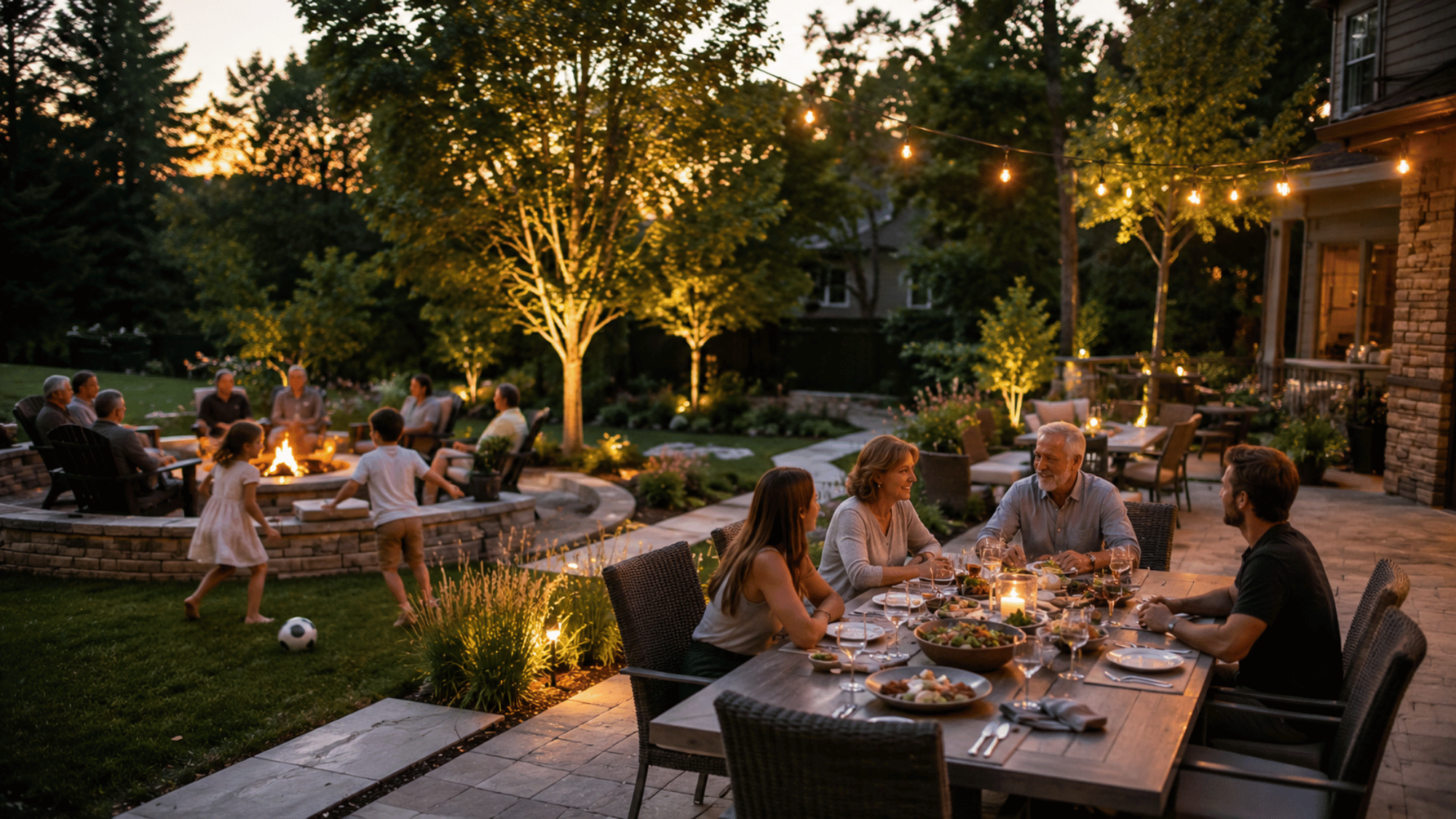
Ask homeowners about their favorite memories, and the answers usually focus on experiences rather than specific materials or products. They remember family gatherings, summer evenings with friends, holiday celebrations, backyard cookouts, children’s birthday parties, and quiet moments spent enjoying spaces that felt comfortable and welcoming.
This distinction matters because it changes how homeowners approach property improvements. Instead of asking, “What feature should I add next?” many successful homeowners ask a different question:
“What experiences do I want this home to support?”
That mindset often leads to smarter decisions, better use of resources, and living spaces that remain meaningful for many years.
As housing costs continue to rise and people spend more time at home than previous generations, creating spaces that support daily life and meaningful experiences has become increasingly important.
The Difference Between Features and Experiences
Features are physical elements of a property.
Examples include:
- Flooring
- Patios
- Driveways
- Kitchens
- Landscaping
- Lighting
- Fencing
- Storage areas
Experiences are what happen because those features exist.
For example:
- A dining area creates opportunities for family meals.
- A comfortable backyard encourages social gatherings.
- A functional workspace supports productivity.
- An inviting entryway creates positive first impressions.
The feature itself is important, but its value often comes from how it contributes to daily life.
Many homeowners make the mistake of focusing exclusively on appearance while overlooking functionality. A visually impressive upgrade may receive attention initially, but if it does not improve how people actually use the property, its long-term impact may be limited.
The most successful improvements often combine beauty and functionality in ways that support everyday living.
Why Lifestyle Planning Often Produces Better Renovation Decisions
Many renovation projects begin with a product.
A homeowner sees a design trend online and decides to replicate it.
While inspiration can be valuable, projects that begin with lifestyle goals often produce better results.
Instead of asking:
- What is popular right now?
- What are my neighbors doing?
- What feature should I install?
Consider asking:
- How do I spend time at home?
- What activities do I enjoy most?
- What frustrations do I experience regularly?
- What would make daily life easier?
- How do I want guests to feel when visiting?
These questions help homeowners identify improvements that provide ongoing value rather than temporary excitement.
For example, a family that regularly entertains friends may prioritize gathering spaces.
A homeowner who works remotely may prioritize functional outdoor areas that provide opportunities to step away from a desk throughout the day.
A growing family may focus on creating flexible spaces that can adapt to changing needs over time.
Lifestyle planning helps ensure improvements align with actual behavior rather than short-term trends.
The Most Memorable Homes Support Connection
One common characteristic shared by many beloved homes is their ability to bring people together.
Connection remains one of the strongest drivers of positive experiences at home.
This connection may occur through:
- Family dinners
- Outdoor gatherings
- Neighborhood events
- Holiday celebrations
- Casual conversations
- Shared hobbies
Homes that support these interactions often become places where memories are created naturally.
Interestingly, creating opportunities for connection does not necessarily require major renovations.
Sometimes relatively simple improvements can significantly change how a space is used.
Examples include:
- Creating better flow between indoor and outdoor areas.
- Improving seating arrangements.
- Expanding gathering spaces.
- Improving accessibility around the property.
- Making outdoor areas more comfortable and inviting.
These changes encourage people to spend more time together and use the property more fully.
The result is often a home that feels more enjoyable regardless of its size or market value.
Why Outdoor Spaces Have Become More Important Than Ever
One of the most noticeable shifts in homeownership over the past decade has been the increased focus on outdoor living.
Homeowners are no longer viewing their yards simply as areas that require maintenance. Instead, outdoor spaces have become extensions of the home itself.
Several factors have contributed to this shift:
- More people working remotely
- Increased interest in entertaining at home
- Greater focus on wellness and relaxation
- Rising costs of travel and entertainment
- Desire for additional usable living space
As a result, homeowners are looking for ways to create environments that support a wider variety of activities.
Common goals include:
- Hosting gatherings
- Spending time with family
- Enjoying meals outdoors
- Creating quiet retreat areas
- Supporting hobbies and recreation
The most successful outdoor improvements are often those that encourage people to spend more time outside while making the property more functional overall.
Rather than treating the yard as a separate part of the property, many homeowners now view it as an integral part of daily living.
The Psychology of Comfort and Usability
Many homeowners underestimate how strongly comfort influences behavior.
People naturally gravitate toward spaces that feel easy to use.
This principle applies both indoors and outdoors.
For example, a beautifully designed area may receive very little use if it lacks convenience, accessibility, or comfort.
On the other hand, a simple but functional space may become a favorite gathering spot because it supports everyday activities naturally.
Several factors contribute to usability:
Accessibility
Spaces that are easy to reach tend to be used more often.
Clear pathways, thoughtful layouts, and logical connections between areas encourage movement throughout the property.
Comfort
People spend more time in environments that feel comfortable.
This may involve:
- Shade
- Seating
- Privacy
- Noise reduction
- Visual appeal
Functionality
Spaces should support the activities homeowners actually enjoy.
An outdoor area designed around real habits is more likely to become part of everyday life.
Understanding these principles helps homeowners prioritize improvements that increase practical enjoyment rather than simply creating visual impact.
Long-Term Homeowners Think Differently Than Trend Followers
One interesting distinction between highly satisfied homeowners and those who constantly renovate is their perspective on trends.
Trend-focused decisions are often driven by current popularity.
Long-term decisions are driven by usefulness.
Homeowners who consistently enjoy their properties tend to evaluate projects using questions such as:
- Will this still serve a purpose in ten years?
- Does it improve how we live?
- Will it require excessive maintenance?
- Does it solve an existing problem?
- Will it remain attractive as styles change?
This mindset often leads to more durable and versatile improvements.
For example, many homeowners planning long-term outdoor gathering spaces spend significant time evaluating materials, layouts, and maintenance requirements before making decisions. In that process, some research options such as concrete patios Loveland Colorado because durable outdoor surfaces can support years of family activities, entertaining, and everyday use with relatively low maintenance.
The broader lesson is not about any specific product.
It is about choosing improvements based on long-term usefulness rather than short-term excitement.
Designing for Everyday Moments Instead of Special Occasions
Many homeowners unintentionally design spaces around rare events.
They focus on how a property will function during holidays, parties, or occasional gatherings.
While these events matter, the majority of life happens during ordinary days.
The most successful homes often support everyday activities such as:
- Morning coffee
- Family dinners
- Reading outdoors
- Children’s playtime
- Relaxing after work
- Spending time with pets
When spaces are designed around everyday use, they tend to provide more value over time.
This does not mean homeowners should ignore special occasions.
Instead, the goal is balance.
A property that works well on a typical Tuesday afternoon often works well during larger events too.
The reverse is not always true.
Why Simplicity Often Wins
One misconception about home improvement is that larger projects automatically create better outcomes.
In reality, some of the most successful properties achieve their appeal through simplicity.
Simple designs often provide several advantages:
- Easier maintenance
- Greater flexibility
- Lower long-term costs
- Timeless appearance
- Better usability
Overly complex spaces can become difficult to maintain and may lose appeal as trends evolve.
Many homeowners discover that thoughtful planning matters more than the size of the investment itself.
The goal should not be creating the most elaborate property possible.
The goal should be creating a property that supports the lifestyle, values, and priorities of the people who live there.
When that happens, the home becomes more than a collection of features.
It becomes a place where meaningful experiences occur naturally.
The Best Home Improvements Create Flexibility
One lesson that emerges repeatedly among homeowners who remain satisfied with their properties over long periods is the importance of flexibility.
Life changes.
Families grow. Children leave home. Work situations evolve. Hobbies change. Entertaining habits shift.
Homes that can adapt to these changes tend to remain enjoyable longer.
Flexible spaces often support multiple purposes without requiring major modifications.
Examples include:
- Outdoor areas that accommodate both small family gatherings and larger social events
- Spaces that function for relaxation as well as recreation
- Areas that can be enjoyed throughout different seasons
- Features that appeal to people across multiple age groups
Flexibility becomes particularly important because it extends the usefulness of improvements long after they are completed.
Rather than solving a single short-term need, adaptable spaces continue serving homeowners through different stages of life.
This approach often results in better long-term satisfaction and stronger overall property value.
Creating a Home That Encourages People to Stay Longer
One of the easiest ways to evaluate a property’s success is to observe how people interact with it.
Do family members naturally spend time in certain spaces?
Do guests linger longer than expected?
Do people gravitate toward particular areas of the property?
These observations often reveal which features contribute most to positive experiences.
Successful homes typically share several characteristics:
They Feel Welcoming
People are more likely to spend time in spaces that feel approachable and comfortable.
They Support Natural Activities
The best environments encourage behaviors that already matter to the homeowner rather than forcing new habits.
They Reduce Friction
Well-designed spaces make activities easier.
Whether it is hosting guests, spending time outdoors, or simply moving throughout the property, convenience often drives usage.
They Balance Form and Function
Beautiful spaces matter, but appearance alone rarely creates lasting enjoyment.
The most appreciated areas of a property tend to combine visual appeal with practical usability.
When these elements work together, homeowners often find themselves using and enjoying their spaces more frequently.
Why Memory-Making Matters More Than Market Trends
Real estate discussions often focus heavily on resale value.
While future value is important, homeowners should also consider the experiences they create while living in the property.
A home serves as the backdrop for many of life’s most meaningful moments.
Examples include:
- Family celebrations
- Birthday parties
- Graduation gatherings
- Neighborhood cookouts
- Holiday traditions
- Everyday conversations
These experiences often become the memories people associate most strongly with their homes.
Interestingly, the specific features involved are rarely what people remember.
Instead, they remember how a space made those experiences possible.
This perspective can help homeowners make more intentional improvement decisions.
Rather than chasing every design trend, they can focus on creating environments that support the life they want to live.
Over time, those choices often prove far more rewarding.
Conclusion
The most enjoyable homes are rarely defined by individual features alone. They are defined by the experiences those features support.
While materials, finishes, and upgrades certainly play important roles, their greatest value often comes from how they improve everyday life. Whether encouraging connection, supporting relaxation, making entertaining easier, or simply creating more comfortable environments, thoughtful improvements help homeowners get more enjoyment from their property.
By shifting focus from features to experiences, homeowners can make smarter decisions about where to invest their time and resources. Instead of pursuing every trend, they can prioritize improvements that align with their lifestyle, support long-term goals, and remain useful for years to come.
The homes people love most are often not the ones with the most expensive upgrades. They are the homes that make daily life easier, bring people together, and create opportunities for meaningful memories.
When homeowners plan with that perspective in mind, the result is often a property that feels valuable not only financially, but personally as well.