
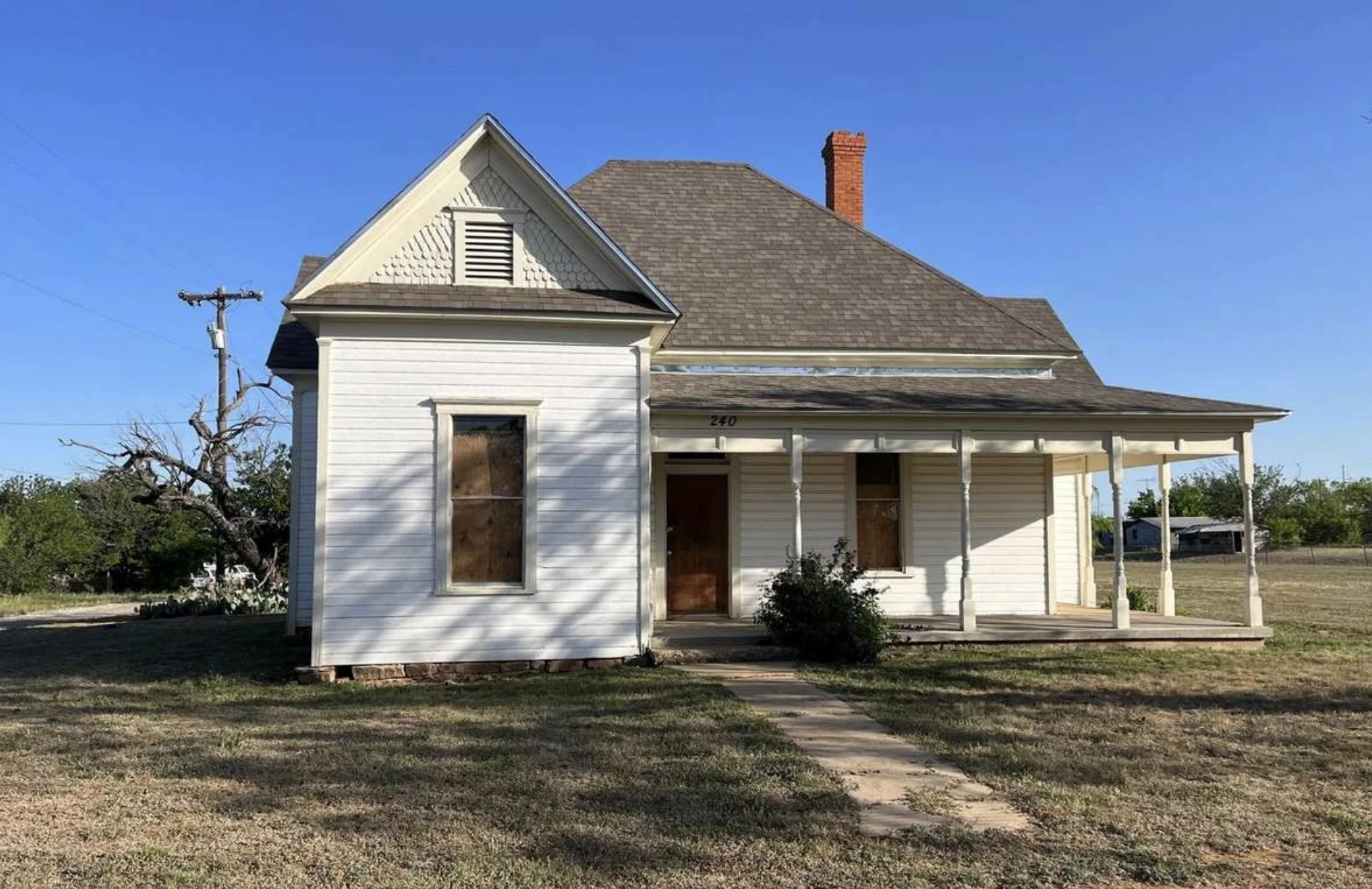
Older homes are part of what gives many Texas neighborhoods their character. Original flooring, vintage tile, old insulation, and decades of remodeling can tell a story about how a house was built and changed over time. Some of those materials, however, were installed when asbestos was widely used in construction.
For most homeowners, finding an older material does not mean someone will develop mesothelioma. The disease is rare, and exposure history can be complicated. Someone diagnosed today may have encountered asbestos at a home, jobsite, refinery, military installation, factory, or another property many years ago. When questions about responsibility arise, experienced Texas mesothelioma attorneys can help families reconstruct that history and determine whether a legal claim may be available.
Mesothelioma Can Appear Long After Exposure
Mesothelioma is a cancer that develops in the thin tissue surrounding certain internal organs. Pleural mesothelioma, which forms around the lungs, accounts for most diagnosed cases. Other forms can develop in the lining of the abdomen or, much less often, around the heart or testes.
The disease remains uncommon. According to the Centers for Disease Control and Prevention, 2,669 cases of malignant mesothelioma were reported in the United States in 2022, based on national cancer registry data published in September 2025. The same federal data show that about 81 percent of recorded cases from 2003 through 2022 involved the pleura. Asbestos exposure causes most cases of mesothelioma.
The long delay between exposure and diagnosis makes the history especially important. People may have to think back through previous homes, employers, construction projects, military service, and occupations to understand where exposure might have occurred.
| Mesothelioma fact | Current federal data |
| U.S. cases reported in 2022 | 2,669 |
| Share of 2003-2022 cases involving the pleura | 81% |
| Main established cause | Asbestos exposure |
| Common exposure context | Older products, building materials and occupational settings |
Why Older Texas Properties Still Matter
Asbestos was valued because it resisted heat and fire, so manufacturers once incorporated it into many building and industrial products. Materials that may contain asbestos can still remain inside older properties long after their original installation.
Examples include some floor and ceiling tiles, pipe wrap, insulation, shingles, cement products, and other legacy building materials. That does not mean every old tile or piece of insulation contains asbestos. Appearance alone is not enough to identify it.
EPA homeowner guidance updated in April 2026 says suspected material should be evaluated by a properly trained professional when it is damaged or when planned renovation work could disturb it. Testing by a qualified laboratory is the only reliable way to confirm whether a suspect material contains asbestos.
The practical distinction is important for homeowners. Material left intact is different from material that is cut, sanded, broken, removed, or demolished.
| Situation in an older home | Why extra care may be needed |
| Removing old flooring | Cutting or breaking material can create dust |
| Opening walls or ceilings | Older concealed materials may be disturbed |
| Replacing old pipes | Legacy pipe insulation may be encountered |
| Major remodeling | Several generations of building material may be exposed |
A House May Be Only One Piece of the Exposure History
When someone receives a mesothelioma diagnosis, the current home is not automatically the source. In Texas, a person’s history may also include work in construction, oil refining, manufacturing, power generation, automotive repair, shipyards, or other industries where asbestos-containing products were once used.
Exposure could also occur indirectly. Historically, workers could carry fibers home on clothing or equipment, creating another possible route for household members.
That is why mesothelioma investigations often look beyond a single property. Former employers, contractors, manufacturers, coworkers, military records, addresses, and job descriptions may all help establish a timeline.
The age of the evidence can make this difficult. A business may have closed decades ago. A product may no longer exist. A worker might remember the job but not the manufacturer printed on insulation, gaskets, or other materials. Building that picture requires connecting many smaller pieces of information.
Treatment Decisions Come First After a Diagnosis
Once mesothelioma is confirmed, medical decisions depend on where the cancer developed, its stage, whether it has spread, and the patient’s overall health.
Current National Cancer Institute guidance includes surgery for selected patients, chemotherapy, immunotherapy, targeted therapy, radiation, and care aimed at controlling symptoms. Advanced mesothelioma treatment can include the immunotherapy drugs nivolumab and ipilimumab, while chemotherapy and other combinations remain options for some patients. Clinical trials may also provide access to treatments being studied.
For families, treatment can affect much more than health. A patient may reduce work hours. A spouse may become a caregiver. Travel, lodging, deductibles, home help, and lost income can put pressure on a household at the same time that major medical decisions are being made.
People comparing options after a diagnosis can also review mesothelioma support options in San Antonio when looking at local information and possible next steps.
Why Old Records Can Become Valuable
A mesothelioma diagnosis may make documents that once seemed ordinary much more important. Employment records, Social Security histories, union information, military records, tax documents, property addresses, old photographs, and names of former coworkers can help establish where a person spent time and what products may have been present.
Homeowners should also distinguish current renovation safety from historical disease investigation. Discovering asbestos-containing material during a remodel does not prove that it caused someone’s cancer. Mesothelioma claims depend on the broader exposure history and medical evidence.
Texas health authorities also note that asbestos remains in many existing buildings and that renovation or demolition can trigger specific state requirements depending on the property and project. The rules are not identical for every private residence, commercial property, or demolition job.
Legal Options May Depend on How Exposure Happened
Families affected by mesothelioma can have more than one possible route to compensation. A living patient may have a personal injury claim. Some companies that previously made or sold asbestos-containing products established bankruptcy trusts for qualifying claimants. Families may also have wrongful death options after a death, while some veterans can qualify for benefits when exposure is connected to military service.
Meirowitz & Wasserberg, LLP works with mesothelioma patients and families to investigate old exposure histories and identify potentially responsible companies and available claim options. This kind of case review can be especially useful when several jobs, products, or properties may have contributed to exposure over many years.
For owners of older Texas homes, the immediate concern is usually whether a renovation could disturb asbestos-containing material. For a family facing mesothelioma, the question is broader. Understanding where exposure happened, preserving old records, and learning what options exist can help families make informed decisions while they focus on treatment and life after diagnosis.