
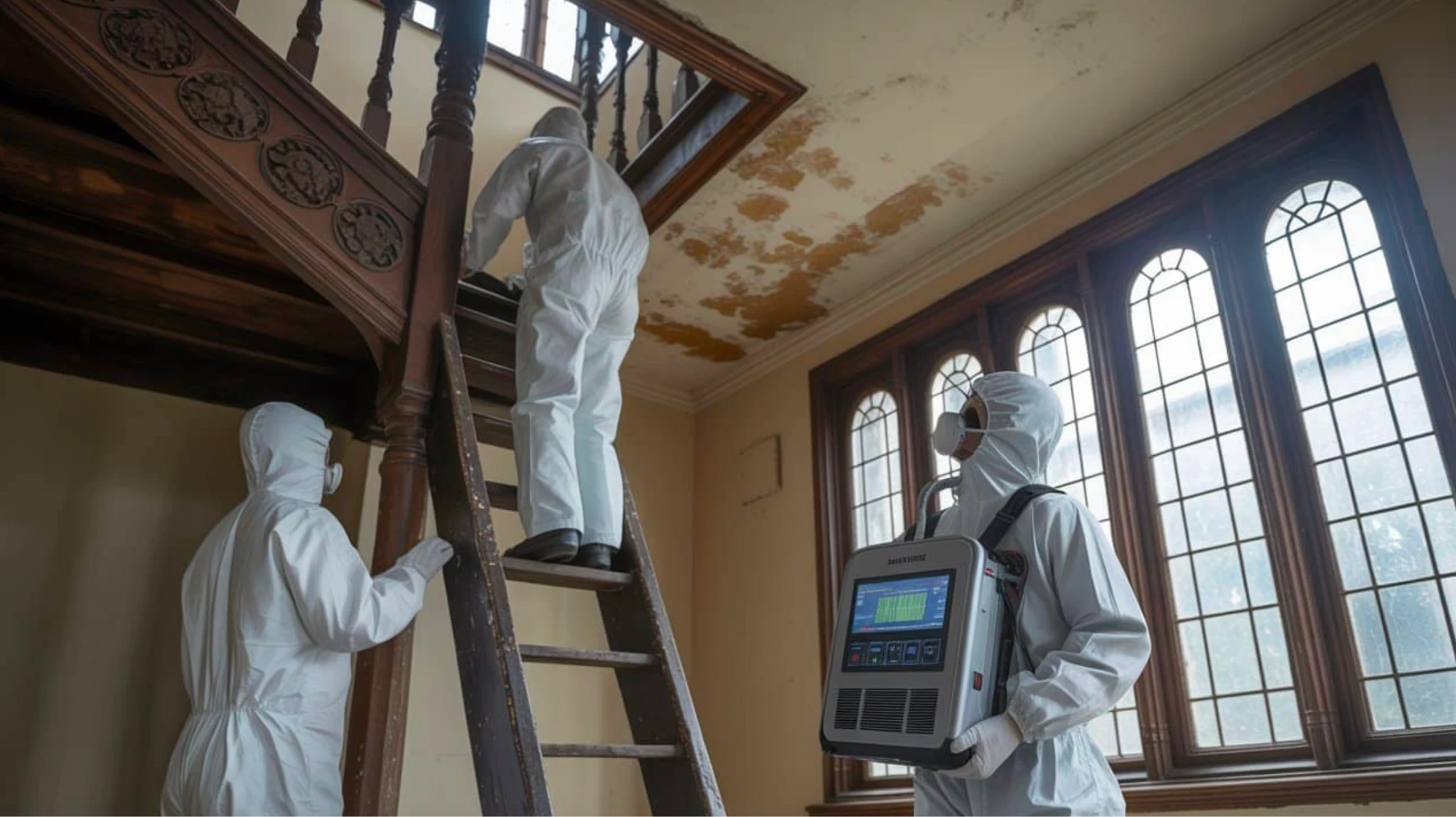
Dallas is a city of new construction, but much of its housing and commercial stock was built long before today’s building standards took shape. Older homes, apartment buildings, offices, schools, warehouses, and industrial properties may still contain construction materials installed when asbestos was widely used. For most people, those materials remain out of sight for decades. The concern often begins when a building is renovated, repaired, or demolished and old materials are cut, drilled, sanded, or removed.
That history matters because asbestos exposure is closely associated with malignant mesothelioma, a rare cancer that can develop decades after exposure. For someone who receives a diagnosis today, the important exposure may have happened at a job site or inside a building many years ago. Families trying to trace that history may speak with experienced mesothelioma lawyers in Dallas who understand how old properties, construction work, employers, and asbestos-containing products can fit into a mesothelioma investigation. Nemeroff Law Firm works with mesothelioma patients and families to examine those connections and identify possible legal options.
Why Mesothelioma Can Appear Years After Exposure
Mesothelioma develops in the thin tissue surrounding organs, most often the lining around the lungs. Its connection to old buildings is not simply about living in an aging property. The larger concern is whether asbestos fibers became airborne and were inhaled or swallowed during construction, repair, demolition, maintenance, or other work.
The disease is uncommon. The American Cancer Society reports that about 3,000 new mesothelioma cases are diagnosed in the United States each year. It also notes that the time between asbestos exposure and development of the disease is often measured in decades. That delay can make a diagnosis especially confusing. Someone diagnosed in retirement may need to think back to jobs, buildings, renovation projects, or household exposure from many years earlier.
| Mesothelioma fact | What it means for Dallas families |
| About 3,000 U.S. cases are diagnosed each year | Mesothelioma is rare compared with many other cancers |
| Symptoms can develop decades after exposure | A recent diagnosis may be tied to much older exposure |
| Asbestos is the main established exposure associated with the disease | Work and building histories can become important after diagnosis |
| Men are diagnosed more often than women | Historic occupational exposure helps explain part of the difference |
Where Older Dallas Buildings Fit Into the Story
Asbestos was once valued because it resisted heat and fire and could strengthen building materials. It appeared in products used throughout American construction. Older Dallas properties may therefore contain materials that were installed decades ago and later covered by newer flooring, walls, ceilings, roofing, or mechanical systems.
The Texas Department of State Health Services currently states that asbestos is present in more than half of the state’s public buildings. That figure does not mean half of Dallas homes are hazardous, nor does an old building automatically present an exposure problem. It does show why legacy asbestos remains relevant in Texas. In 2026, federal regulators are still collecting information about renovation, demolition, repair, and other activities that disturb asbestos-containing materials left in older buildings.
Common locations can vary from one property to another.
| Older building material | Where it may be encountered |
| Floor tile and adhesive | Kitchens, bathrooms, hallways, utility rooms |
| Ceiling tile and textured material | Finished rooms, offices, commercial spaces |
| Pipe wrap and insulation | Mechanical rooms and utility areas |
| Roofing products | Roof systems and older exterior assemblies |
| Joint compounds | Walls and ceilings opened during remodeling |
| Mastics and caulk | Windows, mirrors, flooring, and bonded materials |
| Cement products | Exterior panels and utility applications |
Renovation Can Change the Level of Risk
Finding an asbestos-containing material is not the same as being exposed to dangerous levels of asbestos fibers. Materials that remain intact and undisturbed may stay in place for years without releasing significant fibers. The situation changes when workers or property owners start cutting, breaking, grinding, drilling, sanding, or tearing those materials apart.
That distinction is particularly important in Dallas neighborhoods where older houses are routinely modernized. A buyer may purchase a home expecting to replace floors, remove a wall, update plumbing, or redo a kitchen. Once the work begins, layers installed during earlier decades can become accessible for the first time. Federal regulators concluded in their current legacy asbestos review that disturbing and handling asbestos associated with older uses poses an unreasonable risk to human health.
Visual inspection alone cannot confirm whether a suspicious material contains asbestos. Testing may be appropriate before work begins if an older material will be disturbed. This can protect contractors, residents, and family members from an exposure that might otherwise go unnoticed.
A Mesothelioma Diagnosis Can Lead Back to Many Places
Older buildings are only one part of the exposure picture. Many people diagnosed with mesothelioma spent years working in construction, manufacturing, maintenance, automotive repair, power generation, plumbing, insulation, industrial facilities, or other occupations where asbestos-containing products were once common. Some family members were exposed indirectly when fibers traveled home on work clothing.
That is why a mesothelioma investigation often looks beyond the patient’s current house or current employer. Attorneys may review decades of employment history, job sites, military service, residences, contractors, manufacturers, and products. For Dallas families, identifying an old workplace or building can sometimes provide a missing piece of that history. Nemeroff Law Firm’s experience with mesothelioma cases can be useful when exposure happened long ago and the source is no longer obvious.
What Dallas Property Owners Should Do Before Remodeling
Owners of older properties do not need to assume that every floor tile or pipe contains asbestos. They should, however, avoid guessing when a major renovation could disturb questionable materials. A property’s construction date, previous remodeling records, old inspection documents, and the type of materials being removed can all help determine whether professional testing makes sense.
Texas and federal asbestos requirements also vary according to the building and project. Rules for public, commercial, and larger residential properties can differ from rules affecting a single private residence. Contractors working on demolition or renovation should know which survey, notification, and handling requirements apply before starting work.
The practical goal is simple. Older Dallas buildings can be renovated and used safely, but their history should not be ignored. For most homeowners, asbestos is a building-management issue. For the smaller number of families facing a mesothelioma diagnosis years after exposure, that same building history can become part of a much more important medical and legal story.