Interest rates might seem like a minor background detail when you’re making big real estate deals in California, but they actually drive every investment you make. Even a small shift in rates can mean the difference between a solid profit and a costly mistake.
If you want to keep your investments on track, you need to know exactly how these interest rate shifts work. That’s the best way to make sure you aren’t left holding a property that won’t sell when the market cools down.
Here is what you need to keep in mind to stay ahead of the curve as an investor.
How Interest Rates Actually Work
The Federal Reserve dictates where interest rates go every year. They do this to establish benchmark interest levels that keep the economy from getting out of control or stalling.
When these numbers change, local banks follow suit. This is why you see interest on your credit cards, car payments, and, most importantly, mortgage rates fluctuate.
In real estate investing, these changes can quickly become a big deal for property values and your long-term equity. Interest rates work like a seesaw: lower rates make borrowing easy for buyers, while higher rates tighten the market across the board.
Mortgage Costs and Buyer Power
As interest rates start climbing, the first thing you’ll notice is that financing gets a lot more difficult to secure. Higher rates translate to higher monthly payments, and those changes can quickly eat away at a buyer’s total budget.
This shift in buying power usually means the pool of people looking for homes starts to shrink. They might not be able to afford the asking price you need to justify a sale, or they might get outbid by an all-cash buyer who isn’t worried about mortgage rates.
If you’re trying to sell, this can be a real pain. You might find your listing sitting on the market for weeks or months longer than you expected because there just aren’t as many qualified buyers out there.
How Rates Impact Property Values
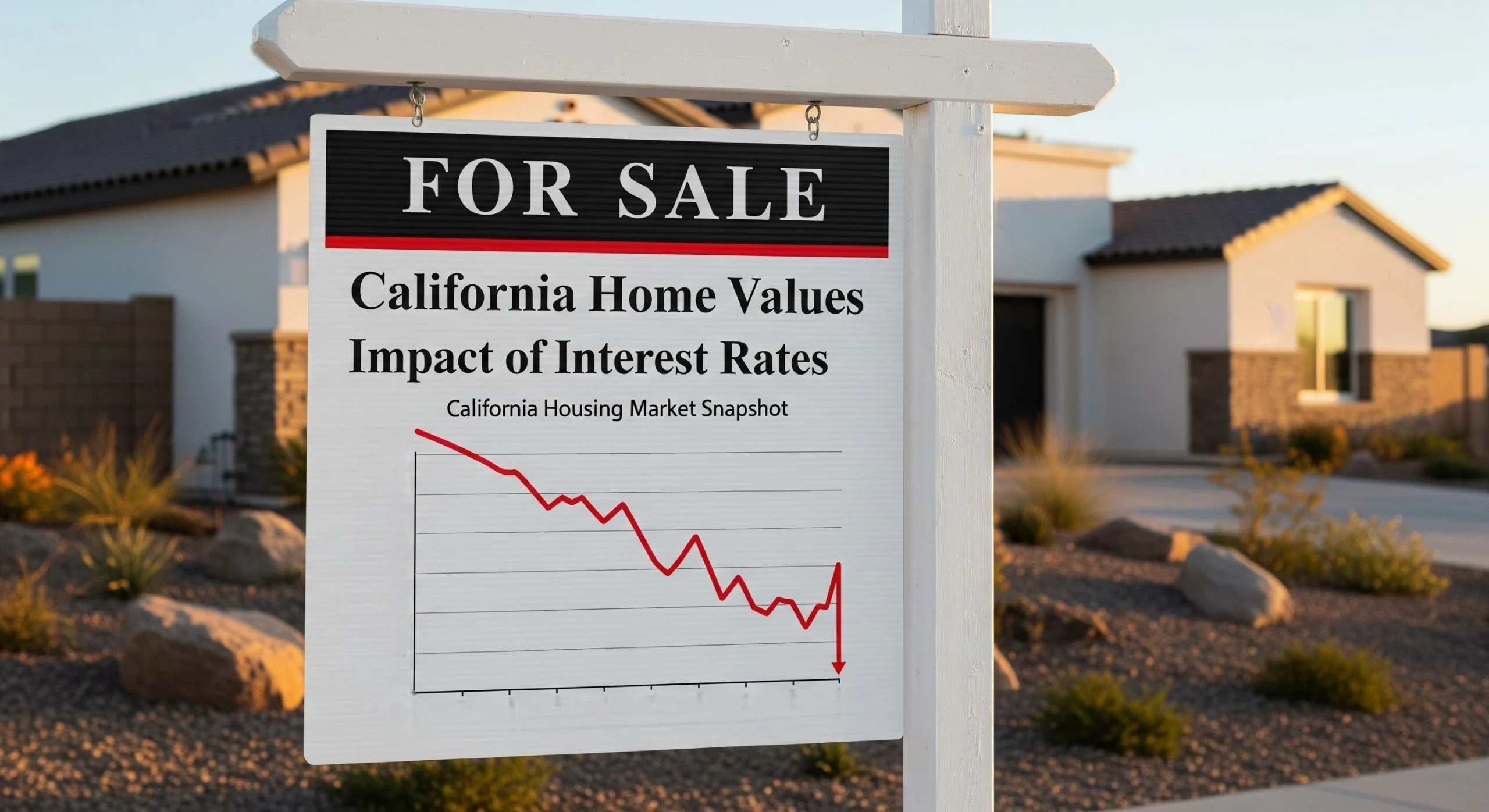
When borrowing costs go up, the number of people who can actually afford to take on a mortgage goes down. Because of that, the market cools off, and those skyrocketing home prices usually start to level out.
If there aren’t as many people bidding on a property, sellers don’t have enough leverage to ask for more. On the flip side, when rates drop, everyone wants to buy, which drives competition and lets you set a much higher asking price.
The Ripple Effect on Rental Demand
Interest rate shifts also impact the rental market. When buying a home becomes too expensive, more people tend to rent longer than they planned. This creates a surge in demand for landlords and anyone managing apartments or condos.
If you can charge higher rent, that extra passive income can help cover the increased cost of borrowing for your next property. This is why a “buy-and-hold” strategy can be highly profitable when the rest of the market stalls.
Pivoting Your Investment Strategy
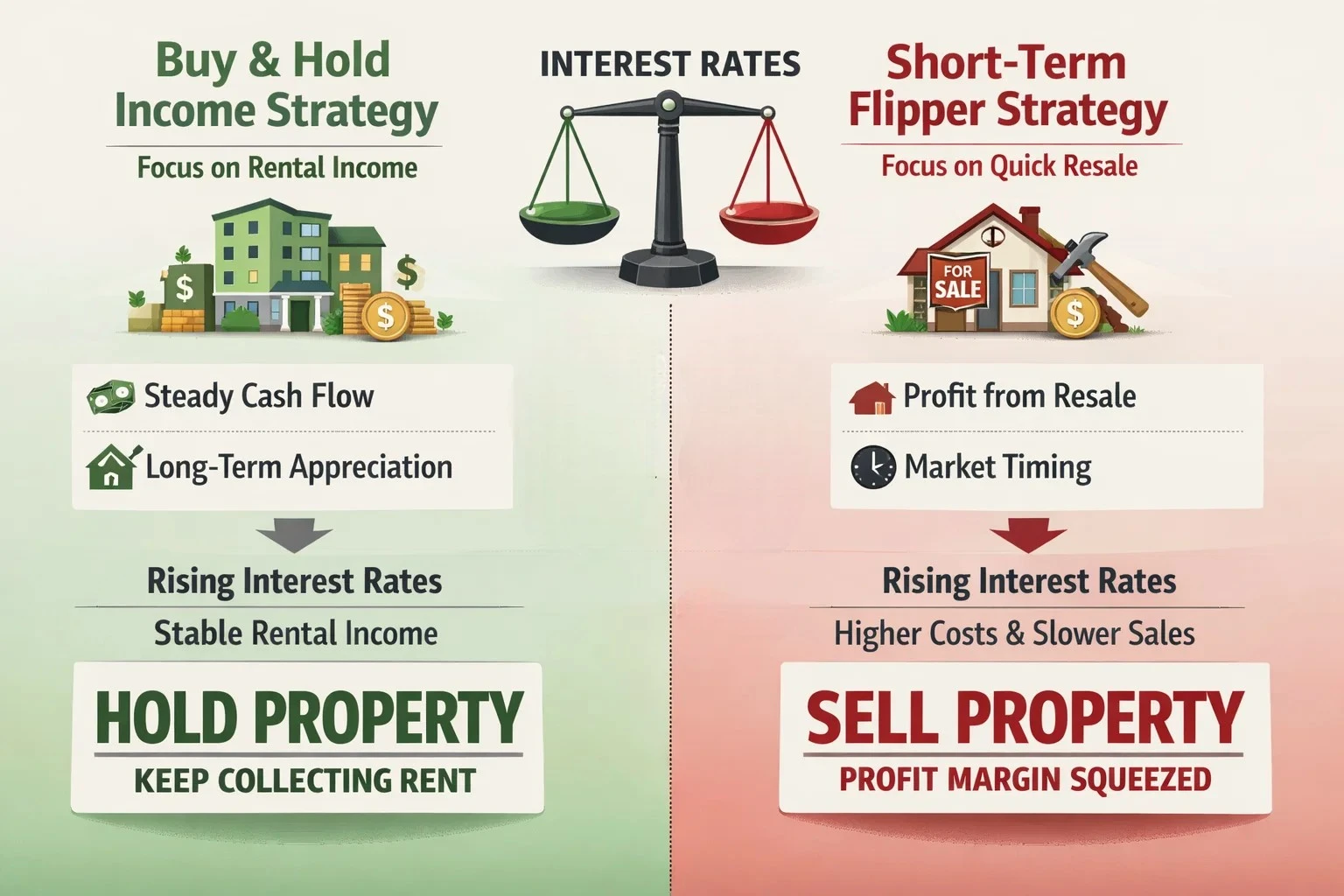
When rates are high, the cost of carrying a property goes up. Because of this, many investors focus on rental models that bring in steady monthly income. That consistent income helps balance out the high interest you’re paying on the loan.
When borrowing is cheaper, the strategy usually shifts toward quick gains. Lower interest costs make it much easier to buy a property, fix it up, and sell it for a profit. You’ll see a lot more “fix-and-flip” projects happening when the rates are in your favor.
Financing Renovation Projects
If you like buying fixer-upper properties, interest rates will typically dictate your strategy. Most people fund these types of renovation projects through things like home equity lines of credit (HELOCs).. When rates go up, borrowing that extra capital gets incredibly expensive.
This can eat into your profits much faster than you’d think. Higher interest payments take money away from the actual renovation, leaving you with less to spend on quality materials and contractors. This can shrink your ROI or even push your margins into the red.
Managing Debt and Monthly Income
If you have an adjustable-rate mortgage (ARM), rising interest rates are one of the worst things that can happen down the road. As your debt payments go up, the money you have left over for new investments starts to disappear. You might even end up in a situation where your property is costing you more each month than it’s bringing in.
It’s always a good idea to run the numbers on your portfolio well before situations like this happen. By simulating a “worst-case” scenario with higher rates, you can see where you’re vulnerable before market shifts start hurting your bottom line.
Developer Costs and Rate Changes
For anyone looking to build or develop new properties, interest rates can determine whether a project even gets off the ground.
When it costs more to borrow money, everything from buying the land to paying the construction crew gets more expensive. These extra costs can turn a great plan into a money pit, which is why you’ll see developers pause their work when rates are volatile.
Keep an Eye on Rates to Protect Your Investments
In real estate, one small change in the market usually causes a chain reaction somewhere else.
While you might not be able to predict exactly when rates will change, keeping an eye on the economy gives you a huge head start when evaluating investments that are most likely to deliver strong long-term returns.
Author Bio

Dalip Jaggi: Entrepreneur, technologist, and passionate business leader sum up the core of Dalip Jaggi, co-founder of Revive Real Estate, a PropTech company with a goal to democratize house flipping. Since its 2020 inception, Revive has since become the smartest solution for homeowners to maximize their home’s sales value across the nation.