
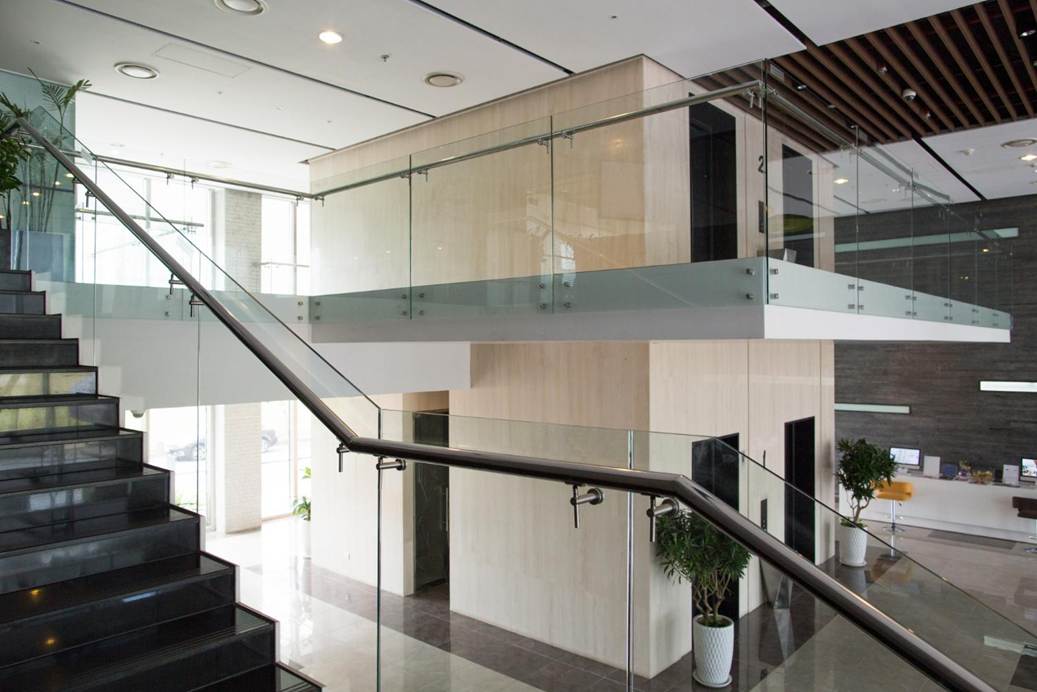
Image by katemangostar on Magnific
A prospective tenant forms most of their opinion about a building in the first ninety seconds, long before anyone opens a floor plan or mentions a rate. They notice the lobby glass, the elevator floor, the smell of the corridor, and whether the restroom looks like somebody is responsible for it. None of that appears in a marketing package, and all of it shapes what happens next. For anyone who owns or manages commercial property, the unglamorous end of building operations turns out to be closer to the leasing strategy than most balance sheets suggest.
Presentation Is Part of the Asset
Buildings are marketed on location, floor plates, and amenities, but they are experienced as a sequence of small physical impressions repeated daily. Tenants and their employees walk the same entrance every morning, and the accumulated effect of a well-kept space or a neglected one becomes the tenant’s honest opinion of their landlord. Consistent office cleaning is one of the few operating expenses that shows up directly in that daily experience, which is why properties that treat it as a fixed commitment tend to present better at renewal time than those that treat it as a line to trim when budgets tighten.
What Deferred Maintenance Actually Costs
Cutting service frequency looks like a saving because the damage is slow and invisible on a monthly statement. Carpet that is not maintained wears out years early. Hard floors lose their finish and need refinishing rather than cleaning. Fixtures and surfaces degrade faster under accumulated grime, and the replacement cycle for expensive materials shortens accordingly. By the time the deterioration is obvious enough to prompt action, the cost of restoring the space usually exceeds what consistent maintenance would have cost over the same period, and that math holds across most asset classes. There is a leasing cost layered on top of the physical one. A tired building shows badly against comparable space, which means either a longer vacancy or a concession to close the deal, and either outcome dwarfs the annual service contract that was trimmed to save money. Owners rarely connect the two because they appear in different budgets, but a broker walking a prospect through a neglected floor is watching that saving get spent in real time.
Hybrid Work Raised the Bar
The shift to hybrid schedules changed what tenants expect from a building. When employees are being asked to commute rather than work from their kitchen table, the office has to justify the journey, and companies making that argument to their staff are acutely aware of how the space feels. Cleanliness is no longer a hygiene factor sitting quietly in the background. It has become part of how tenants sell their own return-to-office policy internally, which means landlords who let standards slip are undermining their tenants in a conversation those tenants are already finding difficult.
The Air People Breathe All Day
Beyond appearance, there is a health dimension that has moved firmly into tenant conversations. Indoor air quality is affected by dust accumulation, ventilation performance, moisture problems, and the products used to clean a space. The Environmental Protection Agency publishes guidance on indoor air quality in buildings, including the role of routine maintenance and source control in keeping it acceptable. For property managers, the practical takeaway is that cleaning protocols and ventilation performance are related rather than separate concerns, and tenants asking questions about air quality are increasingly well informed about the difference.
Scheduling Around a Working Building
Commercial cleaning is a logistical problem as much as a labor one, because the work has to happen without disrupting the tenants paying for the space. That usually means overnight or early-morning schedules, secure key management, and staff who can be trusted in occupied suites containing sensitive material. Buildings with mixed tenancies complicate this further, since a law firm, a clinic, and a software company have genuinely different requirements around access, confidentiality, and frequency. A vendor who cannot describe how they handle those differences is telling you something useful.
What Tenants Now Ask About Products
Sustainability requirements have worked their way down from corporate policy into lease conversations. Tenants with environmental commitments increasingly ask what products are used in the spaces they occupy, and some need documentation to satisfy their own reporting obligations. Green-certified products have become straightforward to source and no longer carry the performance penalty they once did, so a building that cannot answer the question is simply behind. It is a small thing to get right and an awkward one to be caught out on during a renewal negotiation.
Vetting a Vendor Properly
Choosing a commercial cleaning contractor deserves the same scrutiny as any other building service. Confirm insurance and bonding, ask how staff are screened and trained, and find out whether the people in your building are employees or subcontracted labor, because turnover shows up directly in consistency. Ask for references from properties of similar size and tenant mix, and pay attention to how the vendor handles a complaint rather than how they describe their service. The cheapest quote frequently reflects understaffed shifts, and that arrives as tenant complaints six months later rather than as a saving.
Small Details, Large Consequences
Nobody renews a lease because a lobby was clean, but plenty of tenants have left over an accumulation of small signals that a building was not being looked after. Those signals are cheap to prevent and expensive to reverse once a tenant has formed an opinion. Treating the daily upkeep of a property as part of its competitive position, rather than as overhead, is one of the more reliable ways to keep good tenants in place and to make the next walkthrough go the way you want it to.