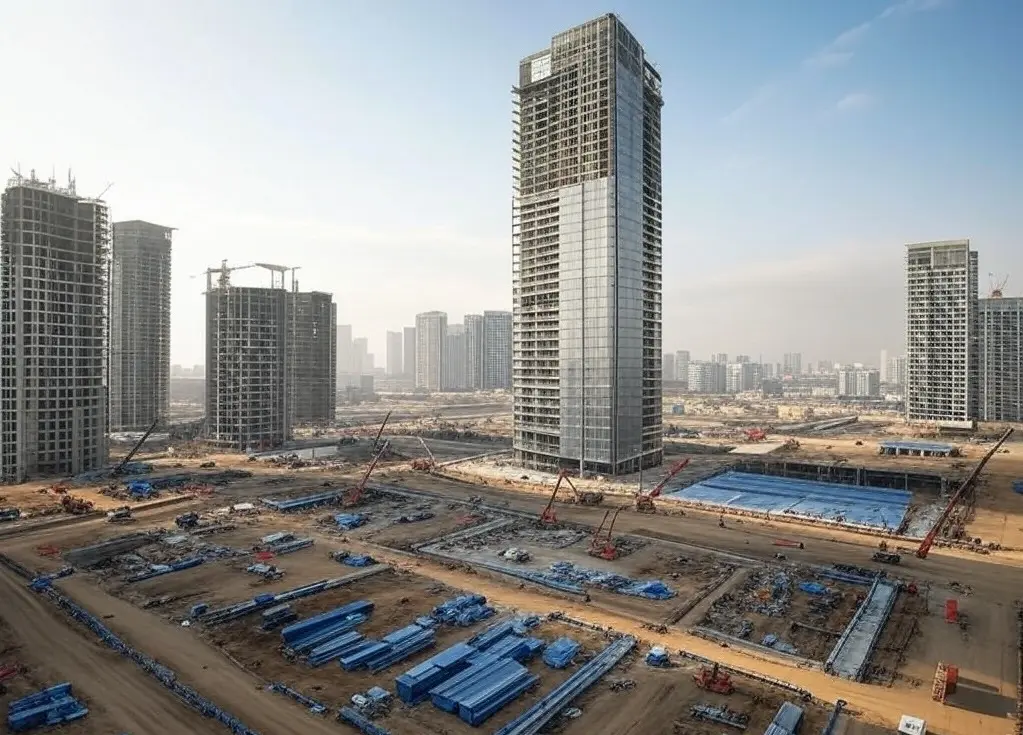

Dallas has always been a city defined by ambition. From the iconic Reunion Tower to the ever-expanding Uptown district, its skyline is a living testament to growth, innovation, and resilience. Today, as cranes dot the horizon and new projects emerge across the metroplex, it’s not just demand and investment fueling the boom, it’s the discipline of smart project management that ensures these bold visions become lasting realities.
Dallas at the Crossroads of Growth
The Dallas–Fort Worth metroplex is one of the fastest-growing regions in the United States, attracting businesses, residents, and investors at an unprecedented pace. Corporate relocations, a favorable tax environment, and strong population inflows have made North Texas a hub for real estate activity.
But rapid growth brings challenges. Rising construction costs, labor shortages, and evolving regulatory standards can derail even the most promising development. In this environment, the ability to plan effectively, allocate resources wisely, and manage projects with precision becomes the deciding factor between success and missed opportunity.
Why Project Management Matters More Than Ever
In the past, developers could lean on abundant land and relatively affordable building expenses to offset inefficiencies. That margin of error no longer exists. Material prices have surged, financing is more complex, and competition for skilled labor is fierce.
Smart project management bridges the gap. It brings structure to the chaos of modern development ensuring that every stage, from design to delivery, runs on time and within budget. In a city like Dallas, where growth is both fast and competitive, projects that lack this discipline risk falling behind.
Technology’s Role in Dallas Development
The integration of technology has transformed how projects are managed in the region. Digital platforms allow teams to track costs in real time, coordinate across multiple stakeholders, and anticipate risks before they escalate.
Developers increasingly turn to specialized partners who can provide these insights. For instance, firms such as NYC Estimating Company have become valuable allies for builders by helping them establish clear financial frameworks before ground is even broken. This level of preparation minimizes surprises and creates the stability investors expect from large-scale projects.
Investor Confidence and Accountability
Dallas real estate is no longer driven solely by local developers. Institutional investors, private equity groups, and national builders all have a stake in the region’s expansion. These players demand accountability. They expect transparent reporting, disciplined timelines, and proof that a project will deliver on its promises.
That’s where financial clarity and strong oversight become indispensable. Pro Estimating provides builders and developers with the detailed planning resources needed to reassure stakeholders and attract long-term investment. In a high-stakes environment like Dallas, this level of professionalism often determines which projects move forward.
The Human Factor in Project Success
While technology and data are essential, smart project management also depends on leadership. Dallas builders know that coordinating architects, contractors, city officials, and investors is as much about relationships as it is about spreadsheets. Clear communication, problem-solving, and adaptability can make or break a development.
With so many projects unfolding simultaneously across the metroplex from mixed-use towers to sprawling residential communities. Strong project managers act as the glue that keeps everything on track.
Looking Ahead: A Smarter Skyline
The skyline of Dallas is more than steel and glass; it’s a reflection of strategy and foresight. Each crane in the air represents not just a building under construction but a carefully managed vision of the city’s future.
If the past decade was about sheer expansion, the next one will be defined by efficiency, innovation, and resilience. Developers who embrace smart project management, such as blending technology, financial discipline, and human expertise — will lead the way in shaping Dallas for the generations to come.
Conclusion
Dallas is on the cusp of another transformative era, with projects that will redefine its skyline and reinforce its reputation as a hub for opportunity. But ambition alone won’t deliver these results. The city’s future depends on smart project management, a balance of planning, accountability, and innovation that turns bold ideas into enduring landmarks.