- Why Small Operational Gaps Become Big Real Estate Problems
- Maintenance Responsiveness Shapes Resident Experience
- Better Visibility Leads to Better Decisions
- Consistency Matters Across Growing Portfolios
- Vendor Coordination Becomes Easier With Clearer Systems
- Preventive Thinking Protects Asset Value
- Strong Operations Quietly Strengthen Real Estate Performance

Why Small Operational Gaps Become Big Real Estate Problems
In real estate, performance is often judged by what people can immediately see: curb appeal, occupancy, rent growth, leasing momentum, and resident satisfaction. Yet many of the factors that protect those results happen behind the scenes. The speed of a repair response, the clarity of a vendor assignment, and the consistency of follow-through all shape how a property performs over time.
For owners, brokers, investors, and managers, operations are not just an internal concern. They influence tenant retention, maintenance costs, reputation, and long-term asset value. A property that appears strong on paper can still underperform if recurring issues are handled inconsistently or if teams lack visibility into what needs attention next.
That is why more property teams are relying on a work order management system to bring structure to everyday maintenance activity. When requests are tracked in one place, priorities become easier to set, communication improves, and minor issues are less likely to become expensive disruptions.
Maintenance Responsiveness Shapes Resident Experience
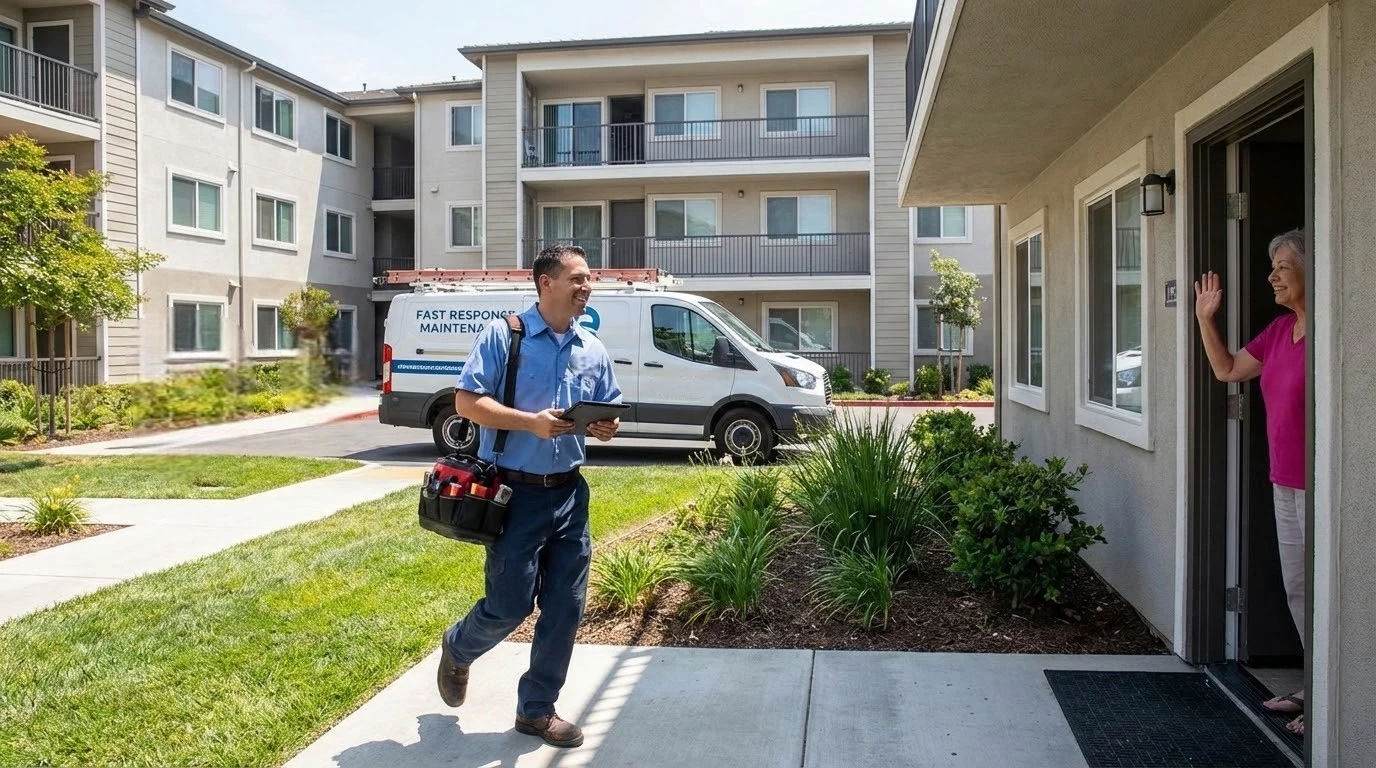
Residents may not think about operational systems directly, but they quickly notice the results. When a leaking faucet, broken gate, or air conditioning issue is resolved quickly, confidence in management grows. When updates are delayed or requests disappear into scattered messages, frustration builds.
This matters because resident perception affects lease renewals, referrals, and overall community stability. In competitive rental markets, tenants often compare not only pricing and amenities, but also how reliably a property responds when something goes wrong. Fast, organized service becomes part of the property’s value proposition.
For that reason, operational discipline should be viewed as a business strategy, not merely a maintenance function. Clear request intake, accurate scheduling, and timely completion all contribute to a better day-to-day experience for the people living in the space.
Better Visibility Leads to Better Decisions
One common challenge in property operations is the lack of a complete picture. A manager may know which problems were reported today but still struggle to see overdue tasks, recurring issues, technician capacity, or vendor bottlenecks across multiple buildings. Without visibility, decisions become reactive.
A more organized system helps teams track open requests, monitor completion times, and identify where delays tend to happen. It also creates a reliable record of what was done, when it was done, and what resources were required. Over time, that record becomes a valuable source of operational insight.
Instead of relying on memory or informal updates, managers can review patterns and make smarter decisions about staffing, contractor relationships, preventive care, and budgeting. This is especially important in real estate, where margins can tighten quickly when maintenance problems compound. It also gives leadership a clearer basis for comparing properties, identifying service gaps, and deciding where operational improvements will have the greatest financial and resident impact. Better information does not remove every challenge, but it reduces guesswork and allows teams to respond with more confidence and consistency from day one.
Consistency Matters Across Growing Portfolios
What works for a small property or a single building often breaks down when a portfolio expands. A handful of units can sometimes be managed through text messages, handwritten notes, or spreadsheet trackers. But once more properties, more residents, and more technicians are involved, informal systems create confusion.
Growing portfolios require repeatable processes. Teams need consistent ways to log requests, classify urgency, assign responsibility, and close out jobs. Standardization reduces the chance of missed tasks and helps ensure that service quality does not vary dramatically from one property to another.
This consistency also supports smoother onboarding. New team members can adapt faster when the process is clear, and ownership groups gain more confidence when reporting is uniform across assets. In a business where operational discipline affects both resident satisfaction and asset preservation, consistency is a competitive advantage.
Vendor Coordination Becomes Easier With Clearer Systems
Property teams often depend on outside vendors for plumbing, electrical, landscaping, security, roofing, and specialty repairs. Coordinating those vendors efficiently can be difficult when information is incomplete or spread across multiple channels. Miscommunication can lead to delays, duplicate visits, and unnecessary cost.
A centralized process helps ensure that vendors receive complete details from the start, including location, issue description, urgency, access instructions, and scheduling expectations. Internal teams also gain a better way to monitor pending jobs and confirm whether work was completed properly.
This is where technology becomes especially useful. It helps streamline requests, task assignments, and status tracking, enabling both internal teams and external vendors to stay aligned without relying on fragmented communication.
Preventive Thinking Protects Asset Value
Real estate professionals often focus on visible capital improvements, but everyday maintenance discipline plays a major role in protecting asset value. Small unresolved issues can accelerate wear, create safety concerns, and lead to larger repairs later. Reactive habits usually cost more than proactive ones.
An organized operating approach makes it easier to spot repeat problems, schedule routine service, and document the health of critical building components. Instead of constantly rushing from one urgent task to another, teams can spend more time preventing disruptions before they affect residents or budgets.
That shift matters because strong property performance depends on stability. Buildings that are maintained consistently tend to preserve appeal, support tenant confidence, and avoid the operational chaos that undermines long-term returns.
Strong Operations Quietly Strengthen Real Estate Performance
In property management, the most valuable improvements are not always dramatic. Often, they come from quieter changes that reduce friction, improve accountability, and help teams respond with more confidence. Organized maintenance is one of those changes.
When requests are easier to track and resolve, residents feel supported, teams work more efficiently, and owners gain better insight into what is happening across their assets. Over time, those benefits add up to stronger retention, fewer surprises, and better protection of property value.
For real estate businesses that want lasting performance, operational structure is not a back-office detail. It is part of the foundation that supports reputation, efficiency, and growth.