
- Decide Which Repairs You Can Leave to the Buyer
- Leave Cosmetic Work for the Next Owner
- Find Buyers Who Expect to Make Repairs
- Share Known Problems Before You Sign
- Check Taylor’s Re-Occupancy Rules Early
- What Can You Do Before Showing the House?
- Which Terms Help Keep Repair Costs With the Buyer?
- Choose How to Put the House Up for Sale
- Get the Paperwork Ready for Closing
- Conclusion
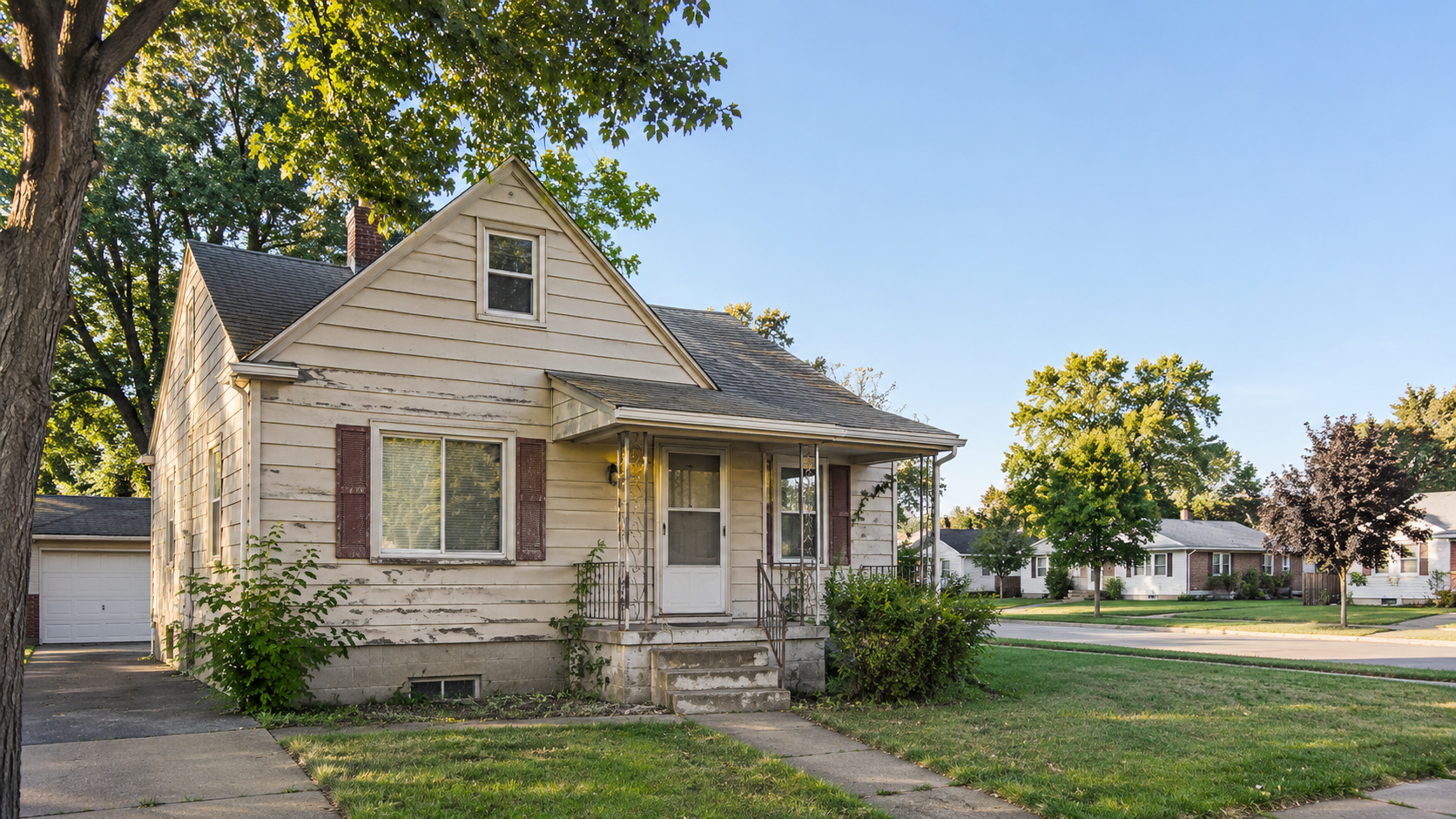
You get a quote for a new roof and start wondering, “Can I sell my house as-is in Taylor?” You can put the house on the market in its current condition. What you pay for before closing depends on the deal you make and what the city requires.
The home buyer who intends to remodel the kitchen will not mind getting the property just as it is. The repair that the city has flagged requires careful consideration due to its potential impact on the timing of the move-in date of the next buyer. The city inspection report can guide you in this regard.
Decide Which Repairs You Can Leave to the Buyer
A buyer can live with an old kitchen while they save for a remodel. A roof that lets water in may change who can buy the house and what they’re willing to pay.
Leave Cosmetic Work for the Next Owner
While old carpeting and outdated cabinetry could lower your price, replacing those things will drain money that you will need to move. The buyer may have his own ideas about how he wants the room to look. Sales of comparable homes recently sold will provide a better base price than pictures of remodelled homes.
Find Buyers Who Expect to Make Repairs
Sergio Aguinaga, Owner of Michigan Houses For Cash, works with sellers who want to sell before fixing up their homes. A buyer who intends to carry out the work himself can build the cost of doing so into the offer. In case a buyer requires financing, then the bank might insist on certain repairs being carried out.
Share Known Problems Before You Sign
Let’s consider where water is flowing through the basement due to rainfall. When Michigan’s seller disclosure laws apply to your situation, then normally you will have to disclose to the buyer prior to signing any binding contract. In such a case, a plumber’s report or bill may help the buyer comprehend the situation.
Check Taylor’s Re-Occupancy Rules Early
Taylor’s Building Department says a change in ownership requires a new Certificate of Occupancy before the new owner can occupy the house. Taylor’s re-occupancy inspection is valid for six months.
See What the City Flags
The inspection report shows what the city flagged. If it flags work you thought was finished, a permit or record of a past inspection may help you explain what was done. You can give buyers the same report so their offers account for the same work.
Find Out What the Buyer Can Take On
If someone offers to handle a repair, the Building Department can tell you whether the work can wait until after the sale. Your closing company can tell you which city documents it needs before it sets a date. Once you have those answers, the agreement can spell out who pays and when the work is due.
Leave Room for the Buyer’s Own Inspection
A buyer may want a closer look at a specific problem, such as a weak floor near the bathroom. Their inspection rights depend on the contract. A short review period gives them time to get an estimate before deciding whether to proceed.
What Can You Do Before Showing the House?
Buyers can price repairs more accurately when they can see what needs work. A few photos and records can help them before the first visit.
- Photos in daylight. Clear photos can show worn floors or water stains before a buyer visits.
- Access to equipment. A clear path to the furnace and electrical panel makes a visit easier.
- Past repair records. Receipts can show when you replaced something or what a contractor tried to fix.
- Existing estimates. A written quote gives buyers something concrete to review when they price the work.
- Bids based on the same details. Each buyer gets the same disclosures and available inspection reports.
- Items you plan to leave. A list of old appliances or furniture gives the buyer time to decide what they’ll accept.
Which Terms Help Keep Repair Costs With the Buyer?
An as-is agreement can still make you responsible for specific repairs. It can also state what happens if an inspection turns up more work.
- Seller repair promises. Any work you agree to complete should be named so both sides know what’s due.
- City inspection items. The agreement can assign responsibility for work the city allows the buyer to take on.
- Repair credits. The dollar amount tells you how much money you will be losing at closing if you agree on a credit.
- Inspection cutoff date. A specific date lets you know when your buyer’s inspection period expires.
- Financing conditions. You can outline your plans should the lender require any repairs prior to funding.
Choose How to Put the House Up for Sale
By listing the house as is, you give more buyers the opportunity to inspect it. This is applicable when the house is in good shape although the rooms appear outdated. You can list your house in its present condition so that buyers can put this into consideration during the offers.
Direct offers can be more flexible when the house requires serious renovations. It would be possible to view the property without listing it. Having at least two written offers would give you the opportunity to know the differences in the way buyers price the same repairs.
The most attractive offer would be the one that enables you to seal the deal without going beyond your budget for repairs. Even high offers can be less attractive when the buyer does not fix a cap on the repairs.
Get the Paperwork Ready for Closing
The closing company can look at the documents from the city while checking the title and can let you know if they need any documentation of a repair or reinspection being completed. Delays in this paperwork will impact your ability to close on the property.
The Water & Sewer Department at Taylor sets up final readings on the meter. Your closing company will be able to let you know how they plan to deal with your final water bill and will also let you know if anyone needs access to the utilities.
Your final closing statement will reflect the credit you have agreed to give to the buyer on repairs. This number can be checked against your contract and even later signed agreement before you actually agree to close. You can check the inspection fees you agreed to pay.
Conclusion
You can sell the property “as is,” even if future buyers have to do some renovations. According to the occupancy code of Taylor, it will be easier to understand what needs to be done, and then you can include it in the sale contract. Once you know how much of this cost you’ll be responsible for, you can decide.