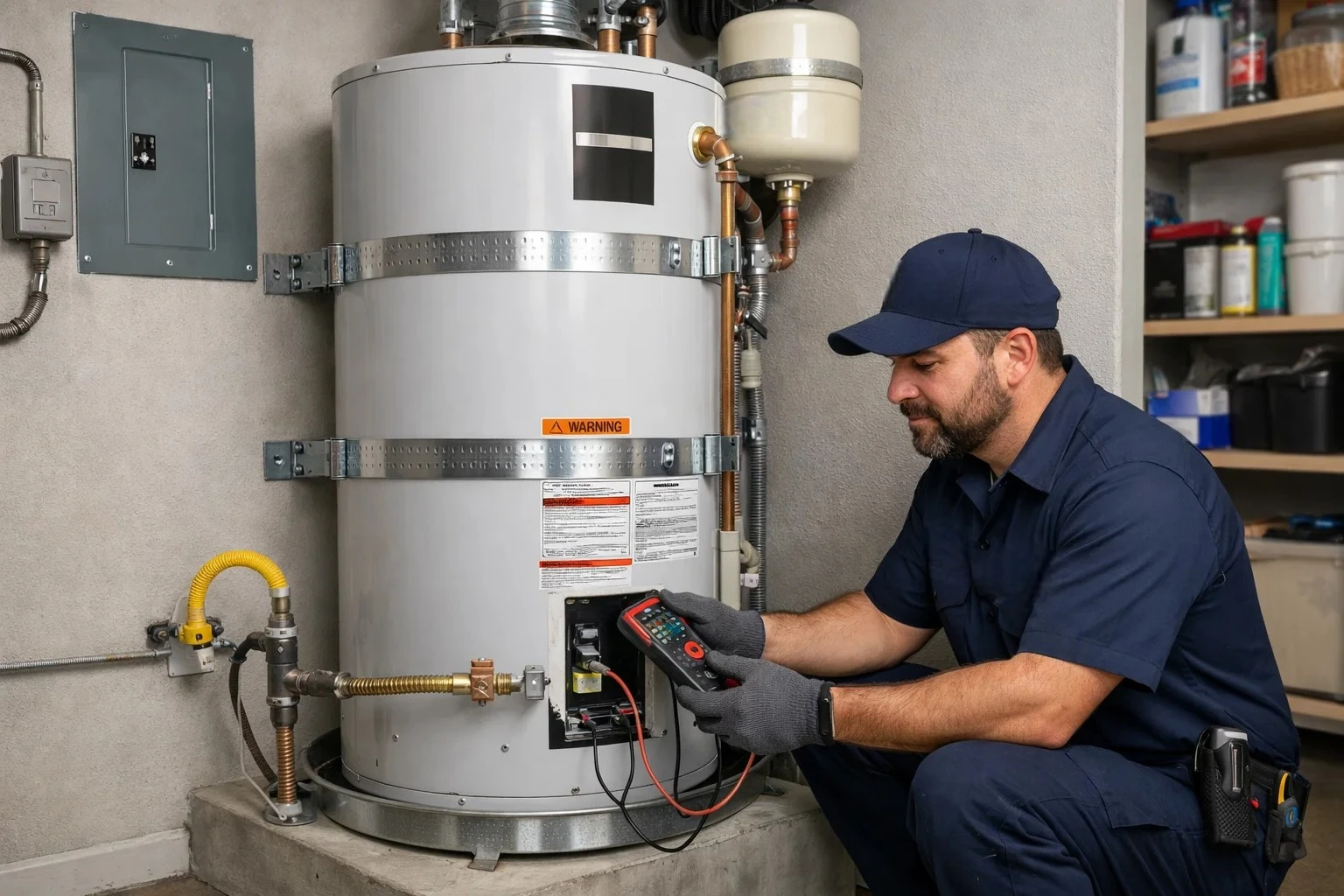
Choosing the right Rheem hot water system can feel overwhelming, especially with the range of gas, electric, solar, and heat pump options available. The best model for your home depends on household size, energy source, usage patterns, and budget.
Rheem is one of the most recognized water heater brands in Australia, offering systems designed to suit different property types and climates. Here’s a straightforward breakdown to help you decide which model is right for your home.

Start With Household Size
Your household size is the biggest factor when selecting a water heater.
As a general guide:
- 1 to 2 people may suit a smaller electric or gas storage tank lower energy costs
- 3 to 4 people often require a mid-sized storage or tankless unit
- 5 or more people typically need a larger storage tank or high-capacity tankless system
Choosing a system that is too small can mean running out of hot water. Going bigger than you need can increase installation cost and ongoing energy use.
Electric Storage Systems
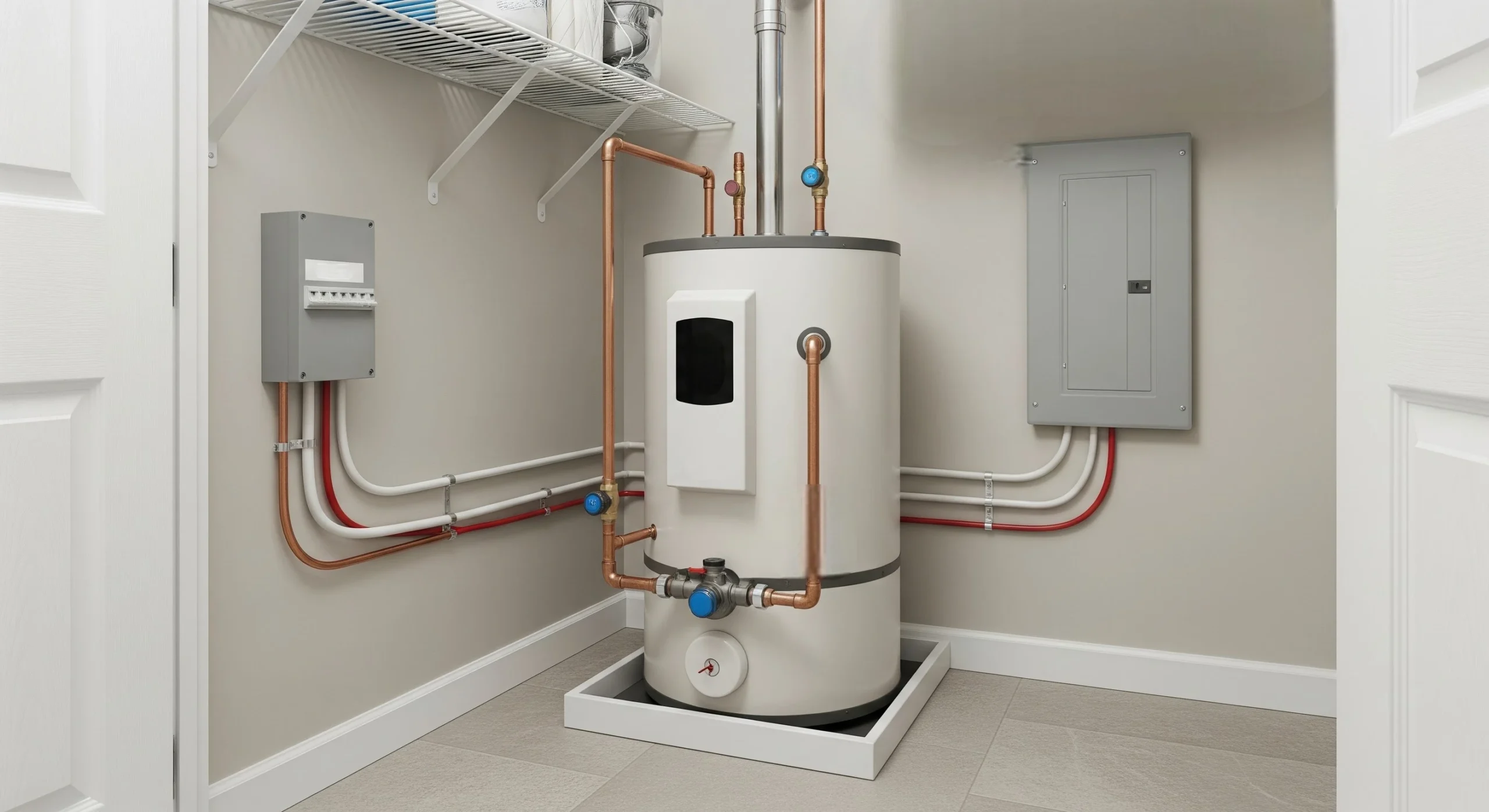
Electric storage systems are common in many Australian homes.
They heat water and store it in an insulated tank ready for use. These systems are generally affordable to install and simple to operate.
- Electric storage may suit:
- Smaller households
- Homes without a gas line
- Homes where upfront cost is a priority
However, running costs can be higher compared to gas or solar options, particularly if electric rates are high.
Rheem offers various electric storage sizes, so matching tank capacity to household demand is essential.
Gas Storage Systems
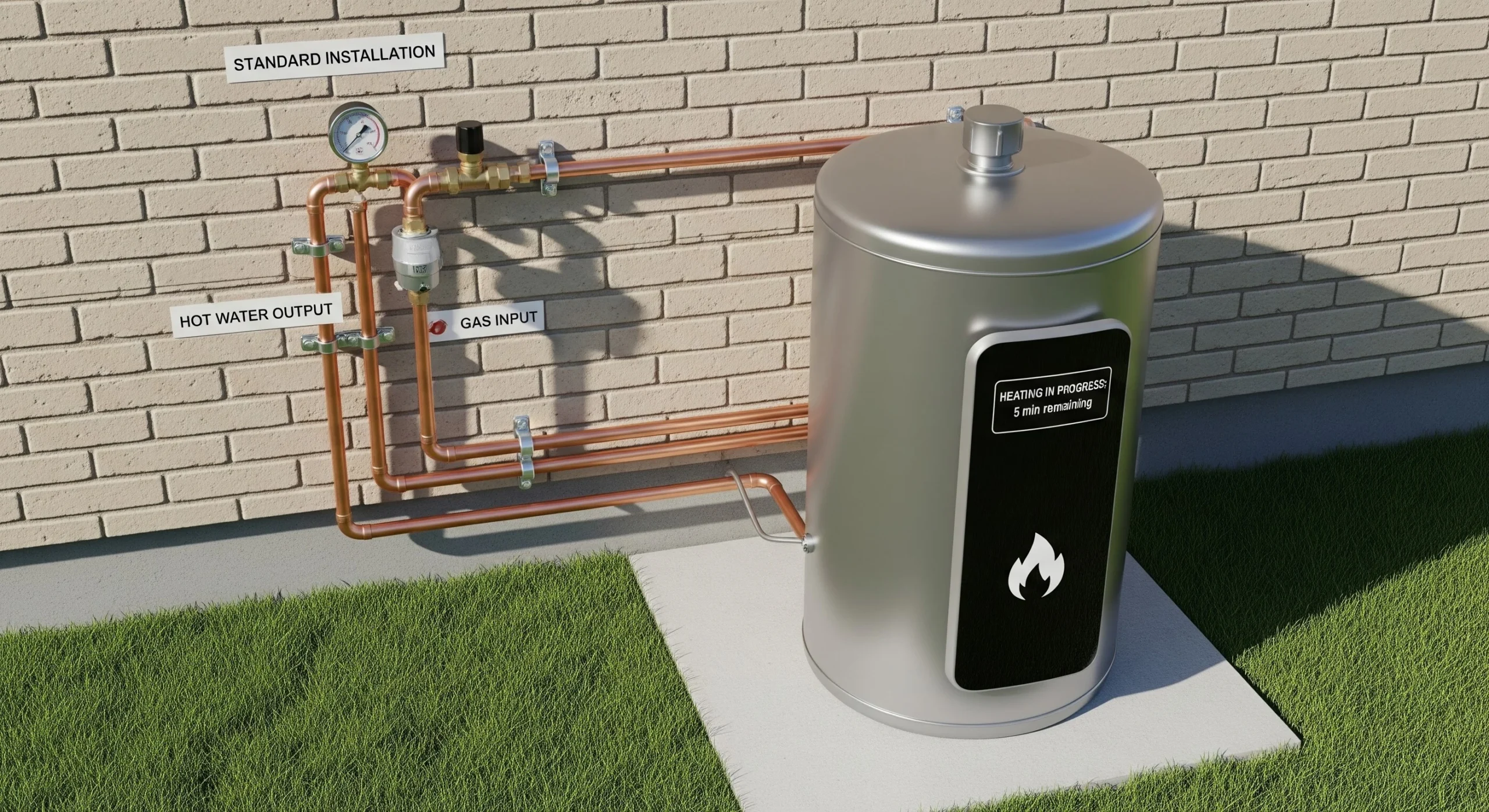
Gas storage systems work similarly to electric storage but use gas as the energy source.
They typically heat water faster and may have lower running costs where natural gas is available.
Gas storage is often suitable for:
- Medium to large families
- Homes with consistent hot water demand
- Areas with reliable gas supply
Installation cost is usually moderate, but a gas line is required.
Continuous Flow Systems
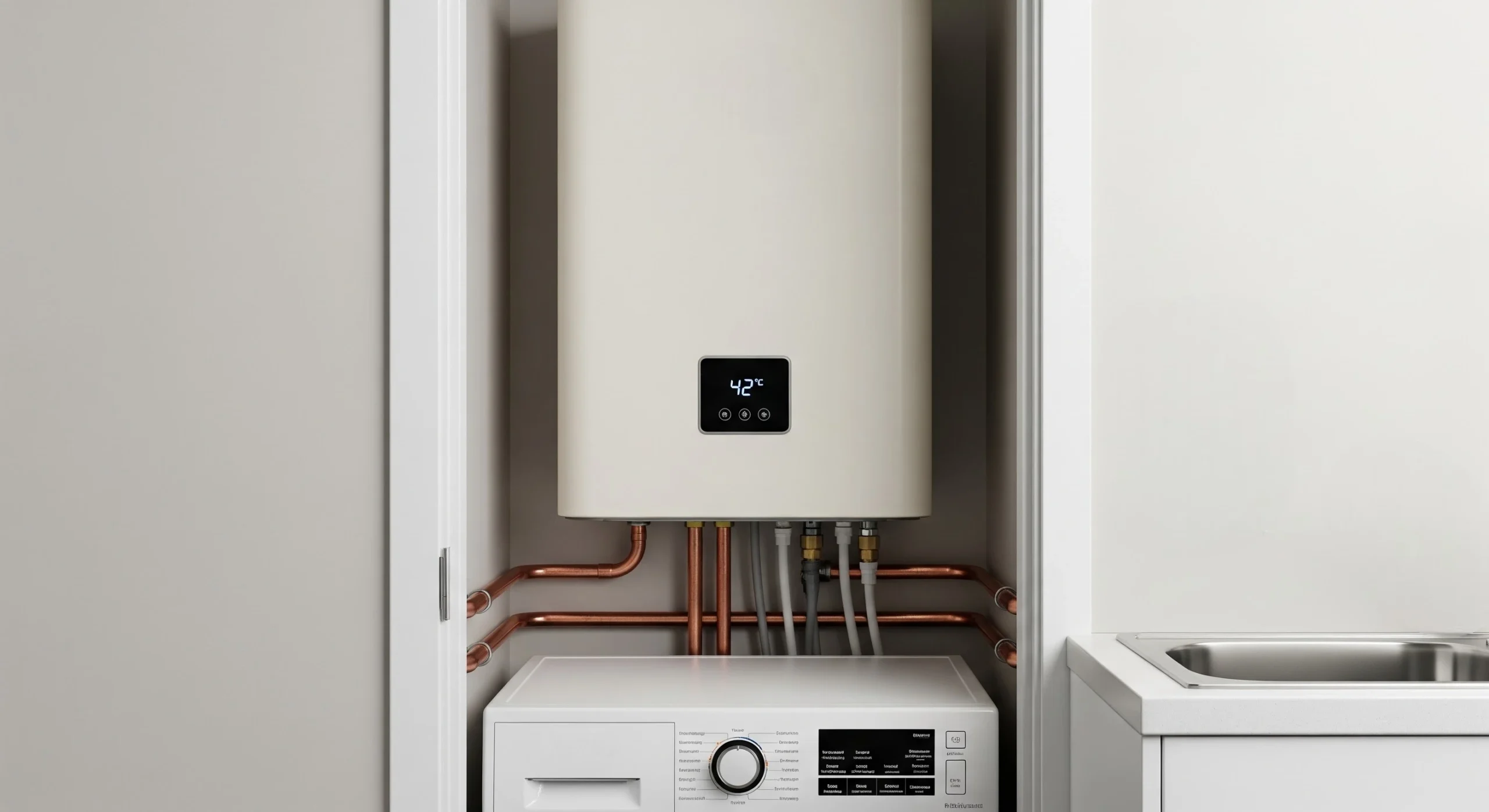
Continuous flow systems, often called tankless water heaters, heat water only when needed. There is no storage tank.
This means you won’t run out of hot water, as long as the unit is sized right.
Continuous flow systems are ideal for:
- Households with high or fluctuating demand
- Homes with limited installation space
- Renovations where tank space is restricted
They are compact and energy-efficient, but installation cost may be higher than standard storage systems.
Solar Hot Water Systems

Solar systems use roof-mounted collectors to capture energy from the sun.
In sunny climates, solar hot water can significantly reduce energy bills. Rheem solar systems often include electric or gas backup heating to provide hot water during cloudy days.
Solar is best suited for:
- Homeowners planning to stay in the home long-term
- Properties with enough roof space and sun exposure
- Households seeking lower energy costs
While upfront costs are higher, long-term savings can help pay for the system over time.
Heat Pump Systems

Heat pump hot water systems pull heat from the air to warm water, similar to how an air conditioner works in reverse.
They use less electricity than traditional electric storage systems and are suitable for households seeking better efficiency without installing solar panels.
Heat pumps perform best in mild to warm climates and can reduce electricity use significantly compared to standard electric units.
Installation Considerations

Before choosing a Rheem water heater, consider:
- Available space for tank installation
- Gas line availability
- Roof space and sun exposure for solar
- Electrical panel capacity for upgrades
- Local climate conditions
Upgrading from one system type to another may involve additional plumbing or electrical work. Talking with a licensed installer helps confirm what will work in your home.
Budget and Long-Term Costs
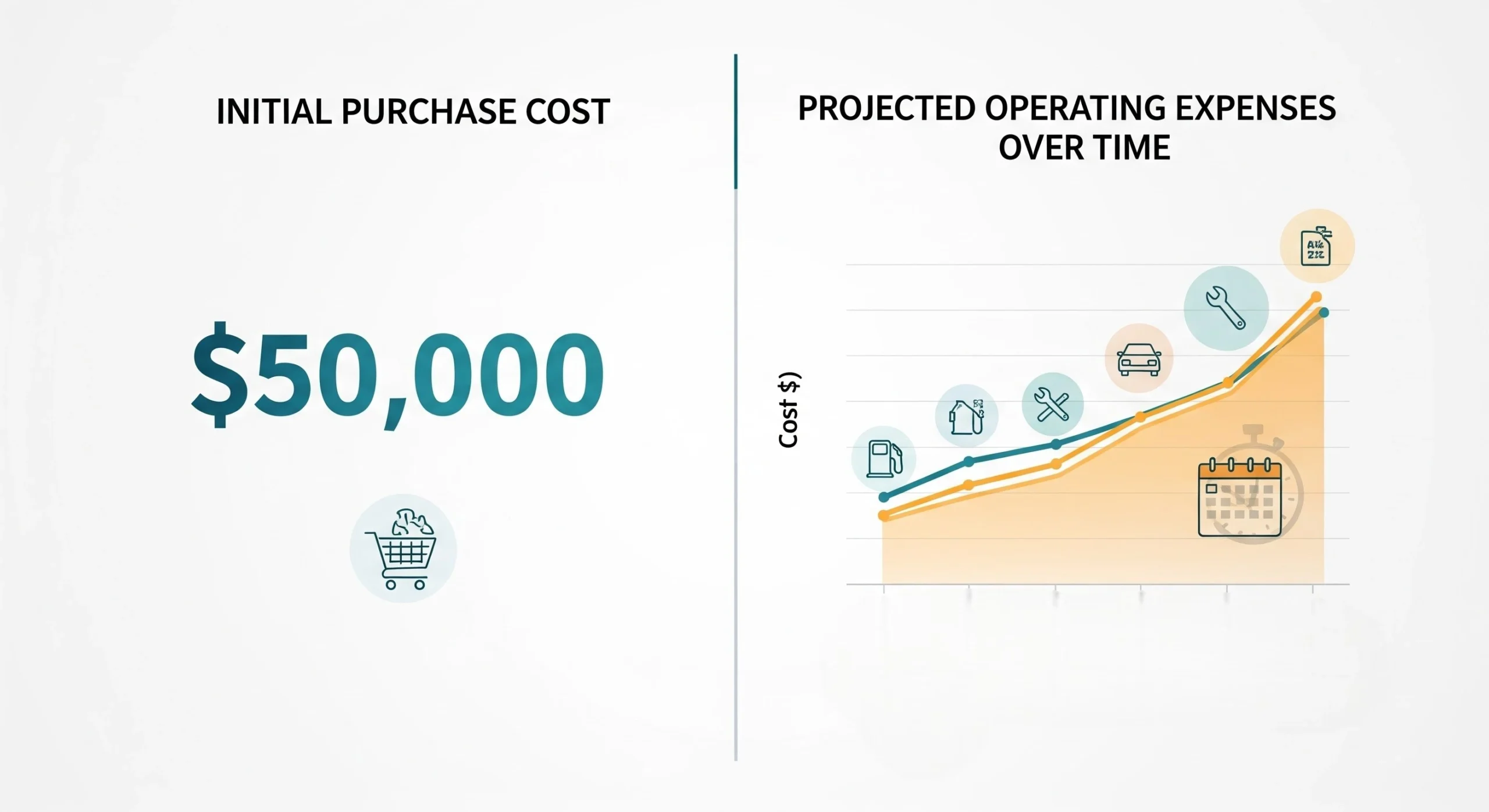
Initial purchase price is only part of the decision.
Electric storage systems are usually the cheapest upfront. Continuous flow, solar, and heat pump systems cost more initially but may reduce long-term energy expenses.
Looking at the total cost over time, not just installation cost, gives you a clearer picture of value.
Reliability and Warranty

Rheem systems are known for durability and local support.
Checking warranty terms on tanks and components helps protect your investment. Different models may have different warranty periods depending on system type and installation conditions.
Professional installation is essential to maintain warranty coverage.
Final Thoughts
Selecting the right Rheem water heater comes down to matching capacity, energy source, and efficiency to your household’s needs.
Small households may prefer electric or compact systems. Larger families often benefit from gas storage or tankless. Solar and heat pump systems suit homeowners seeking long-term energy savings.
By assessing household size, usage patterns, and installation requirements, you can choose a Rheem system that delivers reliable hot water without unnecessary cost.