

The Centers for Disease Control and Prevention (CDC) estimates that the probability of a first marriage among women aged 15-44 ending in divorce within the first 10 years was approximately 36% in 2022.
CDC.gov
When a couple decides to separate or divorce, aside from child custody, spousal support, or child support, one of the hardest parts is dividing what they own. This can include homes, cars, money, and even debt.
Family law guides how these things are divided. It looks at who owns what, when the property was bought, and what the law says about sharing. It is also a good idea to consult a property division attorney who can help you get a better outcome.
Whether you were married for a few years or many, it’s important to understand your rights and options once you decide to end your marriage.
Defining Marital Property and Separate Property
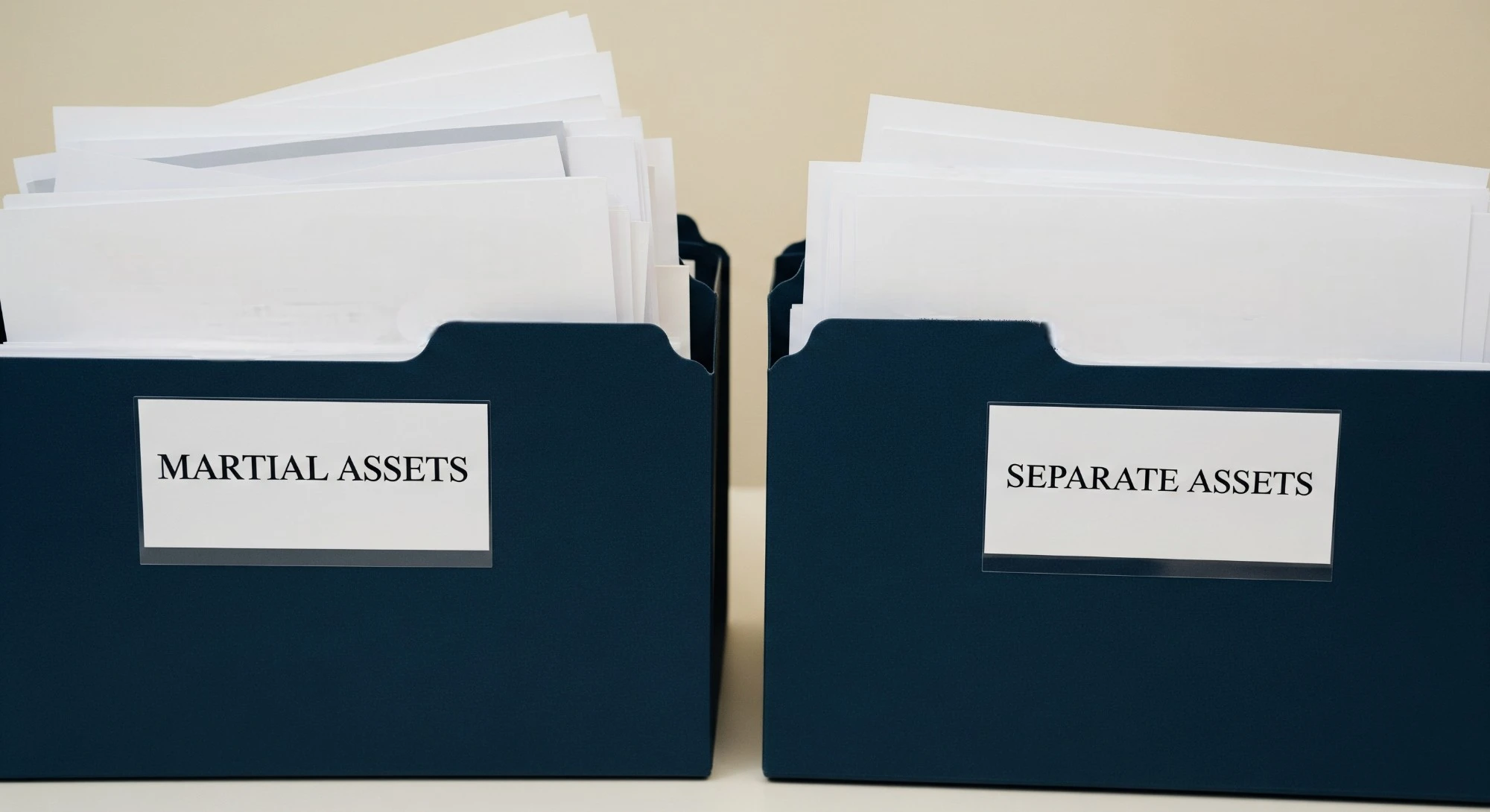
Clearly understanding the differences between marital property and separate property will allow one to appropriately handle the division of assets in a family law case.
Marital property generally refers to assets and debts acquired during the marriage, regardless of whose name is on the title. It could be anything from homes, cars, or retirement accounts to joint debts.
On the other hand, separate property refers to the assets you owned before your marriage, as well as gifts and inheritances that you received individually.
Understanding these terms is important because courts usually divide property acquired during the marriage equitably, while separate property typically stays with its original owner.
Pascagoula family lawyer J. Tyler Cox says the outcome of many family cases will have long-term effects that can impact finances, personal relationships, and the future, making it critical to have a compassionate and skilled family lawyer on your side.
Approaches to Property Division: Equitable Distribution vs. Community Property
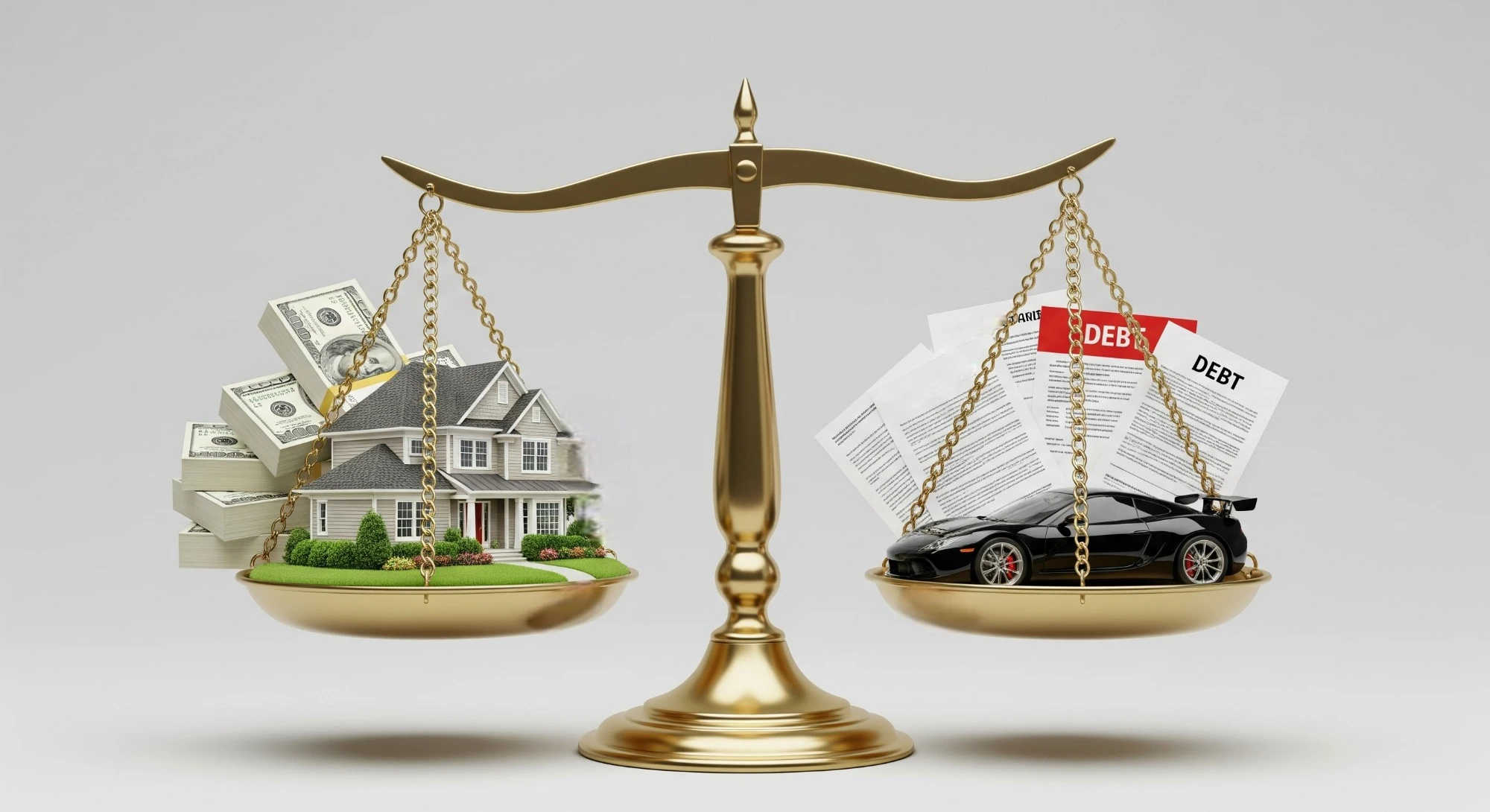
Understanding the difference between marital and separate property lays the foundation for how property might be divided in a divorce.
There are basically two property division approaches: equitable distribution and community property. Equitable distribution states consider a fair, though not necessarily equal division of property, taking into account factors like direct financial contribution and length of marriage.
In comparison, community property jurisdictions generally view all property acquired during the marriage as being jointly owned and hence divide it in half during divorce proceedings.
This distinction affects your negotiations relating to asset division. Knowing which approach your state uses will help formulate your strategy in property division in your divorce proceedings.
Factors Influencing Property Division Decisions

While several factors come into play, certain main ones influence property division decisions during divorce.
The length of your marriage affects how you and your spouse divide assets. Longer marriages usually lead to an equal distribution.
Each party’s financial standing, both present and future income capacity, is looked into. Courts attempt to guarantee that both parties of the marriage should be in a position to maintain a reasonable standard of living after divorce.
The court will look at the nature of contributions made by each party to the marriage. Contributions can be financial or non-financial. For instance, staying at home and raising children is a recognized contribution.
Debts created during marriage are also looked into, as they must also be divided along with the assets.
The Role of Prenuptial and Postnuptial Agreements

Prenuptial and postnuptial agreements can be vital in a divorce, especially if they define asset ownership ahead of time.
These agreements attempt to establish what belongs to whom, thereby nullifying the possibility of future disputes. A prenuptial agreement is used before a marriage, and a postnuptial one comes after the wedding.
Both contracts may set out how the parties intend to deal with assets, debts, and, in some cases, spousal support if their marriage terminates. Having these agreements in place will save time, money, and, more importantly, emotional strain during the divorce process.
They set forth a clear basis for both parties to acknowledge their rights and responsibilities to come to an amicable conclusion.
Handling the Property Division Process: Tips for Success

Approach property division with a clear plan and a calm mindset during your divorce. Collect financial documents, including bank statements, tax returns, and any property deeds. Once you are aware of exactly what you own, you can begin making decisions.
Sit down with a mediator who can help guide the discussions and lessen tensions. There will always be room for compromise, so more flexibility on your part will often yield the best results.
Think long term about your needs and goals. Don’t let emotions drive your decisions. Check in with a family law attorney to ensure that you know your rights and your responsibilities. Being prepared and having the right mindset can help you handle this difficult phase of your life.